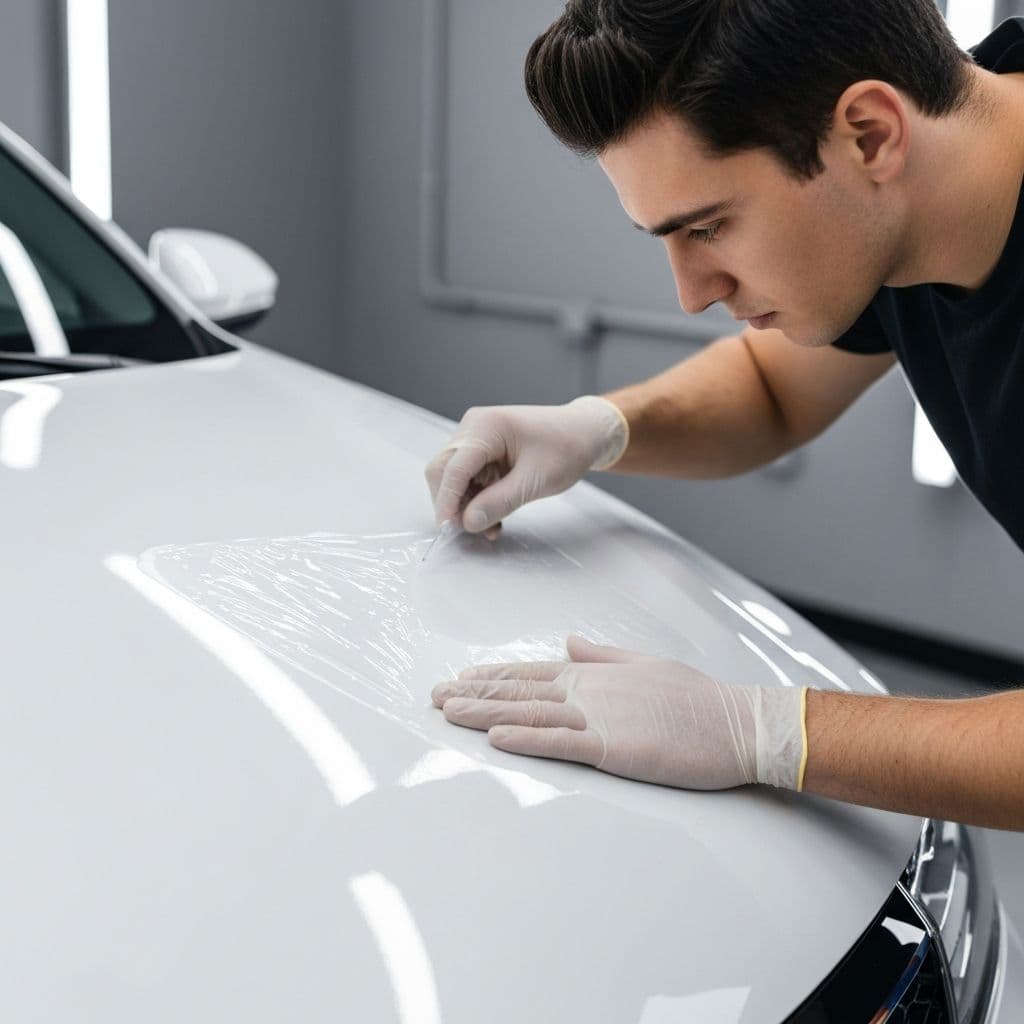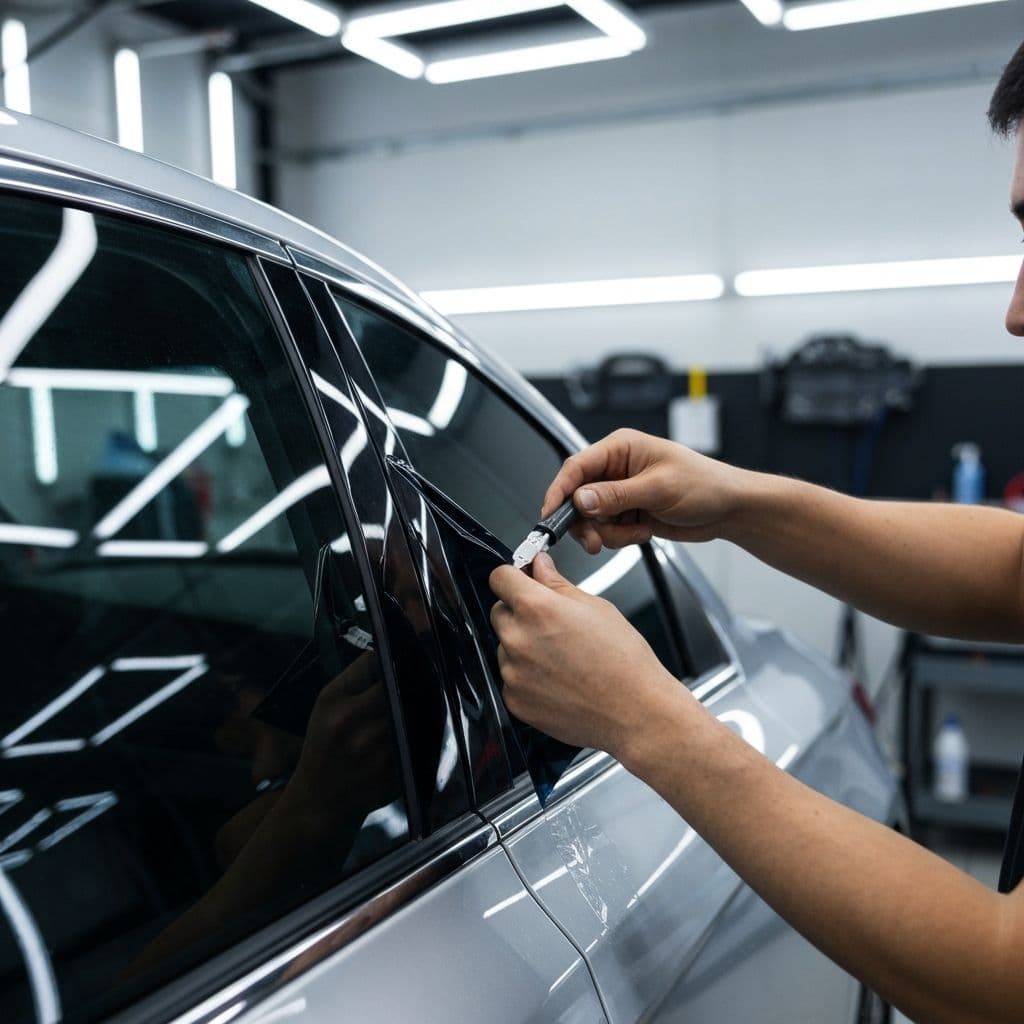
Paint Protection Film (PPF) is designed to take the abuse that would otherwise damage your paint–but it still needs basic care. With the right paint protection film maintenance tips, you can keep the film clear, glossy, and performing properly for many years.
Let PPF Cure Before You Touch It
Freshly installed PPF needs time for the adhesive to cure and for moisture to evaporate.
- Many installers recommend waiting at least 48 hours before exposing the film to water, chemicals, or physical friction, such as washing or wiping the vehicle. One aftercare guide highlights avoiding water, chemicals, and friction for this initial period to allow proper adhesive curing.4
- Several professional shops advise waiting about 7 days before washing the vehicle after installation so the film can fully bond and reduce the chance of lifting at the edges.2
During this cure window, avoid:
- Automatic or hand washes
- High-pressure spraying
- Wiping the film to remove dust or light dirt
Washing: Core PPF Maintenance
Regular, gentle washing is the single most important habit for long PPF life.
How Often Should You Wash?
Wash whenever the film looks dirty, or at least every 1–2 weeks in normal conditions. More frequent washing may be needed in harsh environments with dust, road salt, or heavy bug splatter.
Recommended Washing Technique
Professional guidance consistently emphasizes a gentle, paint-safe wash process:
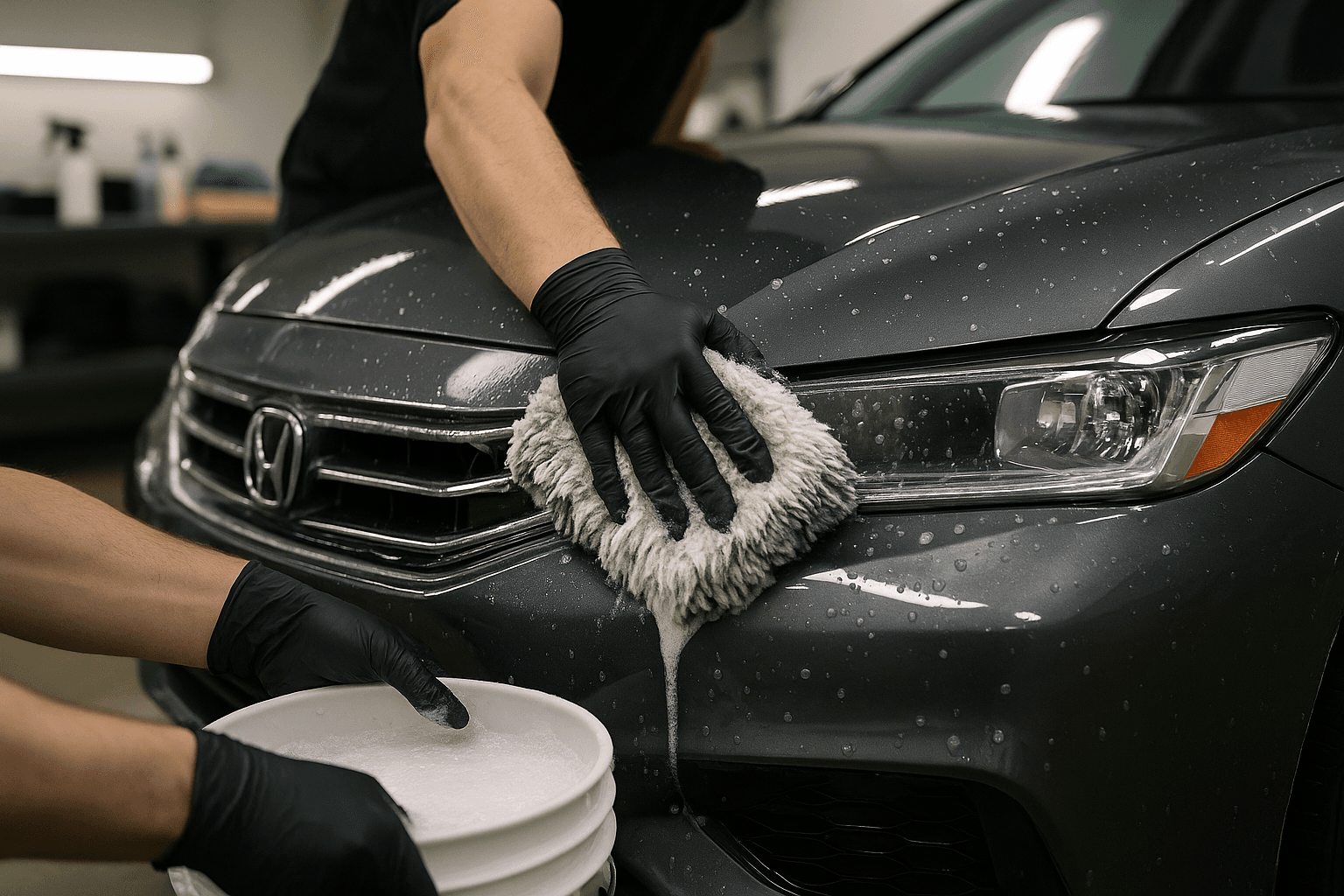
- Use pH-neutral automotive shampoo and plenty of water for lubrication.4
- Wash by hand with a soft microfiber wash mitt or sponge, not stiff brushes.1
- Use a two-bucket method: one for soapy water, one for rinsing your mitt to reduce the risk of dragging dirt across the film.2
- Rinse thoroughly to remove all shampoo residue.
Touchless automatic washes are generally safer than brush washes, but manual hand washing with proper tools remains the best practice for PPF.
What to Avoid When Washing
To prevent premature damage:
- Do not use abrasive brushes, scouring pads, or rough sponges; they can mar the film surface.1
- Avoid household cleaners, degreasers, or strong solvents that are not formulated for automotive surfaces, as they can degrade the film or its adhesive.2
- Be cautious with high-pressure washers: maintain a safe distance and avoid spraying directly at film edges to reduce the risk of lifting.2
Drying: Simple but Important
Drying technique affects both appearance and longevity of the film.
- Use clean, soft microfiber towels to gently blot or glide across the surface.3
- Work from top to bottom to avoid dragging dirt upward.
- Replace towels if they become heavily saturated with dirt.
Avoid rough bath towels or any fabric with hard edges that may scratch the film. One manufacturer-backed guide specifically recommends microfiber drying and discourages rough-textured towels or air blowers that might introduce debris onto the film surface.3
Contaminants: Deal With Them Quickly
Certain contaminants are more aggressive and can stain or damage PPF if left too long.
Common Problem Contaminants
- Bird droppings
- Bug splatter
- Tree sap and pollen
- Road tar and fresh paint markings
- Road salt and de-icing chemicals
Multiple professional guides emphasize removing these as soon as practical using mild soap, water, and PPF-safe cleaners, as they can stain or etch the film over time if left untreated.12
Safe Removal Tips
- Soften the contaminant with warm, soapy water and a soft microfiber towel.
- Avoid scraping with fingernails, credit cards, or blades.
- For stubborn tar or sap, use a film-safe tar remover recommended by your installer.
If a stain remains after careful cleaning, consult a professional PPF installer before resorting to aggressive chemicals or polishing.
Using Sealants, Waxes, and Coatings on PPF
Protective top coats can enhance gloss, make cleaning easier, and provide extra resistance to contaminants—provided they are compatible with PPF.
Recommended Approach
- Choose sealants or ceramic boosters labeled safe for PPF.2
- Follow your film manufacturer’s or installer’s schedule for reapplication.
- Apply by hand using soft applicators and microfiber towels.
Some PPF products are supplied with a compatible ceramic coating from the manufacturer, which further simplifies maintenance and improves hydrophobic behavior.3
Products to Avoid
- Waxes or sealants that are not specified for use on film, particularly some petroleum-heavy or untested carnauba products, may cause clouding or residue build-up on PPF.2
- Abrasive polishes or compounds, unless specifically recommended by your installer for light correction on film.
Always confirm compatibility with your installer or film manufacturer before applying a new product.
Environmental Care: Sun, Weather, and Storage
Where and how the vehicle is stored affects how your PPF ages.
- Whenever possible, park in shaded or covered areas to limit UV exposure; this helps preserve film clarity over time.21
- Rinse off road salt and winter grime promptly to reduce chemical loading on the film surface.2
- Before winter, perform a thorough wash and consider reapplying a PPF-safe sealant to make seasonal cleaning easier.2
Regular Inspection and When to Call a Professional
PPF is generally forgiving, but small issues can become bigger if ignored.
What to Look For During Inspection
Check the film periodically, especially on high-impact areas like the front bumper, hood, mirrors, and rocker panels. Look for:
- Lifting or peeling edges
- Bubbles that were not present before
- Discoloration or yellowing
- Deep scratches or punctures
Routine inspection is recommended by installers and manufacturers to catch problems early and protect your warranty coverage.32
When to Get Professional Help
Contact a professional PPF installer if you notice:
- Edges lifting that do not lay back down on their own
- Persistent or growing bubbles
- Film damage from impact (tears, deep gouges)
- Severe staining that does not respond to gentle cleaning
Attempting DIY fixes, such as trimming edges, puncturing bubbles, or peeling and reapplying film, can worsen the issue and may void warranties. Pros have the tools, patterns, and expertise to repair or replace only the damaged section when possible.2
Common Mistakes That Shorten PPF Lifespan
Even high-quality film can fail early if it is mistreated. Key mistakes to avoid include:
- Washing the car before the recommended cure time has passed
- Using automatic brush washes that can scratch the film and lift edges12
- Directing a pressure washer nozzle too close to the surface or at film edges
- Using harsh chemicals, degreasers, or strong solvents not intended for PPF2
- Picking at edges or bubbles out of curiosity or to “fix” them yourself2
- Applying decals, stickers, or magnets over the film where adhesive or removal can damage the PPF layer2
Avoiding these habits goes a long way toward keeping your film clear and intact.
Frequently Asked Questions
How soon after PPF installation can I wash my car?
Most professional guidance suggests waiting about 7 days before washing the vehicle after PPF installation to allow the adhesive to bond fully and moisture to escape.2 Some aftercare guides also emphasize avoiding water, chemicals, and friction entirely for at least the first 48 hours.4 Follow your installer’s specific recommendation, as it can vary by film type, climate, and install conditions.
Can I use a pressure washer on paint protection film?
Yes, with caution. Keep the nozzle at a safe distance from the surface and avoid aiming the spray directly at film edges. Professional advice warns that using a pressure washer too close can lift edges or tear the film.2 When in doubt, reduce pressure, increase distance, and rely more on proper soap and contact washing with a soft mitt.
Do I still need to wax or coat a car that has PPF?
You do not have to, but many owners choose to apply PPF-safe sealants or coatings to improve water beading, ease cleaning, and enhance gloss. Some films are paired with compatible ceramic coatings from the manufacturer to further simplify maintenance.3 Just make sure any product you use is explicitly labeled safe for PPF or approved by your installer.2
Is PPF hard to maintain compared with regular paint?
PPF does require routine washing and occasional decontamination, but multiple sources note that it is generally easier to maintain than bare paint, largely because it absorbs small impacts and protects the underlying finish.3 While you must still wash and inspect it regularly, you are less likely to need frequent paint correction or touch-ups for chips and light scratches.
What should I do if my PPF starts to yellow or look cloudy?
Mild cloudiness may sometimes be related to surface contamination and can improve with a thorough wash and appropriate PPF-safe cleaners. If you notice persistent yellowing or haze that does not respond to cleaning, have a professional installer inspect the film. They can determine whether the issue is contamination, chemical damage, or film aging and advise whether spot replacement or full panel replacement is needed.3