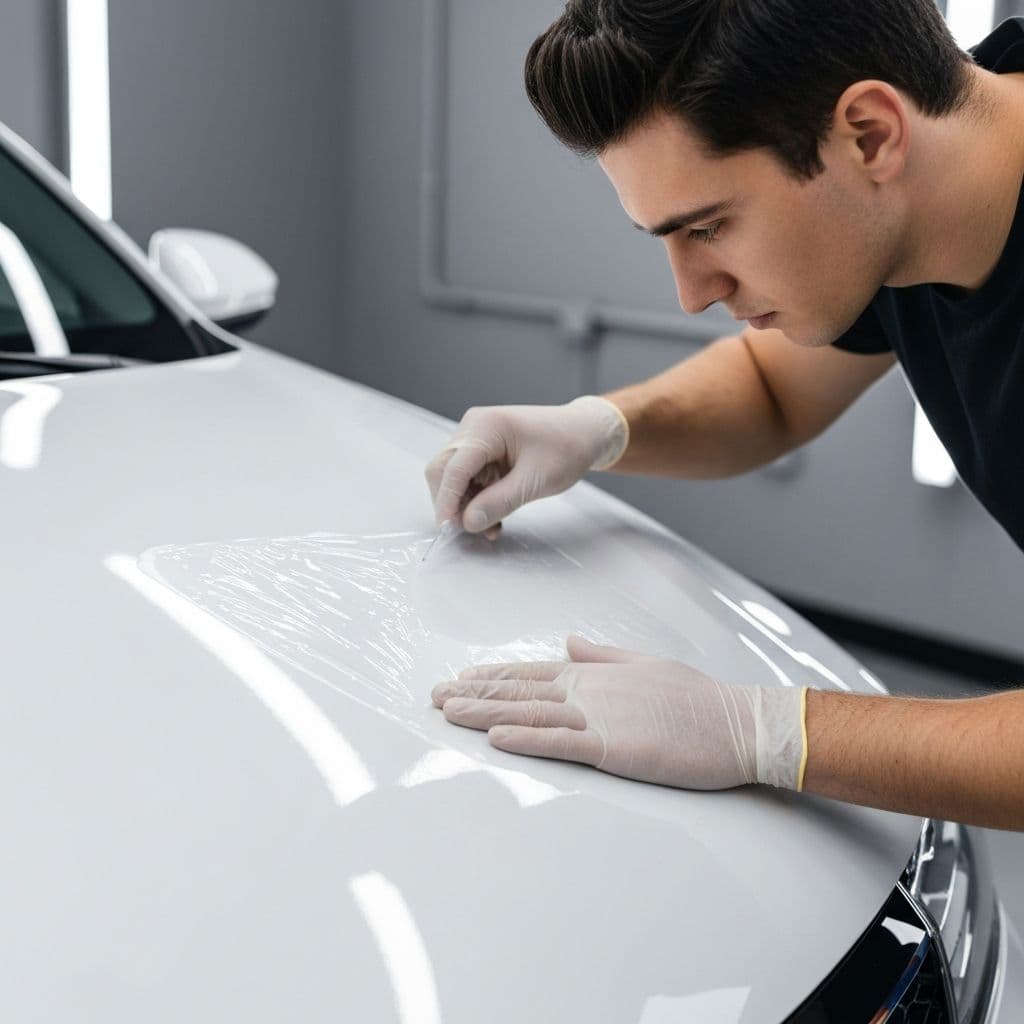
Many B2B buyers search for LLumar PPF, LLumar Valor, and comparisons like LLumar vs XPEL when what they really need is a sourcing framework: how to evaluate films, programs, pricing, and alternatives in a way that protects margin and customer relationships.
1. LLumar PPF: what B2B buyers are really trying to figure out
This page is written for distributors, installers, OEM buyers, and private label teams who are researching LLumar PPF, asking about LLumar PPF price, and deciding whether to add a LLumar alternative or factory-direct line into their program.
Merchant buyers considering LLumar PPF are usually not chasing a single “best film.” They are trying to secure:
- Repeatable installs that do not change from batch to batch
- Low rework rates so bays stay productive
- Clean warranty handling when something fails in the field
- Stable supply so they can replenish PPF rolls without disruption[1]
Those needs show up in searches like:
- “llumar ppf distributor” or “ppf wholesale” when shops want cleaner supply paths
- “llumar alternative” when a buyer wants more margin control or different program terms
- “llumar ppf price” when they are pressure-tested on quotes and need a rational way to price jobs[1][4]
For awareness-stage research like this, the most useful next step is comparing samples, technical data, and quote workflows from different suppliers instead of declaring that one logo always wins.
2. What LLumar PPF usually means in the market, including LLumar Valor
LLumar is a long-established automotive film brand with paint protection films offered under Eastman Performance Films and sold through a dealer and distributor network.[1]
When buyers search for LLumar PPF, they are usually referring to this branded portfolio, which includes multiple PPF tiers aimed at different budgets and driving conditions, distributed through authorized channels.[1]
Within that portfolio, LLumar Valor is widely presented in installer and brand content as a high-end reference point. LLumar’s own materials describe Valor as “our best” paint protection film with self-healing protection and an ultra-slick surface that helps shed dirt.[3]
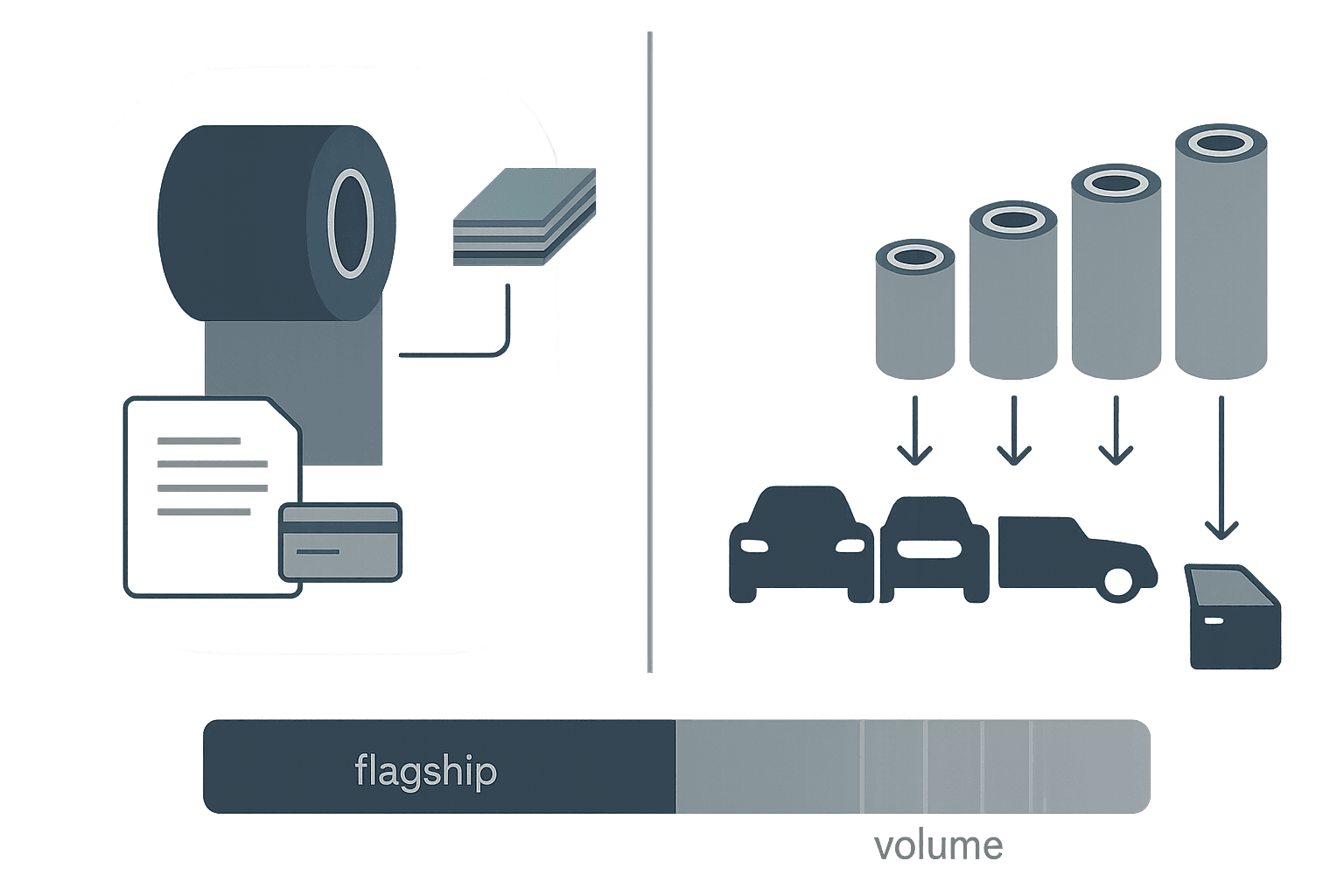
For B2B readers, this typically translates into three decision areas:
1. Clear PPF baseline Most shops start with clear gloss PPF as their volume line, then layer on premium or specialty variants.
2. Premium / flagship tier Films like LLumar Valor often serve as the flagship upsell for customers who care about appearance and easier cleaning and are willing to pay more.
3. Adjacent film categories Once clear PPF is stable, many buyers also consider color PPF, window tint, or even OEM/private label programs to round out their catalog.
The key is to see Valor and other LLumar lines as part of a structured menu instead of a single product decision.
3. LLumar vs XPEL: the safe way to compare as a buyer
Searches for LLumar vs XPEL are common, and installer-facing guides often compare these brands in terms of UV protection, heat rejection, clarity, durability, hydrophobic coatings, and warranty terms.[2]
For a B2B buyer, the safest and most practical way to compare is to focus on evaluation criteria, not winner/loser claims.
What to actually compare
- Installability and consistency
How predictable is the stretch, tack, and repositioning across batches and thicknesses?
- Finish and product options
Do you have enough options (gloss, matte, possibly color) to serve your segments without overcomplicating inventory?
- Support model and channel fit
LLumar and XPEL both work heavily through dealer networks.[1][2] Decide whether you want to stay inside a branded network, build your own brand, or run a hybrid.
- Warranty evidence and workflow
Beyond marketing claims, how clearly are warranty responsibilities described? How are claims actually processed at shop level?
- Program economics
For distributors and high-volume shops, roll pricing, rebates, and marketing support matter—but only after film quality and supply reliability are verified.
Instead of asking “Is LLumar better than XPEL?”—a question that has no universal answer—B2B buyers get more value by asking:
> Which program gives us consistent installs, clear warranty pathways, and dependable replenishment at a margin that works in our market?
Big-brand comparisons are useful reference points, but they should not be treated as evidence that any lesser-known brand is equivalent, nor that one brand always outperforms the other across every use case.[2][5]
4. LLumar PPF price: what actually changes the number
Buyers searching for LLumar PPF price often want a simple chart, but real-world pricing varies widely. Installer-facing content that compares LLumar to other brands shows that even for similar “full front” packages, prices can span hundreds of dollars depending on film line and coverage.[4]
Instead of chasing a universal price, separate your thinking into retail installed pricing and wholesale/roll economics.
Retail installed LLumar PPF pricing – main drivers
Several factors influence what the end customer pays:
- Coverage scope – Partial front, full front, track package, or full body dramatically change material and labor requirements.[4]
- Film line – Using a premium line such as a flagship Valor-type film typically commands a higher price than a standard clear PPF.[3][4]
- Vehicle complexity – More panels, sharper curves, or heavily contoured bumpers take more time and skill.
- Installer labor rate – Local wages, shop reputation, and overhead levels affect your hourly cost base.
- Local market positioning – High-end markets can support higher tickets than price-sensitive areas, even for similar coverage.
PPF wholesale and bulk-buy economics
For ppf distributors, wholesalers, and shops buying by the PPF roll, different variables matter:
- Landed cost per usable square meter – Include freight, duties, and expected waste when you cut kits.
- Waste and rework rate – A film that is cheaper per roll but causes more failed installs can be more expensive in practice.
- Batch-to-batch stability – Changes in clarity, peel force, or adhesive feel can increase training and rework.
- Replenishment reliability – Stable lead times and inventory planning usually matter more over time than a tiny discount.
Key takeaway: Do not judge LLumar PPF, or any LLumar alternative, on roll price alone. Evaluate the total cost of ownership: material, labor, rework, and opportunity cost when bays are tied up fixing problems.
5. When a LLumar alternative makes sense
Many distributors and shops are loyal to LLumar for brand recognition and network benefits. But there are clear scenarios where a LLumar alternative is worth exploring.
Typical triggers include:
- Margin pressure – Your market will not support the price you need to maintain LLumar-based margins.
- Private label strategy – You want your own brand on the box instead of another global logo.
- Channel conflicts – Overlap with nearby LLumar dealers makes it hard to protect territory.
- Customization needs – You want specific widths, colors, or series that are not offered or not practical in your current program.
In these situations, buyers often look at factory-direct PPF manufacturers in China as one option among others. XPSHELL is one such China-based automotive film manufacturer focused on B2B supply for:
- Clear PPF
- Color PPF
- Automotive window tint
- OEM and private label programs
The right way to position any LLumar alternative is not as a counterfeit or “same as” replacement. Instead, frame it around program fit:
- Does it give you better margin structure?
- Does it support your private label or OEM requirements?
- Can the supplier back this with samples, technical review, and credible supply planning?
6. How to evaluate a PPF roll, PPF bulk buy, or PPF wholesale supplier
If you are considering PPF wholesale, testing a PPF roll from a new supplier, or negotiating as a PPF distributor, you need a simple but rigorous checklist.
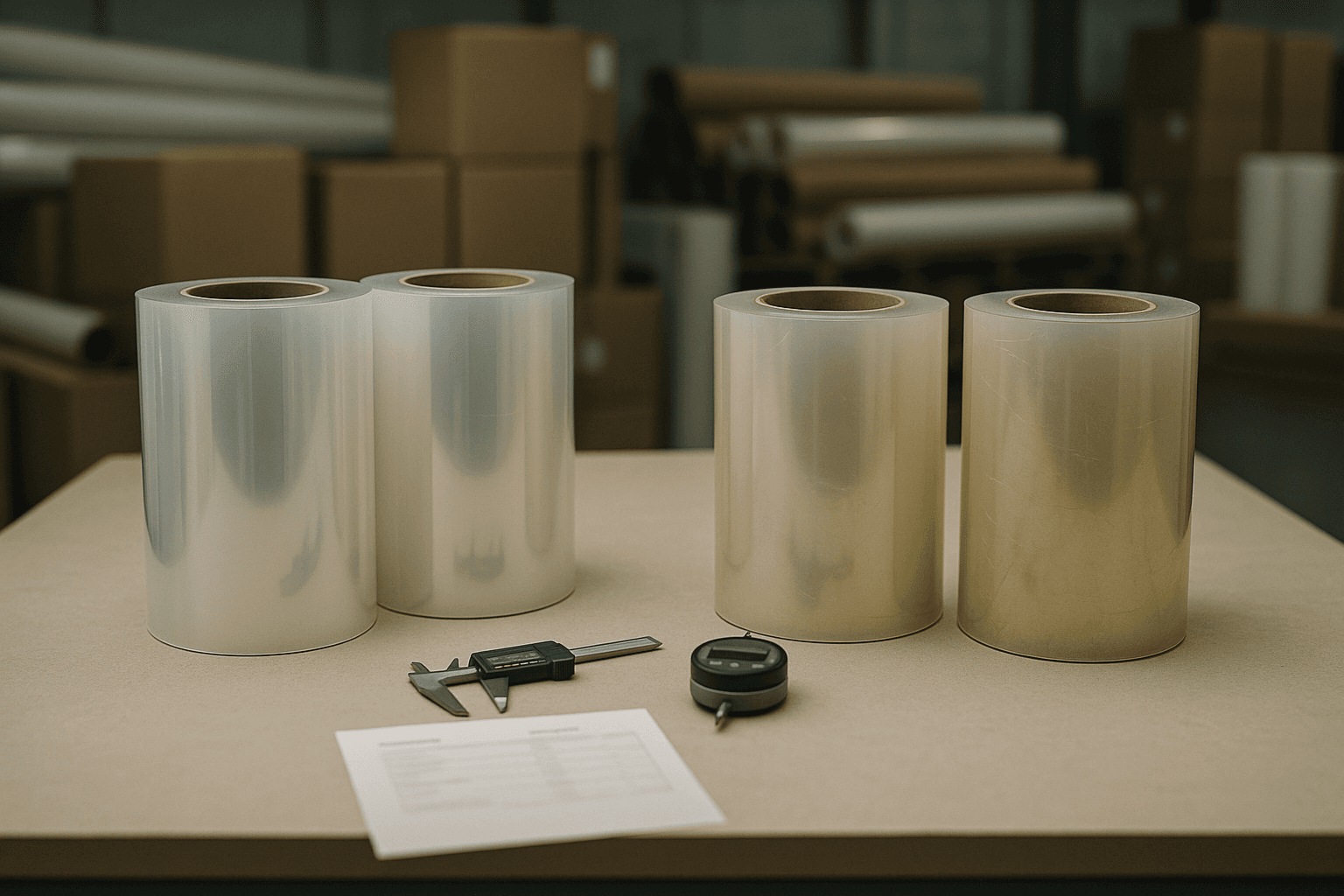
Core checks before committing to bulk buy
Use this matrix as a starting point when you evaluate LLumar, LLumar alternatives, or any factory-direct brand.
| Checkpoint | What to Ask For | Why It Matters for B2B Buyers |
|---|---|---|
| Batch consistency | Multiple rolls from different batches | Reduces surprise changes in tack, stretch, or clarity |
| Sample testing | Test rolls or panel-size sheets | Lets your installers feel real-world behavior |
| Technical data | Honest spec sheets and recommended use cases | Supports credible sales conversations |
| Warranty evidence | Written terms and example claim workflow | Keeps warranty discussions clean and documented[1] |
| Repeat supply plan | Lead times, MOQ, backup stock approach | Reduces risk of stock-outs and cancelled jobs |
| Export packing and logistics | Packing photos, carton specs, shipment history | Lowers damage-in-transit and related delays |
| Communication and support | Named contacts, response standards | Makes problem-solving faster and less stressful |
Behind each of these checkpoints are the real risks distributors face:
- An unstable batch that suddenly changes install behavior
- A wave of end-customer complaints that erodes your local reputation
- A broken supply chain that leaves you without stock at peak demand
When you talk with a prospective PPF supplier, translate their claimed capabilities into buyer outcomes:
- If they mention coating lines, ask how that supports batch consistency.
- If they highlight QC, ask how it has reduced complaint rates for customers.
- If they reference lab testing, ask how it gives confidence in specs.
- If they talk about export packing, ask for data or photos that show safe arrivals.
Treat every PPF bulk buy like a long-term partnership decision, not just a one-time discount.
7. Next steps for distributors, installers, OEM and private label teams
Once you have researched LLumar PPF, Valor, pricing, and alternatives, the most productive next step is to get hands on with film and data.
For distributors and PPF wholesale buyers
- Request a sample pack of PPF rolls across the key series you are considering.
- Ask for distributor or wholesale price lists, including volume breaks and payment terms.
- Clarify replenishment expectations: standard lead times, minimum order quantities, and backup stock.
For installers and shop owners
- Test sample film on real jobs or internal vehicles to compare install feel, clarity, and edge behavior against your current LLumar or other brand line.
- Review warranty handling evidence: what documentation is needed, and how claims are processed.
- Compare training and technical support between your current brand, LLumar alternatives, and any factory-direct options.
For OEM buyers and private label teams
- Ask potential suppliers how they support custom branding, packaging, and SKUs.
- Review their consistency controls and how they manage versions or formulation updates.
- Walk through a quote workflow that includes sample evaluation, tooling or artwork steps, and forecast-based supply planning.
If you want to explore how a factory-direct program like XPSHELL could sit alongside LLumar—or serve as a separate private label or OEM line—the next step is to request samples, technical data, and preliminary distributor or OEM pricing through the contact channels on:
- /products – for an overview of available PPF, color PPF, and tint lines
- /products/paint-protection-film – for PPF-specific options and specs
- /contact – to request film samples, catalogs, and B2B pricing discussions
Frequently Asked Questions
Is LLumar Valor considered a premium LLumar PPF line?
Market and brand-facing content present LLumar Valor as LLumar’s top paint protection film. LLumar’s own description refers to Valor as “our best” PPF and highlights its self-healing protection combined with an ultra-slick surface that sheds dirt.[3] For B2B buyers, this means Valor is usually treated as a flagship or premium tier within a broader LLumar PPF portfolio, suitable for customers who value appearance and maintenance ease and are willing to pay more.
What most affects LLumar PPF price for end customers?
End-customer pricing for LLumar PPF is driven mainly by coverage scope, film line, vehicle complexity, labor rate, and local market positioning.[4] A full-front package on a simple bumper with a standard clear line may fall at the lower end of the range, while a complex vehicle with a premium line and high-end shop can be much higher. Available installer comparisons show that even for similar “full front” coverage, LLumar packages can span hundreds of dollars, underscoring that there is no single universal price.[4]
What should a distributor verify before buying wholesale PPF or a PPF roll?
Before committing to PPF wholesale, a distributor should verify batch consistency, install tests, technical data, written warranty terms and claim workflow, repeat supply planning, and export packing quality. Sampling across multiple batches and confirming how the supplier handles changes, complaints, and replenishment helps reduce the risk of unstable film behavior and stock-outs later. These same checks apply whether the film is LLumar, a LLumar alternative, or a factory-direct private label line.[1]
When is a factory-direct LLumar alternative a good fit?
A factory-direct LLumar alternative can be a good fit when you need stronger margins, custom branding, or more flexible product configurations than you can achieve inside a single branded network. This may apply if you are building multi-shop or multi-country distribution, launching a private label, or serving fleets where brand name matters less than performance and consistency. In these cases, the right approach is to treat factory-direct suppliers as complementary programs: test samples, evaluate warranty evidence, and run pilot installs before deciding how much volume to shift.