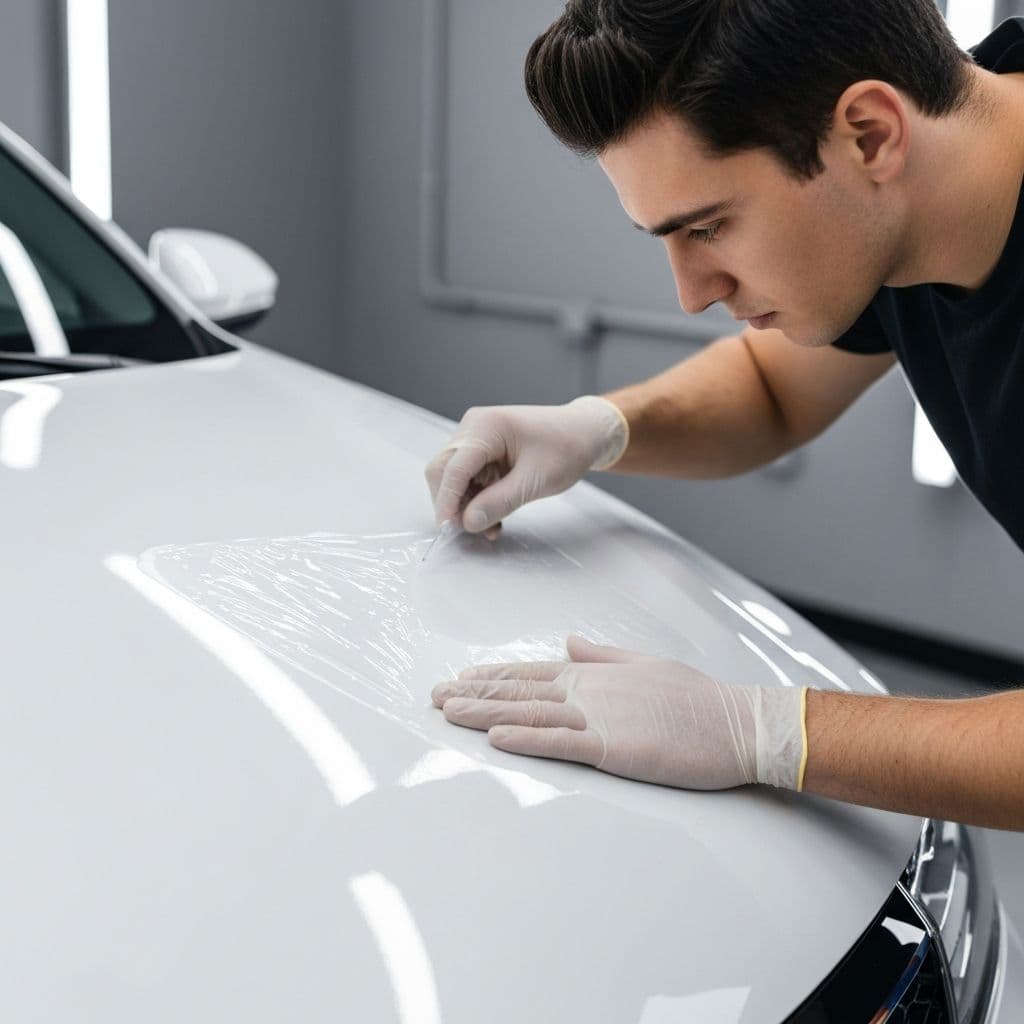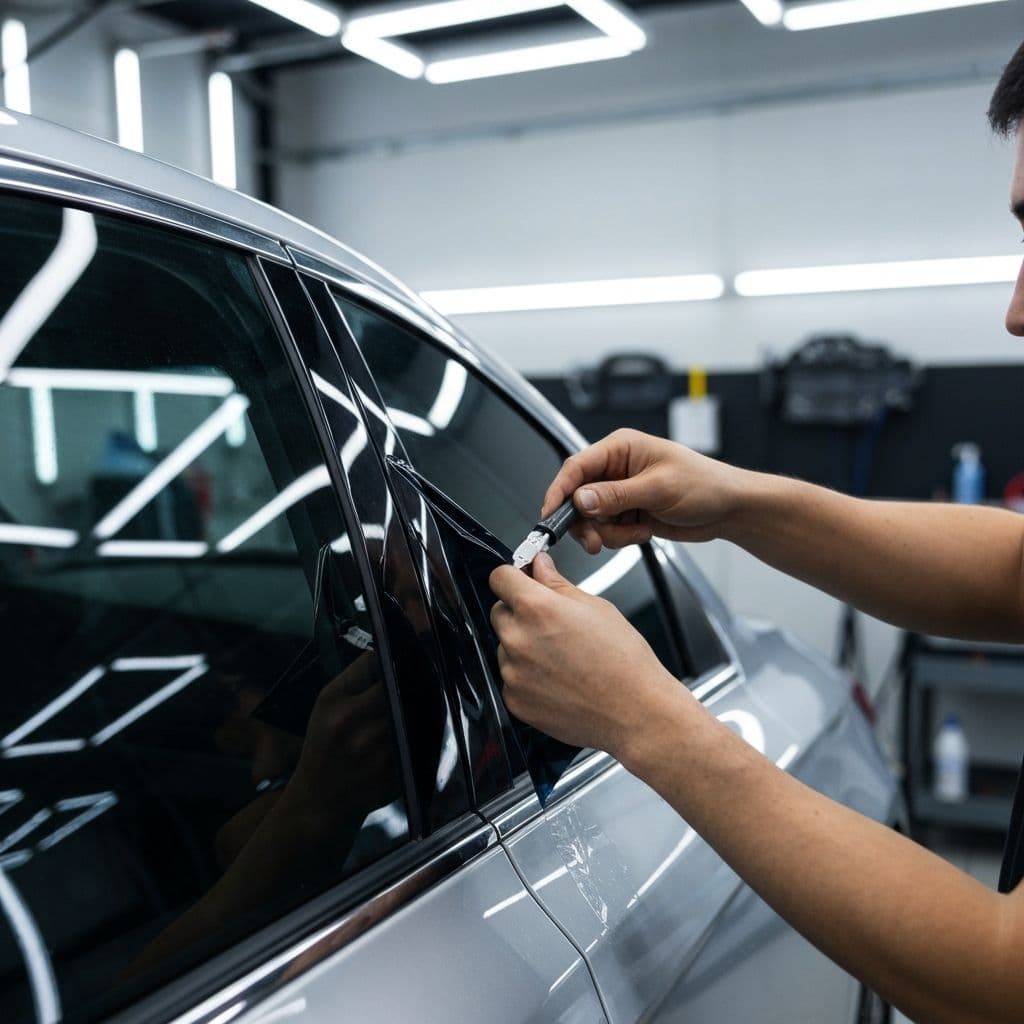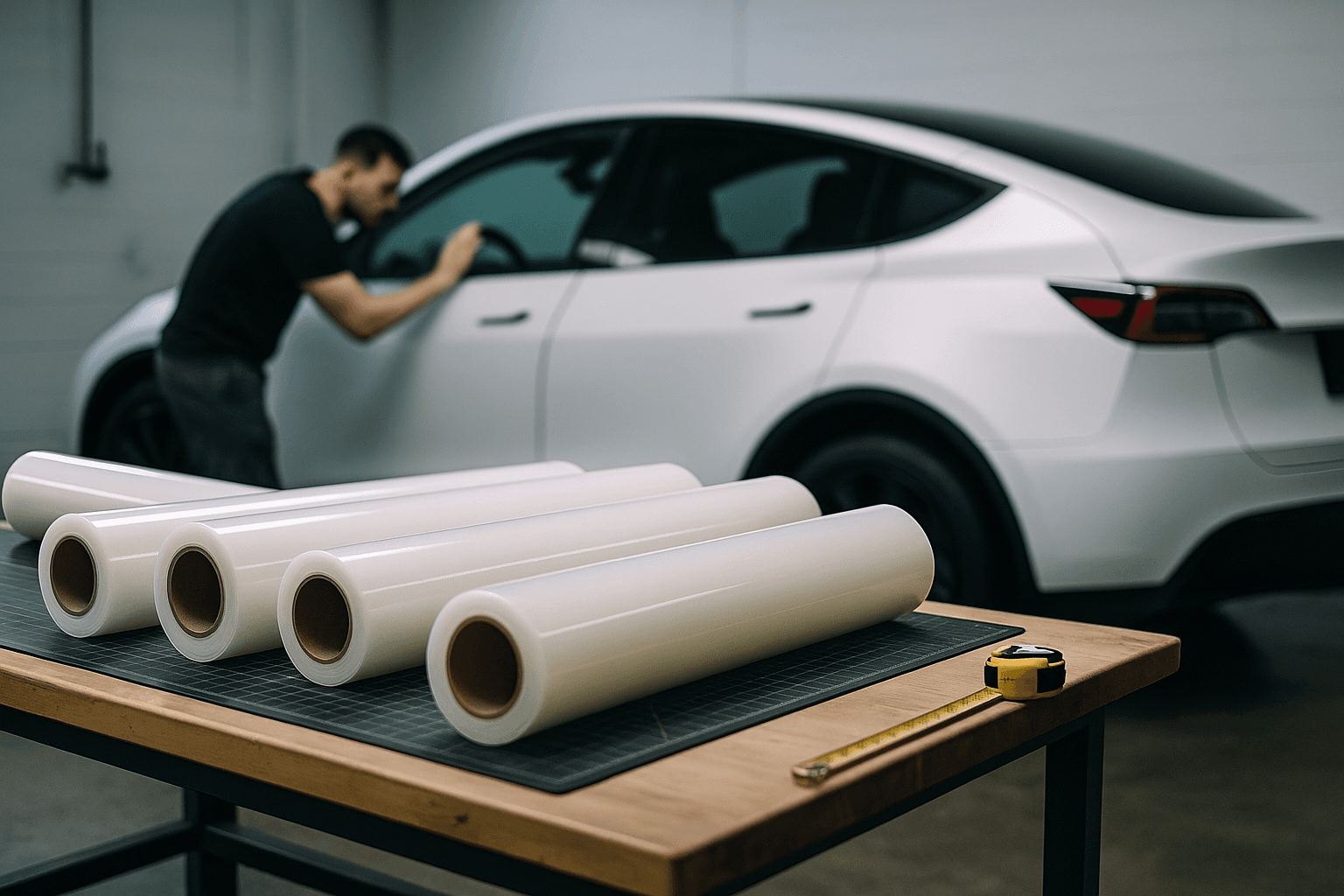
Tesla paint has become a hot topic with both owners and the trade. When words like Tesla paint, Tesla defect, PPF Tesla, and PPF wholesale show up in the same search, it usually means a B2B buyer is trying to translate owner anxiety into a stable, profitable paint protection film program.
This article is written for PPF distributors, installers, OEM buyers, and private label teams who want to understand Tesla-driven demand and how factory-direct sourcing from a China-based automotive film manufacturer like XPSHELL can fit into their portfolio.
1. Tesla paint concerns are creating steady B2B demand for PPF
When you see queries that combine Tesla paint, Tesla defect, and PPF B2B, the signal is clear: Tesla owners are worried about how their paint will age, and commercial buyers are looking for dependable PPF supply to capture that demand.
Specialist studios report wrapping the Tesla Model Y extremely frequently, often mentioning that they work on a Model Y practically every week.[1] That kind of volume is exactly what distributors and installers look for when planning inventory and wholesale programs.
For this audience, the right next step is not DIY installation advice. It is:
- Mapping Tesla-related traffic into specific PPF SKUs and roll sizes
- Evaluating factory-direct suppliers for batch consistency and repeat supply
- Building clear packages and pricing logic for Model Y and Model 3 customers
Throughout this article, we will focus on how demand translates into stocking, supplier evaluation, and program design, not how to install PPF on a specific panel.
2. What buyer problem this mixed search really reveals
If you run a shop, distribute PPF rolls, or purchase for an OEM/private label brand, a search like “Tesla paint, Tesla defect, PPF wholesale” is a symptom of a deeper business problem:
- You know Tesla paint is a talking point, but you do not want to over-promise or rely on unverified defect claims.
- You see strong Tesla traffic in your region, but you are unsure how much inventory to commit to Tesla-heavy SKUs.
- You may be tied to a single big-brand PPF supplier, and you want to explore factory-direct alternatives without risking your reputation.
From the B2B side, the core risks are less about whether PPF works and more about:
- Unstable batches that install differently from roll to roll
- Failed sample testing that costs labor time and erodes installer trust
- Disrupted replenishment, forcing you to re-quote or delay customer jobs
Wholesale buyers evaluating alternatives to familiar names care about four things above all:
- Can I test samples realistically before I commit?
- Can this supplier support healthy margins at my volume?
- Do they allow customization and private label where I need it?
- Is repeat supply predictable so I can protect my local relationships?
XPSHELL’s role in this context is to address these questions for distributors, installers, OEM buyers, and private label programs in a factory-direct, China-based model.
3. Why Tesla Model Y and Tesla Model 3 matter most in Tesla PPF planning
In the Tesla ecosystem, not every model carries the same commercial weight for PPF programs. For most B2B buyers, Tesla Model Y and Tesla Model 3 are the primary demand engines you should plan around.
3.1 Tesla Model Y: the EV that keeps showing up in your schedule
Installer-facing content frequently notes that Model Y wraps are a routine part of shop life, with some studios reporting that they wrap a Model Y almost every week.[1] At the retail level, multiple vendors now offer dedicated 2026+ Model Y (Juniper) PPF kits, including full vehicle clear, full vehicle matte, front bumper, rear bumper, and performance front-end packages.[2][3]
For a distributor or installer, that means:
- Consistent base demand for front-end and high-impact area coverage
- Growing sub-demand for matte and color finishes on newer Model Y facelifts
- Repeat work tied to new model-year refreshes (e.g., Juniper front-end changes)
You do not need model-specific DIY guidance to act on this. You need a reliable supply of:
- 60" clear PPF rolls for full fronts and full-body work
- Select matte PPF SKUs for full-body conversions and texture changes
- Possibly pre-cut kit partnerships or in-house cutting for high-volume patterns
3.2 Tesla Model 3: core sedan volume and color PPF upsell
On the sedan side, the Tesla Model 3 continues to generate meaningful PPF activity, especially with the refreshed Model 3 (often referred to as Highland). Vendors now offer full-body color-infused PPF kits for Model 3 in hundreds of color options, which combine both protection and a full color change.[4]
Commercially, Model 3 gives you:
- Steady clear PPF demand from owners focused on preserving factory paint
- High-margin color PPF upsell for customers who want a different appearance without repainting
- A clear opportunity to differentiate your shop or distribution line-up with color-infused films
3.3 Translate Tesla demand into stocking guidance, not DIY advice
For B2B readers, the Tesla angle should inform inventory strategy, not step-by-step install instructions.
A simple, Tesla-focused stocking logic could be:
- Treat Model Y as your SUV volume anchor: prioritize clear front-end and full-body packages, plus a few matte SKUs for higher-end customers.
- Treat Model 3 as your sedan anchor: cover clear protection first, then selectively add color PPF SKUs that match your market’s appetite.
- Allocate PPF rolls and kit capacity based on how many Tesla jobs you realistically see per month, not just how loud online conversations are.
4. Which product line actually fits Tesla-related demand?
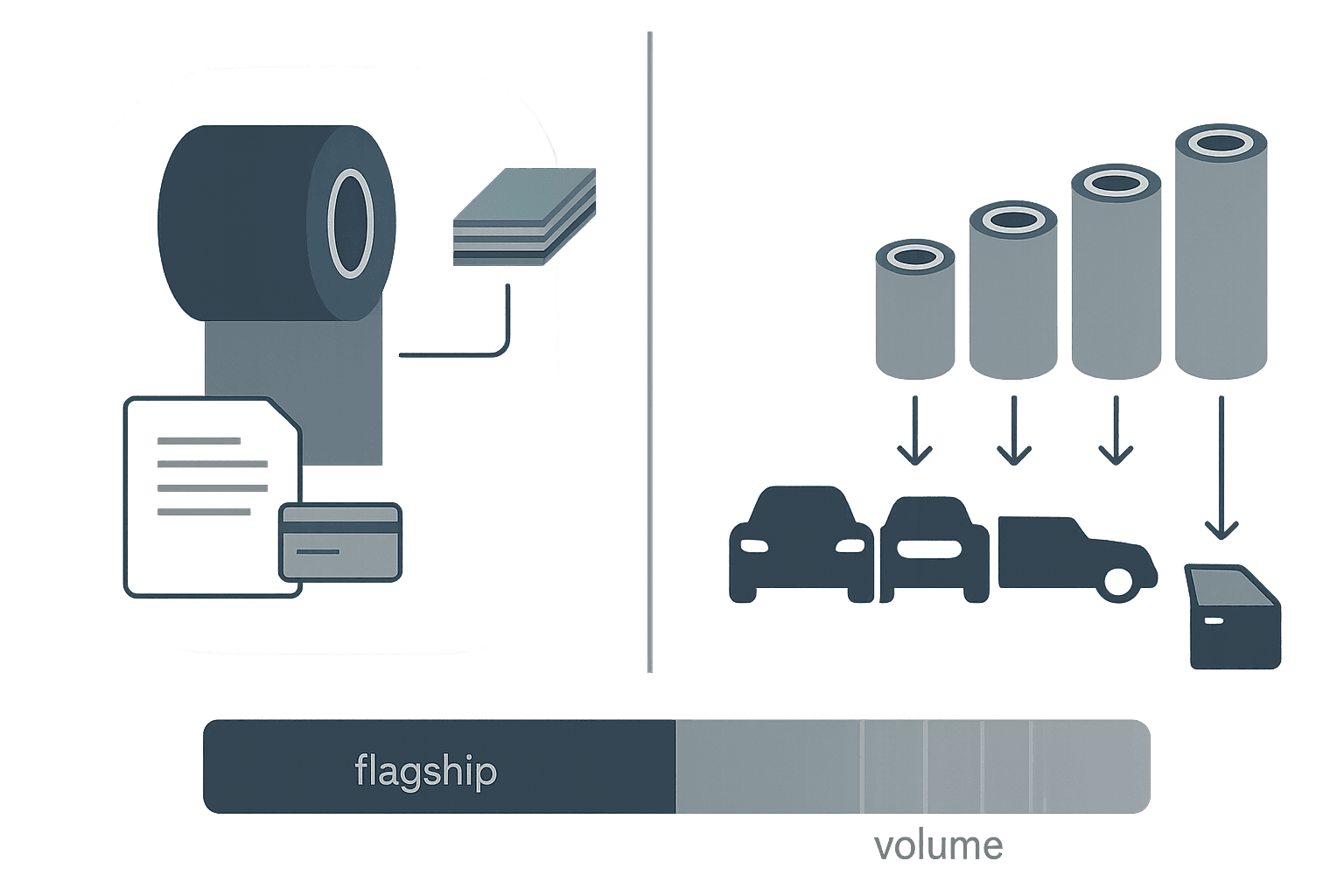
For a manufacturer like XPSHELL, Tesla-related searches split naturally across four product directions:
1. Clear PPF (core) 2. Color / matte PPF (upsell and styling) 3. OEM or dealer-fit PPF programs 4. Private label PPF for brands that want full control
4.1 Clear PPF: the default choice for Tesla paint protection
Clear PPF is still the primary fit for Tesla owners whose main concern is paint preservation rather than restyling.
Buyer outcomes to emphasize:
- Impact and chip resistance on front bumpers, hoods, fenders, and rockers
- Optical clarity so Tesla paint color and metallics remain visible
- Self-healing and hydrophobic top-coat options for easier washing and fewer swirl marks
From a B2B standpoint, clear PPF should be your baseline inventory for:
- Model Y front-end coverage and track-oriented packages
- Model 3 partial or full-front protection
- General EV and crossover demand beyond Tesla
4.2 Color and matte PPF: Tesla-focused customization and margin
Matte and color PPF have become headline options for Tesla owners, especially around newer Model Y and Model 3 variants.[1][4] Some vendors offer 300+ colors of premium PPF specifically for Model 3, as full-body color-change kits.[4]
For distributors and installers, color and matte films:
- Create higher ticket invoices on the same car platform
- Help your shop stand out in Tesla-heavy markets
- Justify stocking a lean but well-chosen range of colors, not a warehouse full of every shade
When framing product lines for Tesla:
- Make clear PPF your “coverage for everyone” option
- Present matte PPF as a “stealth” or “satin” finish for design-focused customers
- Position color PPF as a “protection + color change” package, not just cosmetic wrapping
4.3 OEM and dealer/OEM-adjacent programs
For OEM buyers or dealer accessory managers, Tesla paint conversations highlight a broader opportunity: factory or port-installed protection programs for EVs in general.
A manufacturer like XPSHELL can support this through:
- Consistent roll production aligned with OEM volume forecasts
- Specification-driven development (thickness, gloss, orange peel level, top-coat chemistry)
- Custom cut-program support, working with pattern houses or in-house design
The key is to connect each technical capability to outcomes OEMs care about: fewer paint-related claims, more predictable accessory revenue, and less friction at the dealer level.
4.4 Private label PPF for Tesla-focused brands
If you operate a Tesla-centric detailing or accessories brand, private label PPF may be the right route.
A private label program with XPSHELL can help you:
- Own the brand on box, liner logo, and marketing materials
- Design Tesla-specific kit assortments under your label
- Build long-term margin and brand equity instead of only reselling big names
In all cases, the discussion should remain practical and evidence-based—no exaggerated Tesla defect or “perfect film” narratives.
5. What factory direct should really mean in B2B PPF sourcing
“Factory direct” is often used loosely. For a B2B buyer, it only matters if it clearly improves business outcomes.
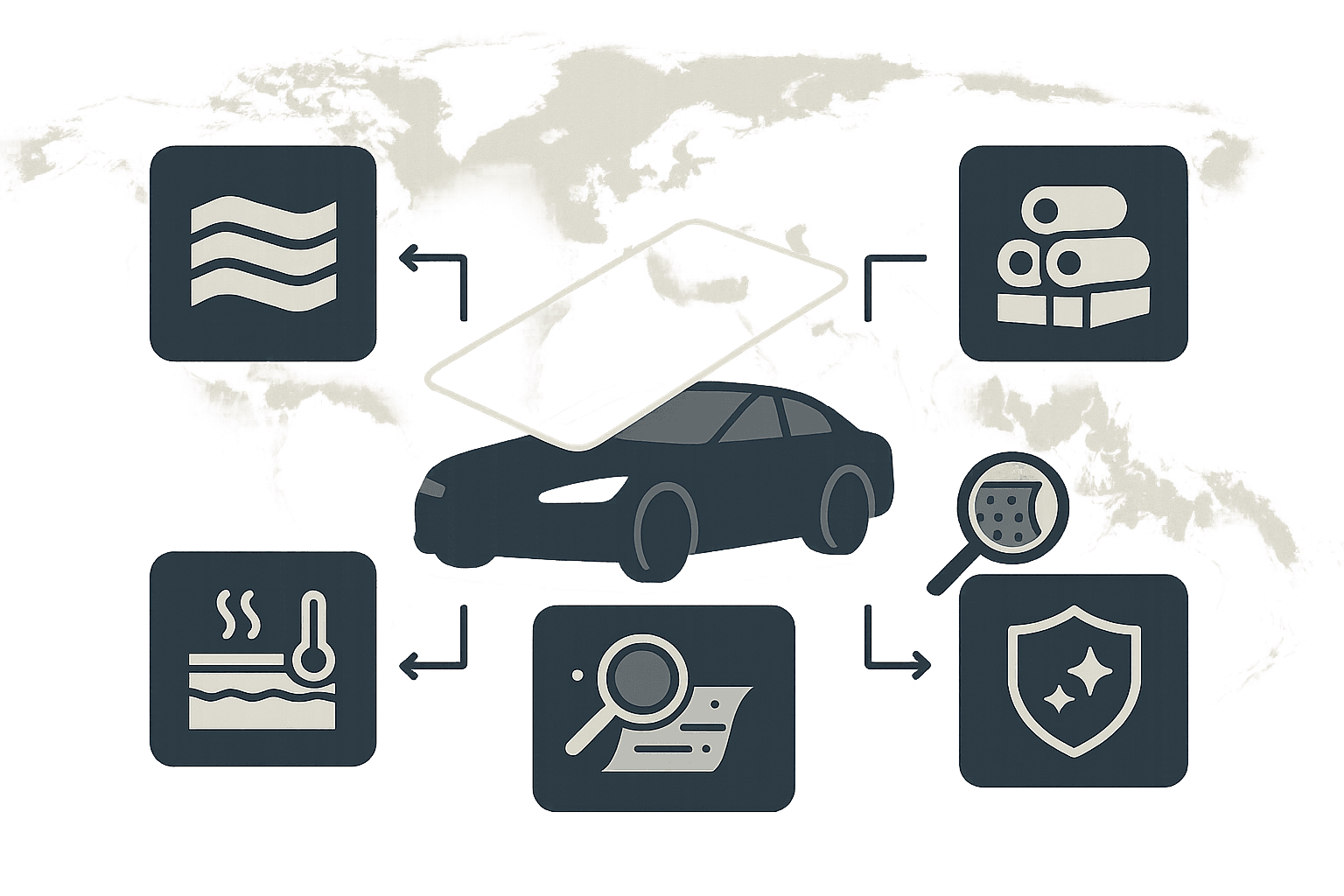
A China-based automotive film manufacturer like XPSHELL should tie every capability to a concrete result for you:
- Coating and curing control → batch consistency across rolls and shipments
- Defined QC process → fewer field complaints and warranty headaches
- In-house lab testing → better spec confidence, so you can sell on facts, not guesses
- Export-focused packing and logistics → safer arrivals and less damaged inventory
From your side, factory direct should deliver:
- Margin control versus pure redistribution models
- Customization options (logo, box, spec tweaks, private label)
- Flexible quoting for containers, mixed pallets, or regional distribution
What it does not guarantee on its own is “best quality.” Quality comes from process, testing, and stability, which you need to verify through sample evaluation and early orders.
6. How to evaluate a PPF wholesale supplier before switching programs
Whether you are comparing XPSHELL with a current film brand or exploring a new line, supplier evaluation should be systematic. Many installer and wholesale guides emphasize long-term value and consistency, rather than just headline specs.[5]
A practical PPF supplier evaluation matrix might look like this:
| Criterion | What to Check |
|---|---|
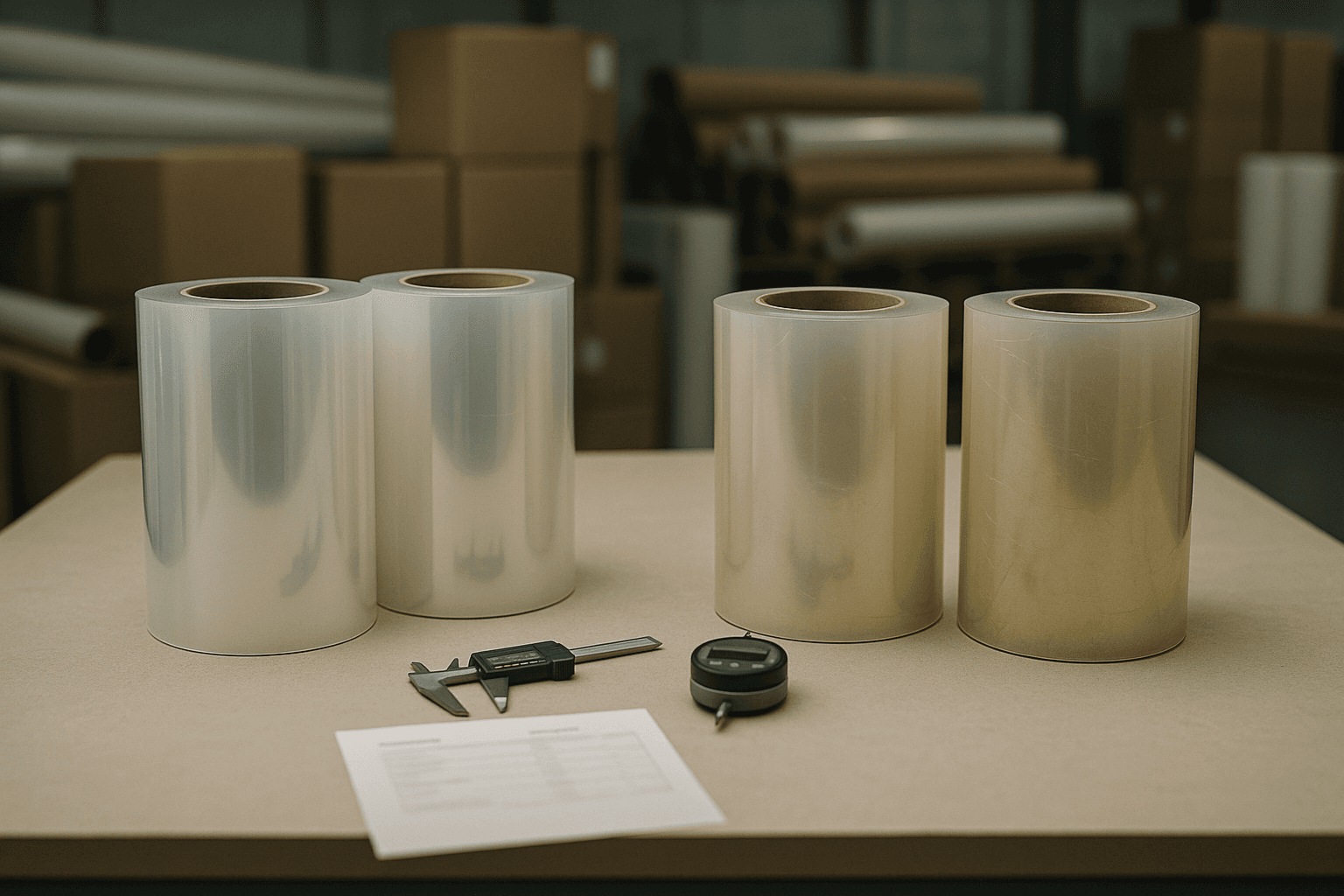
| Batch consistency | Test multiple rolls from the same batch; compare gloss, texture, and handling between rolls. |
| Adhesive behavior | Observe initial tack, repositioning window, and edge sealing on test panels. |
| Top-coat performance | Check self-healing response to light swirls and basic hydrophobic behavior after washing. |
| Install handling | Note stretch tolerance, recovery, and tendency to mark or mar during squeegeeing. |
| Warranty evidence | Request written warranty terms and example claim handling workflows. |
| Technical documentation | Review spec sheets (thickness, composition, UV resistance) for clarity and realism. |
| Repeat supply | Ask about production planning, lead times, and re-order processes for your region. |
| Export packing | Evaluate core size, roll protection, and outer packaging on sample shipments. |
When you run pilot tests, focus on real-world installer experience, not just marketing bullets. At a minimum, a sample program should let you:
- Install at least one full front end and a few high-impact panels
- Observe film behavior after heat cycling and washing
- Compare two or three batches to check for consistency drift
Make sure any claims about self-healing, hydrophobic performance, or longevity are backed by:
- Samples you have personally tested
- Transparent warranty documents
- Clear technical sheets rather than vague “premium” language
7. Positioning XPSHELL against big-brand alternatives safely
Many buyers come to factory-direct options while already familiar with major PPF brands. It is reasonable to compare programs, but the comparison needs to stay legal-safe and honest.
With XPSHELL, the right framing is:
- A China-based automotive film manufacturer offering PPF, color PPF, and window tint
- A B2B-focused program intended for distributors, dealers, OEM buyers, and private label customers
- An alternative supply option for buyers comparing samples, margins, customization, and replenishment reliability
What XPSHELL should not claim:
- Being an official partner of any major brand
- Being a counterfeit or replica of another film
- Being “identical to” or “the same as” a specific competitor
Instead, the conversation should focus on:
- How the film actually handles and looks in your tests
- Whether the economics (pricing, lead times, support) work for your volume
- How the private label or customization options help your long-term strategy
8. Next steps for distributors, installers, OEM buyers, and private label teams
If Tesla paint concerns are visible in your market and you are seeing more Tesla Model Y and Tesla Model 3 bookings, the most productive next step is a structured evaluation rather than an immediate full-line switch.
For B2B buyers considering XPSHELL as a factory-direct China PPF manufacturer, a practical sequence is:
- Request a PPF sample kit tuned to Tesla-like use cases (front-end, high-impact areas).
- Ask for spec sheets on clear, matte, and color PPF, plus any relevant window tint lines.
- Review batch consistency by testing more than one roll or sample set.
- Discuss distributor or OEM/private label pricing, including container or mixed-pallet options.
You can start that process by:
- Browsing the current film lines on /products
- Reviewing PPF-specific options on /products/paint-protection-film
- Opening a direct conversation via /contact to define sample needs, target SKUs, and timelines
The goal at this stage is evidence, not commitment: get film in your hands, validate it on your own install bays, and only then make portfolio decisions.
Frequently Asked Questions
How do Tesla paint concerns translate into real PPF demand for my business?
Tesla owners frequently discuss paint quality and protection, and specialist shops report wrapping Model Y vehicles on a very regular basis.[1] In practice, that means a steady pipeline of Tesla customers asking for front-end or full-body coverage. For your business, the opportunity is to ensure you have reliable PPF supply, clear package pricing, and a simple story that connects protection with long-term appearance and value.
Should I focus more inventory on Tesla Model Y or Tesla Model 3?
Both models matter, but in many markets the Model Y has become a key volume driver, with dedicated pre-cut kits and multiple full-vehicle options offered by retailers.[1][2][3] The Model 3 adds a strong color PPF and styling upsell, with full-body color-infused kits available for recent versions.[4] As a rule of thumb, prioritize clear PPF and a few matte options for Model Y demand, and add select color and matte SKUs for Model 3 customers where your local market supports it.
What is the safest way to trial a factory-direct PPF supplier like XPSHELL?
Start with controlled sample testing instead of a full-line switch. Request rolls or test panels for clear and matte films, install them on a few vehicles (ideally including a Tesla front end), and monitor handling, appearance, and customer feedback over several weeks. Evaluate batch consistency, warranty documentation, and replenishment responsiveness. Once those checks are satisfactory, you can gradually ramp into broader stocking, distribution, or private label programs.