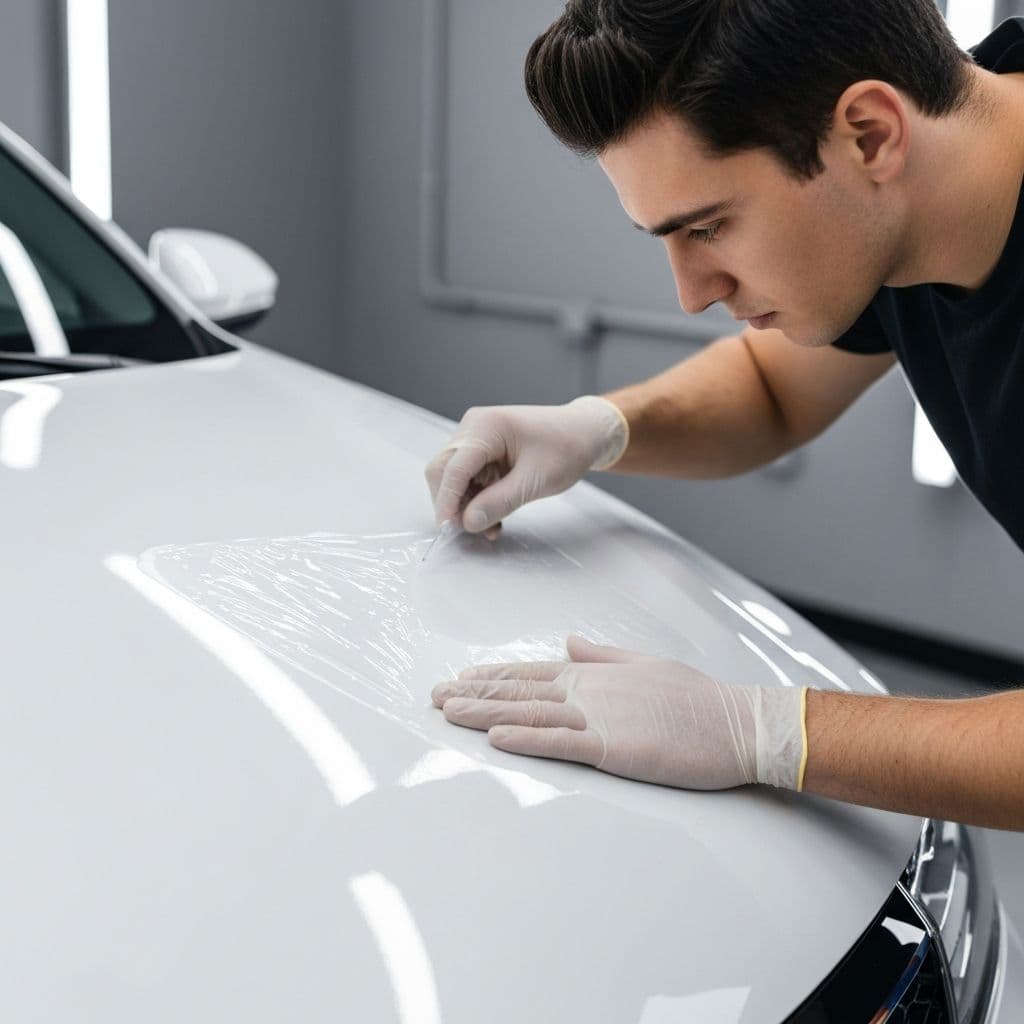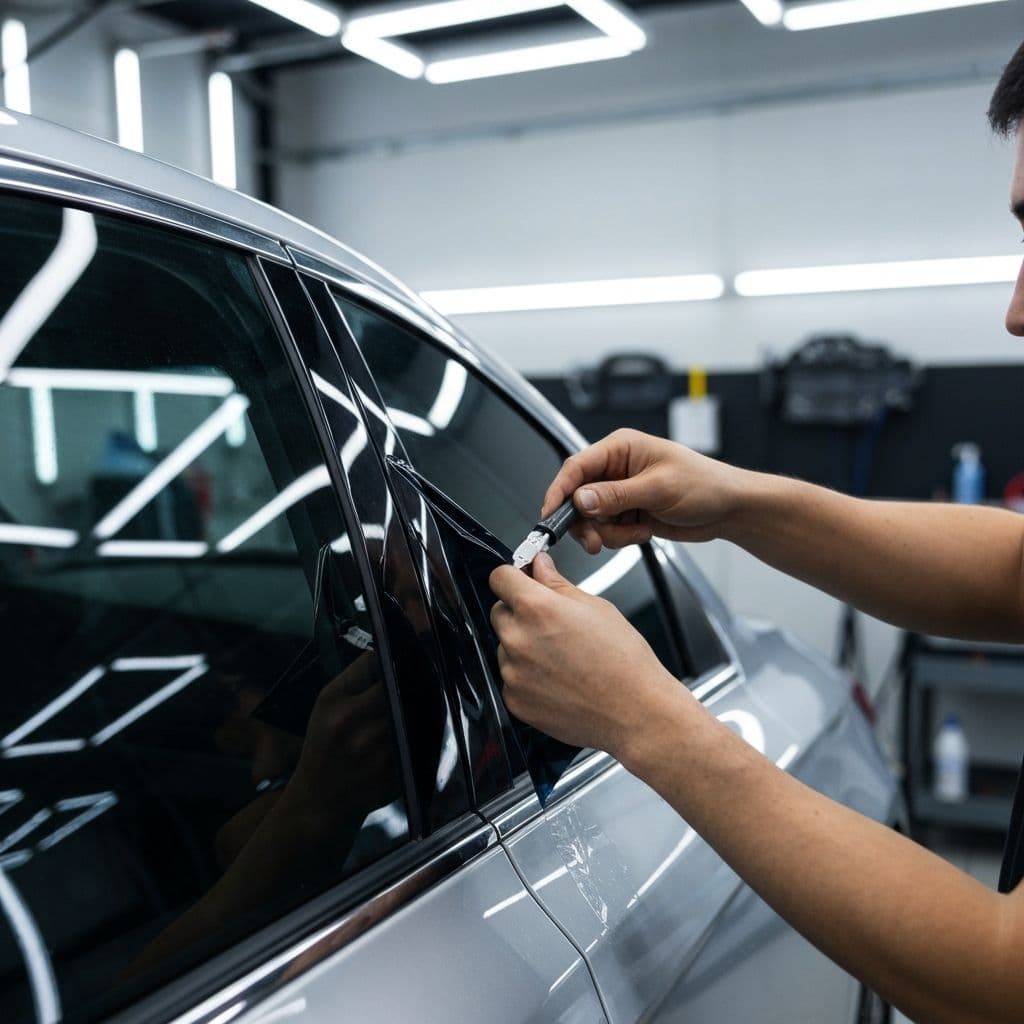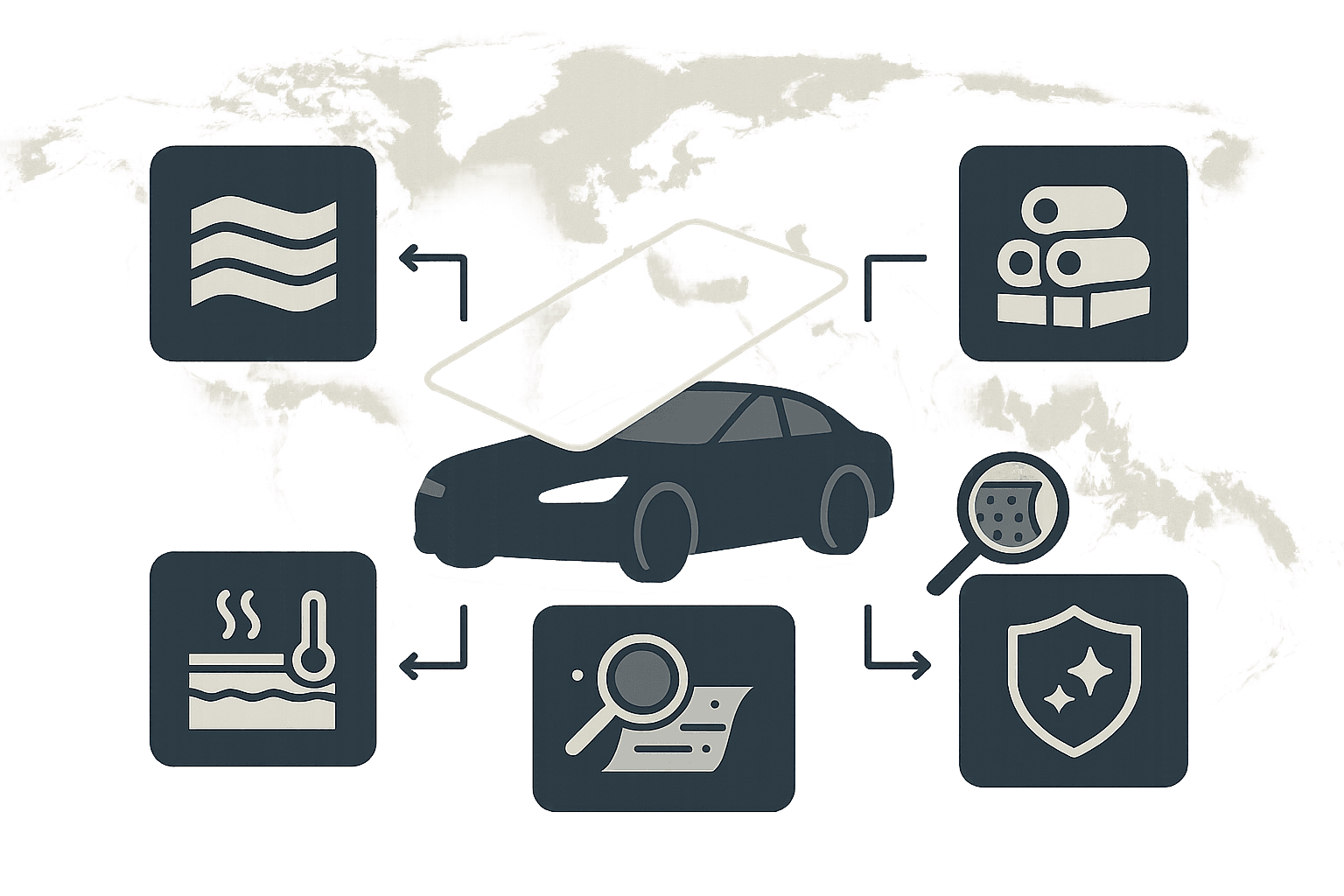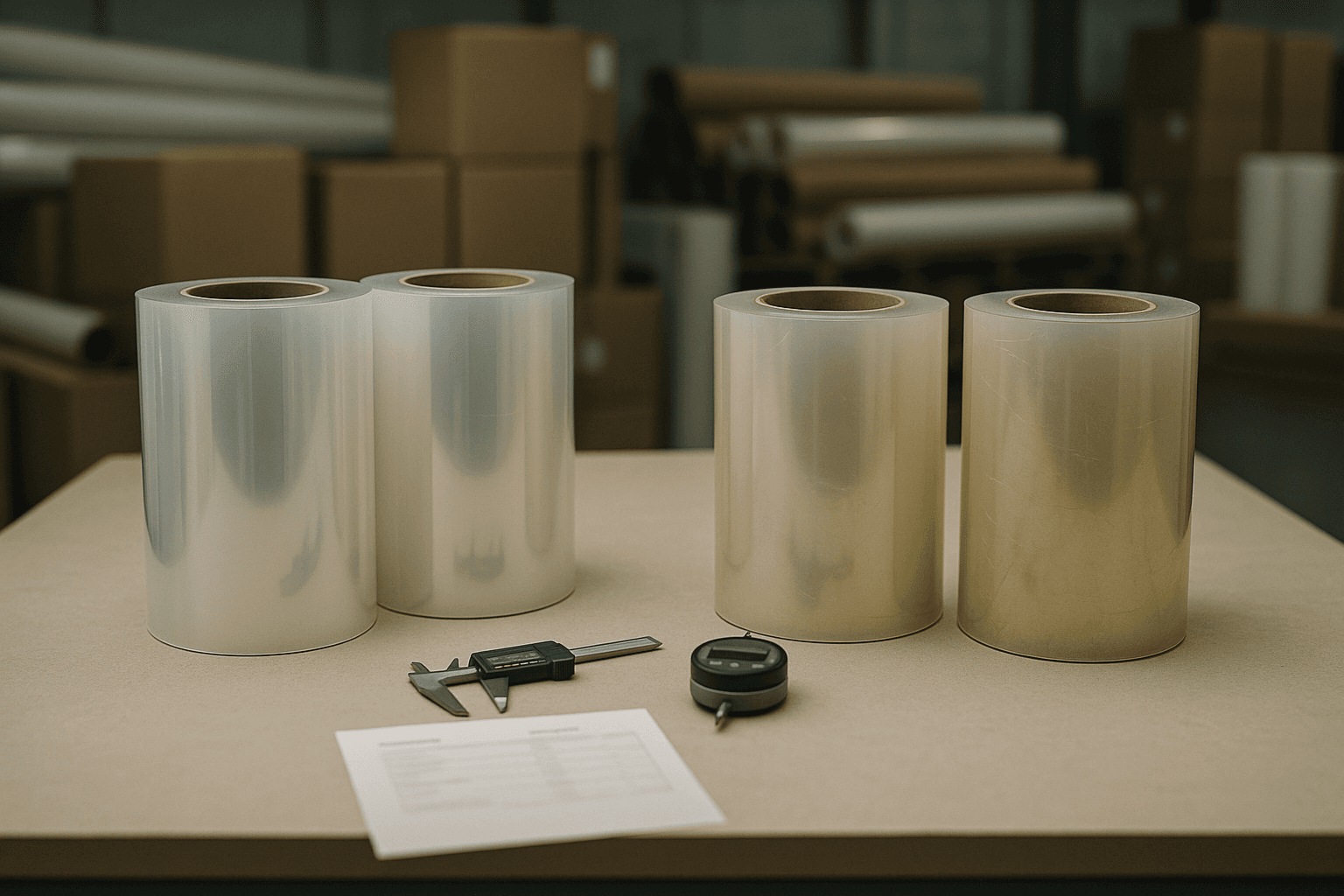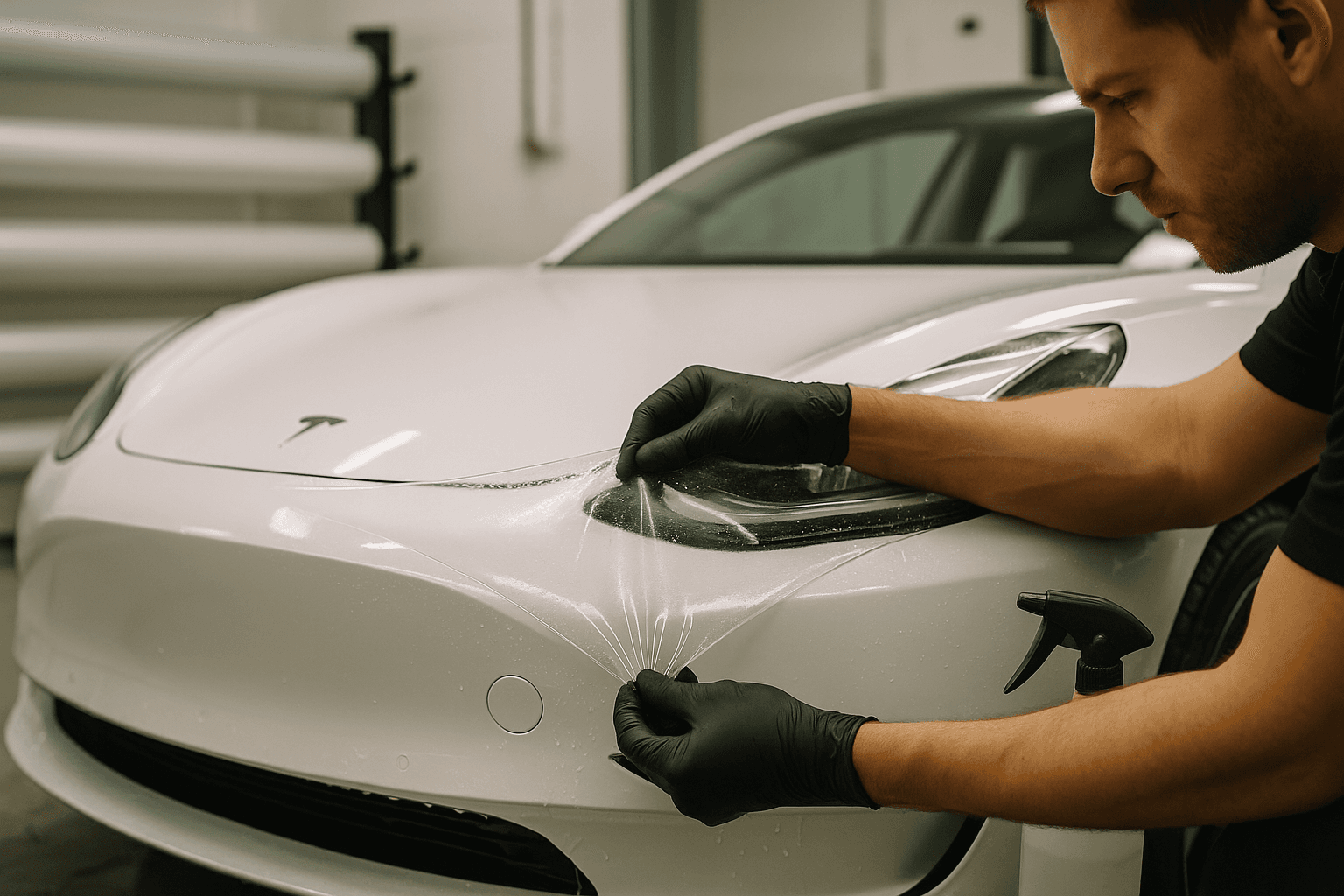
Tesla drivers talk constantly about rock chips, front bumper rash, and hazy headlights. For B2B buyers in the film market, that chatter translates into repeat demand for paint protection film and window film programs that are tuned specifically to Tesla use-cases, not generic passenger cars.
Who This Guide Is For (and Why Tesla Matters)
This article is written for PPF distributors, installers, OEM buyers, and private label teams who want to win more of the fast-growing Tesla segment while protecting their margins and reputation.
The core buyer problems behind searches like “tesla scratch”, “tesla bumper”, and “tesla headlight” are:
- Tesla’s relatively soft, eco-friendly paint and large painted bumpers are easy to chip and scratch.
- Headlight and light bar plastics can haze or pit quickly on high-mileage cars.
- Owners are confused about PPF vs ceramic coating and price, and are comparing XPEL and STEK dealers to more value-oriented suppliers.
For B2B film buyers, these problems translate into three opportunities:
1. Stock the right clear PPF and color PPF SKUs in Tesla-heavy markets. 2. Build simple, honest PPF vs ceramic explanations into your sales process. 3. Use a stable, China-based paint protection film manufacturer like XPSHELL to secure margin and repeat supply as a big-brand alternative.
Why Teslas Scratch and Chip the Way They Do
Across recent resources and market commentary, a consistent pattern appears: Tesla’s water-based, eco-friendly paint is thinner than many legacy brands, and the vehicles feature wide, exposed surfaces at the front.
Tesla scratch patterns you should expect
Common owner complaints show up in predictable zones:
- Front bumper and low area of the hood from highway gravel and sand.
- Front fenders and rocker panels from road spray and debris.
- Door edges from close parking.
- Trunk sill and rear bumper top from loading cargo.
As a distributor or installer, that means your Tesla-specific message should focus much less on show-car gloss and more on prevention of chronic road rash in the first 10–20k miles.
Why the Tesla bumper is a PPF must-have
Recent price guides for Tesla PPF consistently list the “Full Front” package as the most popular. On most models, this covers:
- Front bumper
- Full hood
- Front fenders
- Mirror caps
Average full-front professional installs for Teslas are often in the roughly two-thousand-dollar range, with some guides citing more precise spans depending on model and region. The pricing itself is less important for you than the pattern: owners see front bumper protection as a baseline, not a luxury.
From a stocking perspective, that means:
- Prioritize 60-inch clear PPF rolls that allow full, one-piece bumper and hood coverage.
- Keep a healthy buffer of film for high-churn Tesla colors in your region.
- Make sure your installers have up-to-date Tesla cutting patterns where relevant.
Tesla headlight and light bar protection
Newer Tesla front-end designs use large lenses and light bars that sit forward in the airstream. Over time, sandblasting can cloud these lenses and create visible pitting.
For installers, headlight and DRL coverage is a low-material, high-perceived-value add-on:
- Use optically clear, non-yellowing PPF for lamps and light bars.
- Train staff on careful edge finishing around complex headlight shapes.
- Offer headlight film as a separate line item on Tesla quotes so it can be discounted in packages without undermining your main PPF margins.
PPF vs Ceramic Coating: How to Explain It to Tesla Owners
Most Tesla buyers researching “tesla scratch” will end up comparing PPF vs ceramic coating. If your sales team cannot explain the difference in one minute, you will lose them to another installer or an online kit.
Functional comparison for your sales script
Use this simple, outcome-focused breakdown when speaking with customers:
- Paint Protection Film (PPF)
- Thick urethane layer designed to absorb rock chips and physical impact.
- Self-healing top coat can remove light swirls and marring with heat.
- Ideal for front bumpers, hoods, fenders, rocker panels, and high-risk areas.
- Ceramic Coating
- Thin, hard coating that increases gloss and hydrophobic behavior.
- Helps with easier washing and some resistance to light marring.
- Does not stop rock chips or deep scratches.
The guidance that works best for Tesla drivers:
- Daily highway drivers, high mileage, or harsh climates: lead with PPF on the front and impact zones, with optional ceramic on top for easier washing.
- Garage-kept, low-mileage city cars: more open to ceramic-only, but be honest that it will not prevent front bumper chips.
PPF and ceramic are complementary. Your job as a B2B buyer is to make sure your catalog supports both:
- Clear gloss PPF and matte/stealth PPF for those who want a finish change.
- Nano-ceramic coatings that bond well over PPF and bare paint, with training for your installer network.
Understanding PPF Price From a Wholesale Perspective
Public-facing Tesla PPF price guides show a relatively stable structure for professional installs:
- Partial front (bumper, partial hood and fenders, mirrors, lights) commonly falls in the mid-thousands in many markets.
- Full front packages tend to sit higher, reflecting more coverage and labor.
- Full body wraps can reach several thousand dollars, especially for larger Teslas or when using matte and color PPF.
What this means for distributors and OEM buyers
When you work backward from typical retail PPF price bands, you can model your film program:
- Installers need material cost on a full-front Tesla that leaves enough space for labor, overhead, and profit.
- If film cost is too high because of brand premiums, installers feel pushed to underbid each other.
- If film cost is too low because of unstable quality, installer warranty exposure and complaint risk rises.
A factory-direct China PPF manufacturer like XPSHELL is designed to sit in the middle of that equation:
- Coating and QC lines are aligned to give repeatable batches, which lets installers quote with confidence.
- Consistent rolls and lot control reduce the risk of visible color shift or gloss variation between panels.
- Export-oriented packing helps films arrive without transport damage, avoiding rush re-orders and missed installs.
From a portfolio view, you should align PPF price and series to clear use-cases:
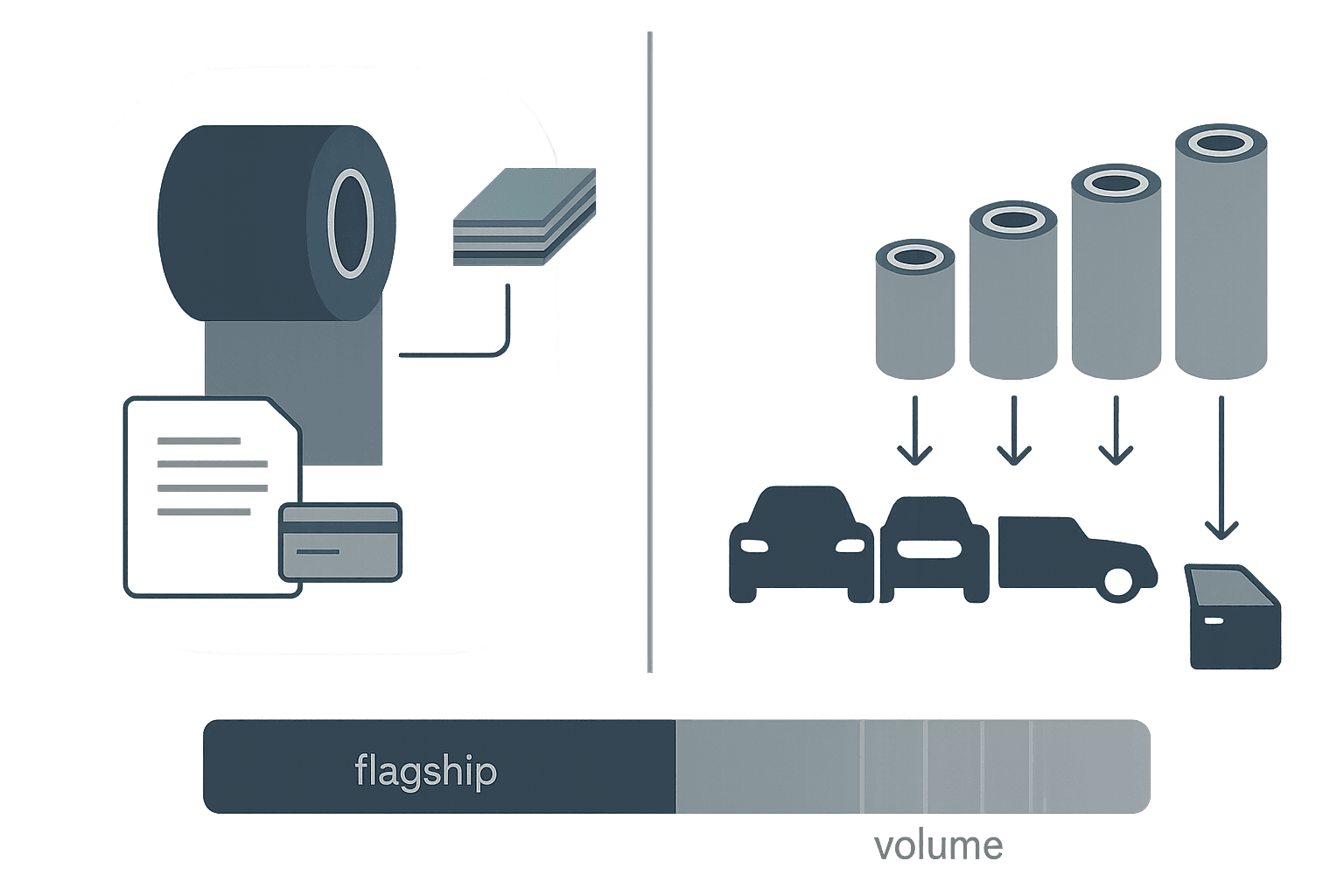
- Standard clear PPF: main volume, Tesla front-clip and key panels.
- Premium clear PPF: higher self-healing, stain resistance, or extended warranty for full wraps.
- Color PPF and matte PPF: niche but profitable for Tesla customization, especially on Model 3 and Model Y.
Positioning Against XPEL and STEK Dealers (Without Overpromising)
Many Tesla owners search for “xpel dealer” or “stek dealer” when they are already committed to PPF. B2B buyers should treat this as brand-awareness demand, not a signal that every project must use those exact labels.
Legal-safe positioning as a big-brand alternative
You can safely present XPSHELL as a:
- China-based automotive film manufacturer supplying distributors and installers.
- PPF wholesale partner for those who want an alternative to big-brand programs.
- Private label PPF source for teams that want their own brand on the box.
When talking about XPEL, STEK, SunTek, LLumar, or 3M in your materials, stay focused on positioning, not imitation:
- Frame them as reference points for the category, not something you duplicate.
- Highlight how your XPSHELL-backed program supports:
- Better margin structure for installers.
- Flexible branding and packaging.
- Access to samples and structured evaluation before large commitments.
Avoid any language that suggests you are a copy of those brands or that your film is identical to theirs. Keep the message on fit, supply, and risk management for distributors.
Building a Tesla-Focused PPF and Tint Catalog
To convert Tesla demand into repeat B2B orders, organize your product lines by use-case, not just by film name.
Clear PPF: the backbone for Tesla scratch and chip protection
Every Tesla-heavy catalog should include:
- 8-mil clear gloss PPF as the volume leader.
- A stealth/matte clear PPF variant for owners who want a satin look on factory colors.
- Tested compatibility with Tesla’s paint through sample installs and real-world exposure.
On the B2B side, position clear PPF for:
- Front-end impact protection packages.
- Full body wraps for high-end buyers or fleet use.
- Headlight and high-wear trim protection.
Color PPF: profitable differentiation
Color PPF has moved from niche to serious business in Tesla communities, especially for Model Y and Model 3:
- Allows complete color changes while retaining paint protection.
- Creates upsell paths far beyond standard PPF price points.
For distributors and private label teams, this is an opportunity to:
- Launch limited palettes that test demand without bloating inventory.
- Offer installers marketing assets around color-transformed Teslas.
Window tint programs for Tesla buyers
Tesla owners also search heavily for comfort upgrades. A complementary window tint program should emphasize:
- Heat rejection and interior comfort in large glass cabins.
- UV protection for occupants and interiors.
- Clear visibility and signal-safe performance, especially near cameras and antennas.
Nano-ceramic and nano-composite tint series provide a clear story as an alternative to big-brand window films, again focusing on sample testing and repeat supply.
Why Batch Consistency and Repeat Supply Matter More Than Ever
Distributors who shift Tesla volume into a new PPF program have one real fear: batch surprises that cost them time, rework, and reputation.
Your film partner should help you mitigate that risk through:
- Traceable batch and lot numbers on every roll.
- Regular lab testing of thickness, tensile strength, and topcoat performance.
- Clear documentation and sample reports so technical buyers can check claimed specs.
For XPSHELL-backed lines, the manufacturer focus is not just on headline features, but on how the coating line and QC routines translate into fewer warranty calls for your installers.
From a process standpoint:
- Always start Tesla programs with small-batch test orders and controlled installs.
- Collect feedback on slip, tack, stretch, and edge behavior over Tesla bumpers, hoods, and light bar areas.
- Only after validation should you scale to regular container-level replenishment for your territory.
Practical Next Steps for Distributors, Installers, and OEM Buyers
To turn Tesla scratch and bumper complaints into a structured business opportunity, use a simple three-step plan.
1. Map your local Tesla fleet
- Estimate how many Teslas are in your region using vehicle registration or your installers’ historic data.
- Identify the most common models and colors, especially Model 3 and Model Y.
- Track which front-end designs and headlight shapes your teams see most.
2. Build a Tesla-specific PPF and tint bundle
Craft focused, repeatable packages such as:
- Essential Tesla Front Kit
- Clear gloss PPF: front bumper, full hood, full fenders, mirrors, headlights.
- Optional headlight-only add-on for price-sensitive owners.
- Performance Tesla Protection Pack
- Full front plus rockers and A-pillars in clear PPF.
- Nano-ceramic tint on side and rear glass.
- Stealth or Color Tesla Signature Pack
- Full-body matte or color PPF.
- Select glass areas in premium tint.
Align those bundles with your film sourcing plan from XPSHELL or similar manufacturers so you know which roll widths, lengths, and finishes to keep in stock.
3. Integrate sample testing and proof for skeptical buyers
Tesla owners are research-heavy buyers. Your installers will need evidence, not just promises:
- Provide sample panels and install footage from your chosen PPF on Tesla bumpers and hoods.
- Document how the film self-heals light scratches and resists staining.
- Share written warranty terms clearly, avoiding any inflated or unverified claims.
By enabling installers with this material, you reduce pressure to lean solely on famous brand names and give them confidence to present your XPSHELL-backed program as a credible alternative.
Frequently Asked Questions
How should distributors think about PPF vs ceramic coating for Teslas?
Distributors should see PPF and ceramic coating as complementary, not competing, products. PPF provides the physical barrier needed to prevent rock chips and serious scratches on Tesla bumpers, hoods, and other impact zones. Ceramic coating, by contrast, mainly improves gloss and makes washing easier while giving modest resistance to light marring. In practice, most high-value Tesla builds combine clear PPF on the front or full body, then add ceramic coating on top for easier maintenance and added visual appeal.
What PPF price structure makes sense when targeting Tesla owners?
From the retail side, recent market guides show that full-front Tesla PPF packages commonly fall around the low-to-mid thousands, with partial front options priced lower and full wraps significantly higher. As a B2B buyer, your role is to ensure material cost leaves enough room for installer labor and profit at those retail levels. That usually means building a tiered PPF lineup: a standard clear series for volume Tesla work, a premium series for long-warranty or full-body projects, and optional matte or color PPF for higher-ticket customization.
How can I position a China-based PPF manufacturer against XPEL or STEK dealers without legal risk?
Keep the focus on program fit, supply stability, and margins, rather than on claiming to be the same as any big brand. You can present your XPSHELL-backed program as a China-based automotive film manufacturing option that supports distributors, installers, OEM buyers, and private label projects. Emphasize capabilities like batch consistency, sample testing, warranty documentation, and reliable repeat supply. Avoid any wording that implies counterfeit status or that your products are identical to other named brands. Instead, highlight how your program helps local dealers protect relationships with their Tesla customers by reducing quality surprises and improving overall value.
What product lines are most relevant if I want to grow Tesla business quickly?
The fastest path is to focus on clear PPF for front-end and key panels, add a stealth or matte PPF variant for Model 3 and Model Y owners who want a different look, and support those with a nano-ceramic window tint line that prioritizes heat rejection and visibility. Color PPF can be introduced as a second-stage expansion once you understand which Tesla colors and styles your local market prefers. All of these should be backed by clear technical data, samples, and a repeatable replenishment process so that your installers can sell with confidence.
How should I frame Tesla-specific PPF demand to my installer network?
Position Tesla demand to installers as a stocking and process opportunity, not a DIY challenge. Encourage them to standardize coverage options around known Tesla weak points, such as front bumpers, hoods, fenders, rocker panels, and headlights. Provide guidance on working with complex front-end shapes and ensure they have consistent access to the clear and color PPF SKUs you recommend. By framing the opportunity around structured packages, predictable film supply, and strong aftersales support, you help installers scale Tesla work without overextending their teams or risking their local reputations.