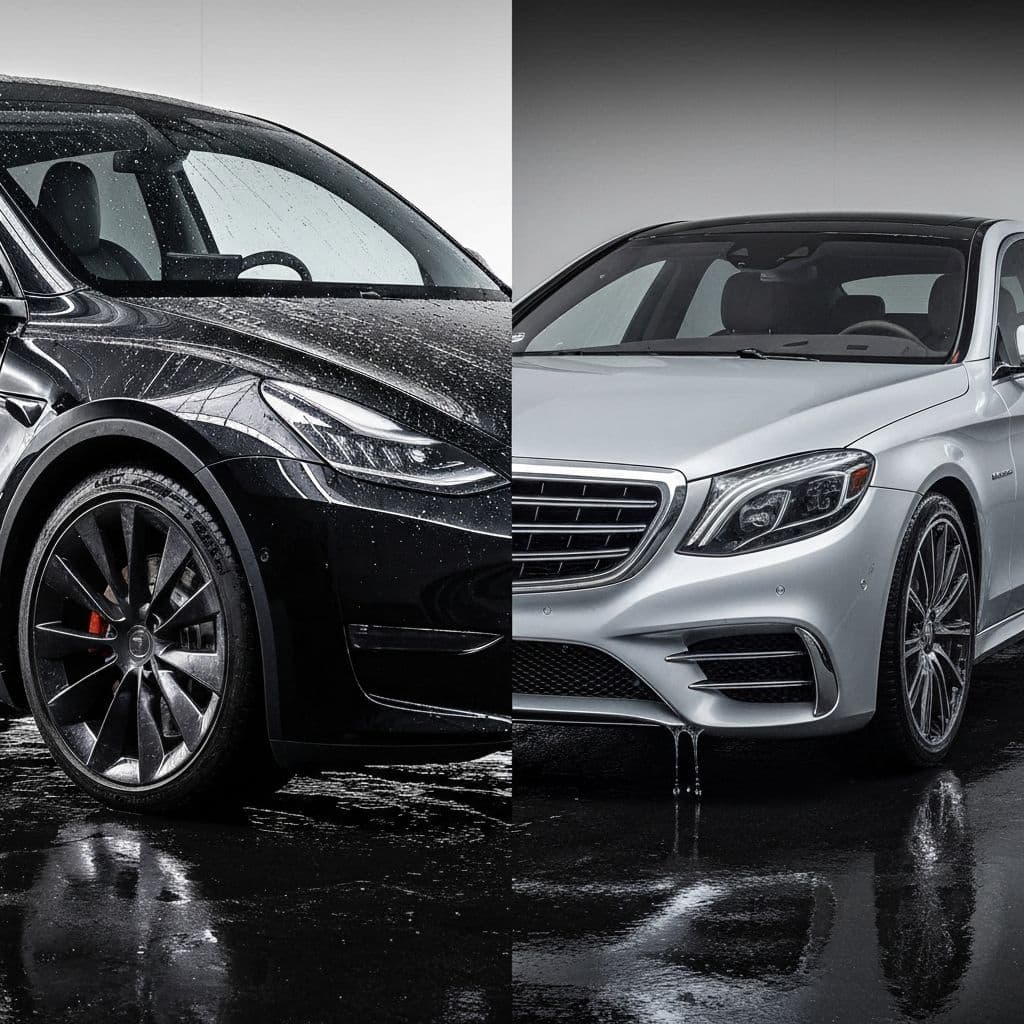
Shops comparing stek vs xpel for clarity, orange peel, and distributor margin should also read our XPEL alternatives comparison hub when evaluating factory-direct programs alongside brand film.
When buyers search for "STEK PPF vs XPEL", they are usually not asking a simple brand question. They want to know which paint protection film looks clearer, has less orange peel, beads water better, heals scratches faster, installs more easily, and offers better value for the price.
STEK and XPEL are both recognized names in the premium PPF market. STEK highlights hydrophobic, self-healing films with clarity, depth, and a wide range of finishes, colors, and patterns. XPEL positions ULTIMATE PLUS as an 8 mil, self-healing, virtually invisible paint protection film designed to protect against scratches, rock chips, and other road hazards.
For car owners, the question is usually: which film should I install on my vehicle? For installers and distributors, the better question is: which film fits my market, margin, supply chain, and local positioning?
Clarity and Orange Peel: What Installers Notice First
Optical clarity is one of the first things installers and high-end customers notice after a PPF installation. A good optical PPF film should protect the paint without making the surface look cloudy, wavy, or distorted.
Orange peel is especially important. In PPF, orange peel usually refers to a textured or wavy surface appearance that can reduce paint depth and reflection quality. Some orange peel comes from the vehicle's original paint, but film texture, coating quality, adhesive layer, and installation technique can also affect the final look.
STEK's DYNOshield page specifically describes the film as having a nano-ceramic-infused top coat with phenomenal optical clarity and an orange peel-free finish. It also lists DYNOshield as 8 mil thick, hydrophobic, stain resistant, anti-contamination, and self-healing by heat or hot water.
XPEL's ULTIMATE PLUS page describes the film as 8 mil protection, self-healing, and a virtually invisible shield that maintains the original look of the vehicle.
How to compare clarity in real life
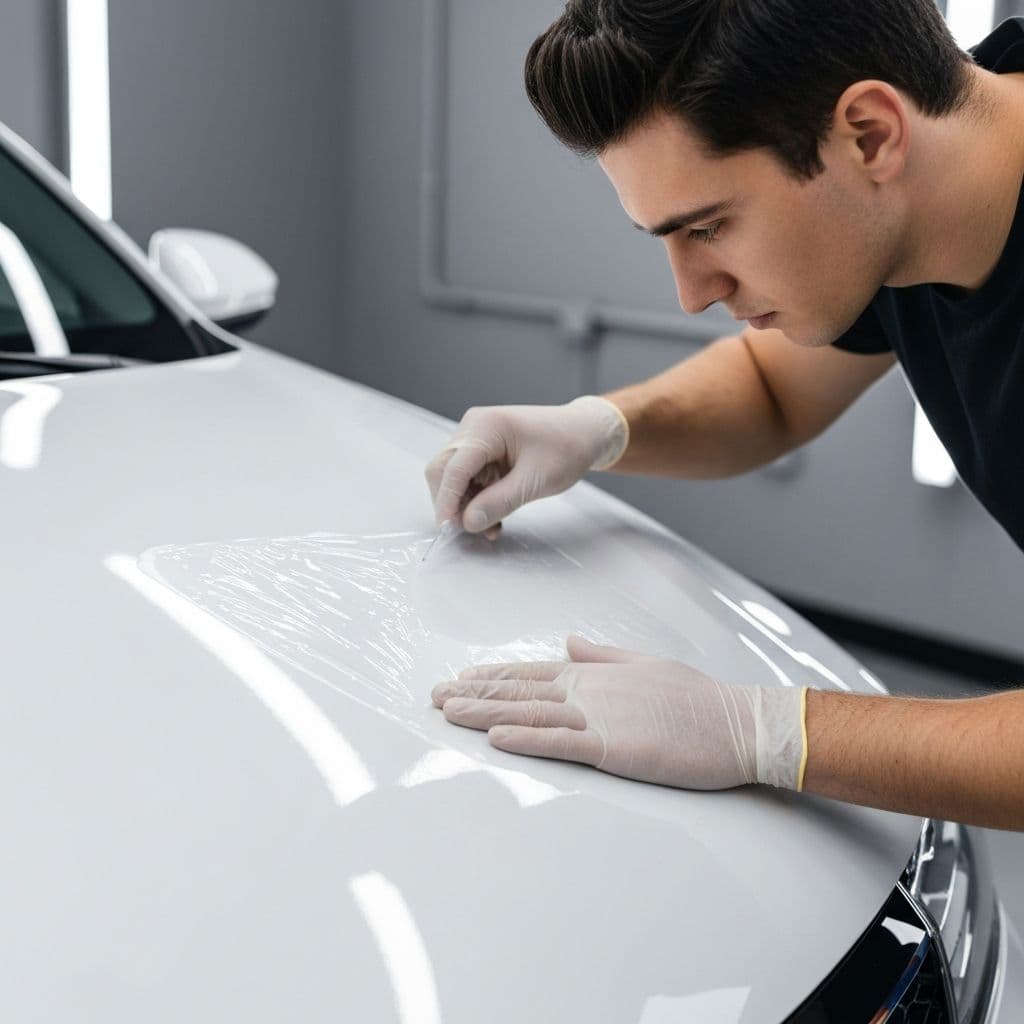
A fair comparison should not rely only on brand claims. Installers should test both films on the same painted panel and check:
- Direct sunlight — look for haze, waves, and surface texture to see real outdoor appearance
- LED shop light — check for orange peel and coating uniformity, which reveals surface distortion
- Dark paint — evaluate reflection depth and clarity, as dark colors expose film defects faster
- Curved panels — check for stretch marks and adhesive distortion to understand installation tolerance
- After washing — observe water marks and coating behavior to assess long-term maintenance experience
For premium customers, optical clarity is not a small detail. It is often the difference between protected paint and paint that still looks factory-fresh.
Hydrophobic Top Coat and Maintenance
Hydrophobic PPF is easier to market because customers can immediately understand the benefit. Water beads up, dirt is easier to rinse away, and the vehicle feels easier to maintain.
STEK strongly emphasizes hydrophobic performance. Its official page says STEK offers paint protection films with hydrophobic and self-healing properties in different finishes, colors, and patterns. DYNOshield is also described as having a ceramic-infused top coat that provides hydrophobic water-beading properties and helps make washing quicker and easier.
XPEL's ULTIMATE PLUS page focuses more on 8 mil protection, self-healing, invisible appearance, and long-lasting paint protection. XPEL also sells care and detailing products, so the maintenance experience may depend on both the film and the aftercare system used by the installer.
What buyers should care about
Hydrophobicity should not be judged only by the first water-beading video. Buyers should ask:
- Does the coating stay hydrophobic after months of washing?
- Is the surface resistant to stains, bug splatter, and bird droppings?
- Does the film require ceramic coating to maintain strong water beading?
- Is the film easy to clean without aggressive chemicals?
- Does the top coat remain smooth after stretching?
For distributors, strong hydrophobic PPF is easier to sell because it gives visible value during demonstrations. However, long-term coating stability is more important than short-term water beading.
Self-Healing and Scratch Resistance
Both STEK and XPEL offer self-healing PPF options. Self-healing means that light scratches, swirl marks, or surface-level marks can recover when exposed to heat, sunlight, or hot water, depending on the film structure.
STEK lists DYNOshield as self-healing by heat or hot water. XPEL describes ULTIMATE PLUS as repairing minor scratches and swirl marks on its own.
What self-healing can and cannot do
Self-healing PPF is useful, but it is not magic. It can help with light surface marks but cannot fully repair deep cuts, severe impact damage, torn film, or poor installation.
- Light swirl marks — usually heals with heat or sunlight exposure
- Minor wash scratches — usually heals depending on coating and scratch depth
- Deep knife cuts — no, film replacement is usually needed
- Rock chip impact — partly, PPF absorbs damage but severe impact may still mark the film
- Edge lifting — no, this is usually an adhesive, installation, or maintenance issue
- Chemical stain — sometimes, depends on coating quality and exposure time
For installers, the best film is not only the one that heals quickly. It is the one that balances self-healing, coating durability, adhesive stability, and appearance after installation.
Adhesive, Installation and Removal
Adhesive quality is one of the most important but least understood parts of PPF. Customers usually talk about gloss, price, and warranty. Installers talk about tack, stretch, repositioning, glue marks, silvering, edges, and removal.
A premium film should have stable adhesive performance. It should hold edges well, allow clean installation, reduce adhesive marks, and remove without damaging the paint when removed correctly.
What installers compare during installation
- Initial tack — too much tack makes repositioning difficult; too little tack can affect edges
- Stretch tolerance — important for bumpers, mirrors, and curved panels
- Glue mark control — poor adhesive can leave visible marks on dark paint
- Edge stability — weak edges may lift after washing or heat cycles
- Slip solution response — film should move smoothly during positioning
- Final bonding — adhesive should settle cleanly after drying
- Removal behavior — important for long-term customer satisfaction
XPEL has a strong installer ecosystem, including dealer resources and a pre-cut kit library. STEK also offers installer and partner programs, including installer locator, certification, OEM, training, and international partner pathways.
For buyers, the final result depends heavily on installer skill. A great film installed poorly can look worse than a slightly lower-tier film installed by a skilled technician.
Price Difference: Brand Film vs Wholesale PPF
Searches such as "STEK PPF price" and "XPEL PPF price" are difficult because PPF pricing changes by country, vehicle, coverage area, installer, labor cost, product series, and local demand.
A full-front clear PPF package is very different from a full-body matte or color PPF installation. A luxury SUV also needs more film and labor than a compact sedan. In many markets, the installed price includes film material, labor, pattern cutting, surface preparation, warranty handling, and installer margin.
Brand film cost vs wholesale PPF cost
- Material cost — brand PPF is usually higher; OEM PPF is usually more flexible
- Brand premium — brand films offer stronger customer recognition; OEM requires local brand building
- Installer margin — brand market pricing may limit margins; OEM allows more control
- Marketing support — stronger for established brands; must be built by distributor for OEM
- Supply flexibility — brand depends on local dealer channel; OEM can be customized by factory agreement
- Private label — limited with brand films; strong advantage with OEM PPF
- Long-term scalability — brand good for premium retail; OEM good for distributor networks and local wholesale
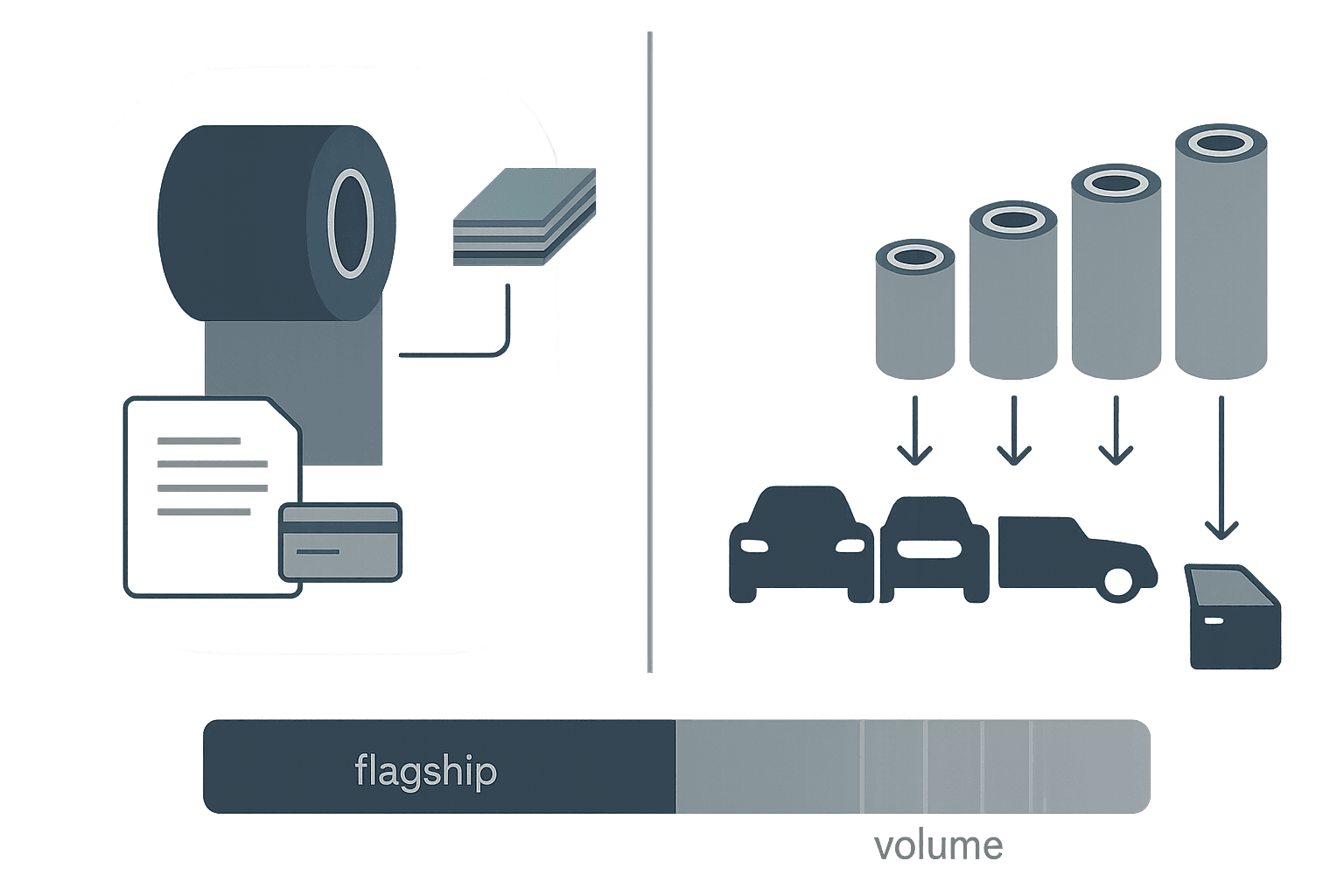
For distributors, the real question is not only brand, but margin, supply stability, and local positioning. A premium brand may help close high-end retail customers. A reliable OEM PPF manufacturer may help build a wider installer network with better pricing control.
What Should PPF Distributors Choose?
A car owner can simply choose the installer and film they trust. A distributor has a more complicated decision.
Distributors need to consider:
- Local customer awareness of STEK and XPEL
- Installer acceptance
- Roll cost and landed cost
- Warranty responsibility
- Inventory pressure
- Private label potential
- Supply stability
- Technical support
- Marketing positioning
- Long-term margin
Recommended distributor strategy
- High-end detailing studio — use premium brand PPF to build trust and sell high-ticket installation
- New local wholesaler — test OEM PPF to create competitive pricing and flexible product tiers
- Existing car film distributor — add optical PPF film with low orange peel and hydrophobic top coat as a premium private label line
- Price-sensitive market distributor — build entry, mid-range, and premium OEM PPF tiers
- Mature regional distributor — use brand films for flagship positioning and OEM films for margin growth
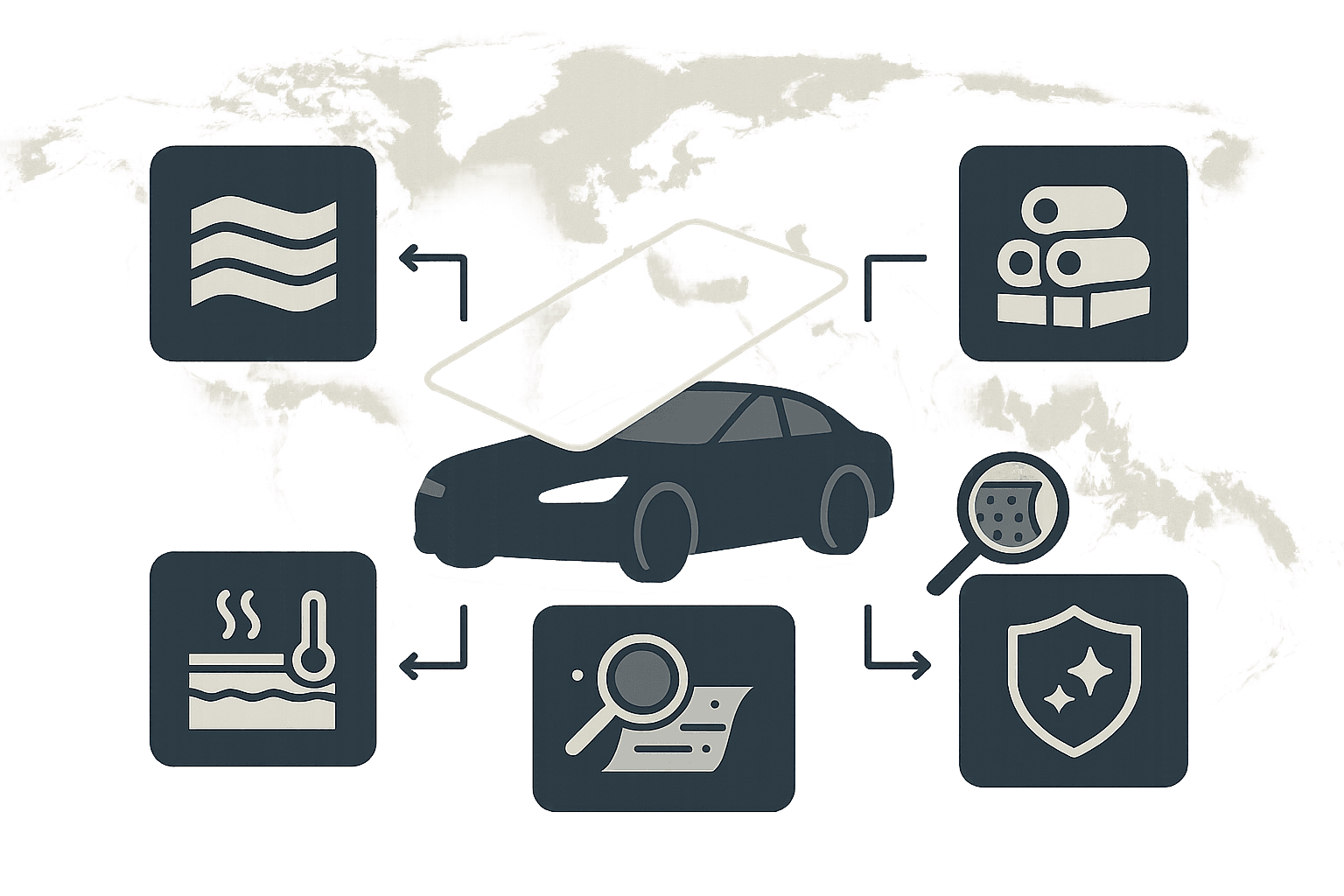
A distributor does not need to copy the brand strategy of STEK or XPEL. The better move is to understand what makes premium films sell: optical clarity, low orange peel, hydrophobic top coat, stable adhesive, self-healing, warranty confidence, and installer-friendly performance.
OEM and Private Label PPF as an Alternative
For wholesale buyers, a good OEM PPF program can create commercial advantages that brand films cannot always provide.
A professional PPF manufacturer or PPF distributor supplier can offer:
- Optical PPF film with high clarity
- Low orange peel surface
- Strong hydrophobic top coat
- Heat self-healing or room-temperature self-healing options
- Stable adhesive for installation and removal
- Gloss, matte, black, and color PPF options
- Private label packaging
- Local market product tiers
- Flexible roll supply
- Distributor support materials
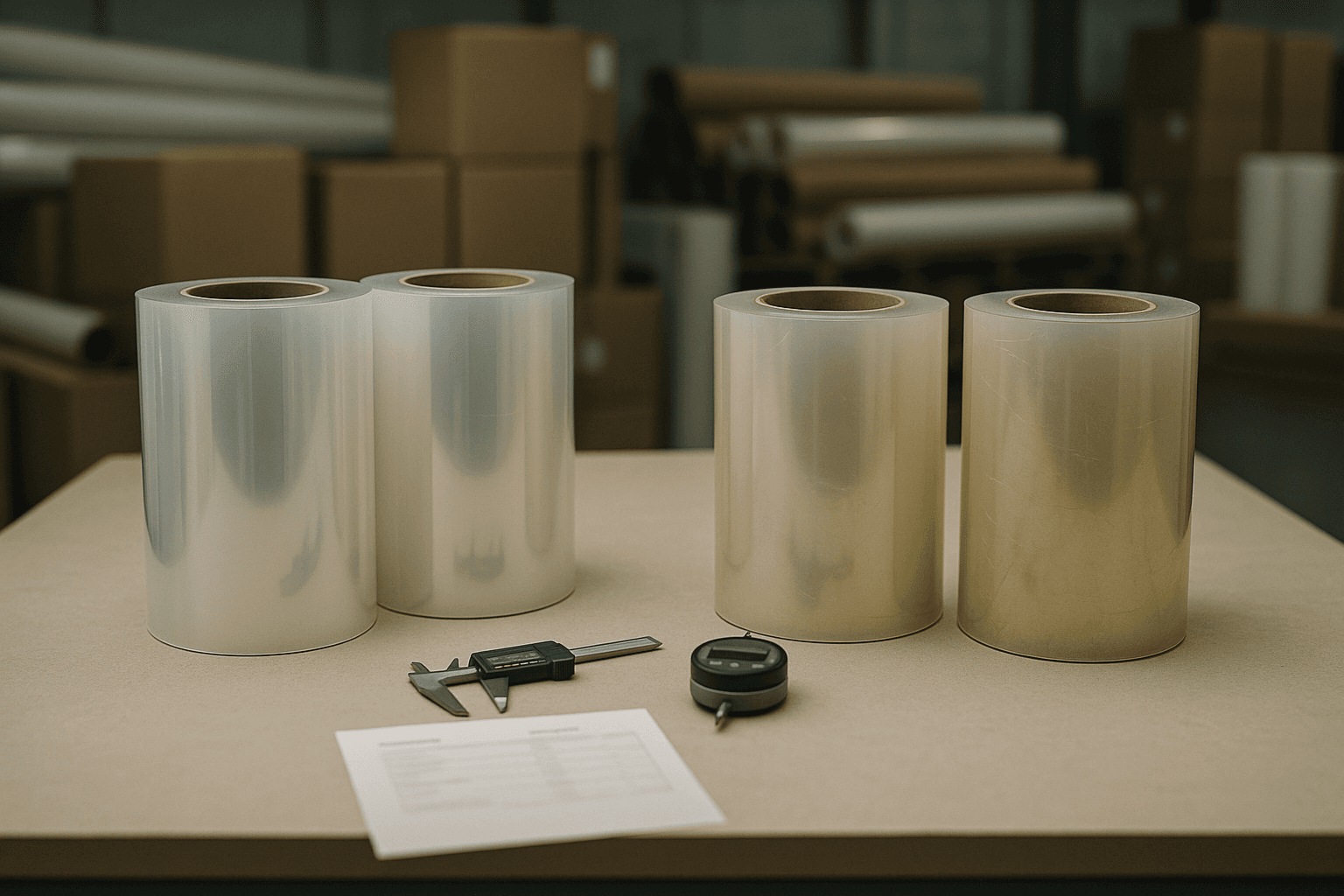
The key is supplier selection. A low price is not enough. The film must be tested on real vehicles, under local climate conditions, by real installers. Roll samples, trial orders, installer feedback, and aging tests are essential before scaling.
FAQ
Is STEK PPF better than XPEL?
Not always. STEK and XPEL are both premium PPF brands, but they have different strengths. STEK is often associated with hydrophobic top coat, clarity, color PPF, and fashion film options. XPEL is strongly recognized for ULTIMATE PLUS, STEALTH, installer network, and protection ecosystem. The better choice depends on your vehicle, installer, market, and budget.
Which has better clarity, STEK or XPEL?
Both brands market clear, premium PPF products. STEK specifically promotes DYNOshield with optical clarity and an orange peel-free finish, while XPEL describes ULTIMATE PLUS as a virtually invisible film that maintains the original look of the vehicle. The best way to compare is to install both films on the same paint panel and check under sunlight and LED lighting.
What is PPF orange peel?
PPF orange peel is a textured or wavy surface appearance that can reduce reflection quality. It can come from the original paint, film surface, coating layer, adhesive, stretching, or installation technique. Low orange peel is especially important for black, dark blue, and luxury vehicles.
Is STEK more hydrophobic than XPEL?
STEK places strong marketing emphasis on hydrophobic top coat performance, especially with DYNOshield. XPEL also offers premium protection films and aftercare products, but the final water-beading performance depends on product choice, maintenance, and whether ceramic coating is added.
Which PPF is better for matte finish?
XPEL STEALTH is a well-known satin or matte PPF option. STEK also offers matte and fashion film options, including DYNOmatte and black matte PPF. Buyers should compare finish texture, stain resistance, edge behavior, and installer experience before deciding.
Why does PPF price vary so much between markets?
PPF price varies because installed price depends on the vehicle, coverage area, installer labor rate, local market, product type, and warranty handling. A bumper-only job, full-front package, full-body clear PPF, and full-body satin PPF installation will all have different price ranges.
Should PPF distributors sell STEK, XPEL, or OEM PPF?
Distributors should decide based on market position. STEK or XPEL may help with premium brand recognition. OEM PPF may provide better margin, private label control, and supply flexibility. Many distributors use a hybrid strategy: brand films for high-end retail credibility and OEM PPF for local wholesale growth.
What should I check before buying wholesale PPF?
Check optical clarity, orange peel, hydrophobicity, self-healing behavior, adhesive stability, stretch performance, removability, warranty terms, roll consistency, packaging, and factory support. Always test sample rolls before placing larger orders.
References
1. STEK USA: Hydrophobic Paint Protection Film | Window Tint
2. STEK DYNOshield Hydrophobic Paint Protection Film
3. XPEL ULTIMATE PLUS Paint Protection Film — Custom Length
4. XPEL STEALTH Paint Protection Film
5. STEK DYNOmatte Paint Protection Film
6. STEK DYNOblack-matte Black Matte PPF