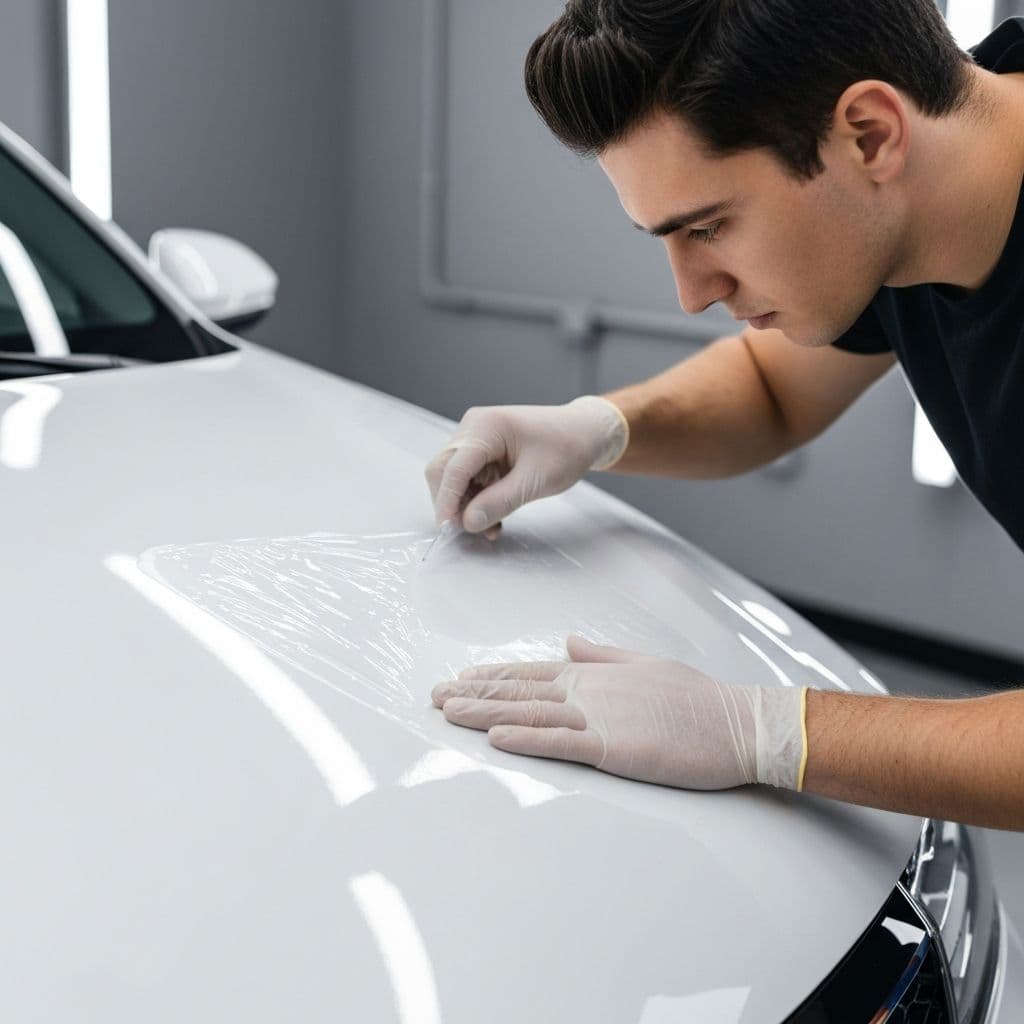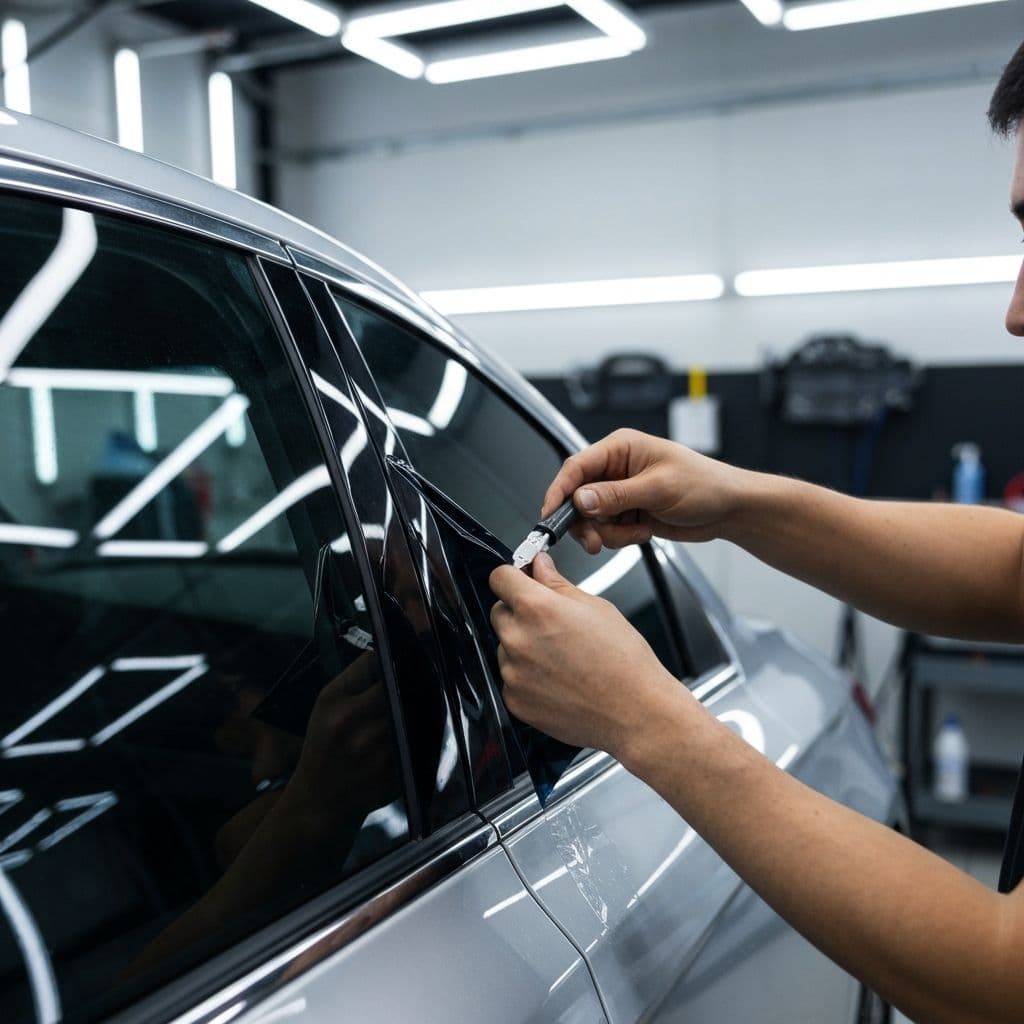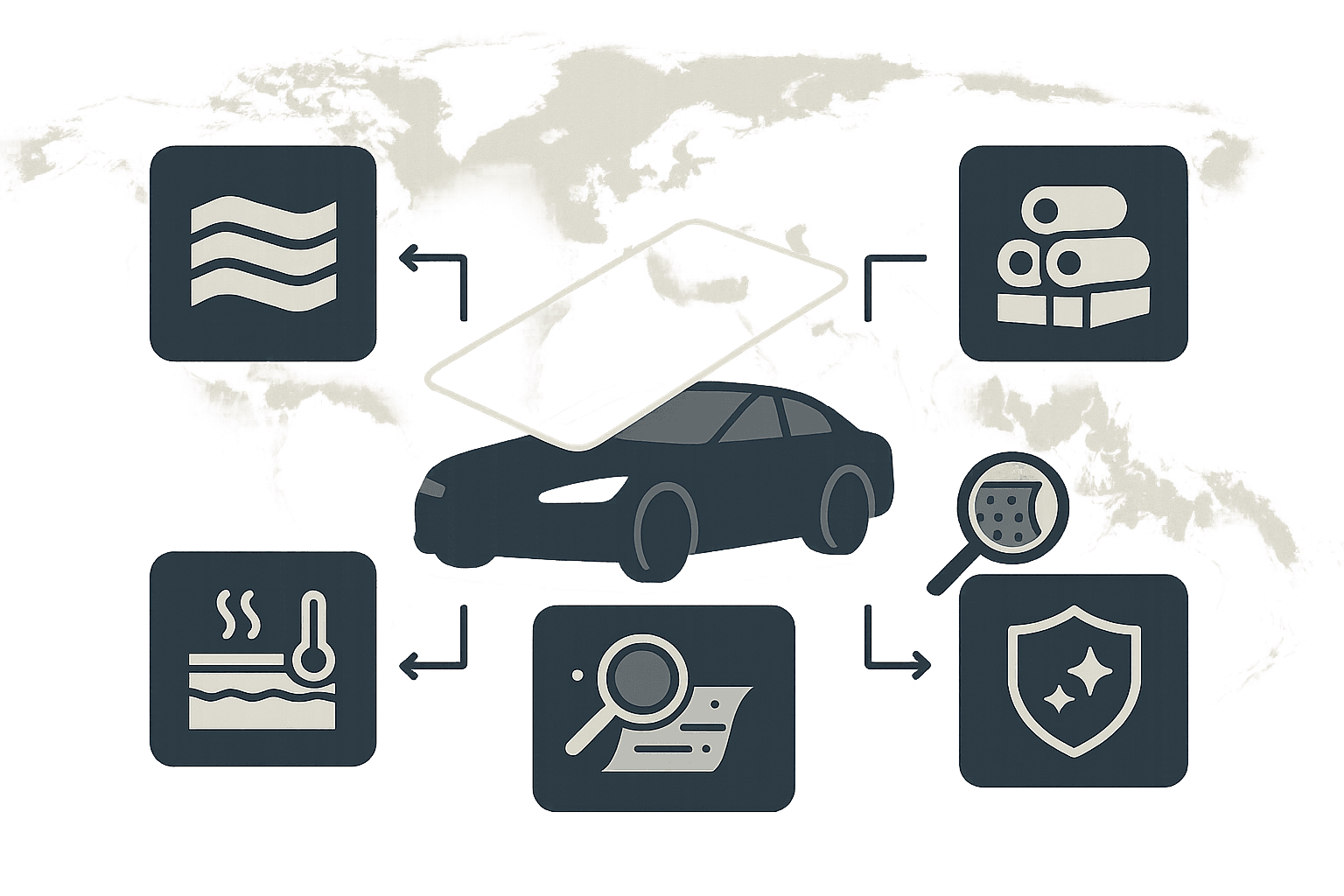
Paint protection film has become a strategic product line for detailing studios and distributors in Poland, Germany and throughout Europe. Many are now combining established European PPF brands with China PPF OEM supply to increase margins and launch their own labels. To succeed, you must understand film construction, self-healing chemistry, top coat quality and how to avoid orange peel.
How European PPF Buyers Source Film Today
Installers and distributors in Central and Western Europe typically follow three paths when building a PPF portfolio:
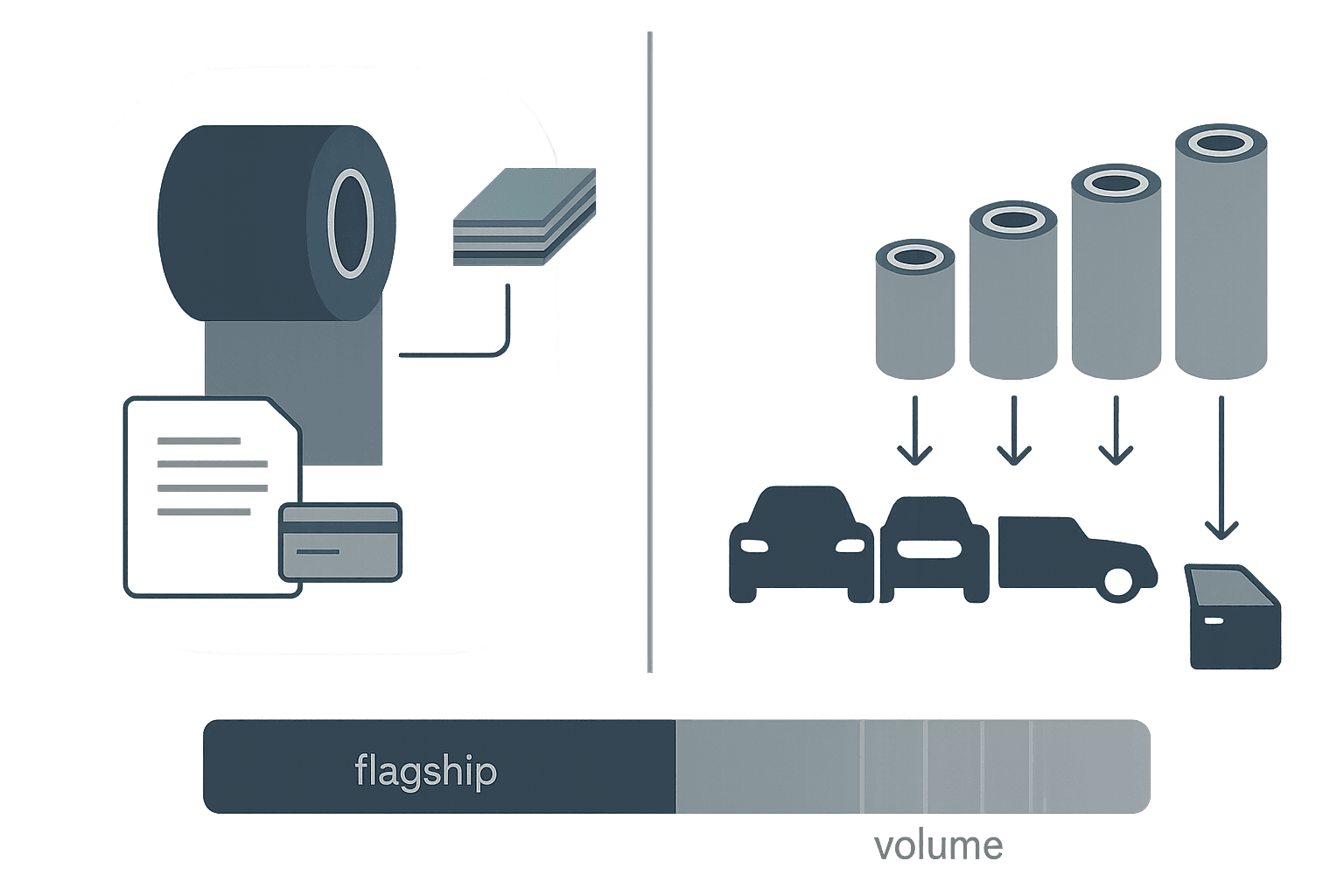
- European PPF brands for flagship, high-trust offerings in markets like Poland and Germany.
- China PPF OEM programs to launch private brands and control price positioning.
- Hybrid strategies where a shop mixes one premium European PPF line with one or two OEM lines to cover different price tiers.
This mix lets a Poland PPF or Germany PPF distributor offer multiple price points while keeping control over margin and branding.
Core PPF Construction: What Really Matters
Whether you buy from a European plant or a China PPF OEM factory, modern paint protection film is built on a similar multi-layer structure:
- Functional coating / top coat – provides self-healing, hydrophobicity, chemical and stain resistance, and UV protection.
- TPU base layer – the thick, transparent thermoplastic polyurethane that delivers clarity, flexibility, impact resistance and yellowing resistance.
- Adhesive layer – pressure-sensitive adhesive that bonds to paint, then removes without damaging factory clear coat when used correctly.
Some Chinese factories describe this as a multi-layer composite with self-healing coating, TPU base and adhesive. High-end lines use aliphatic TPU, which is preferred over aromatic TPU for better yellowing and UV aging resistance. This is an important benchmark for any PPF OEM program aimed at demanding European markets.
Self-Healing: How to Tell Marketing From Reality
Self-healing is now a core claim in almost every PPF brochure, but the underlying technology can be very different.
Types of self-healing
OEM-capable factories describe two main modes:
- Heat repair self-healing – light swirls and fine scratches soften and recover when exposed to warm water, sunlight or a heat gun.
- Instant repair self-healing – micro-marring recovers at room temperature without visible delay, thanks to an elastic, highly mobile top coat.
A performance sheet from one factory lists “heat repair” and “instant repair” together, confirming that both mechanisms are possible when the coating is correctly engineered.
What makes a top coat self-healing
To deliver real self-healing, the top coat typically integrates:
- A self-healing agent embedded in the coating.
- UV absorbers and antioxidants to keep the surface from becoming brittle over time.
- Hydrophobic and oleophobic components for easier washing and stain resistance.
When evaluating China PPF OEM offers for European deployment, do not stop at the marketing term. Ask specifically whether the film uses a self-healing functional coating layer, and whether healing is heat-activated only or also occurs at ambient temperatures.
The Role of the Top Coat in Long-Term Performance
The top coat is the most critical differentiator between a budget film and a durable European PPF-grade product.
A strong top coat should provide:
- Gloss and clarity – high-gloss, low-haze appearance so the film visually disappears on factory paint.
- Self-healing – recovery of light swirl marks from washing and daily use.
- Hydrophobic behaviour – water beading and easier maintenance.
- Chemical and stain resistance – protection from traffic film, bug splatter and light contaminants.
- UV protection – support for yellowing resistance over the service life.
Premium series from specialist PPF producers showcase very glossy, crystal-clear finishes or refined satin and matte options. Their descriptions highlight mirror-like gloss, stain resistance and advanced TPU construction, reinforcing how much of the perceived quality comes from the top coat engineering.
Orange Peel in PPF: Causes and How to Avoid It
Orange peel describes a textured, wavy reflection similar to a citrus skin. On a vehicle already affected by paint orange peel, a poor-quality PPF can exaggerate the effect.
Typical causes of orange peel in PPF include:
- Inconsistent TPU extrusion or casting, leading to surface waviness.
- An uneven or overly thick top coat layer.
- Excessive film tension or stretching during installation.
For Poland PPF and Germany PPF distributors targeting premium customers, orange peel control is crucial.
How OEM buyers can manage orange peel risk
When working with PPF OEM suppliers, you can:
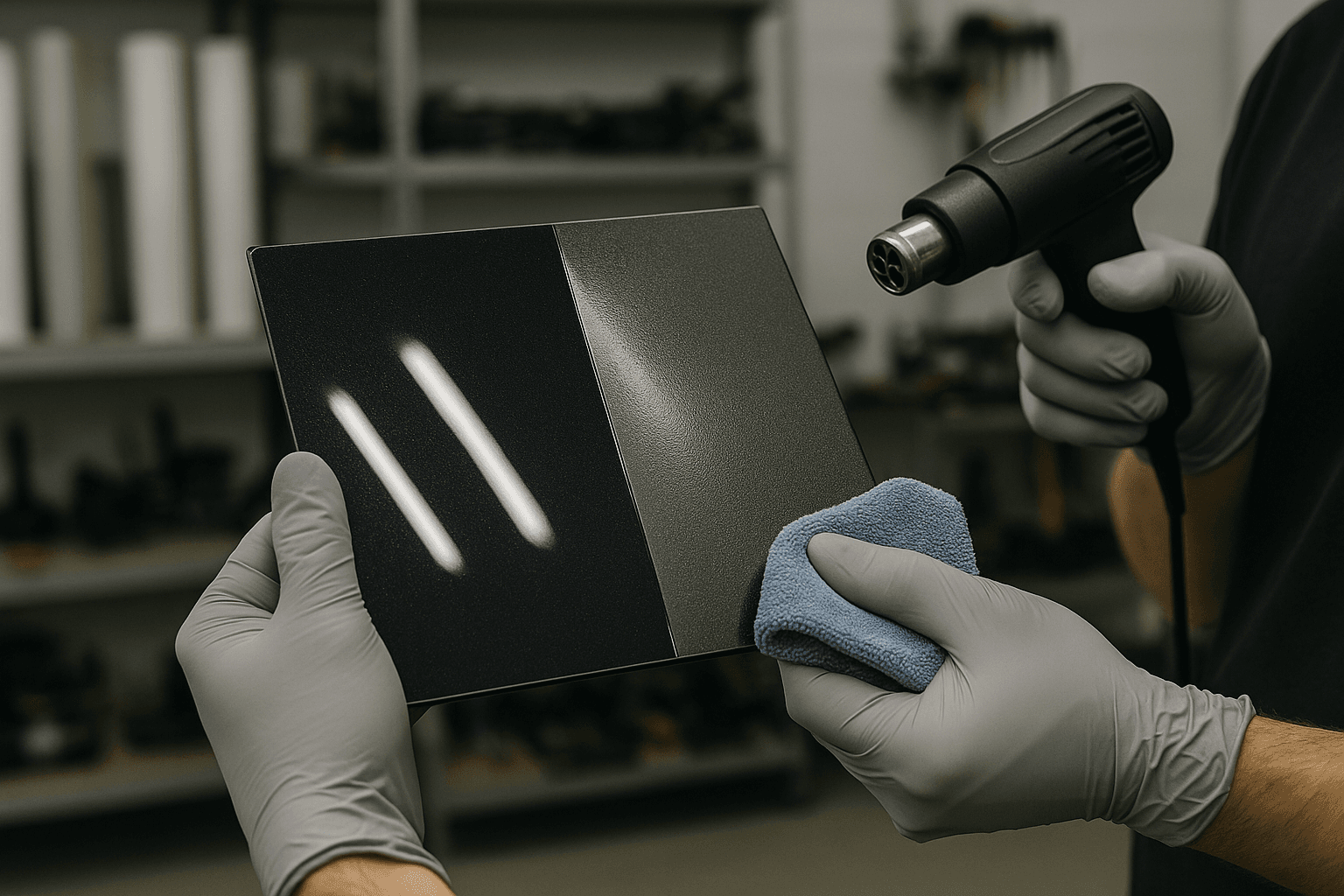
- Request sample rolls and inspect reflections on black panels under strong lighting.
- Compare surface texture against a benchmark European PPF film.
- Limit maximum stretch during installation to what the supplier recommends.
- Clarify whether the factory uses consistent coating and quality checks on haze and gloss.
A factory that routinely tests light transmittance, haze and gloss, as well as physical performance and yellowing resistance, is more likely to deliver the smooth surface European customers expect.
Thickness, Clarity and Protection Levels
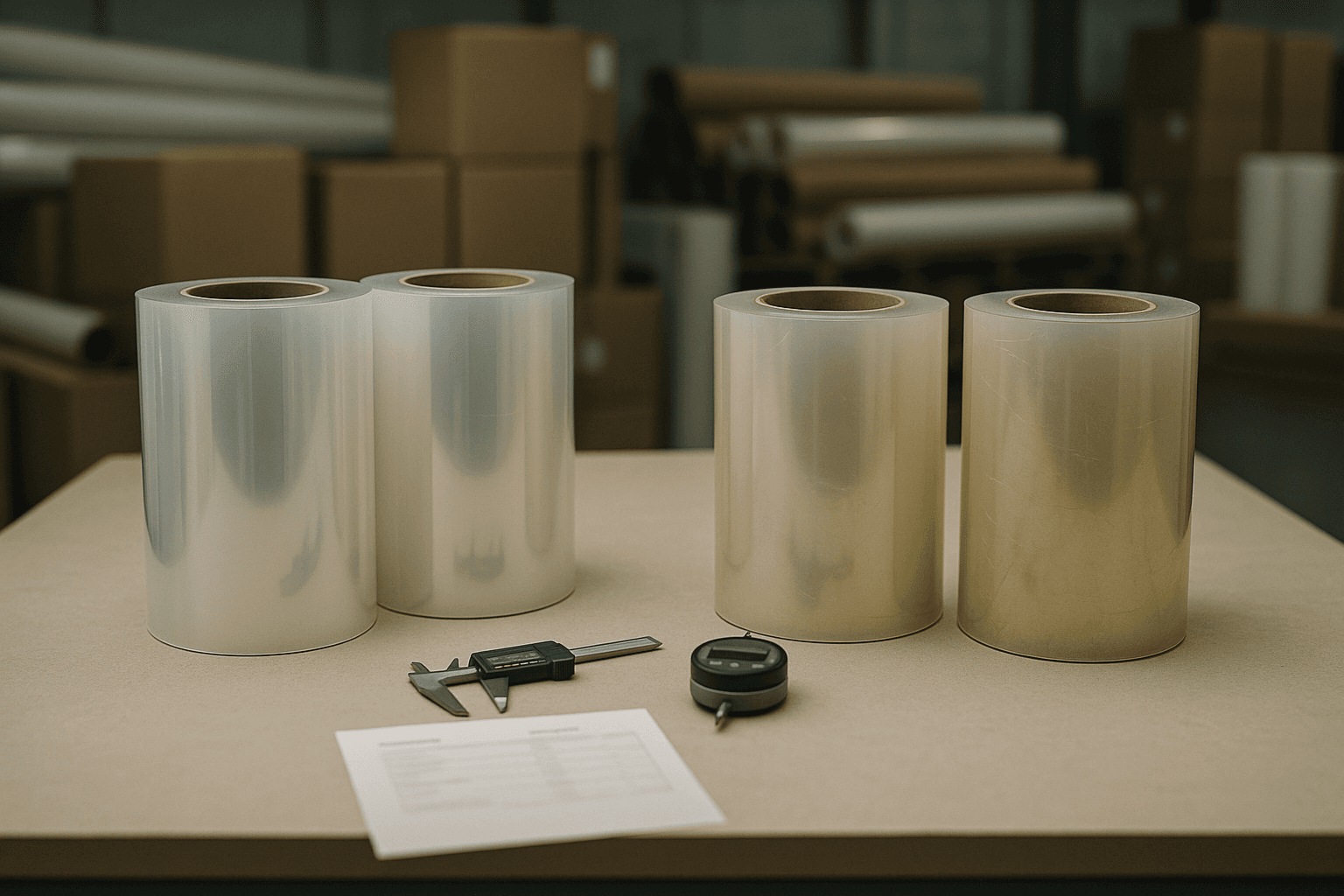
China PPF OEM factories typically supply several thickness options to match different markets and budgets. A representative product range includes films around 6.5, 7.5, 8.5 and 10 mil.
- Thinner films can be easier to install and price-competitive for entry-level packages.
- Thicker films add stone-chip resistance and are a common choice for high-value front-end or full-body wraps in luxury segments.
Technical parameters shared by one factory for its clear gloss PPF include:
- Light transmittance of at least 95%.
- Haze of 1.0% or less.
- Gloss of 92 GU or higher.
- Service life in the range of 6–10 years under typical conditions.
For European PPF buyers, these figures provide a good comparison framework when reviewing spec sheets from different OEM partners.
OEM, Private Label and Customization Options
For distributors in Poland, Germany and other European countries, the main reason to pursue PPF OEM is brand and margin control.
Well-developed factories can offer:
- Private label (your logo and box, their film).
- Customized specifications – tailored thickness, roll width and length based on your target segments.
- Multiple performance tiers – entry, mid and high-end PPF, including clear gloss, matte and color films.
China PPF OEM suppliers with larger facilities may operate several TPU PPF production lines and reach monthly outputs of many tens of thousands of rolls. This scale enables flexible minimum order quantities, multiple series and custom packaging to support European market launches.
Quality Control Expectations for European Deployment
High-volume factories that supply demanding markets describe a structured quality process for every batch of PPF. Typical checks include:
- Optical tests – light transmittance and haze, to ensure clarity on OEM paint.
- Mechanical tests – tensile strength and rebound, to verify durability and installability.
- Self-healing tests – surface damage recovery after heat exposure.
- Peel and adhesive residue tests – to confirm stable adhesion and clean removability.
- Aging tests – UV exposure, high temperature and humidity cycling, thermal shock and salt spray or chemical exposure, to simulate long-term outdoor use.
For a European PPF brand owner, insisting on this level of verification safeguards your reputation in markets where end-users expect consistent, long-term performance.
Positioning in Poland, Germany and Wider Europe
When building a product ladder for Poland PPF and Germany PPF channels, many businesses now structure their offer as:
- Flagship line – often a well-known European PPF or a premium OEM film built on aliphatic TPU with advanced top coat.
- Core line – a balanced China PPF OEM series with strong clarity, reliable self-healing and good price–performance ratio.
- Value line – an entry-level series focusing on essential scratch and chip protection at the most competitive price.
This structure allows installers to present clear choices to retail customers while maintaining healthy margins at each level.
Frequently Asked Questions
How can I tell if a PPF really has self-healing performance?
True self-healing PPF uses a functional coating layer with a self-healing agent built into the top coat. You can perform a simple test on a sample panel: introduce fine swirls with a microfiber or soft brush, then apply warm water, sunlight or a heat gun at a safe distance. If the marks fade or disappear, the film has heat-activated self-healing. Some higher-end films also show partial recovery at room temperature, but all genuine solutions should at least respond to heat.
What should I ask a China PPF OEM supplier before launching my own brand in Europe?
For European deployment, focus on structure, materials and testing. Key questions include: which TPU type is used (aliphatic is preferred for yellowing resistance), how the top coat is formulated (self-healing, hydrophobic and UV-resistant), which thickness options are available, and what quality tests are performed on each batch. You should also confirm adhesive behaviour, expected durability range, and whether the factory can provide private label packaging that fits Poland PPF and Germany PPF retail expectations.
How do I reduce the risk of orange peel when choosing a PPF brand?
Reducing orange peel starts with film selection and continues with installation practice. Choose PPF from suppliers that control haze and gloss values and can demonstrate smooth sample panels, especially on dark colors. During installation, avoid overstretching and work within the manufacturer’s guidelines for tension and heat. When evaluating OEM candidates, always compare their film side by side with a trusted European PPF on a black test panel under strong, direct lighting.
Is thicker film always better for European roads?
Thicker films, such as those around 8.5 or 10 mil, can offer enhanced impact resistance and are often preferred for high-risk areas or performance vehicles. However, they may be slightly more challenging to install on complex shapes. Thinner options, such as around 6.5 or 7.5 mil, can still deliver strong protection with easier handling and a sharper price point. The ideal choice depends on your local customer profile, road conditions and the positioning of each package in your Poland or Germany PPF offering.
What kind of durability can I realistically expect from quality PPF?
Quality TPU-based PPF with a robust top coat and aliphatic TPU core is typically designed for multi-year durability. Some OEM suppliers state an expected performance window in the region of 6–10 years under normal use, assuming correct installation and maintenance. Actual lifespan will vary with climate, mileage and wash methods, but this range is useful when setting customer expectations in European markets.