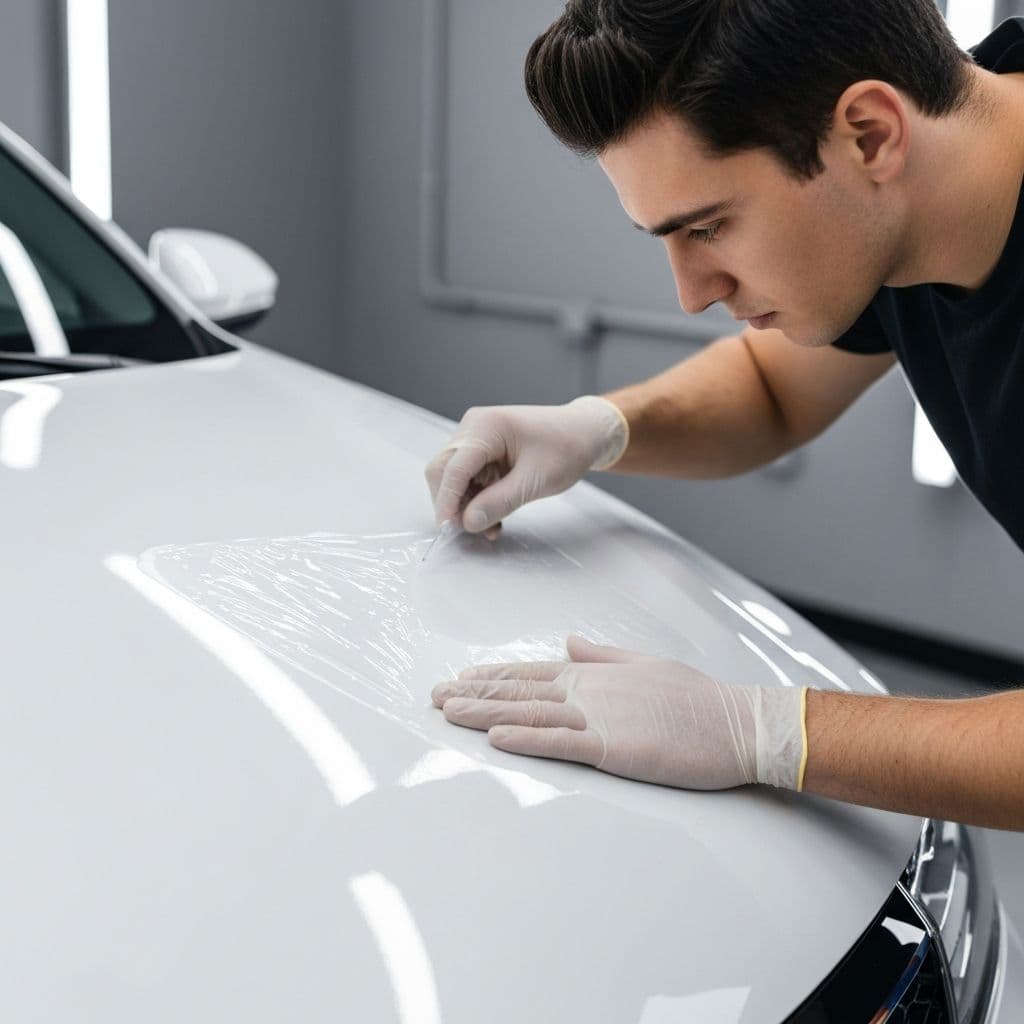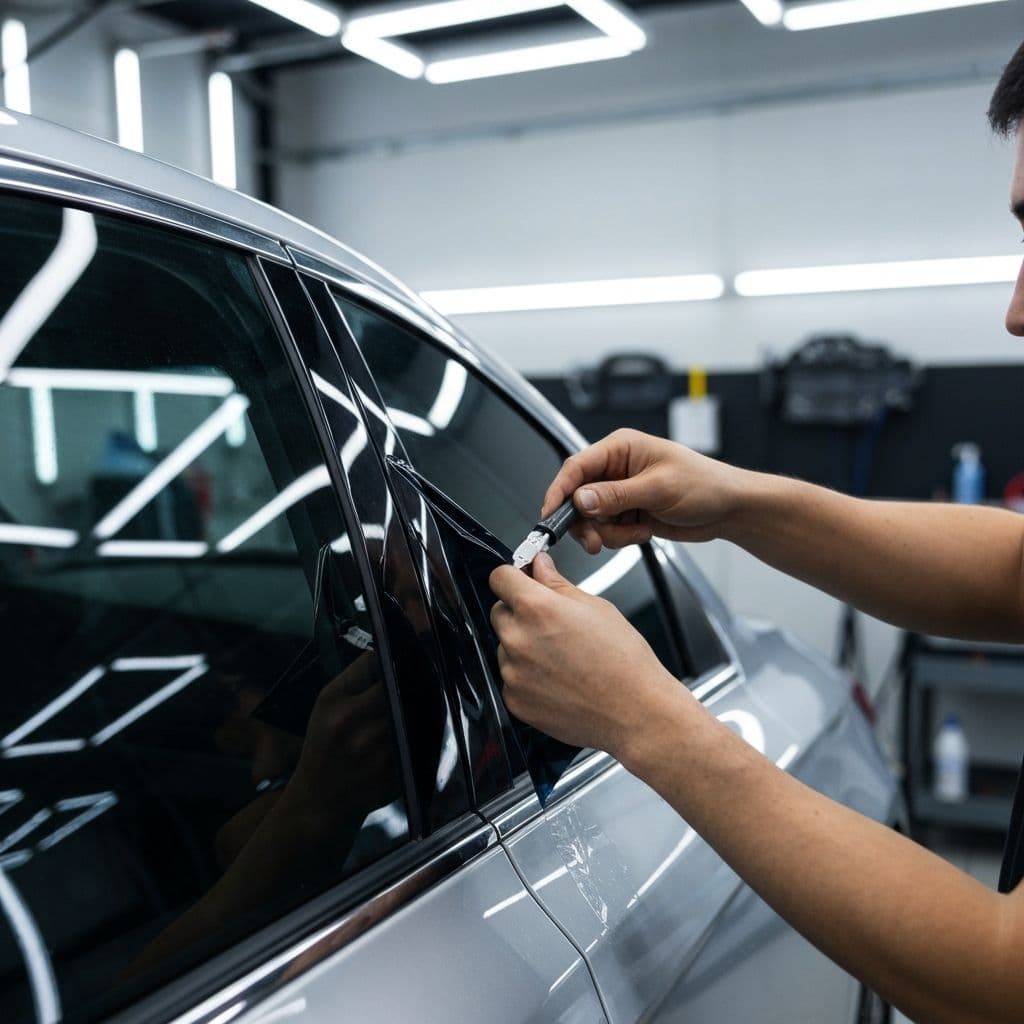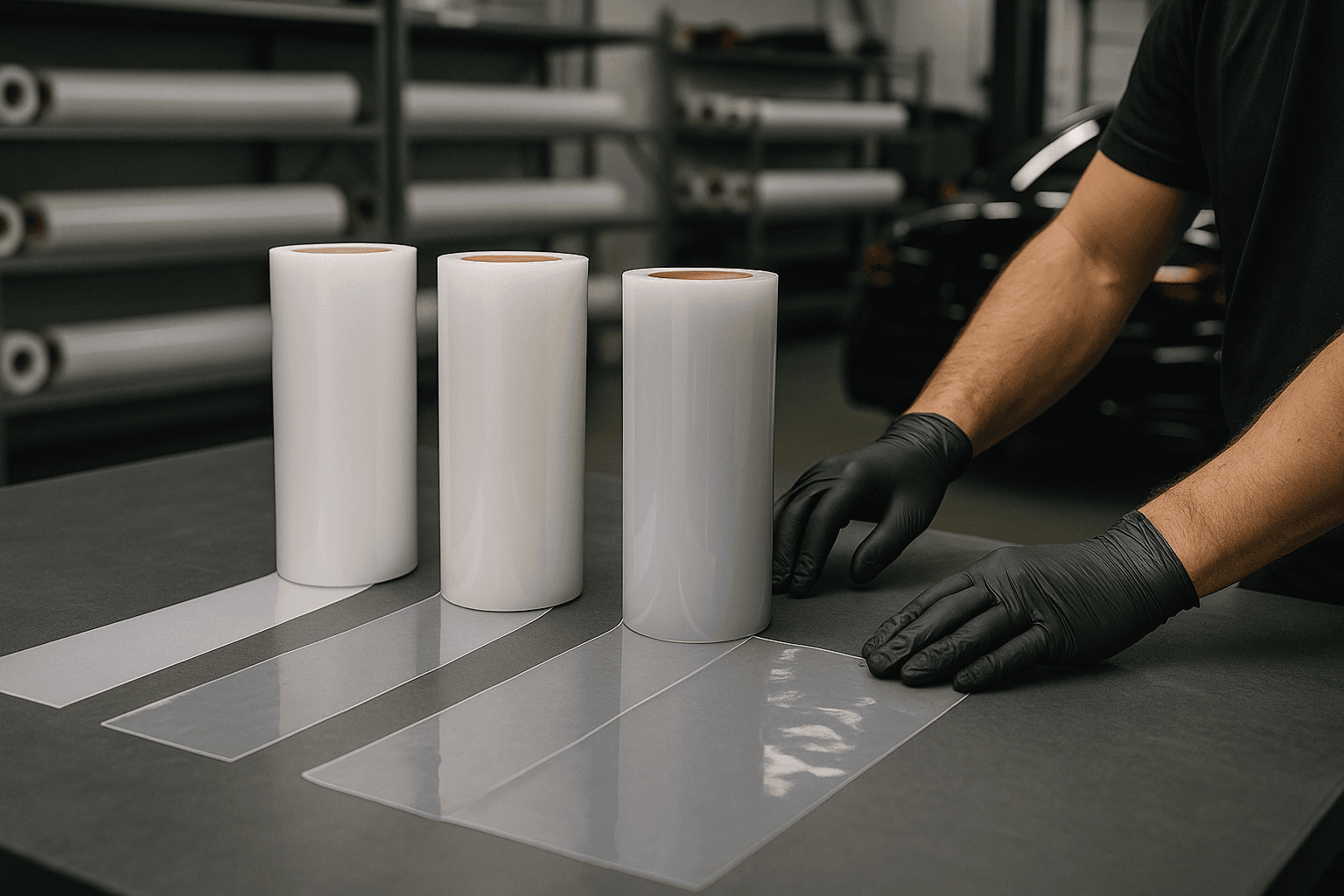
Paint protection film has matured into a highly competitive, technology-driven category. Whether you install LLumar PPF or XPEL PPF, work with a STEK distributor, or private-label from a PPF factory, the right decisions on brand, top coat and wholesale partner can make or break your margins.
How Modern PPF Is Built
Core film: TPU vs PET
Most premium PPF brands use aliphatic TPU (thermoplastic polyurethane) as the base film. TPU is preferred because it offers:
- High optical clarity
- Strong impact and chip resistance
- Flexibility for complex curves
- Compatibility with self-healing top coats
PET-based films are still used in some budget products and for color-change wraps. They can be cost-effective but usually do not match TPU for impact absorption or self-healing.
The role of the PPF top coat
The PPF top coat is where brands differentiate themselves. A modern top coat typically provides:
- Self-healing of light swirls under heat
- Hydrophobicity for easier washing and stain resistance
- Chemical and UV resistance to fight yellowing
Among well-known PPF brands:
- XPEL focuses on a patented elastomeric top coat to deliver fast, reliable self-healing and strong hydrophobic performance.
- LLumar uses its own proprietary top coating technology, such as Hydrogard-type systems, to balance scratch resistance, hydrophobicity and durability.
- STEK emphasizes nano-ceramic and super-hydrophobic top coatings on many films for easy maintenance and very high gloss.
- Other manufacturers and emerging PPF factories increasingly combine TPU with nano-ceramic and UV layers to compete with these leaders.
When you compare PPF top coats, focus less on marketing names and more on what matters in the bay: how quickly light swirls heal with heat, how easily bug splatter and bird droppings wash off, and how stable the gloss or matte finish remains over years of UV exposure.
LLumar PPF, XPEL PPF and STEK: Where Each Brand Stands Out
LLumar PPF
LLumar PPF is produced by a long-established film manufacturer with deep experience in performance films. In the premium space, LLumar positions its PPF as a balanced, all-round option:
- Good self-healing and optical clarity
- Strong UV resistance that helps reduce yellowing in high-sun climates
- Solid hydrophobic performance and stain resistance
- Warranty terms that are competitive with other top brands
For installers, LLumar PPF often represents a middle ground: premium performance, strong corporate backing and a reasonable cost structure, but with fewer specialty finishes than the most aggressive innovators.
XPEL PPF
XPEL PPF is best known for its combination of high film quality and a large installer network. Its flagship products emphasize:
- Fast, reliable self-healing under heat
- Very high gloss and strong optical clarity
- Durable stain resistance against road grime and environmental fallout
- Long-term warranties backed by a structured certification program
In many markets, XPEL PPF also benefits from a very comprehensive pattern database for plotters, which can speed up installations and reduce cutting on the car. That ecosystem, plus brand recognition, often allows certified installers to command a price premium.
The trade-off is that XPEL PPF is typically priced at the higher end of the market and focuses mainly on clear gloss, matte and black options, without a large catalog of colored or experimental finishes.
Working with a STEK distributor
STEK has built a reputation as a performance and finish innovator. Installers frequently highlight several characteristics of STEK films:
- Very fast self-healing on its premium lines
- Excellent optical clarity
- A top coat that is highly hydrophobic for easy cleaning
- A wide range of finishes, particularly in matte and color PPF
If you are looking for a STEK distributor, you are often targeting vehicles where finish is just as important as protection: exotics, high-end SUVs, or customers wanting colored or tinted films. In those cases, STEK’s extended palette can help you stand out relative to shops that only offer clear gloss.
The main considerations when partnering with a STEK distributor are local availability and certification. In some regions, the installer network is smaller than more established mass-market brands, so you may need to plan around product lead-times and training.
Comparing PPF Brands for a B2B Operation
For a detailing shop, tint studio or restyling center, the PPF brand choice is not only a technical decision; it is a business decision.
Performance: the gap is narrower than many think
Across the top brands, the underlying TPU technology has become very strong. Independent comparisons consistently show that flagship films from XPEL, STEK, LLumar and other leading brands all:
- Self-heal light swirl marks with heat
- Offer multi-year warranties, often around ten years
- Provide thickness in the 8 mil range
- Protect effectively against chips and minor abrasions
That means installer skill, surface preparation and aftercare education often matter more than microscopic differences between one premium PPF top coat and another.
Finish options and product range
Where PPF brands truly diverge is in finish diversity:
- Some brands focus on clear gloss and matte films with a small number of black or smoked options.
- Others push into colored, textured or tinted PPF, offering more ways to combine protection with a style change.
If your core market is daily-driver protection packages, a comprehensive set of clear gloss and matte options from a major brand is often enough. If you specialize in high-end restyling, having access to color PPF and specialty textures through a STEK distributor or an innovative PPF factory can be a major differentiator.
Pricing and margin structure
Wholesale cost structures vary:
- Recognized global brands often carry a premium price per roll but help you charge more per vehicle.
- Newer or regional brands, including some Chinese manufacturers, may deliver high performance at a lower cost per square foot, improving your margin if your market is price-sensitive.
Your choice of PPF wholesale partner should balance:
- Material cost and shipping
- Warranty and support
- Marketing support and brand pull
- Training, technical data and pattern access
How to Evaluate a PPF Factory or OEM Supplier
If you are considering private-labeling or working directly with a PPF factory, you need to go deeper than the sales sheet. Premium results require both good materials and consistent production.
Material stack and technical specs
Ask every PPF factory to clearly detail the film structure and key specs:
- Base material: confirm aliphatic TPU for premium lines
- Thickness range: many leading films sit around 8–8.5 mil
- Top coat chemistry: self-healing capability, hydrophobicity and UV resistance
- Adhesive type: pressure-sensitive adhesive tuned for wet installations
A well-designed stack might use TPU plus a multi-layer top coat with nano-ceramic and UV-blocking components to increase gloss retention and anti-yellowing properties.
Production consistency and quality control
Consistent rolls are essential for installers. When assessing a PPF factory, look for:
- Stable clarity and gloss from batch to batch
- Even top coat coverage
- Clean, well-slitted edges on rolls
- Documented in-house testing for yellowing, tensile strength and adhesion
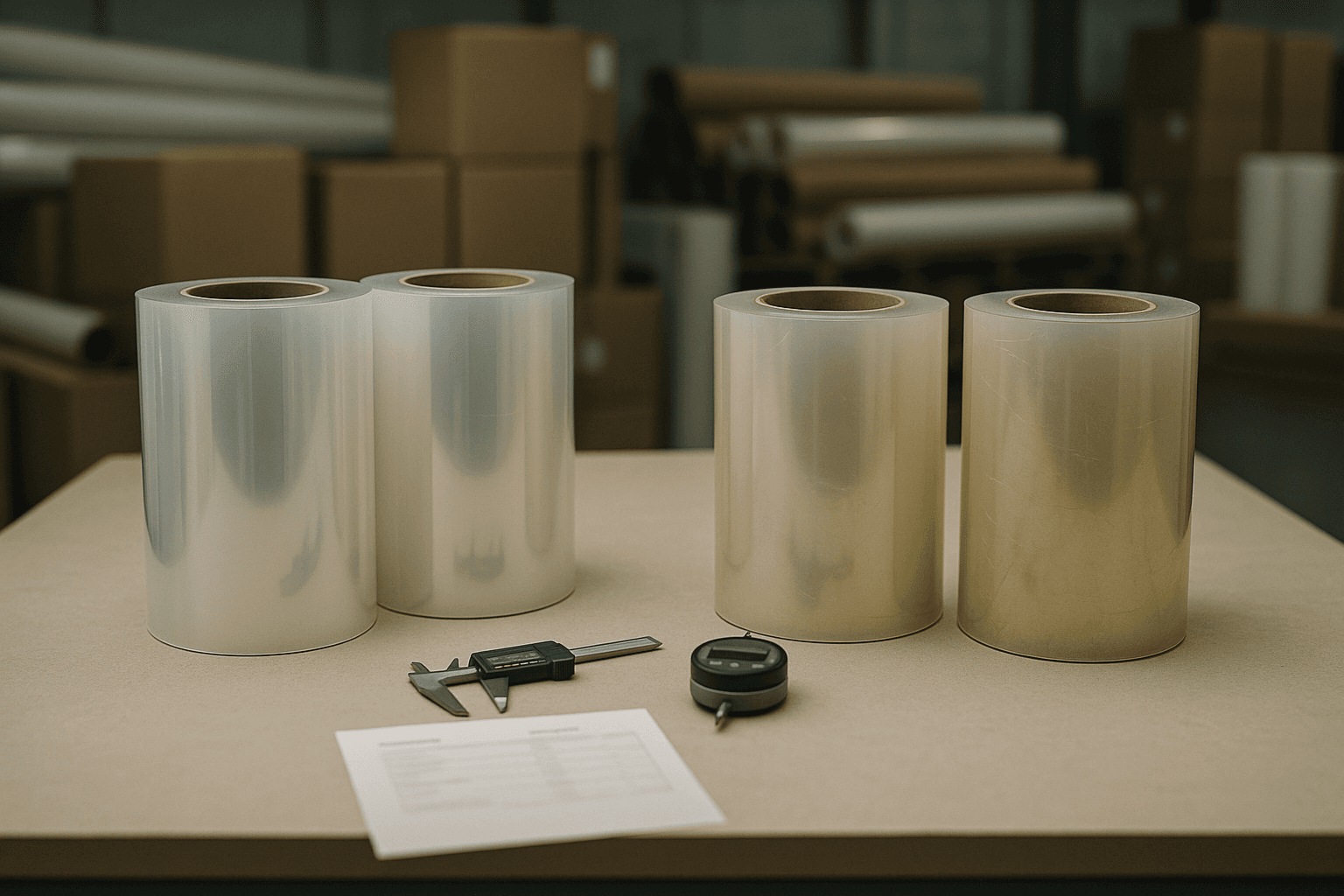
Request sample rolls in full installer lengths, not just small swatches, so you can evaluate stretch behavior, tack and contamination over real vehicles.
Support, documentation and warranties
A strong OEM or factory partner should provide:
- Clear installation guidelines and recommended slip/tack solutions
- Data sheets with performance test summaries
- Transparent warranty terms and claim processes
If you plan to resell under your own name, confirm whether the factory will support white-label warranties or if you must manage those entirely in-house.
Building a Profitable PPF Wholesale Strategy
Choosing your PPF wholesale mix
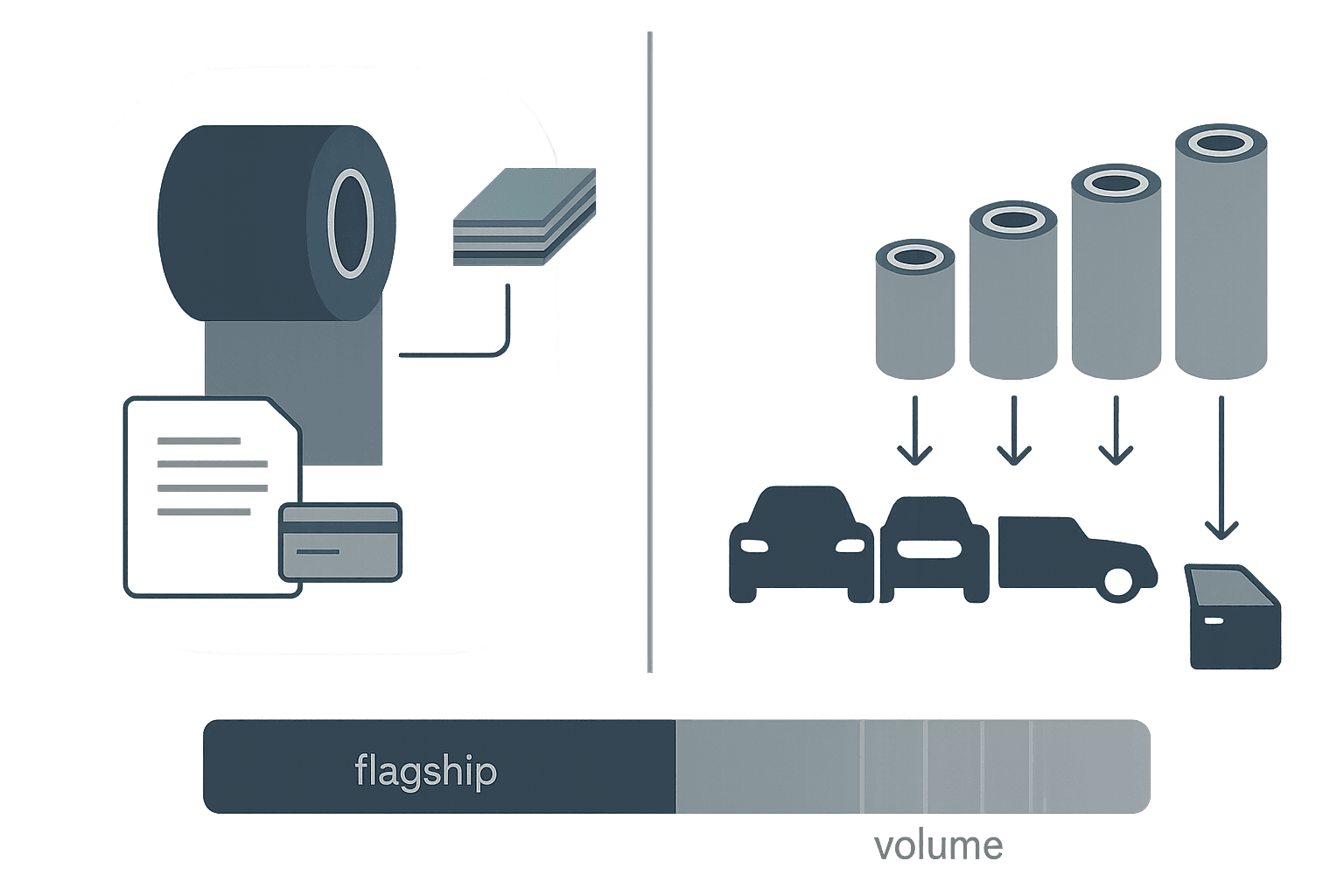
Most successful B2B programs avoid relying on a single product. Instead, they define a tiered portfolio such as:
- Flagship brand line: for customers demanding the most recognized names like LLumar PPF or XPEL PPF, with long warranties and strong branding.
- Enthusiast or specialty line: for matte, color, black and textured films, often sourced via a STEK distributor or other specialty supplier.
- Value line: a cost-effective PPF from a trusted PPF factory, aimed at fleets and budget-conscious drivers.
This mix allows you to:
- Serve multiple customer segments
- Protect your brand reputation with strong top-tier options
- Maintain healthy margins with value lines where appropriate
Negotiating terms with distributors and factories
When discussing PPF wholesale terms, go beyond the price list and negotiate around:
- Volume-based price breaks and rebates
- Territory or category exclusivity if realistic
- Shipping frequency and local warehousing options
- Training, marketing assets and co-op advertising
If you already install a major brand such as LLumar PPF or XPEL PPF, you can often leverage your volume history to secure better pricing or additional marketing support from your supplier.
Operational best practices for installers
To unlock the full value of your PPF brand choice and wholesale agreements, align operations with the material:
- Train installers specifically on each film’s stretch and tack behavior.
- Standardize installation fluids and squeegee systems to match the adhesive.
- Educate customers on curing times, washing practices and aftercare so the PPF top coat performs as designed.
This tight alignment reduces rework, warranty claims and film waste, directly improving profitability.
Frequently Asked Questions
How do LLumar PPF and XPEL PPF compare for a typical shop?
Both LLumar PPF and XPEL PPF operate in the premium segment with TPU construction, self-healing top coats and long warranties on their flagship products. In practice, the main differences for a shop are branding, installer network size, pattern software ecosystems and local distributor support. XPEL is often associated with a very large pattern database and strong name recognition, while LLumar offers balanced performance and robust backing from an experienced film manufacturer. For many businesses, installer technique, customer service and pricing strategy have a greater impact on success than the choice between these two brands alone.
What should I look for in a STEK distributor partnership?
When selecting a STEK distributor, focus on reliable local stock, training access and responsiveness. STEK’s value often lies in its advanced top coats and broad range of finishes, especially matte and color PPF, so you want a distributor that can supply the specific SKUs you need without long delays. Confirm how they handle warranty support, what installation guidance they provide and whether they can assist with marketing materials. Because STEK films are popular on higher-value and custom vehicles, consistent availability and technical support are especially important.
Is it worth buying directly from a PPF factory instead of a brand distributor?
Buying directly from a PPF factory can deliver better pricing and flexible private-label options, which may improve your margins in price-sensitive markets. However, you take on more responsibility for vetting film quality, managing branding and handling warranty claims. Established brands already invest heavily in R&D, testing, marketing and installer support, which can save you time and reduce risk. If you have enough volume, technical expertise and a clear plan for quality control and customer support, a direct factory relationship can be attractive. Otherwise, many shops start with major brands, then gradually add one carefully selected factory-sourced line as a value option.
How important is the PPF top coat compared with the base TPU film?
Both are important, but they do different jobs. The TPU base film primarily provides impact resistance, flexibility and overall structural strength, while the PPF top coat drives user-visible characteristics like gloss or matte uniformity, self-healing speed, hydrophobic behavior and chemical resistance. A strong TPU layer with a weak top coat can still protect against chips but may stain, lose gloss or show marks more quickly. Conversely, a sophisticated top coat on low-grade TPU may look good initially but not hold up structurally. For long-term performance, you need a well-designed combination of TPU and top coat that has been tested as a system.