
PPF Manufacturer and Alternative Guides
Practical sourcing guides for buyers reducing supplier risk while comparing China PPF manufacturers, XPEL alternatives, STEK alternatives, private label packaging, OEM supply, window tint programs, film specifications, finish choices, topcoat behavior, sample testing, batch consistency, warranty handling, and quote preparation.
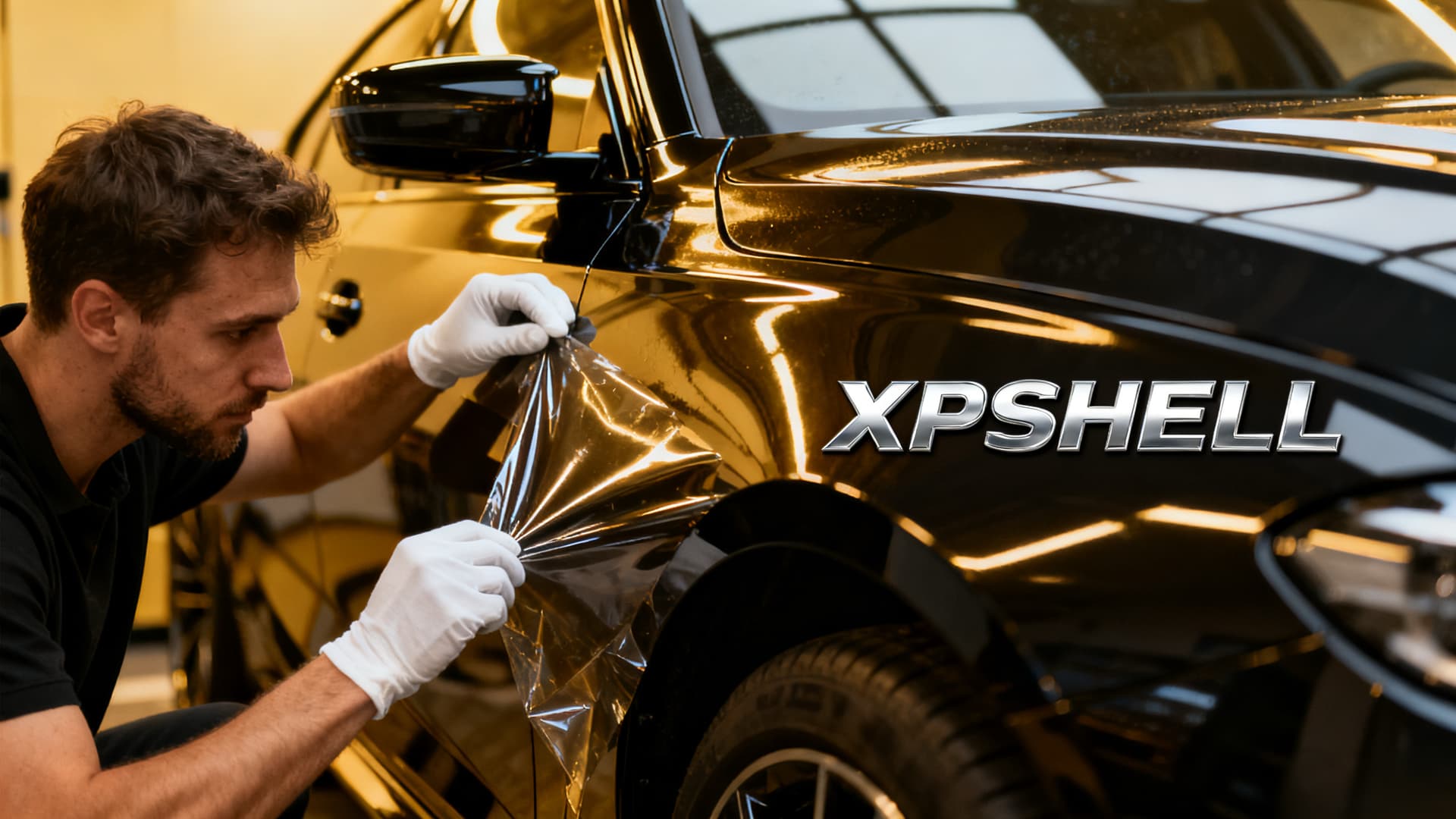
Does PPF Warranty Really Matter? How Distributors Should Evaluate Supplier Support
PPF warranty is more than a product guarantee. For distributors, installation shops, and OEM brands, it reflects supplier responsibility, product stability, and long-term business support. This article explains how to evaluate PPF suppliers through warranty coverage, batch tracking, technical support, and after-sales service to reduce risks and build reliable partnerships.
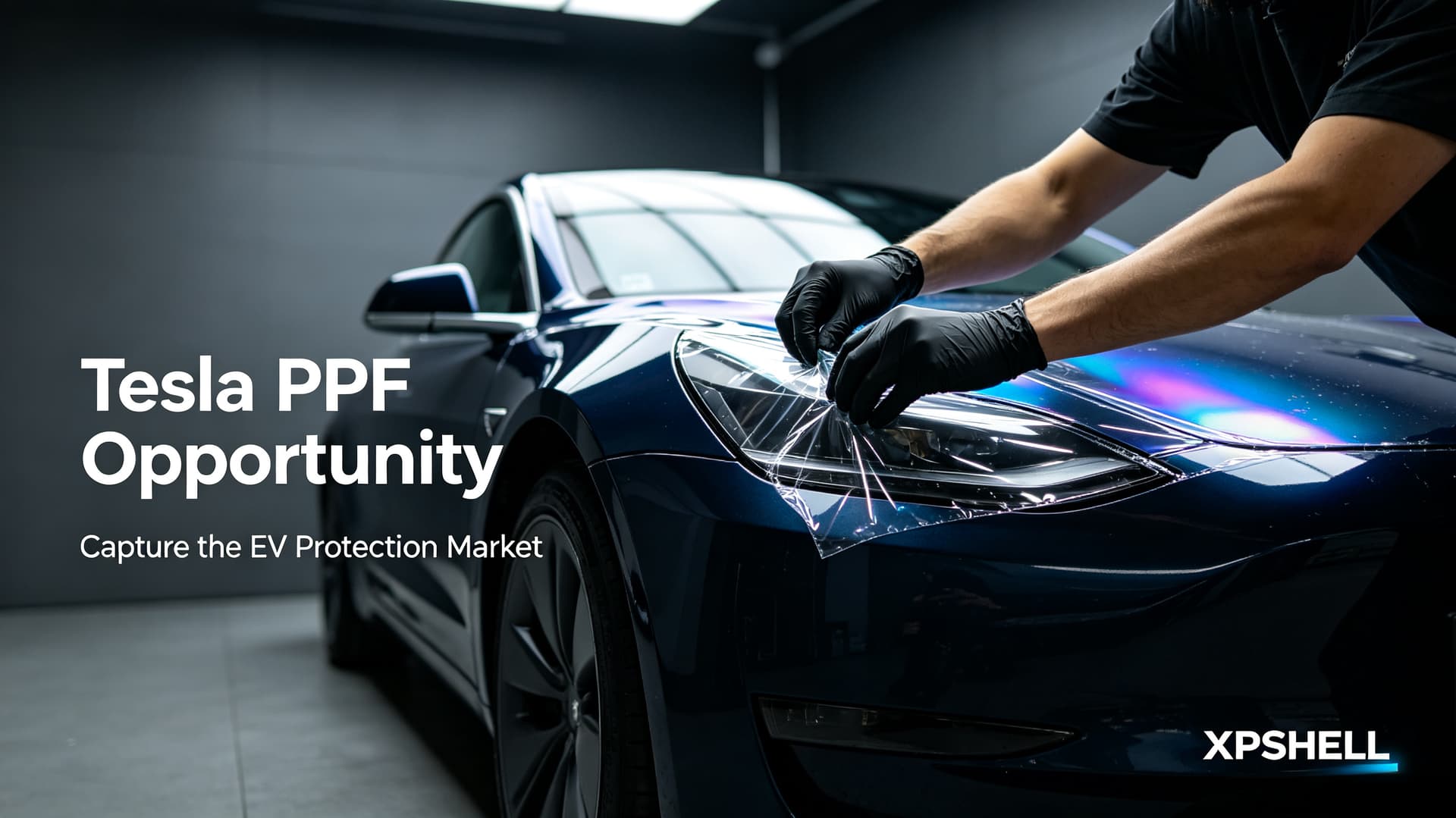
Tesla Owners Are Choosing PPF: How Distributors Can Capture the Growing EV Protection Market
Tesla and EV growth are creating new opportunities for the automotive protection market. Learn how PPF distributors can meet Tesla owners’ demand with the right product solutions, stable supply, and reliable OEM partnerships.
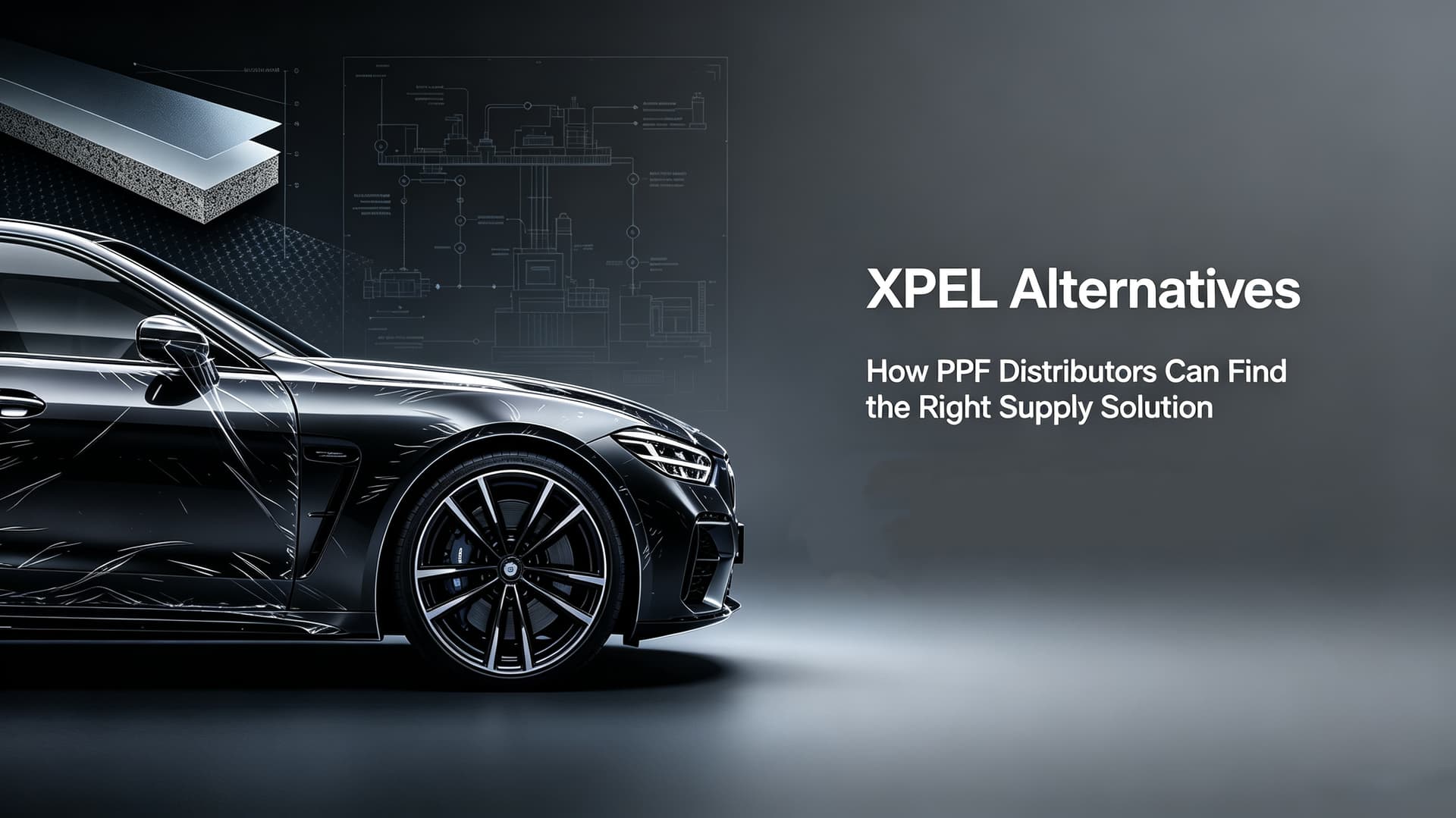
XPEL Alternatives: How PPF Distributors Can Find the Right Supply Solution
For PPF distributors, choosing a supplier is not only about brand recognition. Different markets require different solutions. This article explains how businesses can compare premium PPF brands, OEM manufacturers, and private label suppliers to balance brand value, purchasing cost, profit margin, and long-term supply stability.
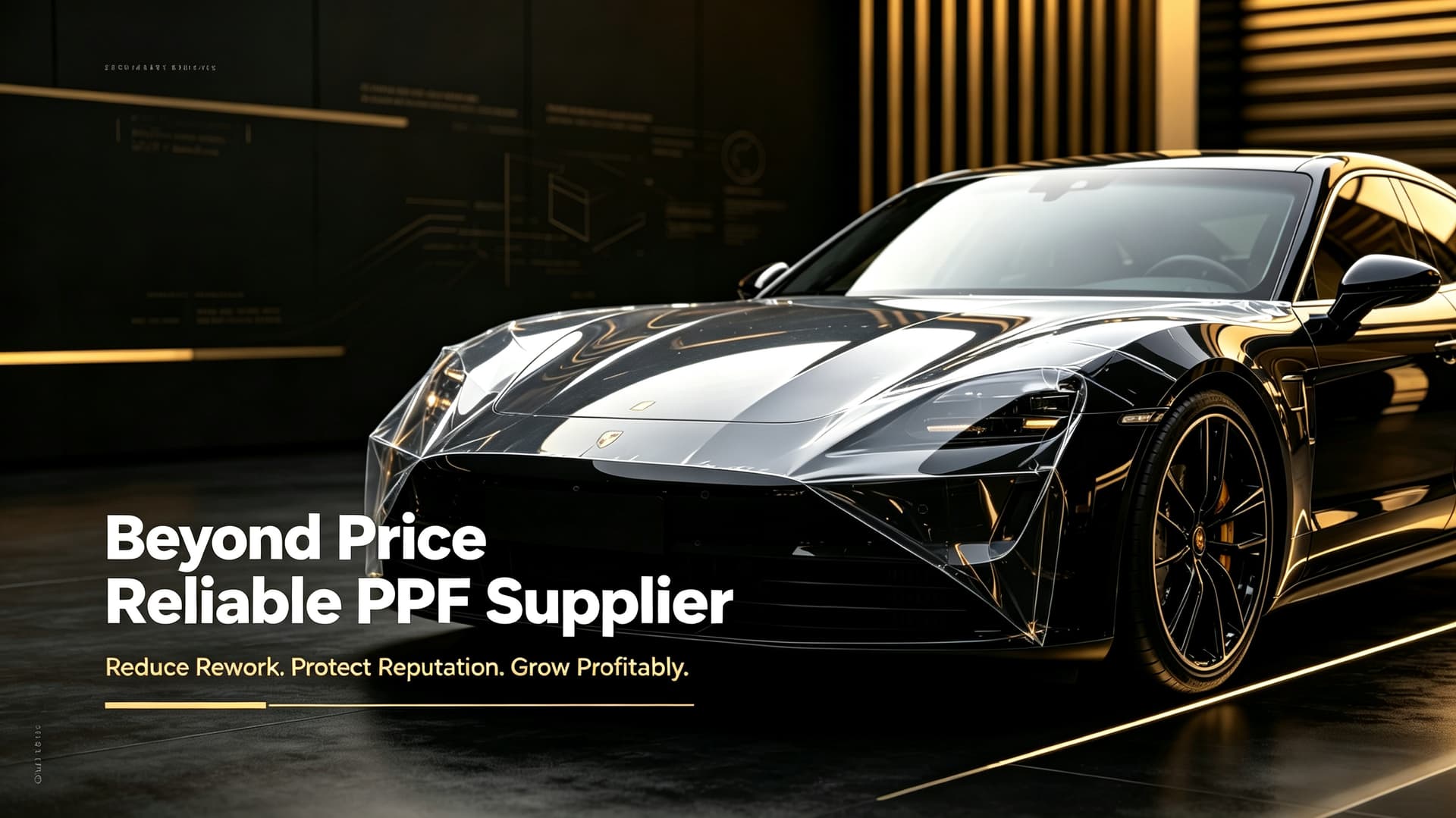
How to Choose a Reliable PPF Supplier: Why Installers Should Look Beyond Price
For PPF installers and distributors, the right supplier can directly affect installation efficiency, customer satisfaction, and long-term profitability. Learn how to evaluate PPF suppliers beyond price, from product stability and installation performance to OEM support and reliable supply.
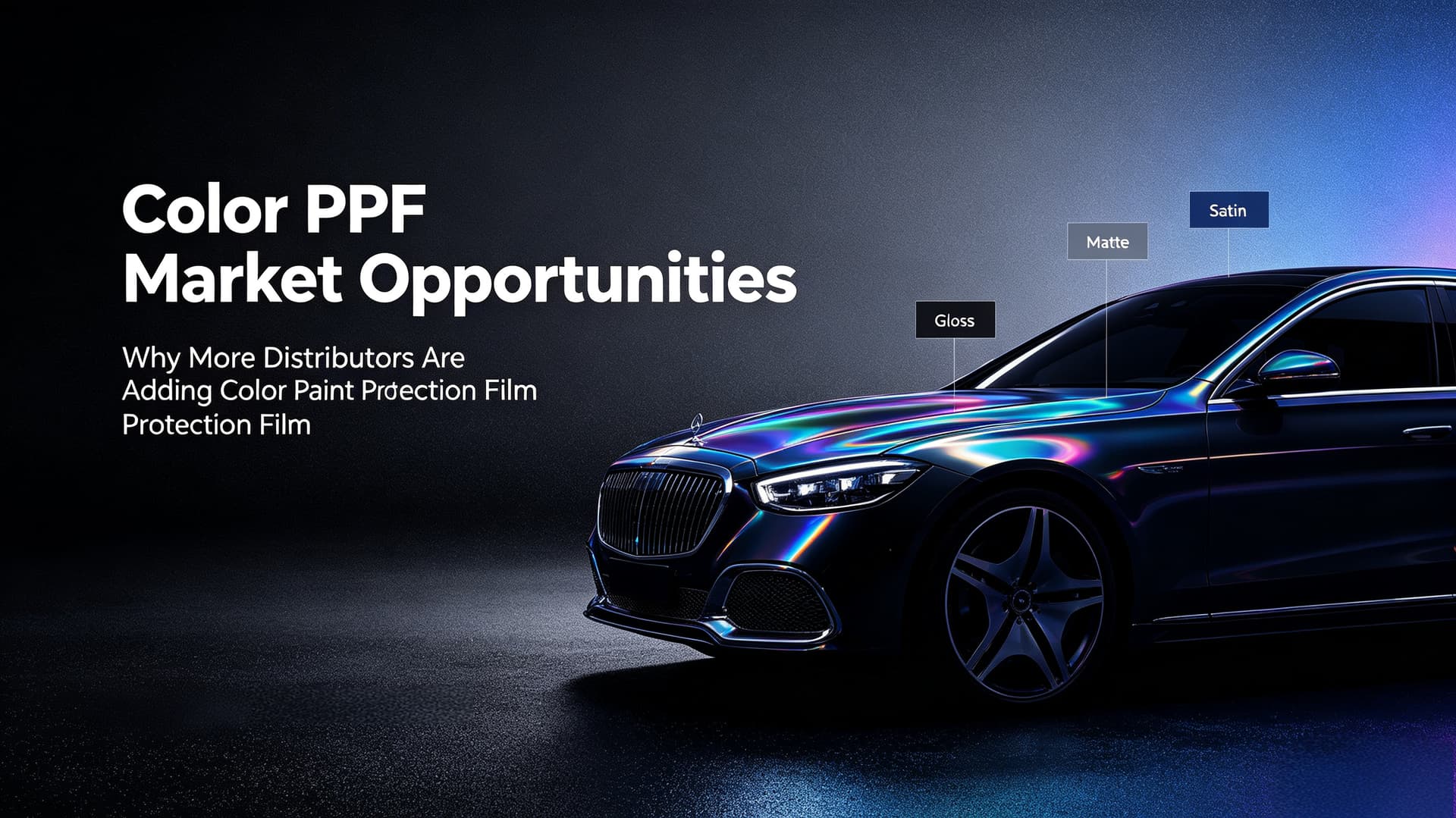
Color PPF Market Opportunities: Why Are More and More PPF Distributors Paying Attention to Color Paint Protection Film?
As vehicle personalization demand continues to grow, Color PPF is attracting more attention from PPF distributors, installers, and automotive film brands. This guide explains the market potential of Color PPF, its differences from traditional PPF and vinyl wrap, key supplier capabilities, and how OEM partners can build new product opportunities with a reliable manufacturer.
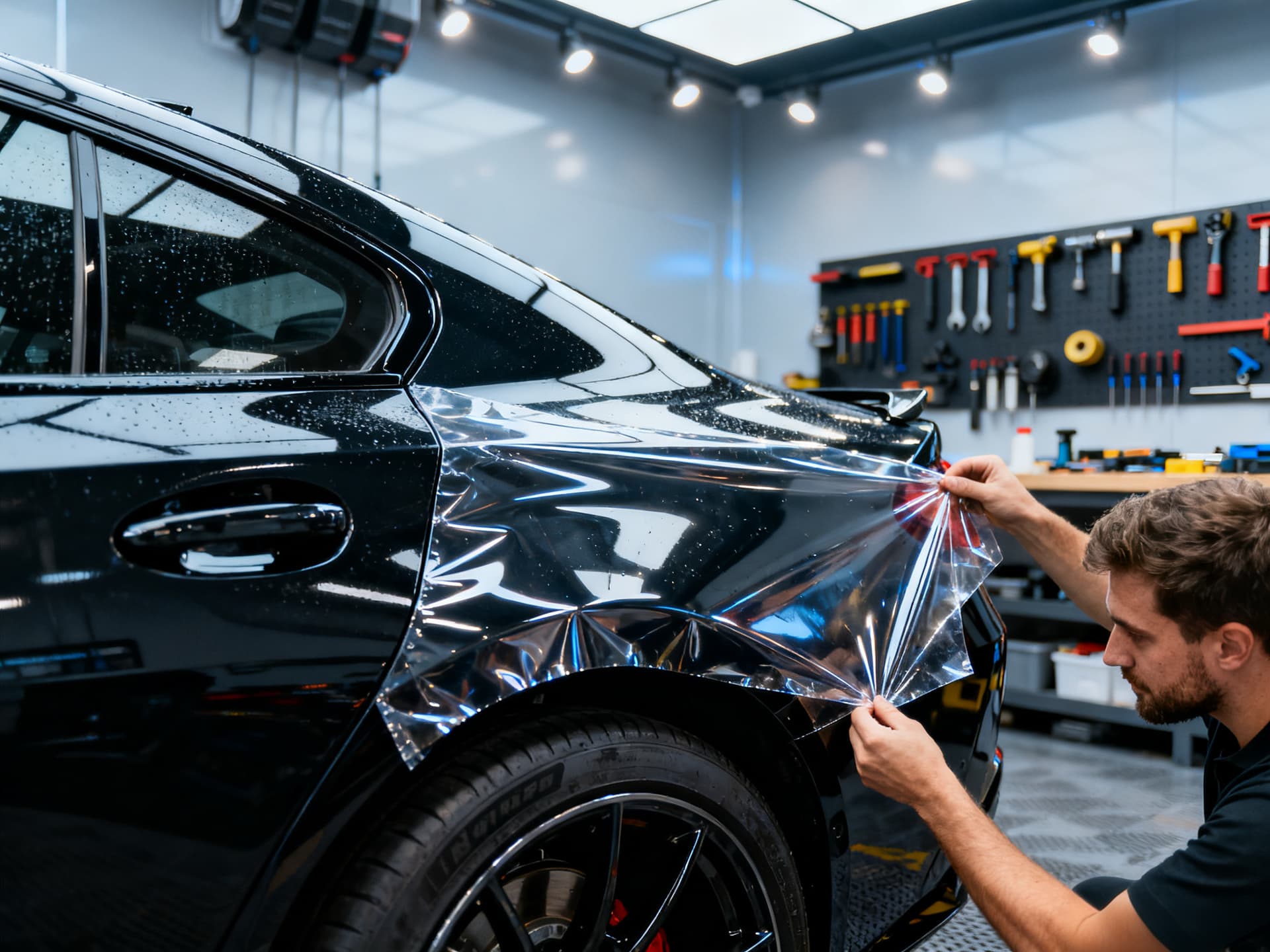
Why Does PPF Fail? Common Problems Caused by Poor-Quality Film and Improper Installation
This article analyzes common failure modes of automotive paint protection film (PPF), including bubbles, dust inclusions, edge lifting, premature yellowing and adhesive residue upon removal. It provides practical criteria to distinguish installation‑caused faults from material and manufacturing defects. Based on real‑world B2B sourcing pain points, it explains how buyers can evaluate PPF manufacturers from production capacity, raw‑material quality, lab testing and batch consistency. It also shares actionable suggestions for wholesalers, installers and private‑label clients to lower after‑sales risks when sourcing PPF supplies.
How Long Does PPF Last? Real‑World Aging Performance, Common Issues & Maintenance Tips to Avoid Pitfalls
Although many PPF products claim a 5‑10‑year warranty, real‑world service life varies greatly due to TPU substrate quality, top‑coating formulation, batch‑to‑batch consistency, local climate, installation and maintenance conditions. Warranty periods do not equal actual lifespan. This article draws on industry standards and global field cases to list common aging issues including yellowing, edge lifting, adhesive residue and declining self‑healing performance. It provides practical selection advice for distributors and OEM buyers. For B‑B partners, priority should be given to batch stability, weathering resistance and adhesive quality rather than marketing claims, so as to reduce after‑sales risks and maintain sustainable profitability.
Why Do PPF Prices Vary So Much? A Comprehensive Analysis of High-End vs Low-End Paint Protection Films from Materials, Processes, Supply Chain and B2B Procurement Logic
This article comprehensively analyzes the substantial price gaps between high-end and low-end automotive paint protection films (PPF) from a professional B2B procurement perspective. It clarifies that PPF pricing differences stem not from simple brand premiums, but from systematic gaps in TPU substrate quality, surface coating performance, adhesive formulation, standardized production processes, batch quality control, and full supply chain service capabilities. It further explains the unique cost logic of colored PPF, summarizes the core procurement principles for overseas stores, wholesalers and OEM distributors, and answers frequent industry questions. The article helps global B2B buyers avoid low-price traps, recognize hidden after-sales risks, and select stable, cost-effective and long-term cooperative PPF suppliers.
TPU PPF vs TPH PPF: Key Differences and How Dealers Choose the Right Film for Their Market
There is a prominent price and performance gap between TPU and TPH paint protection films (PPF) on the global market, which often confuses overseas distributors, installation shop owners and OEM private-label buyers. This article draws conclusions based on third-party industry test data and international film testing standards, systematically comparing the two materials in terms of optical clarity, thermal self-healing capability, anti-yellowing weather resistance, stretch construction performance and full-lifecycle operating costs. It also provides targeted material selection suggestions for markets with different consumption levels and climatic conditions. Meanwhile, we introduce practical sample identification tests that buyers can implement before bulk orders, and elaborate on XPSHELL’s all-aliphatic TPU product positioning and complete OEM & distribution supporting services, helping B2 purchasers avoid after-sales risks brought by inferior TPH products and build stable, profitable long-term supply business.