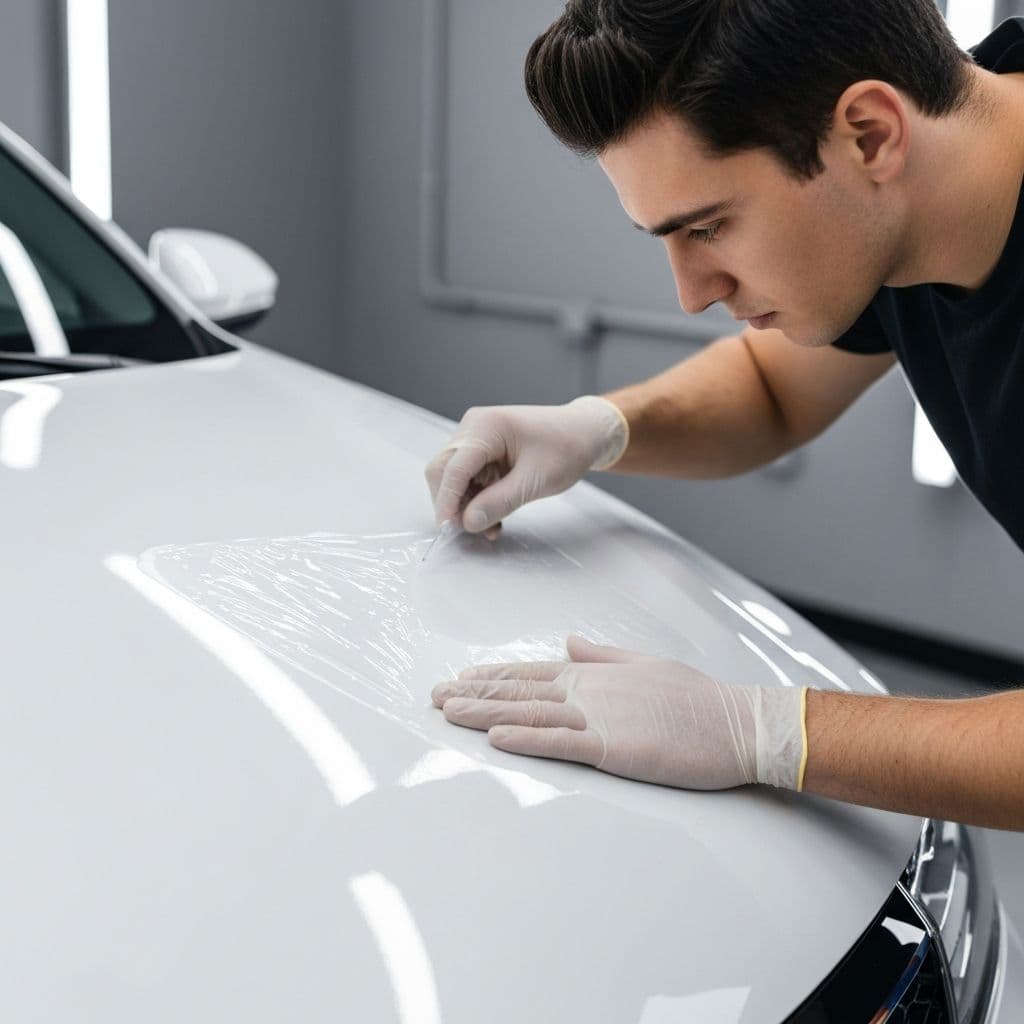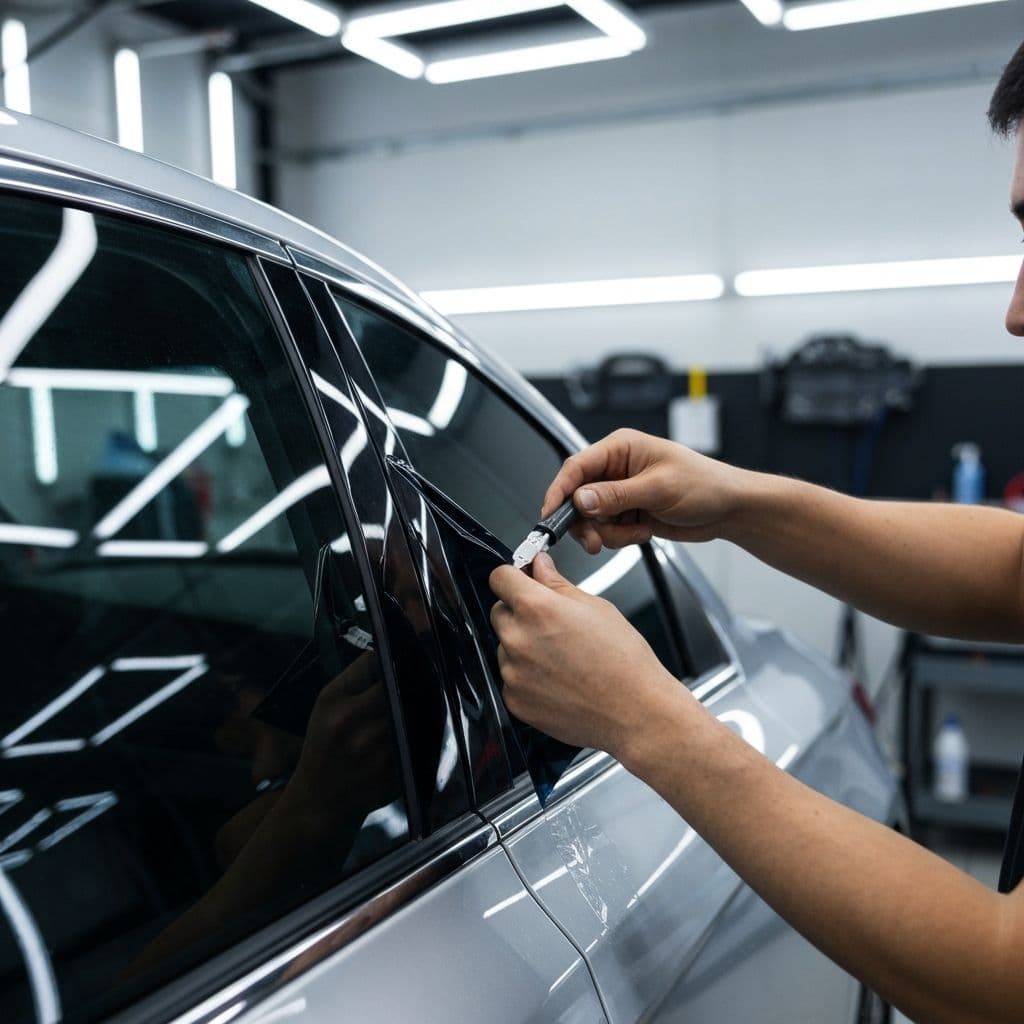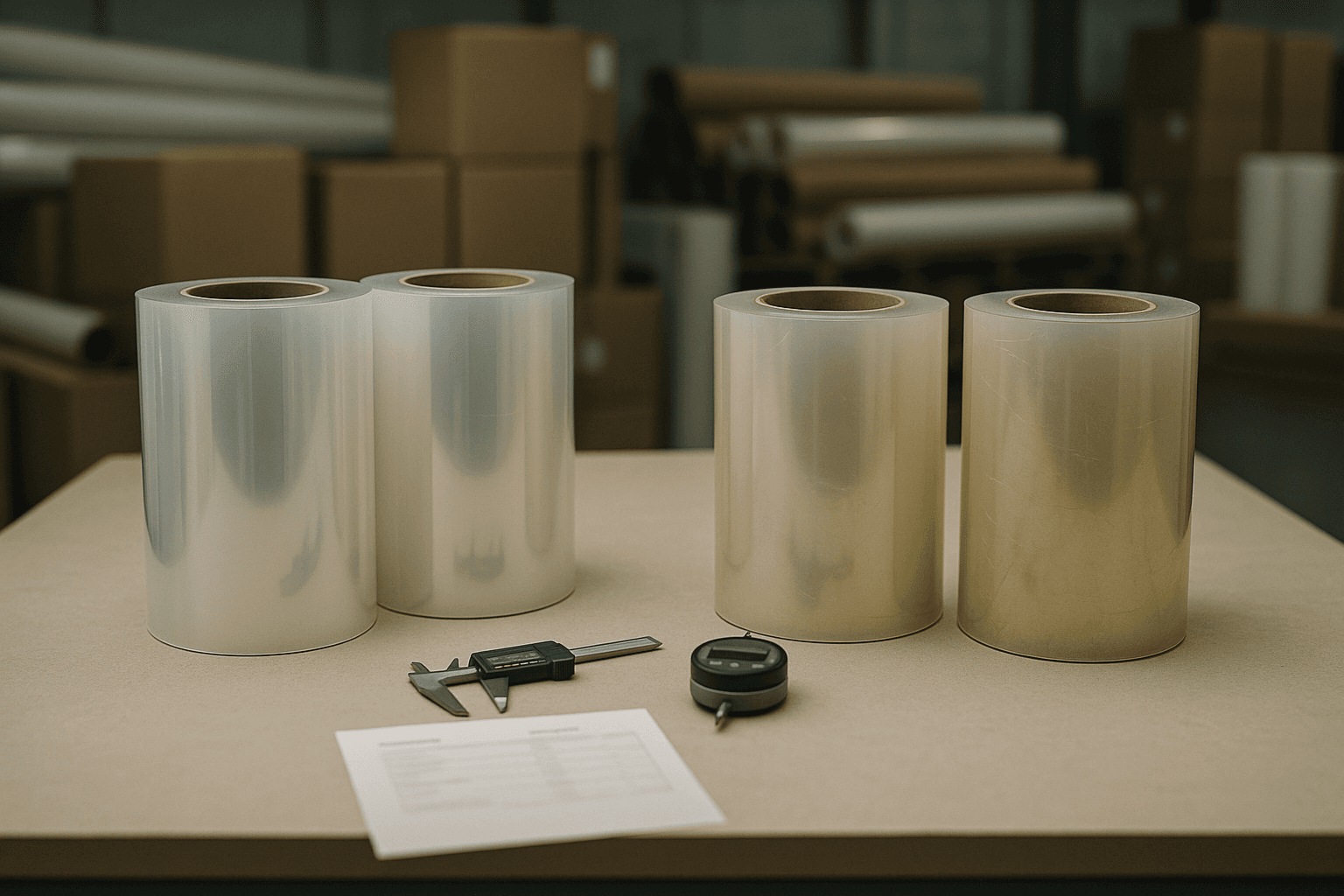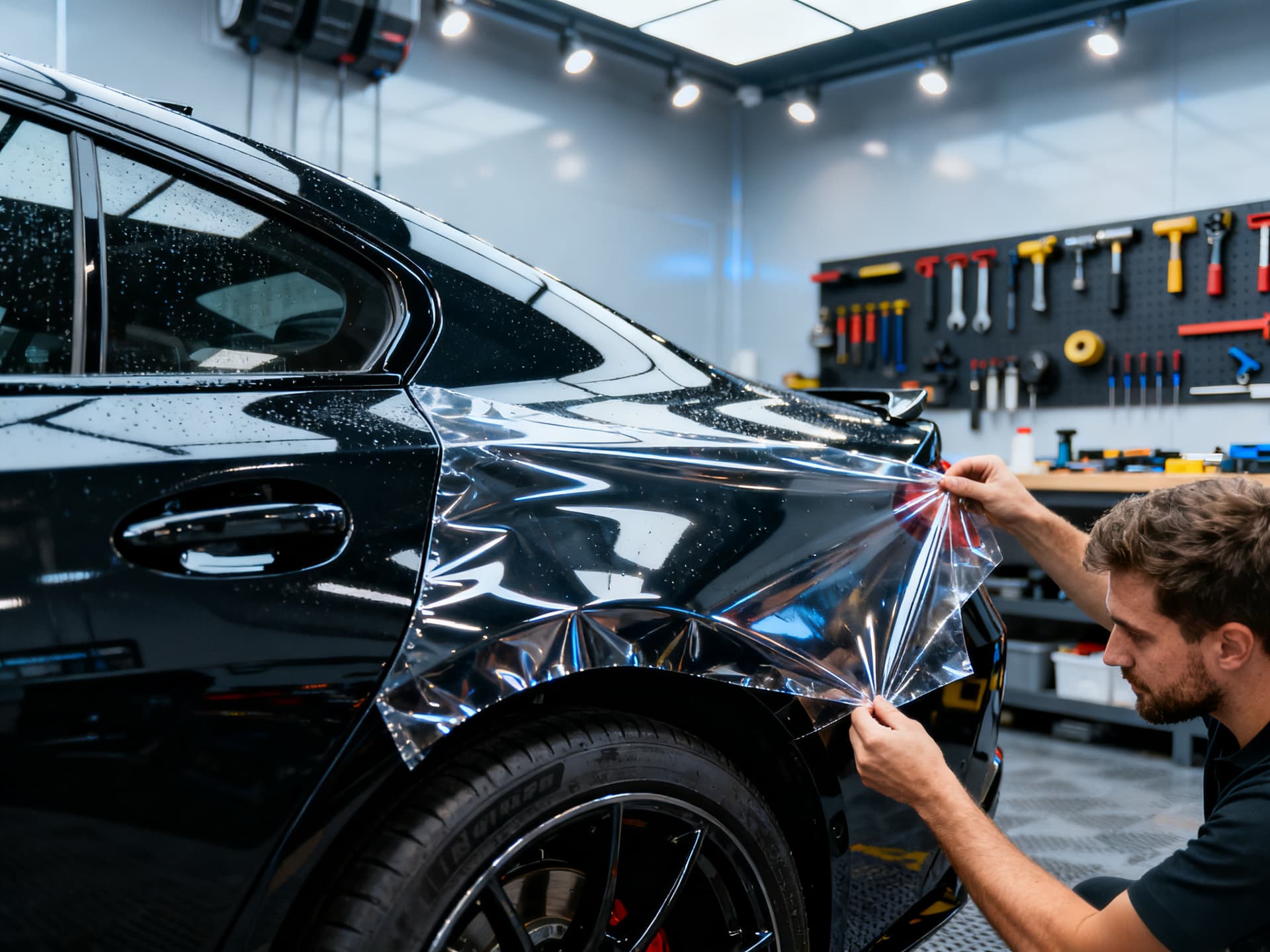
With years of experience in PPF manufacturing and export, we work with a large number of global installation shops, cross‑border distributors and brand clients. We fully understand that after‑sales issues are the biggest pain point that hurt profits and local reputation. Problems such as bubbles, dust spots, edge lifting, premature yellowing and residual glue after film removal will not only increase rework costs and trigger customer complaints for installers, but also damage the long‑term market reputation of distributors.
In our daily communication with clients, we find many practitioners cannot accurately identify the root cause of PPF failures. They simply blame everything on product quality, or mistake material defects for installation errors. As a result, after‑sales disputes keep recurring and cannot be fundamentally resolved.
Drawing on our in‑house factory’s years of R&D, quality‑control testing and export experience covering more than 38 countries worldwide, this article is written from the perspective of an original equipment manufacturer. It comprehensively breaks down various PPF failure modes, clearly distinguishes material defects from installation mistakes. We also share our standardized production, quality control and testing systems, explaining how to fundamentally reduce PPF after‑sales risks from the supply chain source.
I. Core Judgment: Is PPF Failure Caused by Material or Installation?
Based on our in‑house production‑line test data, real‑world after‑sales feedback from overseas clients and eight‑year cross‑border export experience, we have summarized a practical B2B judgment logic to help partners quickly locate after‑sales responsibilities:
Failure occurring at one shop on individual vehicles → Most likely caused by improper installation or later‑stage maintenance.
Failures across multiple shops with numerous vehicles from the same batch of goods → 100 % attributed to factory production and material quality‑control problems.
Most intermediaries and small assembling factories in the industry do not possess independent production capabilities. They cannot control raw‑material quality, coating precision and batch‑to‑batch consistency. Such suppliers win orders with good‑quality samples, yet deliver bulk goods with frequent after‑sales problems. This is the main reason why many distributors suffer losses and damaged reputation.
Founded in 2017, XPSHELL is an original PPF manufacturer with ISO 9001 certification and serves clients in over 38 countries. We always stick to one core principle: a reliable PPF supply chain does not rely on impressive sample performance, but consistent quality across every bulk shipment.
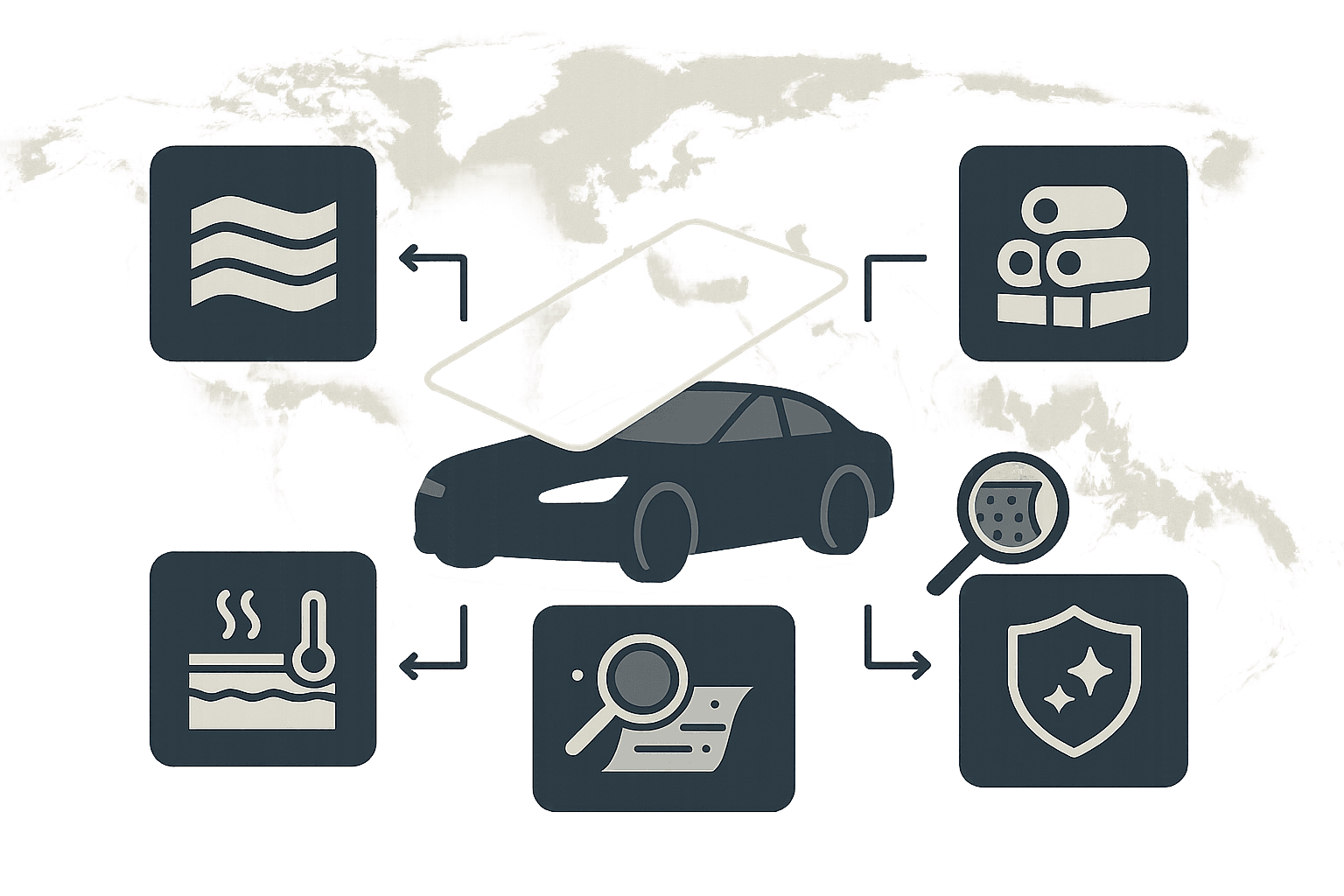
II. Common PPF Failures, Root Causes and Practical Solutions
2.1 Bubbles and Water Blisters after Installation
Normal condition: Minor water blisters appear due to residual moisture trapped between film and paint surface. This is a normal installation phenomenon and will disappear naturally within 1‑2 weeks without manual intervention.
Failure caused by installation: Poor cleanliness of the workshop environment, incomplete paint preparation, uneven water‑squeezing operation and dust trapped during installation will form permanent bubbles that cannot disappear naturally. This is classified as an installation‑side problem.
Failure caused by material: Non‑standard production, unstable adhesive formulation, uneven coating thickness and poor film permeability lead to persistent bubbles across an entire batch. Such production‑process defects cannot be fixed no matter how skilled the installers are.
Solution: We operate an independent dust‑free coating production line with full in‑house control over core processes. We strictly manage coating uniformity and adhesive stability. Mass‑production formulations are fixed and raw materials will not be replaced arbitrarily. We eliminate batch bubble risks caused by unstable manufacturing processes and ensure consistent performance of every shipped roll.
2.2 Internal Dust Spots and Particle Impurities
Installation‑side cause: The workshop is not fully enclosed with floating dust. Dust gets trapped between film and paint surface during application and forms visible particle defects. This is an environmental issue at the installation site.
Production‑side cause: Non‑dust‑free production workshops, insufficient raw‑material purification and immature coating processes result in inherent particle defects on finished films, which can be seen by naked eyes even before installation. This represents loopholes in factory quality control.
Solution: All our production is carried out in standardized dust‑free workshops with full enclosure against dust. Every jumbo roll undergoes dual inspection by operators and equipment before shipment. Products with impurities or defects are completely rejected. Zero factory‑defective rolls are delivered so this type of after‑sales problem is avoided at source.
2.3 Edge Lifting and Film Peeling Off
Installation‑side cause: Improper edge trimming, insufficient compaction on film edges, unreasonable stretching over curved body panels, or high‑pressure water washing shortly after installation will cause local edge lifting and peeling. These are improper installation practices.
Critical material‑related failure: Inferior TPU base material with poor ductility and adhesive layers lacking high‑low temperature resistance cannot adapt to hot or harsh cold climates. Such defects appear in batches across different regions and shops. They are intrinsic product flaws and cannot be improved by better installation work.
Solution: We exclusively use brand‑new aliphatic TPU raw materials with excellent ductility and temperature resistance. Our self‑developed constant‑temperature curing process stabilizes coating and adhesive structures to deliver strong edge adhesion. Films stay well‑attached without lifting or peeling under high‑heat sunshine or freezing cold conditions around the world.
2.4 Premature Yellowing upon Aging
Among all after‑sales cases we handle, yellowing is the most damaging issue to business reputation. Almost 100 % of yellowing problems stem from material performance and have nothing to do with installation work.
Many low‑cost products on the market adopt recycled TPU or aromatic TPU feedstock with insufficient UV stabilizers. Under continuous ultraviolet radiation, films age and turn yellow rapidly, ruining paint gloss and bringing plenty of customer complaints and rework costs.
Solution: We select premium brand‑new aliphatic TPU raw materials and reject recycled or low‑grade inputs. Every incoming batch of raw materials goes through UV aging and weather‑resistance testing in our in‑house laboratory. We prevent yellowing and aging risks from the beginning, ensuring long‑term clarity and weather resistance for bulk goods used in global outdoor environments.
2.5 Residual Glue When Removing PPF
Product‑side defect: Low‑grade pressure‑sensitive adhesive formulations used by small‑scale manufacturers have poor anti‑aging performance. After long‑term sun exposure and outdoor erosion, adhesive layers decompose and fail. Large amounts of glue remain on paintwork during film removal, which takes massive effort to clean and carries risks of damaging clear coat.
We enforce strict internal standards: qualified premium TPU PPF must peel off integrally without adhesive residue within its official warranty period.
Solution: We apply mature self‑developed adhesive formulations validated by long‑term outdoor aging and repeated peel tests before mass production. Shipped rolls maintain stable viscosity and weather resistance. They peel cleanly without residual glue within the warranty term and reduce installers’ after‑sales cleaning burden and complaint rates.
III. How to Identify Unqualified PPF Manufacturers and Avoid Batch After‑Sales Risks
From our industry experience and client feedback, recurring batch after‑sales issues for overseas distributors mostly come from cooperating with intermediaries and small assembling factories without independent production capacity. These suppliers commonly have four major drawbacks:
- No in‑house TPU coating lines; coating thickness and formulations rely fully on third‑party subcontractors, making quality uncontrollable
- No professional testing laboratories; key performance indicators such as anti‑yellowing property, hydrophobicity and weather resistance are not tested; inspection depends only on visual checks
- No batch‑traceability system. Once quality defects emerge, production batches cannot be located and root causes cannot be investigated, leaving no guarantee for after‑sales support
- Raw materials and formulas are changed randomly to cut manufacturing costs, resulting in large batch‑to‑batch performance gaps
As a formal export‑oriented original PPF manufacturer, XPSHELL owns complete manufacturing, testing, quality‑control and export capabilities to help clients evade above‑mentioned risks:
- Independent dust‑free coating production line: core processes are self‑developed and manufactured in‑house with no out‑sourced subcontracting. We solve the widespread industry pain point: good samples yet poor bulk quality.
- In‑house professional laboratory: raw‑material and finished‑product performance are fully tested. All performance claims are backed by test data instead of verbal promises.
- ISO 9001 standardized manufacturing: every roll is assigned an individual batch traceability code to realize full traceability covering production, testing and shipment.
- Stable raw‑material supply and fixed formulations: long‑term cooperation with premium upstream raw‑material suppliers. Mass‑production formulas remain unchanged, ensuring consistent gloss, haze and performance across batches.
- Mature overseas export system: eight‑plus years of experience serving global markets covering more than 38 countries. Export‑grade shock‑resistant packaging and reliable lead times fully satisfy cross‑border trade requirements.
IV. B2B Sourcing Guide: Reduce After‑Sales Risks Starting from Manufacturer Selection
For installation shops, reducing after‑sales problems relies mainly on standardized installation and proper post‑application maintenance. For wholesalers and private‑label OEM clients, the most fundamental and effective way to avoid after‑sales trouble is selecting a reliable original manufacturer.
We recommend all B2B buyers test samples thoroughly before placing bulk orders. Key indicators include self‑healing performance, hydrophobicity, high‑low temperature resistance and anti‑yellowing weathering performance. Blind bulk orders should be avoided.
We provide free sample‑testing services for global B2B partners. We adhere to the sourcing principle “test samples first, place bulk orders later”. Clients can verify real‑world product performance and avoid heavy losses caused by untested bulk purchases.
Meanwhile, we deliver full‑range OEM private‑label services, including customized roll labels, outer cartons, warranty cards and marketing materials. We support overseas partners to build local brands featuring low after‑sales rates and healthy profit margins.
V. After‑sales Handling Workflow for B2B Partners
When after‑sales incidents occur, our partners should first collect product batch code, installation records, vehicle operating environment and photos showing defects, then follow our dedicated workflow:
1. Failures on individual vehicles: Check whether installation and maintenance operations comply with specifications. We provide free technical guidance.
2. Batch‑scale failures across multiple vehicles: Our factory technical team provides one‑on‑one support for targeted inspection, root‑cause analysis and after‑sales resolution.
We assign dedicated B2B technical and after‑sales support staff for global distributors. We assist partners in distinguishing installation mistakes from manufacturing defects, minimizing unnecessary disputes, reputational damage and economic losses.
FAQ
Q1: Does bubble formation always mean poor‑quality PPF?
A: Not necessarily. Minor water blisters right after installation are normal and will disappear spontaneously. Persistent heavy‑duty bubbles appearing across bulk shipments point to unstable coating processes or defective adhesive formulations from manufacturers. Such batch‑scale failures will not happen with our mass‑produced products.
Q2: Why do many PPF products claiming anti‑yellowing capability turn yellow within a short period?
A: The root cause lies in inferior raw‑material input such as recycled TPU or aromatic TPU together with insufficient UV‑protective additives. Our factory uses brand‑new aliphatic TPU raw materials passing strict aging tests, maintaining long‑term clarity and strong yellowing resistance.
Q3: Is edge lifting caused by installation or product defects?
A: Edge lifting on single vehicles is usually due to improper installation. Batch‑wide edge lifting across multiple shops indicates defective adhesive formulas or base‑material performance from manufacturers, which can be eliminated by our standardized production workflows.
Q4: How can we fundamentally avoid PPF after‑sales risks?
A: Prioritize qualified original manufacturers owning independent coating lines, in‑house testing labs and complete batch‑traceability mechanisms. Always validate sample performance before bulk procurement. We open our manufacturing strength, test data and sample‑testing opportunities for clients to guarantee product quality.
References
[1] Automotive paint protection film industry technical article
https://ppfad.eu/self‑healing/
[2] ISO 9001 quality management system official introduction, ISO official website
https://www.iso.org/9001