For PPF installation shops, choosing a film supplier is not simply a purchasing decision. It directly affects installation efficiency, customer satisfaction, after-sales costs, and long-term business growth.
Many installers initially compare suppliers based on film price. A lower purchase price may look attractive, especially in competitive markets where customers are sensitive to cost. However, the real cost of a PPF product is not only the price per roll.
Film performance during installation, adhesive stability, consistency between batches, and supplier support all influence the final business result.
For professional installers, choosing a stable paint protection film supplier is not only about buying materials. It is also about protecting your business reputation.
1. Why the Cheapest PPF Film Is Not Always the Best Choice
Low material cost may create higher operating costs
For installation shops, the biggest expense is not always the film itself. Labor time, rework, customer complaints, and warranty issues can create much higher costs.
A film that is difficult to install may increase working time. Problems during installation can affect delivery schedules and reduce workshop efficiency.
For example, if a film does not perform consistently during stretching, edge wrapping, or positioning, installers may spend additional time correcting mistakes. Over time, these extra costs can reduce the actual profit margin.
Therefore, professional installers should evaluate the overall cost of using a product, not only the initial purchase price.
A reliable supplier helps protect your customer experience
Customers usually judge the installation result, not the supplier behind the product.
If problems appear after installation, such as edge lifting, adhesive issues, or inconsistent appearance, the installation shop is usually the first party responsible for handling customer concerns.
For this reason, choosing a stable PPF supplier is not only about buying materials. It is also about protecting your business reputation.
2. What PPF Installers Should Really Evaluate When Choosing a Supplier
Installation performance and working experience
A good PPF product should provide a stable installation experience for technicians.Learn more about how professional buyers evaluate PPF performance before purchasing.
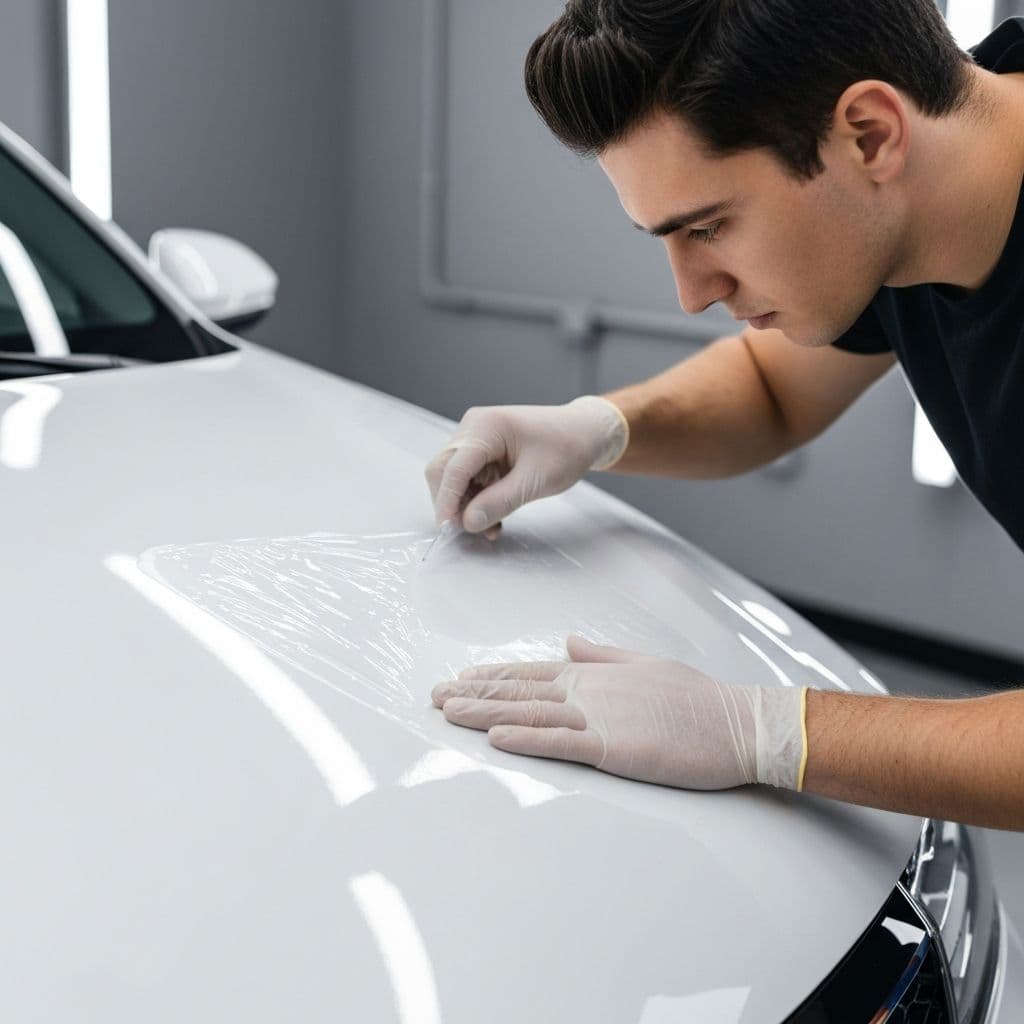
During daily installation work, installers pay attention to factors such as film handling, stretching response, positioning, and edge processing.
A product that works consistently can help installers improve efficiency and reduce unnecessary adjustments during installation.
For installation shops, material performance is closely connected with daily workflow.
Adhesive stability affects long-term results
The adhesive layer is one of the important factors affecting installation quality.
During installation and long-term use, adhesive performance can influence issues such as positioning, edge adhesion, and overall appearance.
A supplier should have stable production control to ensure product consistency, because installers need predictable performance when handling different vehicles and projects.
Batch consistency is important for long-term cooperation
For distributors and installation networks, one-time product quality is not enough.
A reliable supplier needs to maintain consistency between different production batches and provide stable PPF supply for long-term cooperation.
If the same product performs differently after every order, it creates difficulties for installers and affects customer confidence.
Stable supply and consistent quality are especially important for businesses that plan to build long-term cooperation with a supplier.
3. The Hidden Costs Behind Unstable PPF Products
More installation time means lower efficiency
Installation shops usually calculate profitability based on project efficiency.
If a film requires more adjustment, creates more waste, or increases installation difficulty, the actual cost will increase even if the purchase price is lower.
For professional installers, saving installation time can be as important as reducing material cost.
After-sales problems affect business growth
A PPF installation business depends heavily on customer trust and recommendations.
Frequent after-sales issues may increase communication costs and affect customer satisfaction.
This is why many professional installers prefer suppliers that can provide stable products and reliable support instead of simply choosing the lowest-priced option.
4. How Installation Shops Should Evaluate a PPF Supplier
Check product information and request samples before bulk purchasing
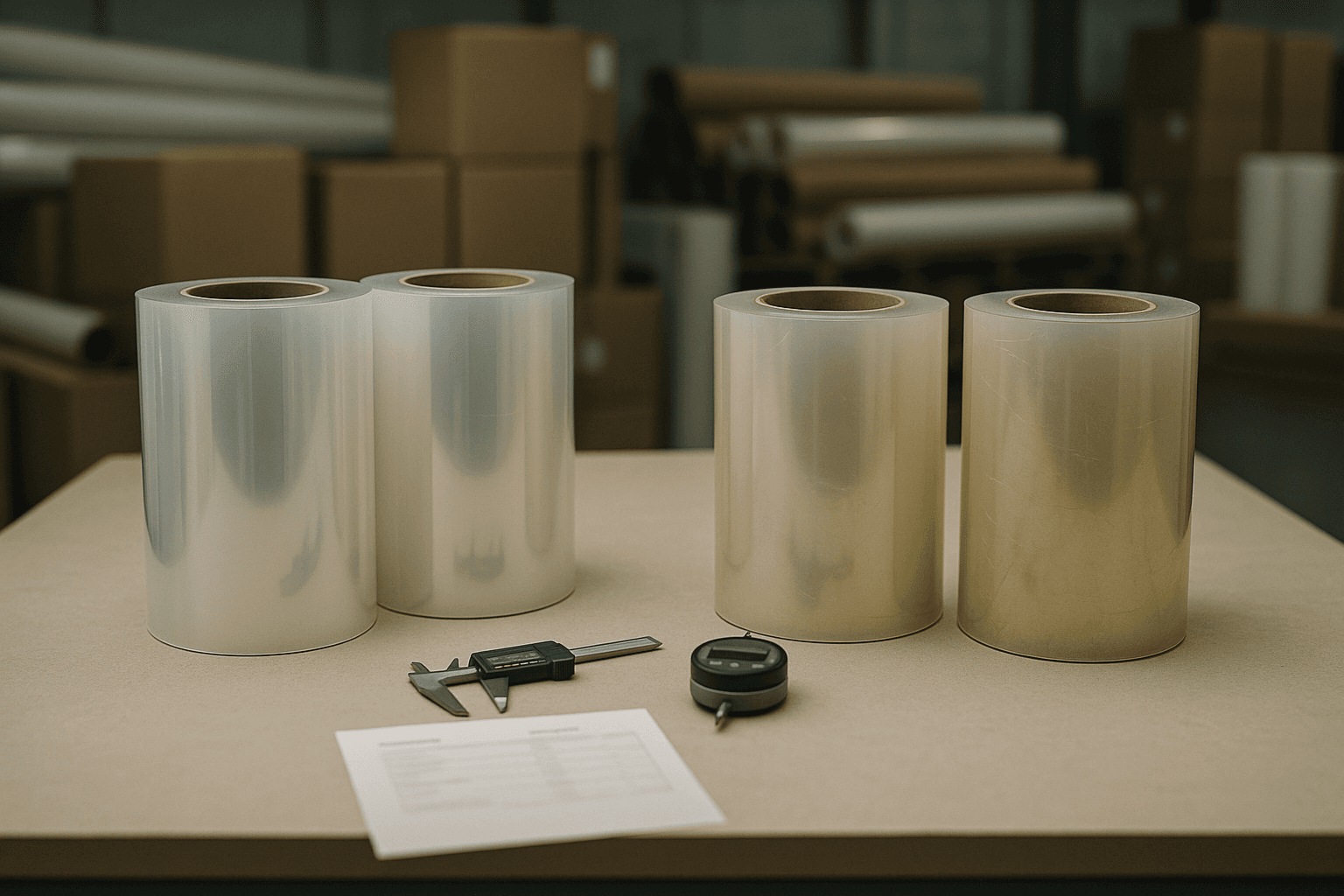
Before starting long-term cooperation, installers should test samples and evaluate whether the product matches their market needs.
Important evaluation areas include:
- Installation experience;
- Film handling;
- Adhesive performance;
- Appearance after installation;
- Product consistency.
Sample testing allows businesses to understand product performance before making larger purchasing decisions.Contact XPSHELL for PPF samples and cooperation before starting long-term purchasing.
Evaluate supplier support, not only the product
A professional supplier provides more than rolls of film.
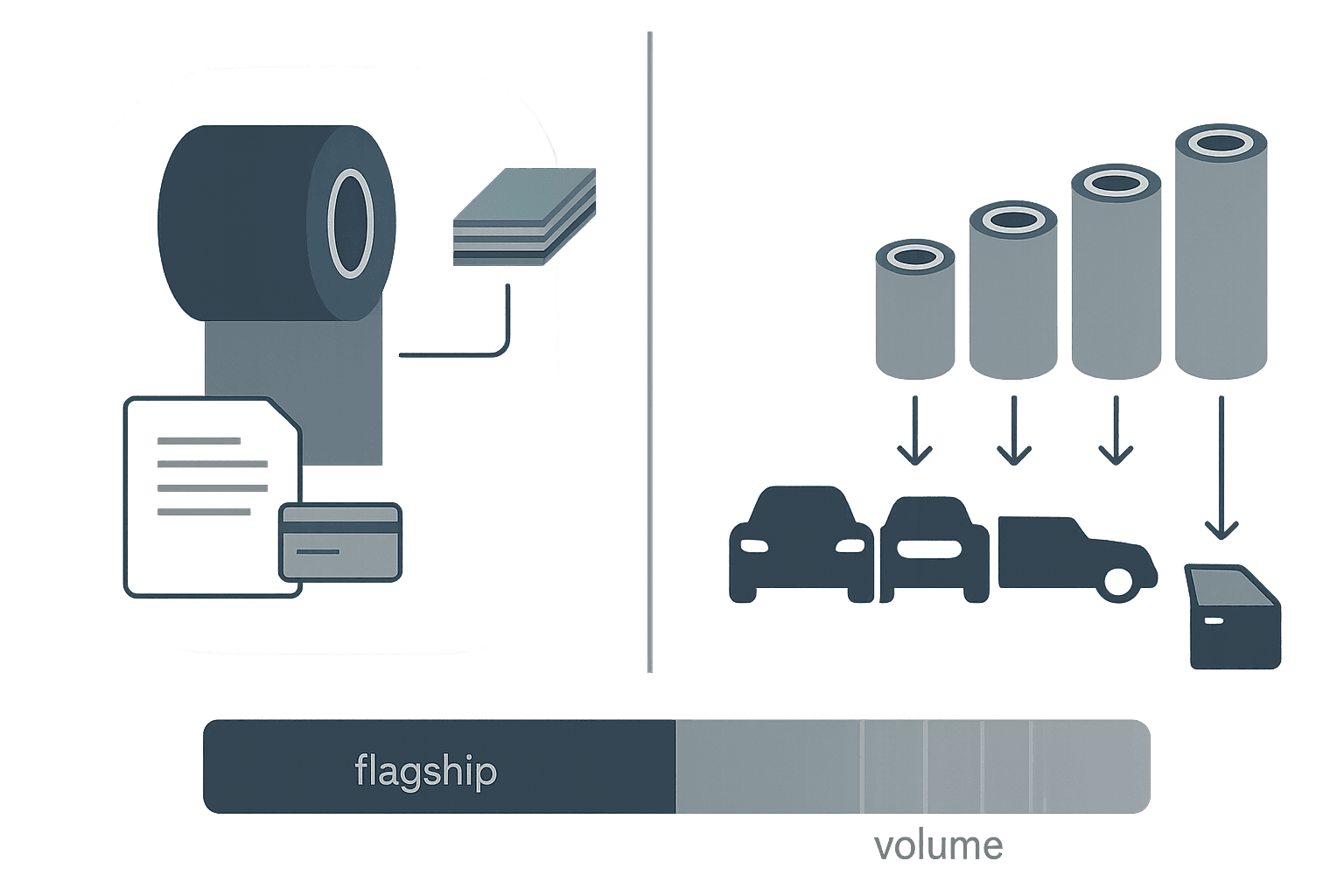
For distributors, installers, and private label customers, supplier support may include product information, sample testing, communication support, and OEM PPF cooperation.
A supplier that understands B2B customers’ needs can help partners develop their business more effectively.
5. Why XPSHELL Is a Partner for Global PPF Businesses
XPSHELL focuses on providing PPF solutions for global distributors, installation shops, and OEM partners.
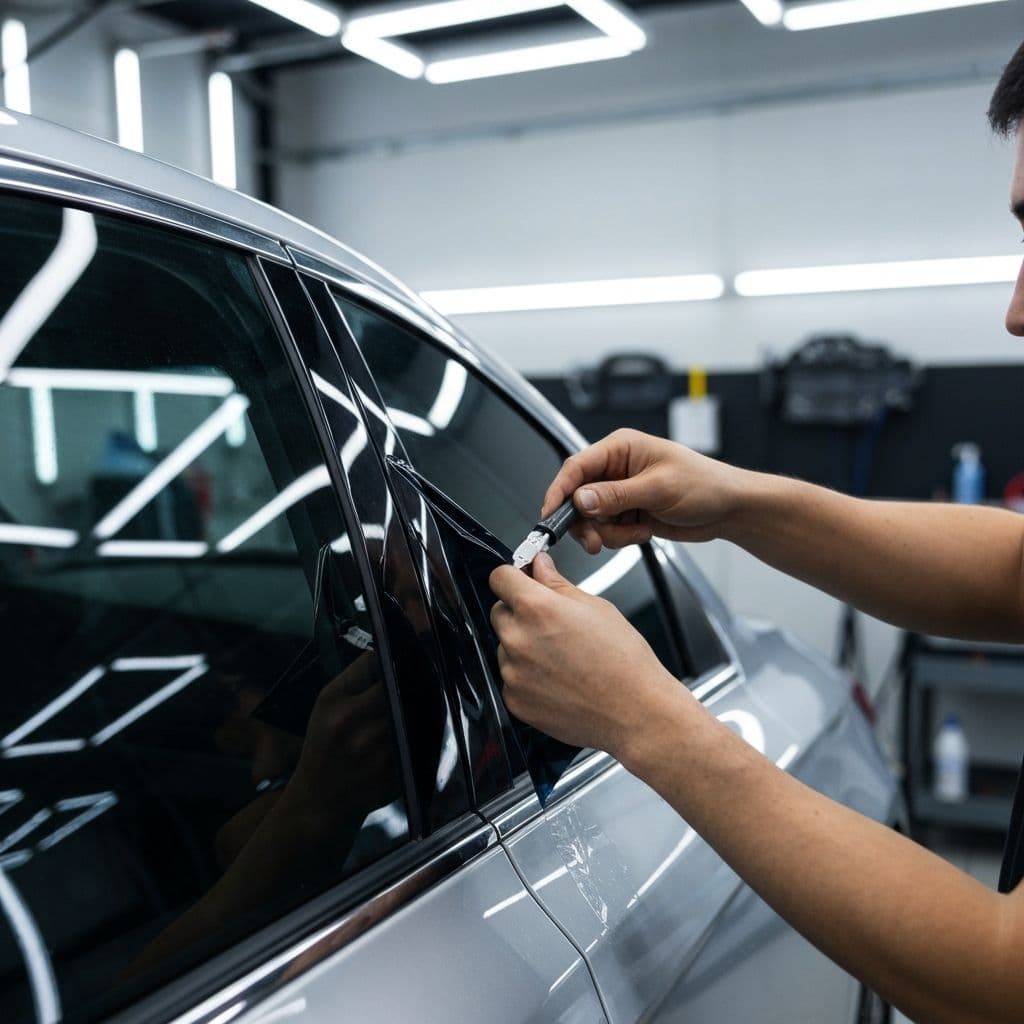
The company’s product direction includes TPU PPF, Color PPF, and automotive window film, supporting customers who are looking for stable product supply and long-term cooperation.
For B2B customers, choosing a supplier means finding a partner that can support future growth, not only completing one purchase order.
XPSHELL works with partners through product supply, sample testing, OEM cooperation, and private label projects to help businesses build their own product solutions based on market needs.
For installation shops and distributors, a reliable supplier can help reduce unnecessary risks, improve customer experience, and create a stronger foundation for long-term business development.
6. Final Thoughts: Choose a Supplier Based on Long-Term Value
Price is an important factor when purchasing PPF, but it should not be the only factor.
A professional installer should consider the complete picture:
- Product stability;
- Installation efficiency;
- Adhesive performance;
- Batch consistency;
- After-sales risk;
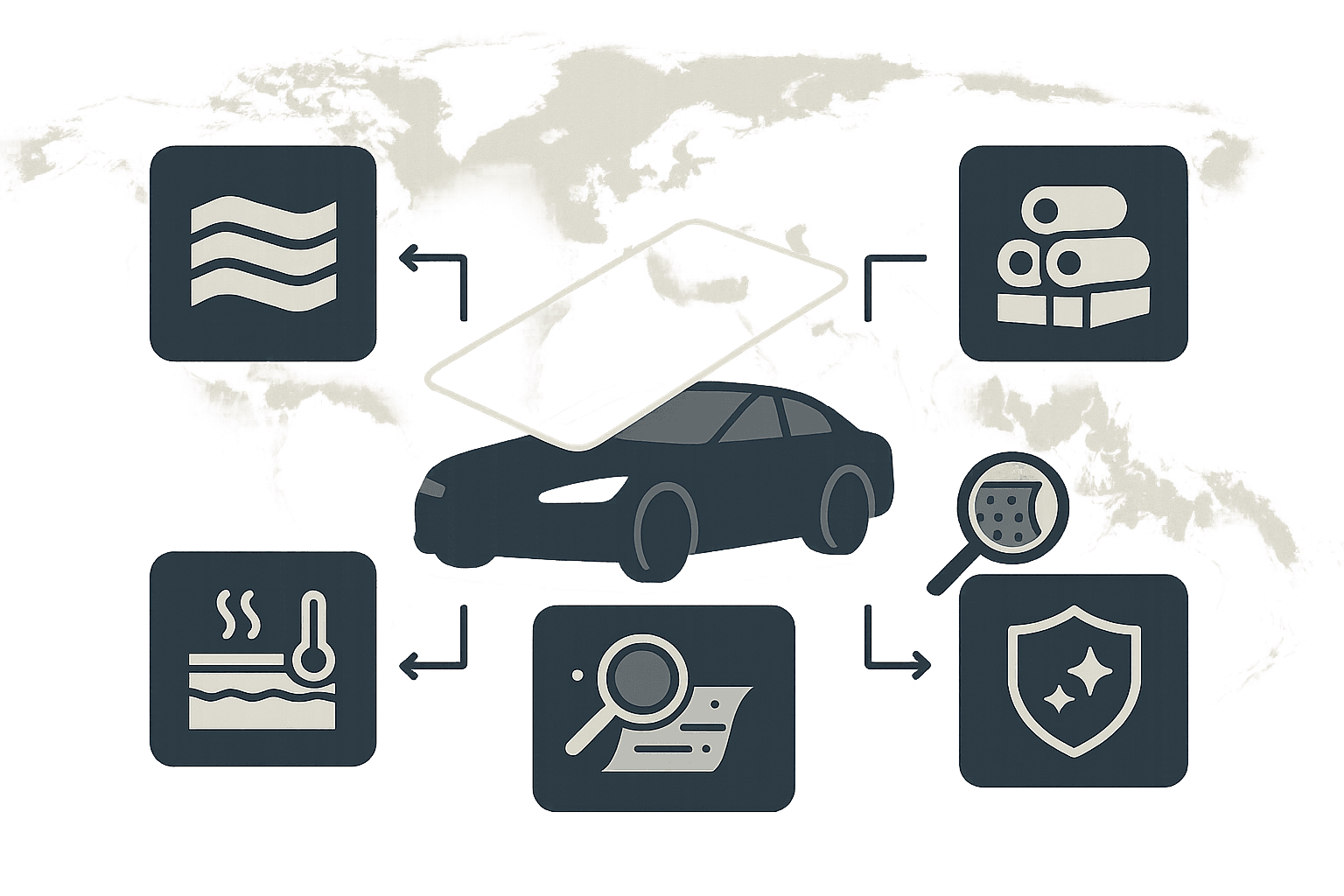
- Supplier support.
The right PPF supplier helps businesses reduce problems after installation and build stronger customer trust.
For companies looking to grow their PPF business, choosing the right supplier is not just a purchasing decision — it is a long-term business strategy.
FAQ
1. What should PPF installers consider when choosing a supplier?
PPF installers should consider product stability, installation performance, adhesive quality, batch consistency, and supplier support instead of only focusing on price.
2. Why is the cheapest PPF film not always the best option?
A lower purchase price may lead to higher costs if the product increases installation difficulty, rework, or after-sales issues.
3. Should installers test PPF samples before bulk purchasing?
Yes. Sample testing helps installers evaluate whether the product performance matches their installation process and market requirements.
4. What kind of PPF supplier is suitable for distributors and OEM customers?
A suitable supplier should provide stable products, consistent supply, and cooperation support for long-term business development.
References
[1] 3M™ Paint Protection Film Series 150
[2] XPEL – Paint Protection Film Technology Information
[3] BASF – Elastollan® Thermoplastic Polyurethane (TPU) Materials
[4] ASTM International – Standards for Polymer Materials and Testing
[5] International Window Film Association (IWFA) – Automotive Film Industry Information