For many distributors and shop owners, one question always tops the list when sourcing products: How many years can this paint protection film reliably perform after installation? What real‑world condition will it be in after 5 or 10 years?
Most brands on the market mark a 5‑10‑year warranty. Industry insiders know clearly, however, that warranty term does not equal actual service life. Even for TPU‑based PPF, products from different manufacturers with different formulations and installation standards show huge gaps after several years. Some films turn yellow and lift at edges in just 3 years, while others remain in good condition for 8‑10 years.
As an original PPF manufacturer, we work with wholesalers and installers worldwide on a daily basis. We have reviewed numerous real‑world aging photos, after‑sales cases and market feedback. From a practical front‑line perspective, this article breaks down real‑world aging issues of long‑term used PPF, core factors affecting service life, key sourcing pitfalls, and what defines a durable TPU paint protection film.
Common Real‑World Aging Issues of PPF Over 3‑10 Years
PPF ages gradually instead of failing abruptly. Roughly 90 % of end‑user after‑sales complaints fall into the categories below, which are key risk points for distributors.
1. Yellowing and Discoloration
Yellowing is most noticeable to vehicle owners and creates the largest volume of shop after‑sales work. Low‑grade aromatic TPU and films with unstable formulations develop obvious yellowing within 2‑4 years, which stands out particularly on light‑coloured vehicles.
High‑quality aliphatic TPU greatly delays yellowing, yet permanent anti‑yellowing performance does not exist. Its real weather‑resistant advantage lies in minimal, even discolouration without dull appearance under long‑term sun exposure, so it will not compromise vehicle aesthetics or trigger customer complaints.
2. Edge Lifting and Water Ingress
Corners, bumpers and wheel arches are the first positions to show aging. Many attribute lifting solely to poor‑quality film, yet most edge‑failure cases stem from two factors: inadequate wrapping during installation and insufficient weather resistance of adhesive layers.
Vehicles undergo repeated thermal expansion and contraction, rain washing and high‑speed wind pressure. Poor‑performing adhesive gradually loses adhesion. Once edges lift, water and dirt penetrate and accelerate aging across large areas, eventually leading to extensive delamination.
3. Adhesive Aging & Residue Upon Film Removal
This creates the most costly after‑sales burden for installers. As adhesives age and turn hard and brittle, massive adhesive residue sticks to paintwork during film removal. Removal requires extensive working hours and may even damage vehicle paint.
Adhesive stability is a core focus of our in‑house quality control. All our TPU PPF adopts long‑term weather‑resistant adhesive formulation, ensuring clean removal without residue or paint damage after years of use and minimising after‑sales pressure for installation partners.
4. Gradual Deterioration of Self‑Healing Performance
Self‑healing capability depends on the top coating and is not permanent. Mid‑tier films largely lose self‑healing performance after 3‑5 years; fine wash‑induced scratches can no longer be repaired and surface quality deteriorates noticeably.Premium long‑life TPU PPF features higher‑durability top‑coating, retaining sound heat‑activated self‑healing performance after 5 years and maintaining stable long‑term appearance.
5. Loss of Hydrophobic Effect and Hazy Film Surface
Brand‑new high‑quality PPF delivers strong hydrophobic and anti‑fouling properties for easy cleaning. As top coating wears over time, the lotus‑leaf effect disappears. Bird droppings, tree sap and limescale leave persistent stains, and the film appears dull. Vehicle owners tend to regard this condition as “film failure”.
Why Do TPU PPF Products Perform So Differently After Years in Service?
Gaps in real‑world PPF service life mainly arise from four root causes, which serve as key B2B sourcing criteria.
1. Differences in TPU Substrate Grade
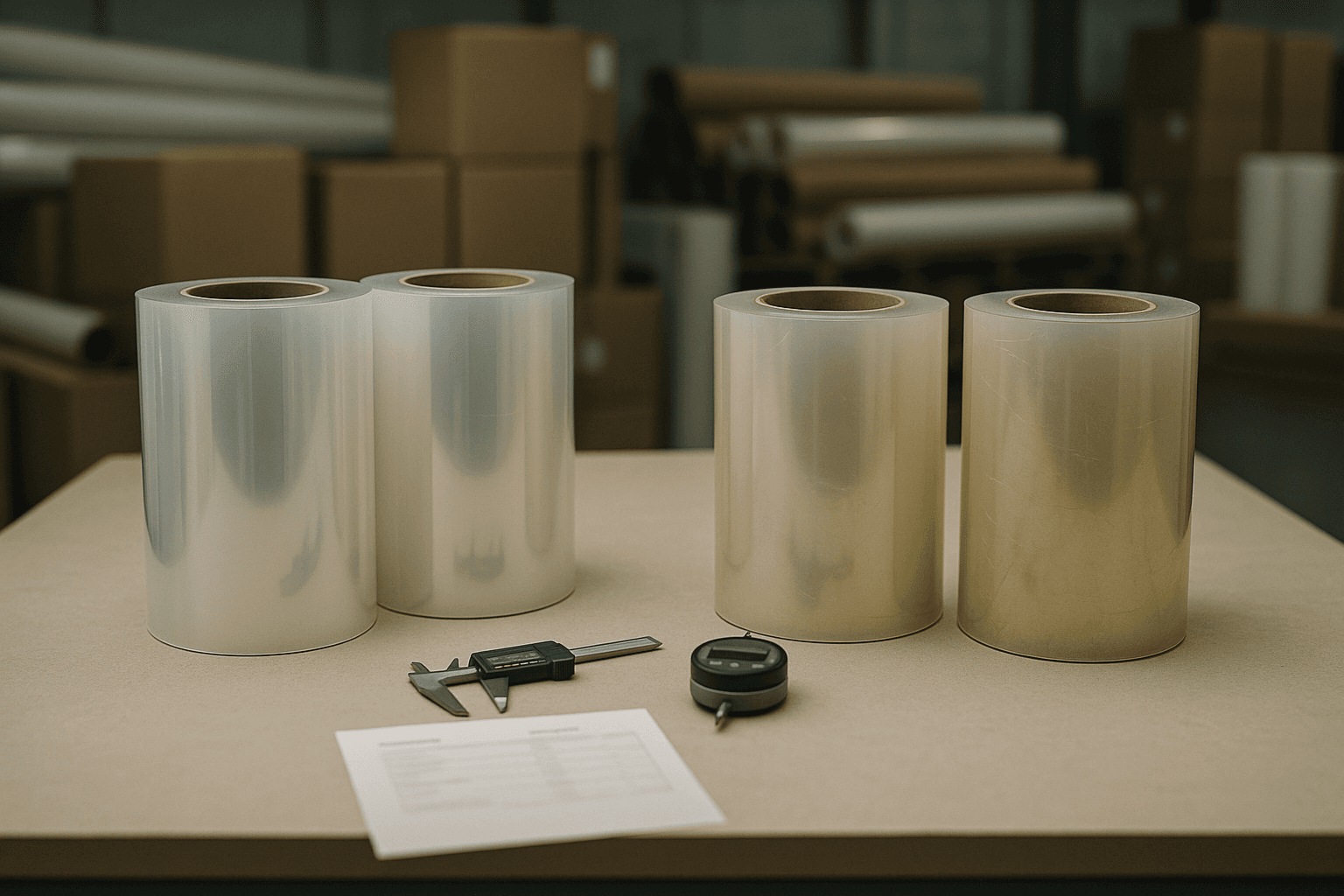
Substrate sets the baseline performance. Low‑cost aromatic TPU delivers poor UV‑resistance and tends to oxidise and yellow rapidly. Premium aliphatic TPU offers superior weather resistance, hydrolysis resistance and anti‑aging performance, forming the foundation for long‑life PPF.
All our long‑range PPF lines utilise stable aliphatic TPU substrate to mitigate risks of long‑term yellowing, cracking and chalking at the raw‑material stage.
2. Top‑Coating Formulation and Durability
Surface gloss, self‑healing, stain resistance and UV resistance all depend on the top coating. Many samples exhibit excellent performance thanks to full, fresh coating, yet mass‑produced rolls come with thinner coating or downgraded formulations and fail within two years.
One core strength of our manufacturing is consistent coating thickness, formulation and mixing across mass‑production runs. Our mass‑produced goods match sample performance, avoiding the common industry pitfall “great samples, bad bulk products”.
3. Stability of UV Anti‑Yellowing System
Intense ultraviolet radiation, high temperature and coastal salt spray represent major threats to PPF. Even premium substrate ages rapidly without a well‑balanced UV‑stabiliser system.
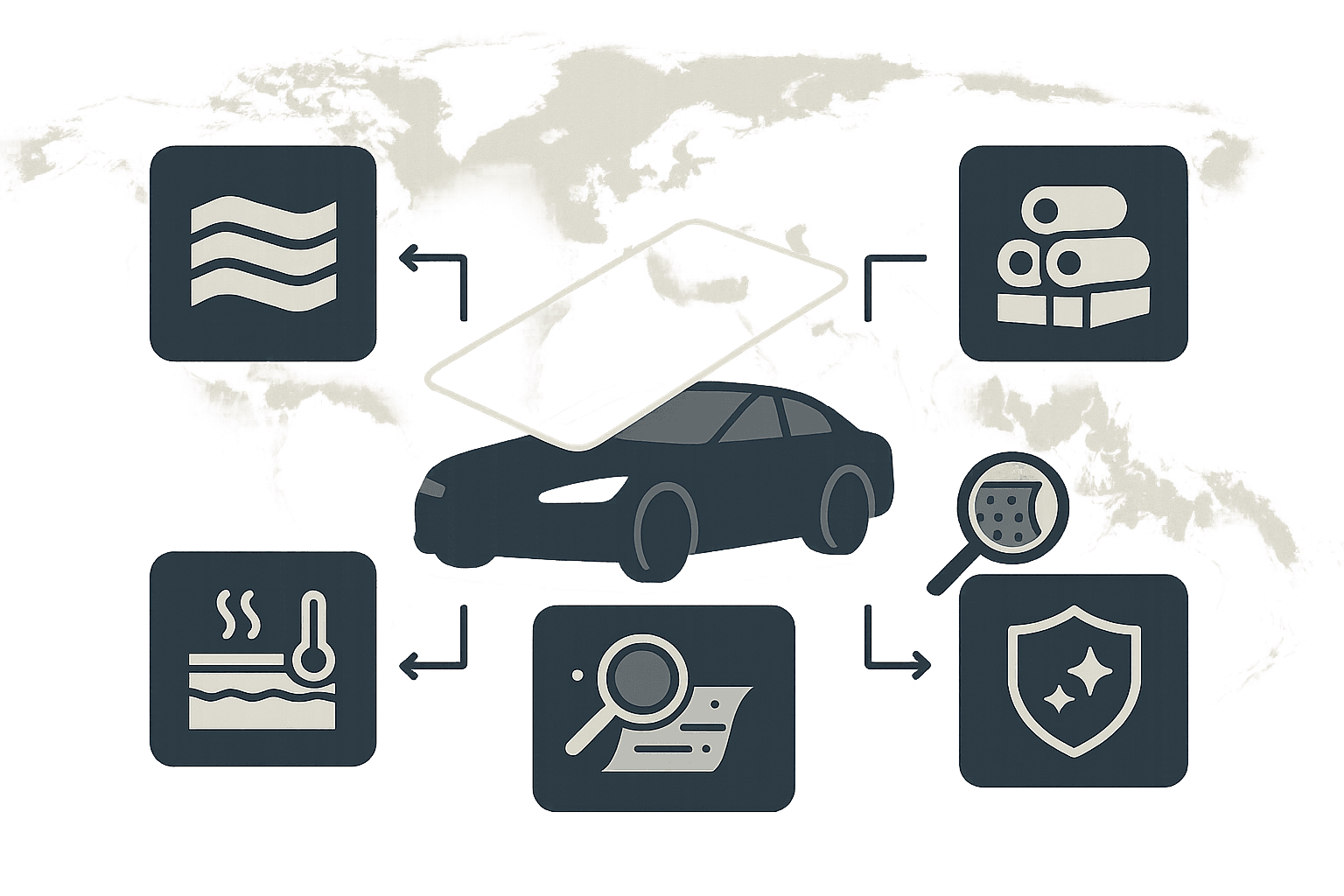
Our formulations are engineered for diverse global climate conditions to maintain reliable long‑term weathering performance in high‑temperature zones, coastal regions and high‑sunlight areas.
4. Installation Workmanship and Operating Environment
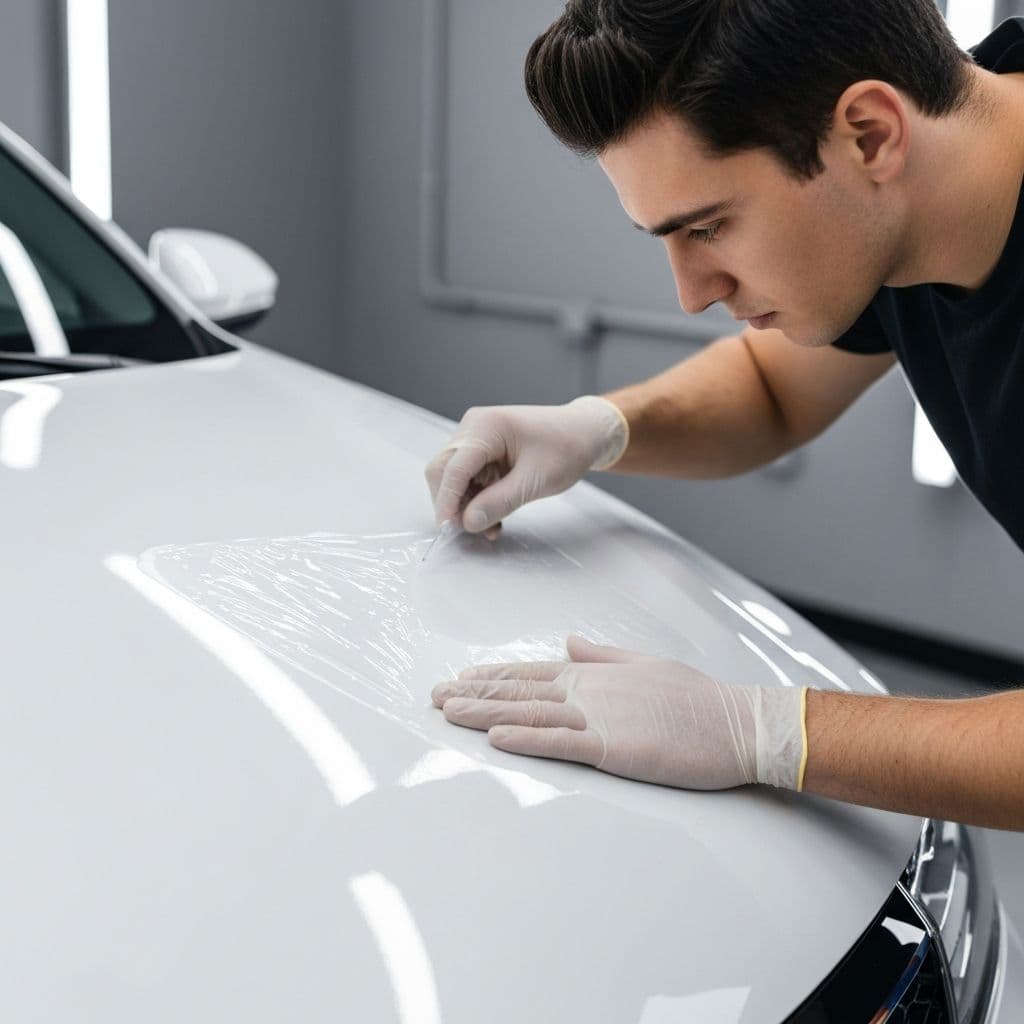
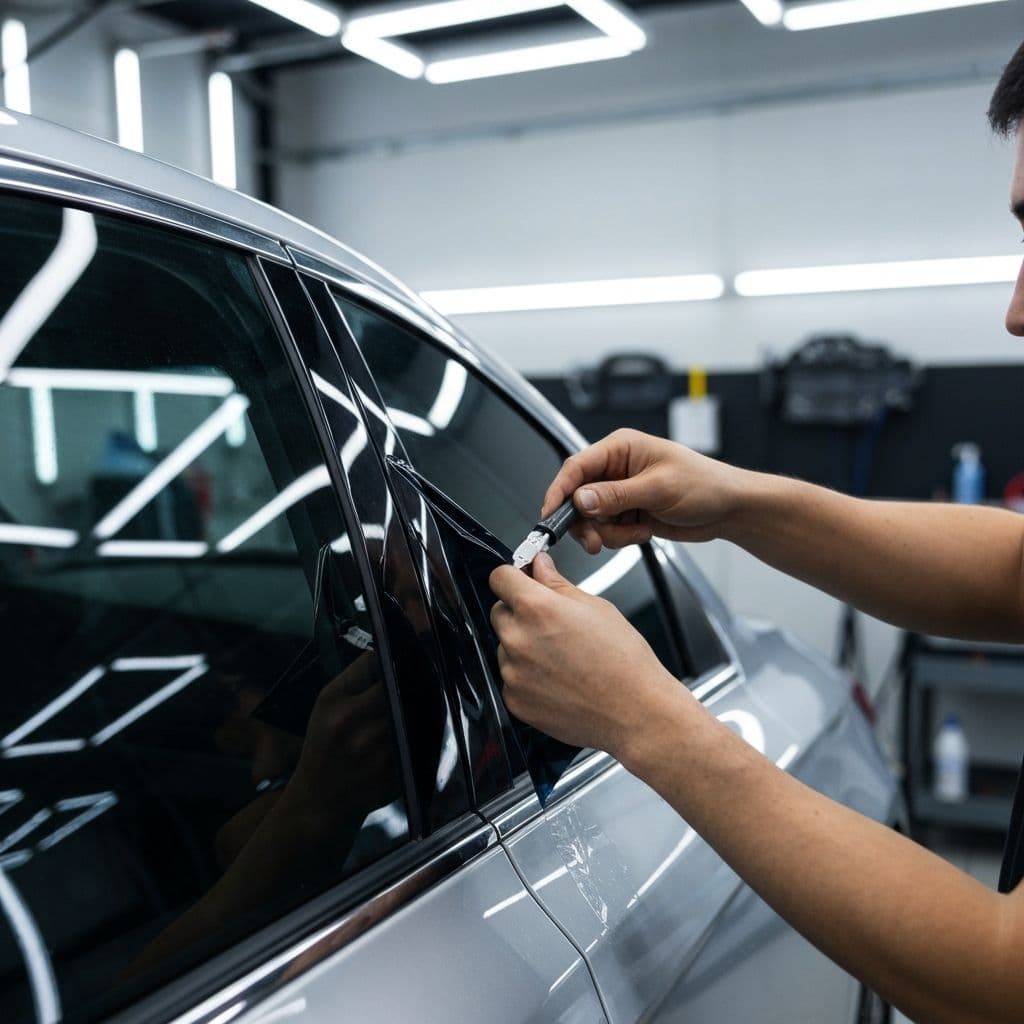
Even premium PPF will degrade prematurely with poor installation. Edge wrapping, surface preparation, water removal and workshop conditions directly influence service life. We also provide installation‑standard guidance for partner distributors to reduce end‑user after‑sales issues.
Real-World Expectations: Normal Condition of PPF at 5 Years and 8-10 Years
Based on abundant global market cases, below are realistic service‑life expectations you can communicate directly to vehicle owners:
At 5 Years (High‑Quality TPU PPF): Self‑healing and hydrophobic functions remain effective. Barely noticeable yellowing, no edge lifting and no adhesive residue. This represents the golden service‑life period of the product.
At 8‑10 Years (Premium Long‑Life TPU PPF): Top‑coating performance naturally declines. Self‑healing and hydrophobic effects weaken moderately. Film remains intact without cracking or large‑scale delamination. Partial maintenance is possible, yet full vehicle‑wide replacement is recommended.
No PPF delivers zero degradation across ten years. Moderate performance decline counts as normal aging. Stable performance, low after‑sales rate and acceptable appearance define a high‑quality PPF.
PPF Maintenance Guidelines for Installation Shops
Four simple practices help extend PPF service life and reduce after‑sales complaints:
1.Avoid highly corrosive or abrasive cleaning agents. Do not aim high‑pressure water jets directly at film edges.
2.Remove bird droppings, tree sap and contaminants promptly to prevent permanent etching.
3.Inspect edges regularly; seal minor lifting in time.
4.Refrain from applying unknown third‑party coatings, as incompatibility accelerates top‑coating degradation.
How B2B Buyers Source Truly Durable PPF
For wholesalers, installers and OEM partners, do not rely solely on printed warranty periods. Evaluate potential suppliers against these four criteria:
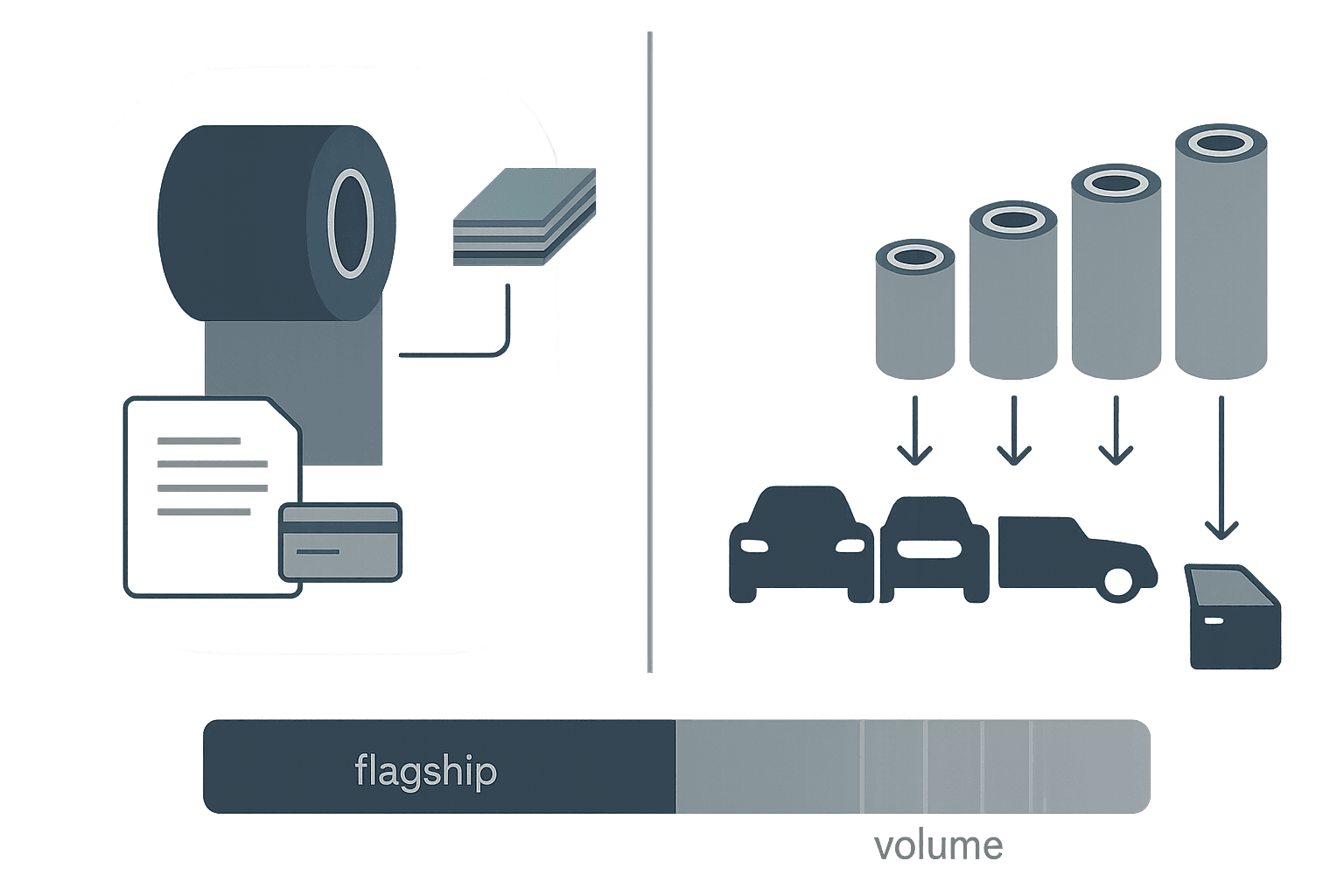
First, consistency between samples and bulk goods. This is one of the biggest industry pitfalls and receives strict quality control at our factory. Batch‑to‑batch consistency underpins sustainable long‑term business cooperation.
Second, real‑world anti‑yellowing and weather‑resistant test results. Marketing specifications can be exaggerated, yet real aging performance cannot be falsified.
Third, adhesive‑layer stability. Residue‑free removal after years in service is an essential requirement for installation shops.
Fourth, transparent warranty and after‑sales support systems. Distributors will confidently promote products only when warranty clauses are clear and support responses are timely.
As the original manufacturer XPSHELL, we emphasise consistent batch performance, uncompromised mass‑production quality, strong long‑term weather resistance and low after‑sales risk. Our products suit B2B partners building distribution channels, developing private‑label brands and pursuing repeat‑order‑driven business growth.
Summary
In summary, the real service life of PPF is not determined by printed 5‑ or 10‑year warranty statements. It depends primarily on substrate quality, top‑coating durability, manufacturing batch‑to‑batch quality control and climate‑adapted anti‑aging formulations. Installation workmanship and routine maintenance can extend service life but cannot compensate for inherent product‑quality shortcomings.
Most PPF‑related after‑sales problems including yellowing, edge lifting, adhesive residue, diminished self‑healing and hydrophobic performance stem from downgraded raw‑materials, unstable formulations and inconsistent batch quality, common pain points across the industry.
For B2B distributors, installers and OEM partners, sourcing decisions should not prioritise rock‑bottom prices. Instead, select original‑equipment suppliers delivering stable performance, sample‑bulk consistency and low long‑term after‑sales risk. Supported by rigorous manufacturing quality control, mature anti‑aging formulations and reliable batch consistency, we help global partners reduce end‑user complaints, strengthen local market reputation and build profitable PPF product lines with steady repeat orders.
FAQ
Q1: Does a 10‑year‑warranty PPF guarantee zero yellowing for ten years?
No. All TPU‑based paint protection films undergo natural aging over time. A warranty represents manufacturing and performance guarantees instead of zero degradation. Premium products age slowly with minimal visual impact for end‑users.
Q2: Can yellowed PPF be repaired?
Substrate‑level yellowing is irreversible. Partial replacement works for localised yellowing; full‑film replacement is recommended for extensive discolouration.
Q3: What is the most decisive factor influencing PPF service life?
Substrate system, top‑coating durability and manufacturing quality control. Installation and maintenance play supporting roles; fundamental product quality remains decisive.
Q4: Does self‑healing performance last permanently?
No. Self‑healing originates from the top coating. It degrades gradually under continuous UV exposure, washing and physical abrasion, which counts as normal aging.
Q5: Why do some products perform well in samples yet fail two years after installation?
Most cases are caused by downgraded bulk‑product formulations, inconsistent batches or reduced top‑coating thickness. That is why we enforce unified formulation and specifications for all mass‑production batches.
References
[1] IWFA. Performance Standards for Automotive Paint Protection Film.
[2] Covestro. TPU Material Technical Guidelines for Automotive PPF.
[3] ASTM International. Standard Practice for Fluorescent UV Exposure of Plastics.
https://www.astm.org/standards