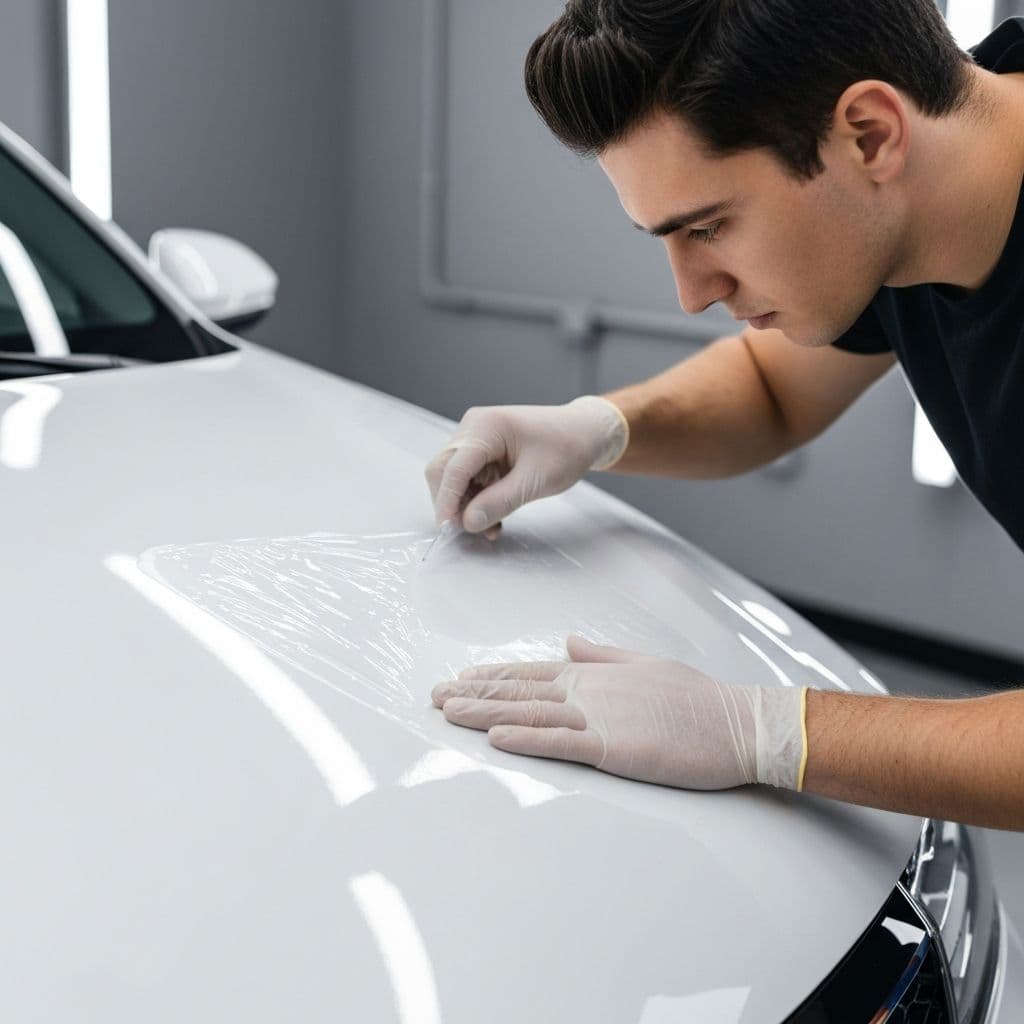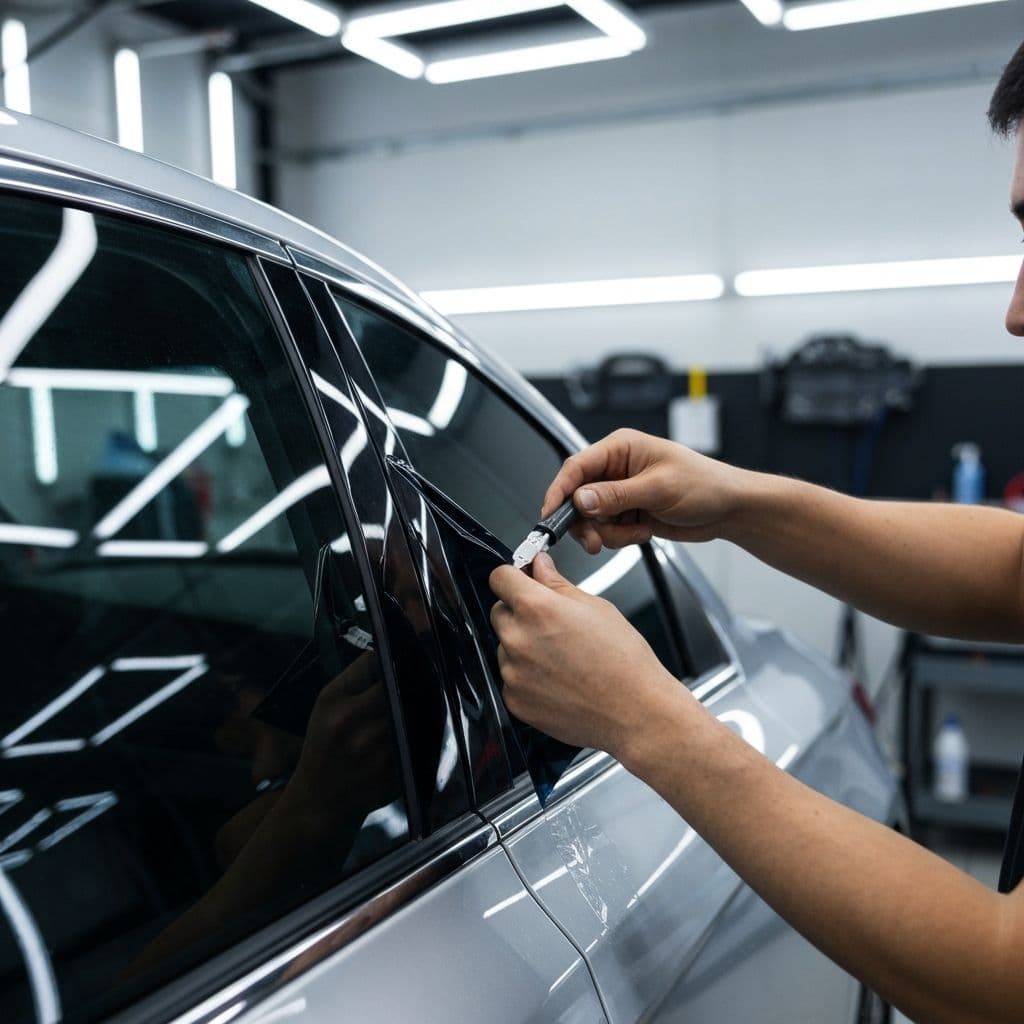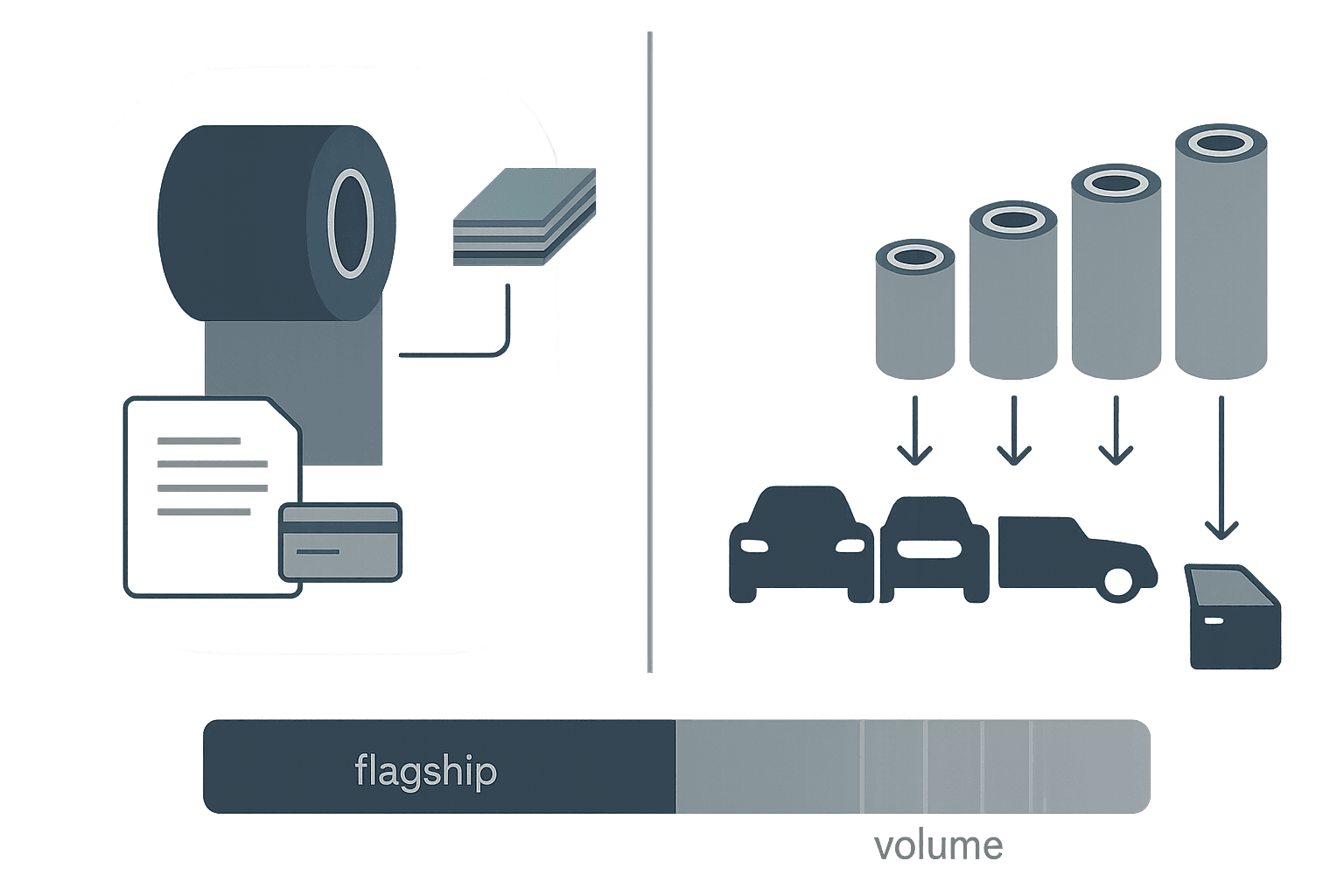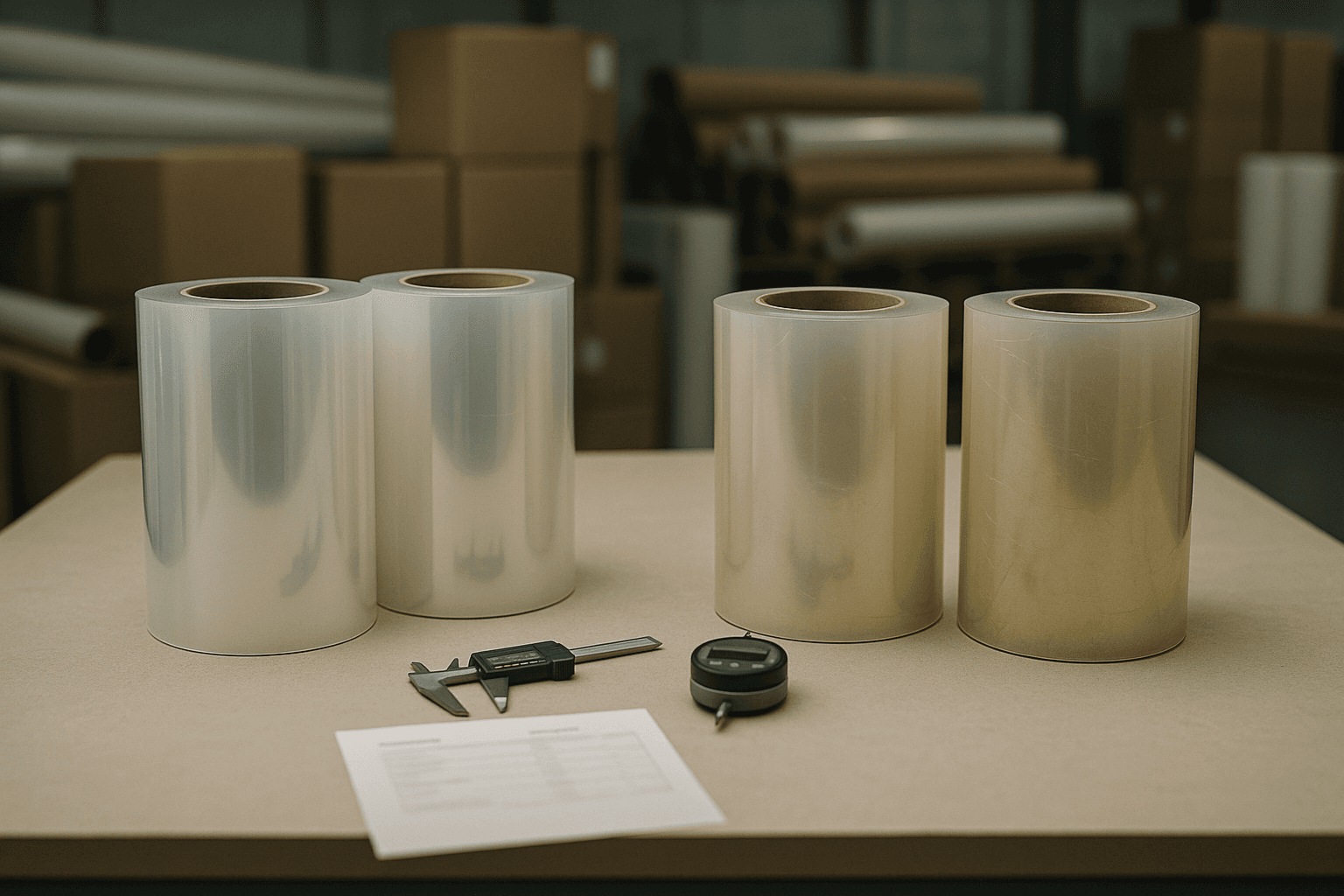
For overseas film installation shops, regional wholesalers, cross-border distributors, and private-label OEM merchants, the huge price gap of paint protection film (PPF) is the most critical and error-prone issue in all B2B procurement. The unit procurement price of transparent, matte, and colored PPF with the same specifications can vary several times on the market. Many new buyers only compare unit prices and prioritize low-cost supplies. While this seems cost-saving in the short term, it frequently leads to problems such as batch color difference, rapid yellowing within 1-3 years, coating chalking, edge lifting and glue overflow, residual glue corrosion on car paint, difficult installation, and high rework rates in the later stage.
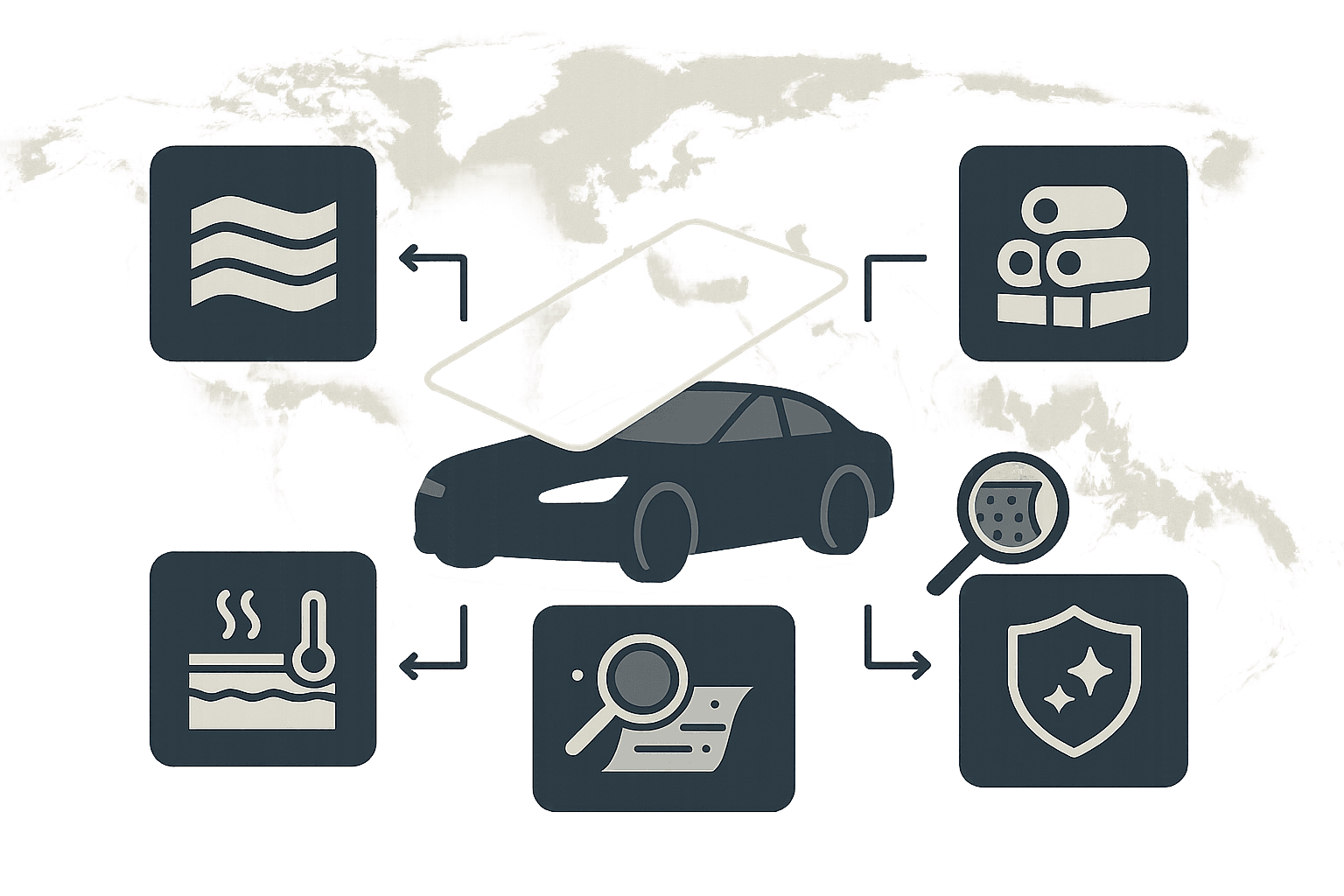
Most online content popularizes product performance only for individual car owners, without analyzing the underlying core logic of PPF price gaps from a B2B supply chain perspective. The price difference of PPF is not simply brand premium, but a comprehensive gap in raw material systems, production processes, coating and adhesive formulas, quality control standards, batch stability, supply chain services, and OEM delivery capabilities.
Combined with the complete PPF industry chain logic, terminal construction pain points, distributor profit logic, and OEM brand operation logic, this article deeply dismantles the real differences between high and low-priced PPFs. It helps overseas B2B buyers break away from the pure price-comparison mindset, identify the hidden risks of low-cost films and the core value of high-end films, and establish professional and practical product selection and supplier screening criteria.
1. Fundamental Raw Material Gap: TPU Material System Determines Product Service Life
The upper limit of PPF core performance is entirely determined by TPU (Thermoplastic Polyurethane) substrate, which is the fundamental cause of product price differences. New industry practitioners often fall into a misunderstanding: all TPU materials deliver good film quality. In fact, TPU raw materials vary greatly in grade, directly determining the weather resistance, yellowing resistance, flexibility and service life of PPF products.
To cut costs, low-end PPF products generally adopt recycled TPU particles, modified TPH, and low-purity domestic recycled materials. After secondary melting processing, the molecular chains of recycled materials are completely broken with high impurity content. Although they look transparent and feel soft when newly produced, almost no different from virgin material films, their molecular stability is extremely poor. Under the complex overseas environments of intense sun exposure, high humidity, and alternating high and low temperatures, irreversible problems such as yellowing, fogging, film brittleness, and hydrolysis chalking will occur within 1 to 3 years.
High-quality PPF adopts brand-new imported or high-purity domestic TPU particles with complete molecular structure and high purity. It features stable UV resistance, hydrolysis resistance and aging resistance, which can long resist outdoor sun exposure, rain corrosion and stone impact, greatly delay yellowing and aging, and adapt to long-term use in different global climate zones.
Key Procurement Avoidance Tip: Many unregulated suppliers adopt the trick of "virgin material for samples, recycled material for bulk orders". Single sample testing cannot identify raw material differences, and only long-term sun exposure tests and bulk order verification can distinguish substrate quality. Meanwhile, thickness does not represent quality. Low-cost recycled materials can also be made into thick films, but their weather resistance is far inferior to thin PPF films made of virgin materials.
2. Surface Coating Gap: Determines Appearance, Self-Healing Performance and Long-Term Weather Resistance
The coating serves as the protective outer layer of PPF, directly determining the most intuitive user experience for car owners and forming a core watershed between high and low-end products. The coating mainly affects four core performances: self-healing ability, water and stain resistance, gloss and transparency, and wear and aging resistance.
Low-end PPF adopts simplified and low-cost coating formulas with cut corners in coating application and insufficient curing time. Such films have almost no effective self-healing capability, failing to repair fine washing scratches and swirl marks. They deliver poor stain resistance, allowing bird droppings, tree sap and asphalt to penetrate and corrode the film surface and leave permanent marks. After long-term sun exposure, the coating rapidly chalks, fades and fogs, seriously reducing the overall paint texture of vehicles and leading to high after-sales complaint rates.
High-quality factories adopt self-developed and stable coating systems with two mainstream solutions: room-temperature self-healing and heat-activated self-healing, adapting to diverse market demands. The coating is evenly applied and fully cured, providing stable scratch repair performance and excellent hydrophobic and anti-fouling effects. It maintains high transparency and gloss for a long time without orange peel texture, fogging or color difference. Meanwhile, the coating is equipped with a UV anti-aging system to delay film yellowing and aging from the surface, suitable for tropical, temperate and frigid overseas climates.
3. Adhesive Formula Gap: Hidden Core of After-Sales Issues, Determining Installation Experience and Long-Term Stability
The adhesive layer is the most easily overlooked part by buyers yet generates the highest proportion of after-sales problems. Most edge lifting, glue overflow, residual glue, car paint corrosion and installation failures stem from the quality of pressure-sensitive adhesive, which is a key factor driving cost gaps among manufacturers.
Low-end PPF uses low-grade universal pressure-sensitive adhesive with unbalanced viscosity parameters, causing two fatal problems. Excessive initial viscosity makes positioning adjustment difficult, prone to dust adhesion and glue stretching during installation, significantly increasing installation scrap rates and labor costs. Insufficient initial viscosity shows no obvious problems in the short term, but the adhesion rapidly declines with alternating high and low temperatures, easily causing edge lifting and delamination on curved surfaces. More seriously, low-grade adhesive has poor hydrolysis resistance. It will remain on the car paint and even corrode the original clear coat after aging and moisture exposure, triggering compensation claims from car owners.
High-quality PPF adopts custom-matched acrylic pressure-sensitive adhesive, with viscosity precisely adjusted according to film thickness, hardness and application scenarios. It balances excellent installation performance and long-term stability. The moderate initial viscosity allows repeated positioning, bubble removal and edge wrapping to reduce installation difficulty for shops. After full curing, it maintains stable adhesion with high temperature, low temperature and hydrolysis resistance, avoiding edge lifting and glue overflow in long-term use. The film can be completely peeled off without residual glue or damage to original car paint, greatly reducing the after-sales cost of installation shops.
4. Production Process and Engineering Capability: Good Sample Quality Does Not Equal Stable Bulk Quality
Many B2B buyers wonder: why do prices vary greatly among manufacturers even with the same branded TPU materials? The core answer lies not in raw materials, but in manufacturers' standardized production processes and batch replication capabilities — the essential difference between small workshops, traders and formal source factories.
Low-cost supplies mostly come from small workshops or intermediate traders without constant-temperature dust-free production workshops, standardized production processes or aging and curing procedures. Randomly adjusted production parameters lead to uneven film thickness and surface dust and crystal spots. The biggest problem is extreme batch instability: one batch may be transparent, soft and easy to install, while the next suffers from severe color difference, hard texture and difficult installation, causing construction failures, end-customer complaints and damaged reputation for distributors.
Formal source factories own a complete full-process production line including TPU extrusion, precision coating, constant-temperature lamination, long-term curing, precise slitting and dust-free packaging. All production parameters are standardized and locked, with full-process control from raw material sampling inspection and mass production monitoring to finished product curing and factory sorting. The core advantage is not the top performance of individual samples, but consistent and replicable quality of every batch, completely solving B2B critical pain points such as batch color difference, texture difference and performance fluctuation.
5. Quality Control and Testing Gap: Invisible Hidden Costs That Determine After-Sales Ceiling
PPF is a long-term durable product with a service life of 3 to 10 years after installation. Quality differences cannot be distinguished by naked eyes in the short term, and the factory testing system guarantees long-term product stability, constituting another important cost gap between high and low-end products.
Low-end PPF completely omits standardized testing procedures, relying only on manual visual inspection of appearance without aging tests, yellowing tests, adhesive stability sampling or batch traceability records. Samples can be elaborately polished, but mass production is entirely uncontrolled, frequently causing batch problems such as yellowing, cracking and fogging with no after-sales guarantee from suppliers.
High-quality source factories establish a complete laboratory testing system. Each batch of products undergoes full testing including UV aging, high and low temperature cycling, hydrolysis weather resistance, tensile modulus, adhesion and self-healing stability, with batch files retained for full traceability. Third-party authoritative testing is also supported to provide complete product reports and qualification documents, meeting the market promotion, customer consultation and after-sales guarantee needs of overseas shops and distributors.
6. Supply Chain and Factory Service Gap: Mature B2B Delivery Capability Beyond Product Itself
Experienced B2B buyers clearly understand that PPF procurement covers not only film rolls, but also a complete and stable supply chain service system. The price gap between two products with similar appearance and parameters usually stems from manufacturers' supply capacity, quality control system, OEM services, after-sales response and overseas delivery support.
Low-cost traders and small workshops only focus on low-volume sales without stable inventory guarantee or fixed production schedules, frequently facing stockouts and delayed delivery in peak seasons. Without standardized packaging, products are prone to extrusion deformation and moisture damage during ocean transportation. They cannot provide sample testing, technical support or marketing materials, and lack formal after-sales mechanisms, shifting all losses to buyers once batch quality problems occur.
The comprehensive value of professional source factories guarantees long-term profitability for B2B clients:
Stable Supply Capacity: Full-range products are in regular stock with sufficient peak-season production capacity to avoid stockouts and delays, ensuring normal sales and turnover for distributors and shops;
Complete Product System: Covers transparent PPF, matte PPF, colored PPF and automotive window films, supporting customers' diversified product portfolio selection to adapt to market demands and different budget levels;
Mature Sample Testing Mechanism: Provides free samples, multi-batch comparative testing and on-vehicle sun exposure verification to reduce risks of initial cooperation for new clients;
Standardized OEM Private Label Service: Supports full-dimensional customization including labels, packaging, outer cartons, parameters and formula adjustment with reasonable MOQs, helping distributors build private brands, increase profit margins and accumulate brand assets;
Overseas Delivery Support: Familiar with global customs clearance procedures and sea/air transportation solutions, with export reinforced packaging adapted to long-distance cross-border transportation;
Dedicated After-Sales System: Provides exclusive customer docking and rapid problem response, with clear return, replacement and compensation mechanisms for batch abnormalities to eliminate after-sales prevarication.
7. Exclusive Price Gap of Colored PPF: Beyond Color, Focusing on Stability and Installation Adaptability
Most buyers ignore the pricing logic of colored PPF, mistakenly believing the only difference lies in color. In fact, colored PPF has far higher quality control and process thresholds than transparent PPF, forming another major market price gap.
Low-end colored PPF commonly suffers from batch color difference, rapid fading, poor film texture, color deviation after stretching and glue marks during installation, leading to extremely high rework rates. High-quality colored PPF adopts a precise color matching system and stable coating technology with strict batch color control, ensuring consistent color, weather resistance and fade resistance across all batches without color deviation after stretching. Its optimized installation texture greatly reduces after-sales risks, and stable batch color consistency serves as the core competitiveness for overseas clients focusing on colored film markets.
8. Core B2B Procurement Logic: Move Beyond Pure Price Comparison to Understand Comprehensive Procurement Costs
The PPF industry features clear product stratification with long-term coexistence of entry-level, mainstream, high-end and premium branded products adapting to different markets. However, all B2B buyers must understand that low prices only save unit procurement costs, while high-quality products reduce hidden costs arising from after-sales issues, rework, reputation loss and order loss.
Installation shops prioritize easy installation, stable quality and low rework rates; distributors focus on sufficient profit margins, stable supply, consistent batches and sustainable repeat orders; OEM brand clients value stable quality, customizable solutions, accumulated brand assets and regional market barriers.
Therefore, mature B2B procurement decisions follow these practical principles:
Avoid placing bulk orders based solely on samples; conduct multi-batch sample comparison, outdoor sun exposure tests and on-site installation verification;
Prioritize verification of manufacturers' actual production capacity and quality control systems to avoid middleman traps;
Adopt small-batch trial orders for new suppliers to verify full-process performance including bulk quality, delivery time, packaging and after-sales service;
Select products based on market positioning: prioritize weather resistance and stability for high-end markets, and balance cost performance and risk control for sinking markets;
Prioritize long-term cooperation with source factories featuring complete product systems, OEM capabilities and stable delivery capacity.
9. Conclusion
PPF price gaps are never marketing gimmicks, but all-round hierarchical differences in raw materials, processes, quality control, supply chains and services. For B2B practitioners, reliable procurement is not blindly pursuing low prices or high-priced premium brands, but selecting supply chains with stable quality, market adaptability, reliable delivery and comprehensive services, reducing after-sales costs through stable products and expanding profit margins through professional services.
If you need stable virgin TPU PPF supplies, full-range product procurement solutions or customized OEM private label services, contact us to obtain sample testing, batch reports, delivery schedules and quotations.
FAQ
Q1: Is thicker PPF always better in quality?
No. Thickness is only a product design parameter and does not directly represent quality. Low-quality recycled materials can be made into thick films with poor weather resistance and aging resistance, while thin films made of virgin TPU deliver far better comprehensive performance. Excessively thick films also affect curved surface fitting and installation feel, so quality evaluation must combine raw materials, processes and application scenarios.
Q2: Why do product prices vary greatly even with the same branded TPU raw materials?
TPU is only the basic substrate. The final product performance is determined by the integrated system of substrate, coating, adhesive, production process and quality control system. Differences in formula debugging, coating precision, curing technology and batch control capabilities among manufacturers lead to huge gaps in finished product stability, installation experience and weather resistance.
Q3: Can low-end PPF support long-term B2B business?
It is suitable for short-term sinking markets and price-sensitive customers but not for long-term brand operation. After-sales problems of low-end films such as yellowing, cracking, residual glue and color difference will continuously damage the reputation of shops and distributors. The costs of rework, labor and customer complaints will far exceed the procurement price gap, making it impossible to accumulate long-term customers and brand assets.
Q4: Why do mature distributors eventually choose OEM private labeling?
Premium brands come with high brand premiums that divert multi-level profit margins. After scaling up operations, distributors will break free from reliance on public premium brands, build private brands through OEM services, gain pricing power, increase gross profit, accumulate private customer assets and build regional market competitive barriers, which is an inevitable upgrading trend of B2B business.
Q5: What is the core standard for B2B buyers to screen suppliers?
Prioritize batch stability and repeat delivery capabilities. Good sample performance does not represent strong comprehensive strength. The core choice for long-term B2B cooperation is source factories that can stably deliver consistent quality, controllable delivery cycles, comprehensive after-sales services and implementable OEM solutions.
References
[1] IWFA. Performance Standards for Automotive Paint Protection Film. https://iwfa.org/standards
[2] Covestro TPU Material Technical Guidelines for Automotive PPF. https://www.covestro.com