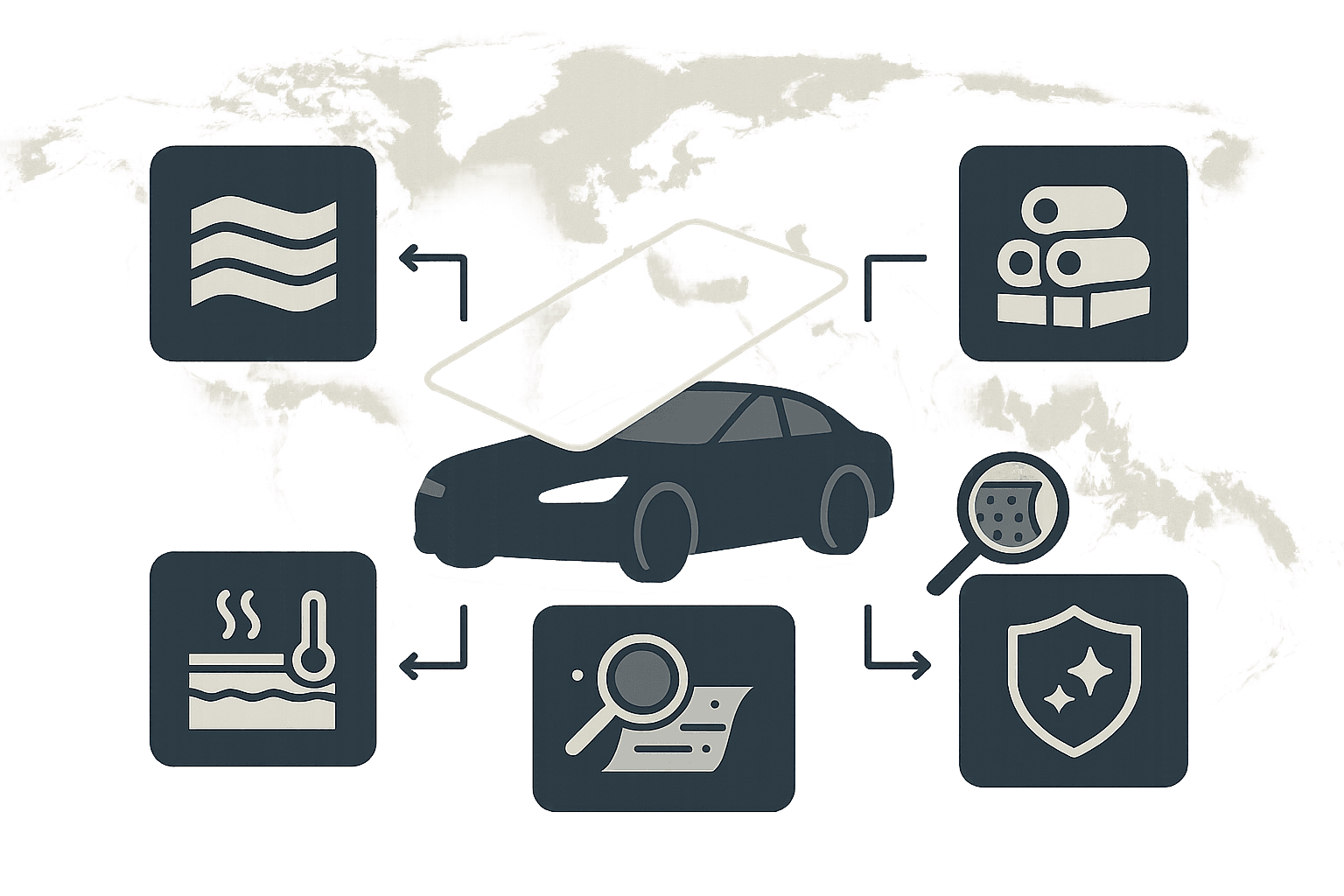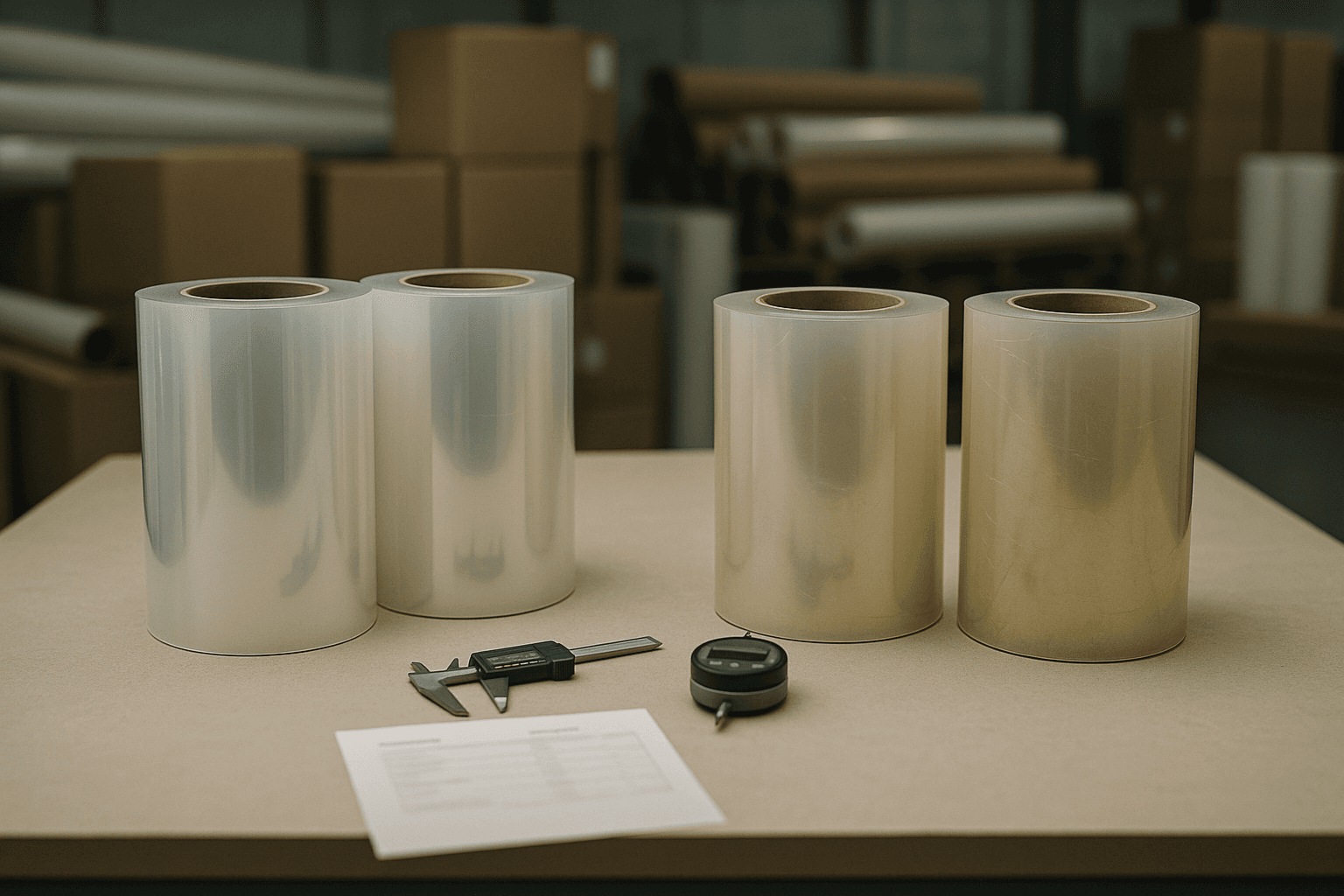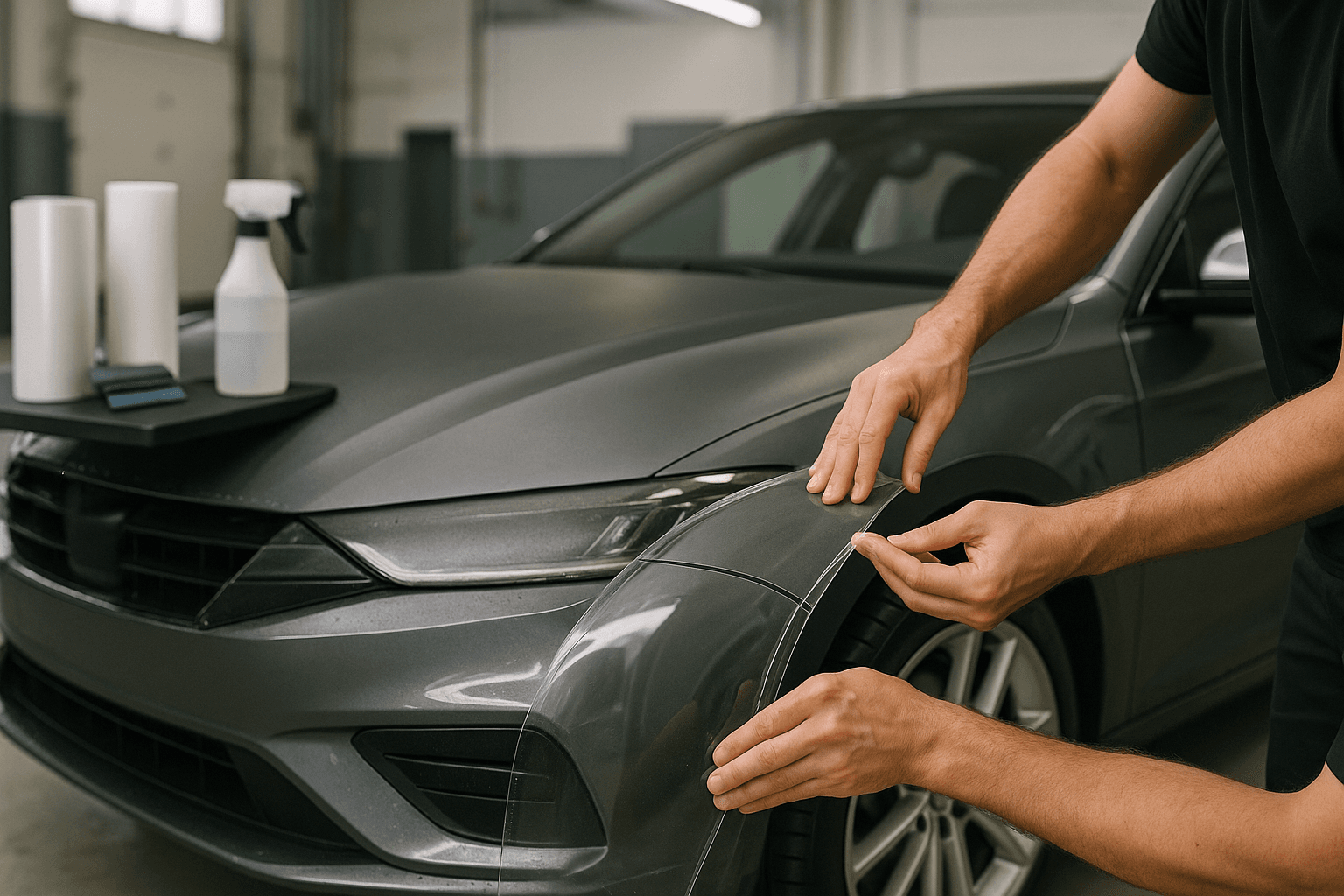
For distributors shortlisting programs, stek vs xpel comparisons should cover batch clarity, orange peel, hydrophobic top coat specs, and reorder margin—not consumer gloss claims alone.
Paint protection film has evolved from a niche clear bra product into a core profit center for serious automotive and restyling businesses. If you are weighing XPEL vs STEK, looking for an XPEL alternative, or deciding between PPF vs ceramic coating, it helps to cut through the brand hype and focus on what actually matters for performance, install quality, and margins.
What Paint Protection Film Actually Does
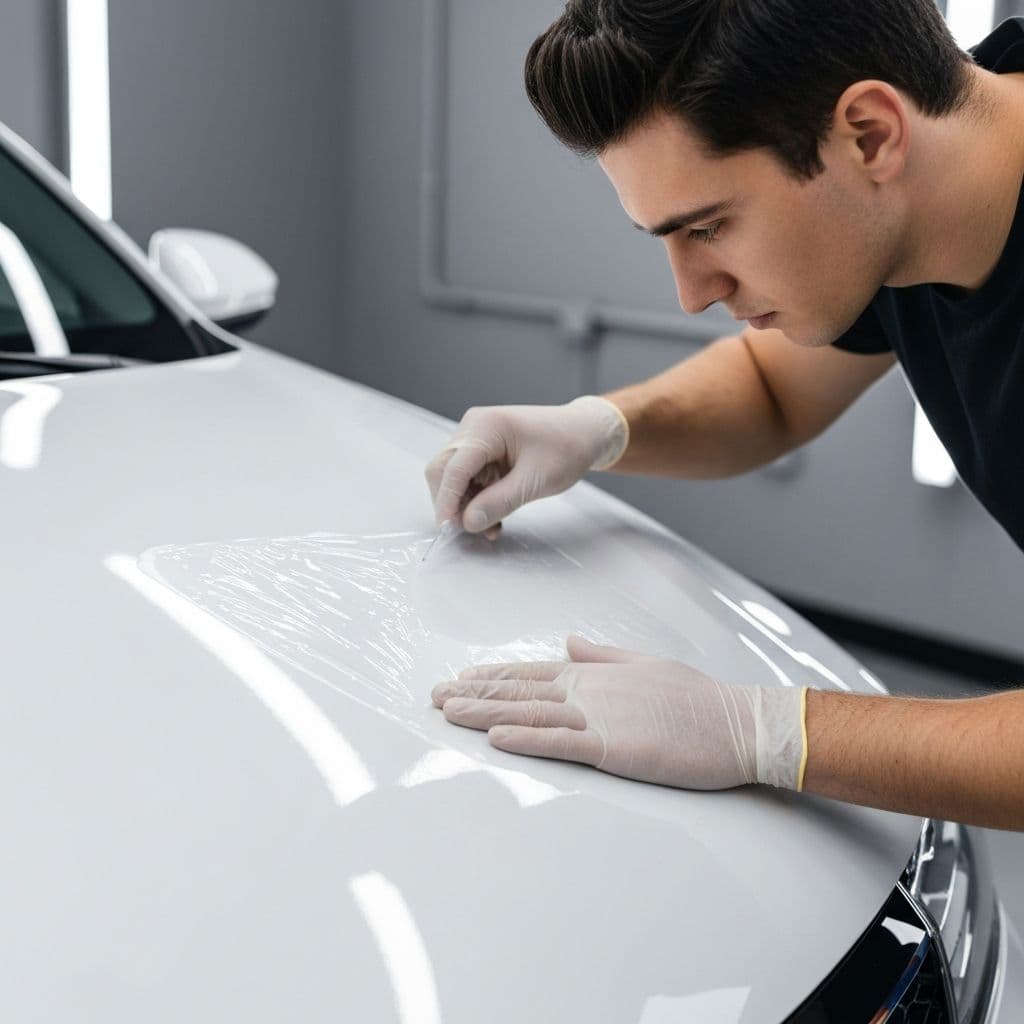
Paint protection film (PPF) is a transparent thermoplastic urethane layer applied to painted surfaces. It is also commonly called clear bra or an invisible shield.
Modern PPF provides three core benefits:
- Impact absorption: The urethane layer flexes to absorb rock chips and road debris instead of your paint.
- Scratch resistance: A tough top coat resists minor marring from washing and daily use.
- Self-healing: Heat allows the top coat to recover from light surface scratches.
Premium films are typically around 8–8.5 mils thick and offer strong optical clarity and UV resistance when installed correctly. Many systems also include both gloss and matte or satin variants.
XPEL vs STEK: How Do They Really Compare?
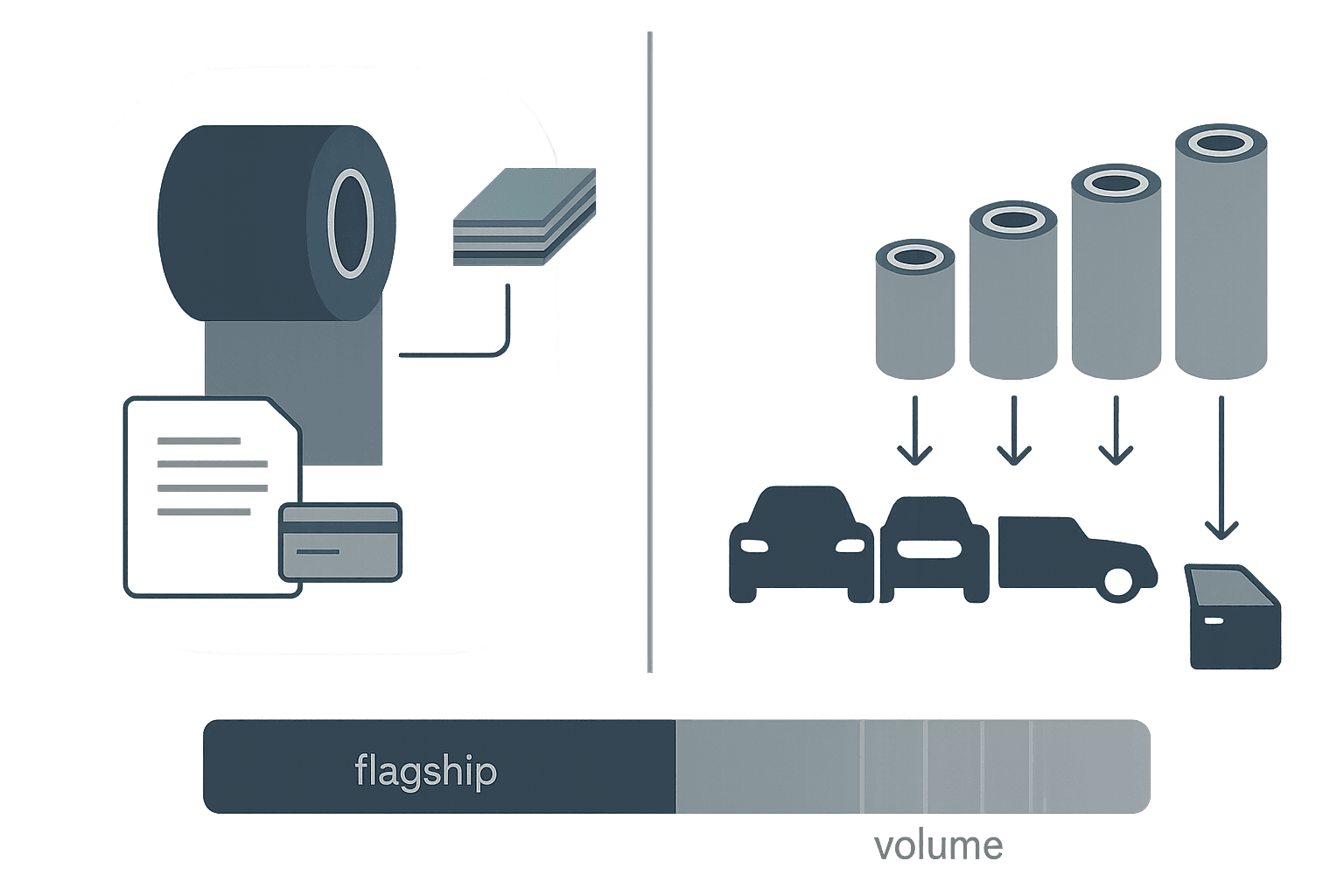
Two names dominate many PPF conversations: XPEL and STEK. Both offer high-end paint protection films with self-healing and 10-year warranties on their flagship products, but they differ in positioning and strengths.
XPEL: Benchmark Brand and Template Ecosystem
XPEL has long been a reference point in the PPF space. Its flagship gloss film is known for:
- Approximately 8.5 mil thickness and fast self-healing under heat
- Strong optical clarity and resistance to yellowing when cared for properly
- A well-developed matte line that can deliver a stealth or satin-like transformation on glossy paint
One of XPEL's major business advantages is its pattern software. Wide template coverage for most vehicles supports consistent, computer-cut installations and helps reduce cutting on the vehicle. For many shops, this ecosystem plus brand recognition is a key selling tool.
However, XPEL installs often command a price premium, in part because of brand strength and certification structures. For businesses, that can mean tighter margins if local pricing pressure is high.
STEK: Finish Flexibility and Installer-Friendly Handling
STEK has built a strong reputation among installers for clarity, self-healing performance and ease of installation. Common installer feedback points include:
- Very fast, reliable self-healing
- Excellent optical clarity with a smooth finish
- A film that many installers find more forgiving to stretch and conform on complex body lines
STEK also stands out in finish range. Beyond standard gloss, it offers a wide variety of matte PPF, color-tinted, black and specialty textures. This gives shops more room for upselling and differentiating packages, especially on higher-end or enthusiast vehicles where appearance is everything.
The tradeoff is that STEK's certified network is often smaller than XPEL's, and in some markets it may be less familiar to retail customers. That is where strong in-house education and side-by-side demos become important.
XPEL vs STEK: Which Is "Better"?
At the top tier, performance gaps have narrowed. Both XPEL and STEK:
- Offer self-healing, impact protection and long warranties on flagship lines
- Deliver clear, durable gloss films with solid stain resistance
- Include matte or stealth-style options to convert gloss paint to a satin look
The deciding factors often have less to do with chemistry and more to do with your business model:
- If you rely heavily on brand recognition, software patterns and a large warranty network, XPEL is compelling.
- If you prioritize installer-friendly handling and a wide range of specialty finishes (matte, color, textures), STEK is a strong choice.
- In either case, installer skill and process control matter more than the logo on the box. A mid-tier film installed perfectly will outperform a premium film installed poorly.
Smart XPEL Alternatives for Shops and Distributors
When people search for an "XPEL alternative," they are usually asking one of three questions:
1. Can I get similar performance at a lower cost? 2. Can I differentiate my shop with film features XPEL does not offer? 3. Can I control my own brand with a private label PPF line?
Several premium manufacturers now compete directly with XPEL on quality, including brands focused on installer experience, gloss retention and expanded finishes. Many offer:
- 8 mil or thicker constructions
- Gloss and matte PPF / satin PPF options
- Strong UV resistance to reduce yellowing
- Long-term warranties
From a B2B standpoint, a strong XPEL alternative should provide predictable quality, technical support, training resources and competitive wholesale pricing without forcing you into an inflexible program. The goal is to protect your margins while delivering a product that can stand next to any recognized brand in real-world conditions.
PPF vs Ceramic Coating: Which Protection Comes First?
Shops are often asked to compare PPF vs ceramic coating as if they are interchangeable. In reality, they solve different problems and can be layered for maximum benefit.
What Paint Protection Film Does Better
PPF excels at physical impact protection:
- Rock chips and gravel strikes
- Sandblasting and road rash on high-impact areas
- Light parking lot scuffs and door edge contact
Quality PPF also offers UV resistance and self-healing of light surface marks when warmed by sun or hot water. For preserving original paint and resale value, it is generally the strongest single investment.
What Ceramic Coating Does Better
Ceramic coatings are thin, hard layers that improve surface behavior rather than providing significant impact resistance. They shine when it comes to:
- Hydrophobic performance and ease of washing
- Resistance to environmental contamination and staining
- Gloss enhancement and slickness
A coating alone will not stop rock chips. It adds some micro-marring resistance, but not the elastic, impact-absorbing protection that a urethane film delivers.
Best Practice: Combine Both Strategically
For many vehicles, the most effective approach is:
- Install PPF on high-impact zones (at minimum the full front, often with rockers and other vulnerable panels).
- Apply a ceramic coating over the entire vehicle, including on top of the film, for easier maintenance and consistent gloss.
This stack gives you the best of both worlds: the physical barrier of film plus the slick, easy-clean behavior of a coating.
Gloss, Matte PPF, and Satin PPF: Choosing the Right Finish
Finish is often what sells the job. Beyond standard gloss, matte and satin PPF open up styling and upsell opportunities.
Gloss Clear Bra
Gloss PPF is designed to disappear on well-prepped paint. Modern films provide high optical clarity, often matching or even enhancing the depth and shine of the factory clear coat. For daily drivers, luxury vehicles and clients who want invisible protection, gloss remains the default.
Matte PPF and Satin PPF
Matte PPF (often branded as stealth or satin by different manufacturers) transforms glossy paint into a low-sheen finish while still providing impact protection. It is especially popular for:
- Performance cars and SUVs with aggressive styling
- Dark colors where light diffusion gives a premium, stealthy look
- Protecting factory matte finishes that are otherwise hard to repair
Within this category, you will see both "matte" and "satin" descriptions. In practice:
- Matte films have a lower gloss level and a more muted, flat appearance.
- Satin films maintain a bit more sheen, offering a softer, eggshell look.
The exact appearance varies by brand, so it is wise to keep demo panels or hoods in the shop to set customer expectations accurately.
High-Tack PPF: When You Need More Grip
Most standard PPF systems are engineered with a balanced adhesive that offers strong bonding while allowing some repositioning during install. High-tack films use a more aggressive adhesive system for situations where standard films may struggle to stay down.
High-tack PPF is useful for:
- Textured, porous or unpainted plastics where adhesion is challenging
- Extreme curves or deep recesses that tend to lift over time
- Commercial applications that see heavy abuse
Because the adhesive is more aggressive, high-tack films generally demand tighter install technique and faster decision-making on placement. For many shops, keeping a high-tack option in inventory is a smart way to solve problem panels and specialized projects, even if the bulk of work is done with a standard-tack film.
Private Label PPF: Controlling Your Brand and Margins
As the PPF market matures, more shops and distributors are exploring private label paint protection film. Instead of selling a global brand name, they offer film under their own brand identity.
Potential advantages include:
- Brand ownership: Your logo and product name are front and center, not someone else's.
- Pricing control: Less direct price shopping online because customers cannot easily compare your private label to retail-listed brands.
- Differentiation: Ability to position unique packages, warranties or tiered systems that match your market.
When evaluating private label options, focus on the same technical criteria you would with any major brand:
- Base film thickness and construction
- Self-healing behavior and top coat hardness
- Optical clarity, orange peel and gloss or matte consistency
- Warranty support and manufacturer stability
A strong private label partner should be able to show you long-term test panels, performance data and real install history, not just attractive marketing.
How to Choose the Right PPF System for Your Business
Whether you stay with XPEL, switch to STEK, adopt an alternative, or build a private label program, your decision should be driven by a structured evaluation rather than brand noise.
Key factors to consider:
- Installer feedback: How does the film stretch, tack and trim in real installations?
- Finish quality: Is gloss truly clear? Is matte or satin even and non-plasticky?
- Support and training: Does the supplier provide technical help, patterns, and business guidance?
- Warranty clarity: Are terms simple, enforceable and backed by a stable manufacturer?
- Local positioning: Does the brand or your private label strategy fit your local clientele and price sensitivity?
By aligning film choice with your team, your processes and your target customers, you can treat PPF not just as a product, but as a scalable, profitable service line.
Frequently Asked Questions
Is PPF better than ceramic coating for daily drivers?
For protecting paint from rock chips and physical damage, PPF is generally more effective than ceramic coating. The urethane film absorbs impacts that a thin coating cannot. On a daily driver, especially one that sees highway use, prioritizing PPF on the front end and other vulnerable areas is usually the best first step. Ceramic coating can then be added over the film and remaining paint to improve ease of cleaning and gloss.
How long does quality paint protection film last?
Premium PPF from major manufacturers is commonly backed by warranties around the 10-year mark on flagship products. In real-world use, lifespan depends on installation quality, climate, exposure and maintenance. Regular washing with safe methods, prompt removal of contaminants, and avoiding harsh chemicals will help the film maintain clarity and performance throughout its intended service life.
Does matte PPF require different maintenance than gloss PPF?
Matte and satin PPF require a bit more care if you want to preserve the low-sheen look. You should avoid abrasive polishes and waxes designed to add gloss, as they can create uneven shine or dark patches on a matte surface. Use pH-neutral soaps, soft wash media and products specifically labeled as safe for matte or satin finishes. Many shops also recommend a compatible ceramic coating formulated for matte film to add protection without changing the appearance.
Can I install high-tack PPF everywhere on a vehicle?
High-tack PPF is designed for challenging areas where standard adhesion is not sufficient, such as textured plastics or extreme curves. While it can technically be used more broadly, most installers limit it to problem zones because the aggressive adhesive allows less repositioning and can make removal more demanding. For most painted panels, a standard-tack film offers the right balance of bond strength and workability.
Is private label PPF as good as the big name brands?
Private label PPF can match or even exceed the performance of well-known brands, but it depends entirely on the underlying manufacturer and construction. Some private labels are simply rebranded premium films; others are cost-driven products with noticeable compromises in clarity, self-healing or durability. Before committing, ask for test panels, examine gloss or matte uniformity, perform your own install trials, and review warranty terms. If those boxes are checked, private label can be a powerful way to build your own brand while delivering high-quality protection.