Shops evaluating an xpel alternative alongside STEK and LLumar lines should read our XPEL alternatives comparison hub for distributor-side selection criteria before locking a program.
Choosing the right paint protection film (PPF) can be overwhelming with so many premium brands on the market. LLumar, STEK, and XPEL are three of the most popular choices among car enthusiasts and professional installers. In this comprehensive guide, we break down the key differences to help you make an informed decision.
What is Paint Protection Film?
Paint protection film is a thermoplastic polyurethane (TPU) layer applied to your vehicle's painted surfaces. It acts as a sacrificial barrier against rock chips, scratches, bird droppings, UV damage, and other environmental hazards. Modern PPF technology includes self-healing properties that allow minor scratches to disappear with heat exposure.
Head-to-Head Brand Comparison
XPEL Ultimate Plus
XPEL is often considered the industry benchmark for clear PPF. According to XPEL's official product page, Ultimate Plus "offers unparalleled defense against scratches, rock chips, and environmental contaminants" with "advanced self-healing technology" that "repairs minor scratches and swirl marks with ease."
Key Specifications:• Available in multiple thicknesses and finishes (clear and black)• Self-Healing: Excellent - activates with heat or sunlight• Industry-leading warranty with global support network• Best For: Maximum protection, luxury vehicles
STEK DYNOshield
According to STEK USA's official documentation, DYNOshield is a "premium top-coated Paint Protection Film designed to stop rock chips and scratches while being virtually invisible over factory gloss paints." The film features a "proprietary nano-ceramic-infused top coat bonded to the film as a liquid, providing extreme hydrophobic properties and phenomenal optical clarity."
Key Specifications:• Thickness: 8 mils• Self-Healing: By heat or hot water• Warranty: 10 years (upgradeable to 12 years with Final Coat ceramic)• Features: Hydrophobic, anti-contamination, stain resistant• Best For: Enthusiasts seeking premium hydrophobic properties
LLumar PPF
LLumar, backed by Eastman Chemical Company with nearly 50 years in the film industry, offers a solid balance of performance and value. According to The Detailing Gang's comparison, LLumar scores well on scratch resistance and self-healing, with a strong warranty.
Key Specifications:• Thickness: 8 mils (0.2mm)• Self-Healing: Good - heat-activated recovery• Warranty: 10 years• Best For: Value-conscious buyers, wide availability
Performance Comparison
Based on The Detailing Gang's performance evaluation, here's how these brands compare:
Scratch Resistance: XPEL and LLumar lead with excellent ratingsSelf-Healing: All three brands offer effective self-healing technologyYellowing Resistance: Modern formulations from all brands resist yellowingWarranty: All offer 10-year coverage (STEK upgradeable to 12 years)
Key Factors to Consider
1. Self-Healing Technology
All three brands offer self-healing top coats. As noted by industry experts, "minor scratches and swirl marks in the film disappear with heat" from sunlight or warm water. XPEL's Ultimate Plus is widely regarded as having fast and complete self-healing.
2. Hydrophobic Properties
STEK DYNOshield stands out here with its "ceramic-infused topcoat that provides hydrophobic water beading properties," according to STEK USA. For other brands, you can achieve excellent hydrophobicity by applying a ceramic coating on top of the PPF.
3. Installer Network
The quality of installation matters as much as the film itself. XPEL has an extensive certified installer network globally. LLumar benefits from Eastman's wide distribution network.
Which PPF Brand Should You Choose?
Choose XPEL if: You want the industry standard with maximum protection, have a luxury or high-value vehicle, and prioritize the best self-healing performance and global support.
Choose STEK if: You want built-in hydrophobic properties, prefer a ceramic-infused top coat, and value the option to extend warranty to 12 years.
Choose LLumar if: You want reliable protection with proven performance from a company with decades of film expertise and wide availability.
Frequently Asked Questions
How long does a high-quality PPF actually last?
Premium brands like XPEL, STEK, and LLumar offer warranties of 10 years, which is a good indicator of their expected lifespan. With proper installation and maintenance, the film can protect your car for the entire warranty period and often longer. Lifespan is heavily influenced by climate, driving habits, and maintenance.
Is PPF worth the investment for a new car?
Yes, PPF is highly recommended for new cars. It acts as a sacrificial layer that protects the factory paint from rock chips, scratches, swirl marks, bird droppings, and UV damage. This preservation helps maintain your car's resale value by keeping the original paint in showroom condition.
What does self-healing mean in PPF?
Self-healing is a technology where minor scratches and swirl marks in the film disappear with heat. Sunlight or warm water provides enough heat to allow the film's top layer to flow back and erase light abrasions. This is a standard feature in premium films but can vary in effectiveness between brands.
Can PPF turn yellow over time?
Early generation PPFs had issues with yellowing due to adhesives breaking down under UV exposure. Modern premium films use advanced, non-yellowing adhesives and UV inhibitors to maintain clarity. STEK specifically notes their films use "UV-resistant, anti-yellowing adhesives."
What is the difference between PPF and ceramic coating?
They serve different purposes. PPF is a thick, physical film (6-8 mils) that protects against rock chips and scratches. Ceramic coating is a thin, chemical layer that provides superior gloss, hydrophobicity, and chemical resistance but no impact protection. For best results, many owners apply ceramic coating on top of PPF.
Can I install PPF myself?
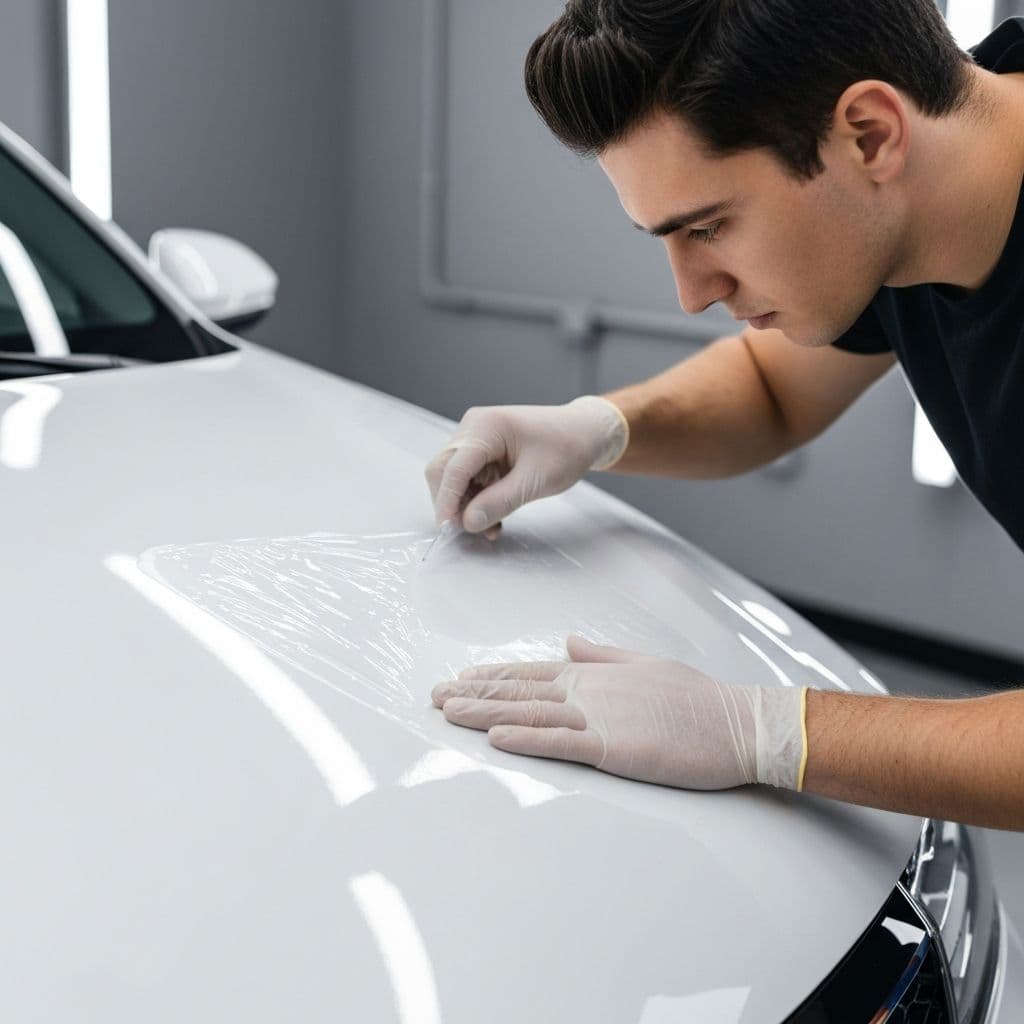
Professional installation is highly recommended. PPF requires a perfectly clean surface, precise cutting, skilled stretching, and careful application to avoid bubbles and dirt traps. A poor installation can void the manufacturer's warranty and lead to premature failure.
How do I maintain my car after PPF installation?
Wait at least 48-72 hours before washing to let the adhesive cure. Use a pH-neutral car shampoo and soft microfiber mitts. Avoid abrasive brushes, harsh chemicals, and high-pressure water directly on edges. According to STEK, their hydrophobic films make washing easier and require less friction.
References
1. XPEL Official - Ultimate Plus PPF Product Page: xpel.com/ultimate-plus
2. STEK USA Official - DYNOshield Product Page: stek-usa.com/dynoshield
3. The Detailing Gang - PPF Brands Comparison: thedetailinggang.com
Conclusion
All three brands—XPEL, STEK, and LLumar—offer excellent paint protection backed by 10-year warranties. XPEL leads in self-healing performance and global support, STEK excels with built-in hydrophobic ceramic coating, and LLumar provides proven reliability at competitive pricing. Professional installation from a certified dealer is essential for optimal results and valid warranty coverage.