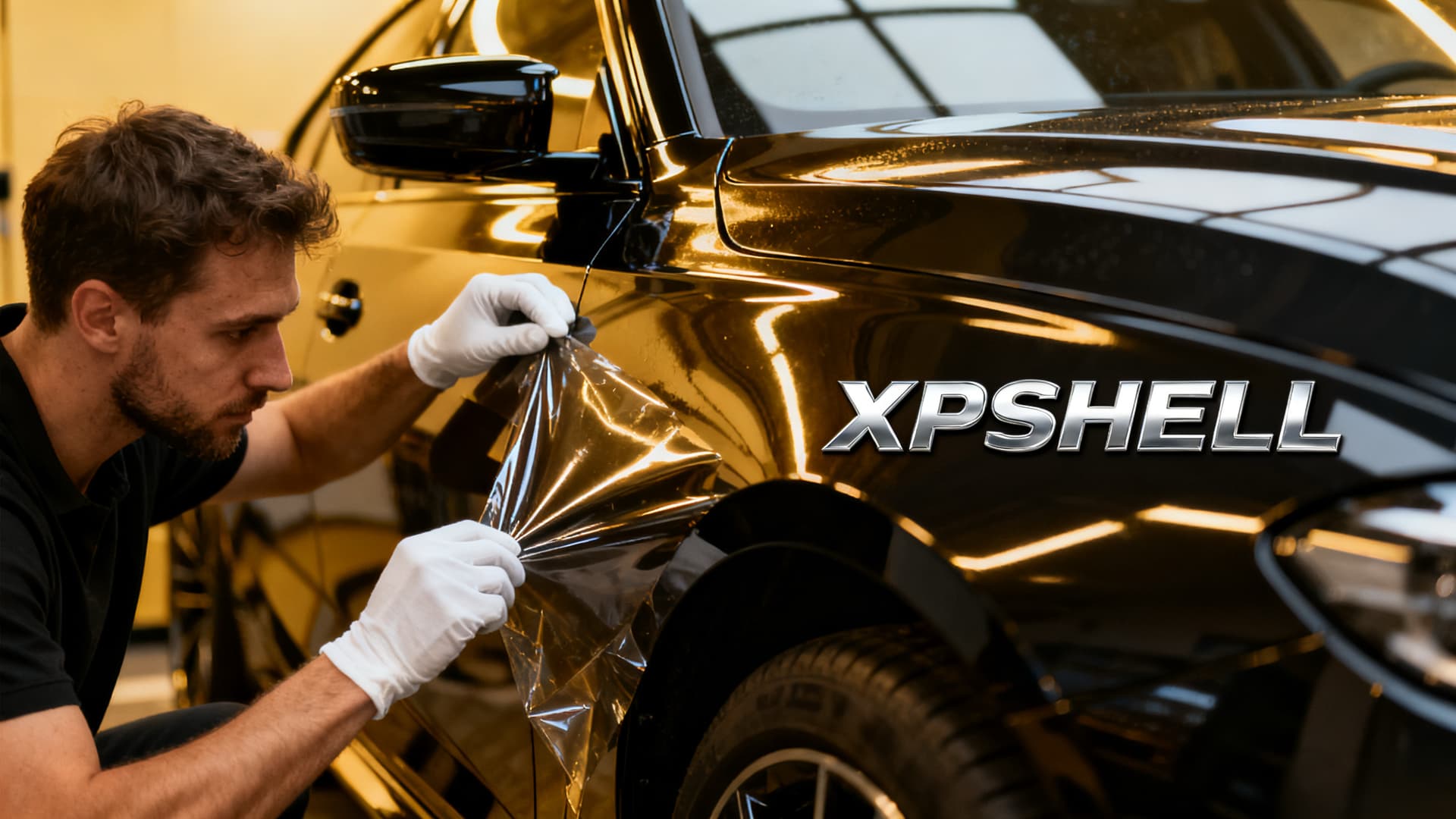
For overseas paint protection film installers, regional wholesalers, cross-border distributors and OEM private-label brands, choosing the right PPF manufacturer and wholesale supplier directly affects product quality, supply stability and long-term profit.Many procurement setbacks stem not from product pricing, but misjudgements within the supply chain. Common pain points include colour deviation across production batches, premature yellowing, adhesive overflow and edge‑lifting, delayed lead times, and unworkable OEM customisation. These issues trigger rework, customer complaints and damage to your business reputation.For buyers searching for a direct PPF manufacturer, wholesale supplier or OEM production partner, evaluating the factory behind the product is more important than comparing price alone.
Most online PPF content targets end‑consumers, focusing on brand introductions and vehicle installation showcases. Few resources are written from a B‑side procurement perspective covering factory verification and supply‑chain risk control. Drawing on real‑world pain points from overseas customer enquiries, this article sets out actionable selection criteria covering factory validation, raw‑material quality, quality control, supply capacity, OEM collaboration and after‑sales warranty. It references the actual operational capabilities of two source manufacturers, XPSHELL and MICPPF, as a practical reference for buyers.
1. Identify Real‑Manufacturing Factories and Avoid Trade Intermediaries
Some suppliers market themselves as manufacturers while merely acting as outsourced resellers. In such cases, quality, lead times and customisation cannot be independently controlled. Buyers may refer to the four objective criteria below for evaluation.
1.1 Availability of In‑house TPU Coating Production Lines
Core PPF manufacturing processes include TPU coating, top‑coating curing and lamination of pressure‑sensitive adhesive. Only factories with self‑owned production lines can independently regulate gloss, haze and coating thickness.
XPSHELL and MICPPF operate dedicated PPF production workshops and coating lines. Real‑time equipment monitoring during production minimises uneven coating and surface defects, ensuring consistent installation performance and finished‑film results roll‑to‑roll.
1.2 Proven Track Record of Overseas Deliveries
Factories focused solely on the domestic market often lack experience with sea‑freight logistics, regional climate adaption and export‑compliance standards. Founded in 2017, XPSHELL exports products to more than 38 countries worldwide. It maintains mature export‑grade packaging, logistics and order‑delivery workflows to satisfy long‑term restocking requirements for overseas clients.
1.3 In‑house Laboratory Weathering‑Testing Capabilities
Visual sampling alone cannot predict long‑term anti‑yellowing and anti‑ageing performance. MICPPF runs an internal laboratory conducting UV‑ageing, abrasion‑resistance and hydrophobic‑performance tests. Benchmark comparisons against mainstream international products are also performed, and test data can be provided for bulk orders.
1.4 Standardised Production Qualifications
ISO 9001 quality‑management‑system certification represents the baseline requirement for large‑scale manufacturers. XPSHELL manufactures under this system, enabling batch‑level quality inspection and traceability to mitigate risks associated with large‑volume procurement.
1.5 Why Choose a Direct PPF Manufacturer Instead of a Trading Company?
Choosing a direct PPF manufacturer instead of a trading company gives buyers better control over product quality, pricing, customisation and long-term supply stability.
Trading companies may provide access to multiple product options, but they usually have limited control over production processes, raw materials and quality inspection. This can create risks such as inconsistent batches, delayed communication and limited OEM flexibility.
A direct PPF manufacturer can provide:
1. Better quality control
Manufacturers manage the production process directly, including TPU material selection, coating processes, adhesive performance and final inspection. This helps maintain consistent quality between different production batches.
2. More flexible OEM cooperation
For distributors and private-label brands, working directly with a manufacturer makes it easier to customise packaging, product specifications, warranty documents and sales materials.
3. More stable supply and pricing
Direct factory cooperation reduces unnecessary intermediary costs and allows buyers to communicate directly about production schedules, inventory planning and future supply requirements.
For overseas installers, wholesalers and brand owners, choosing a reliable direct PPF manufacturer is not only about reducing purchase costs, but also about building a stable long-term supply partnership.
2. Evaluating TPU Material: Conduct Practical Sample Testing
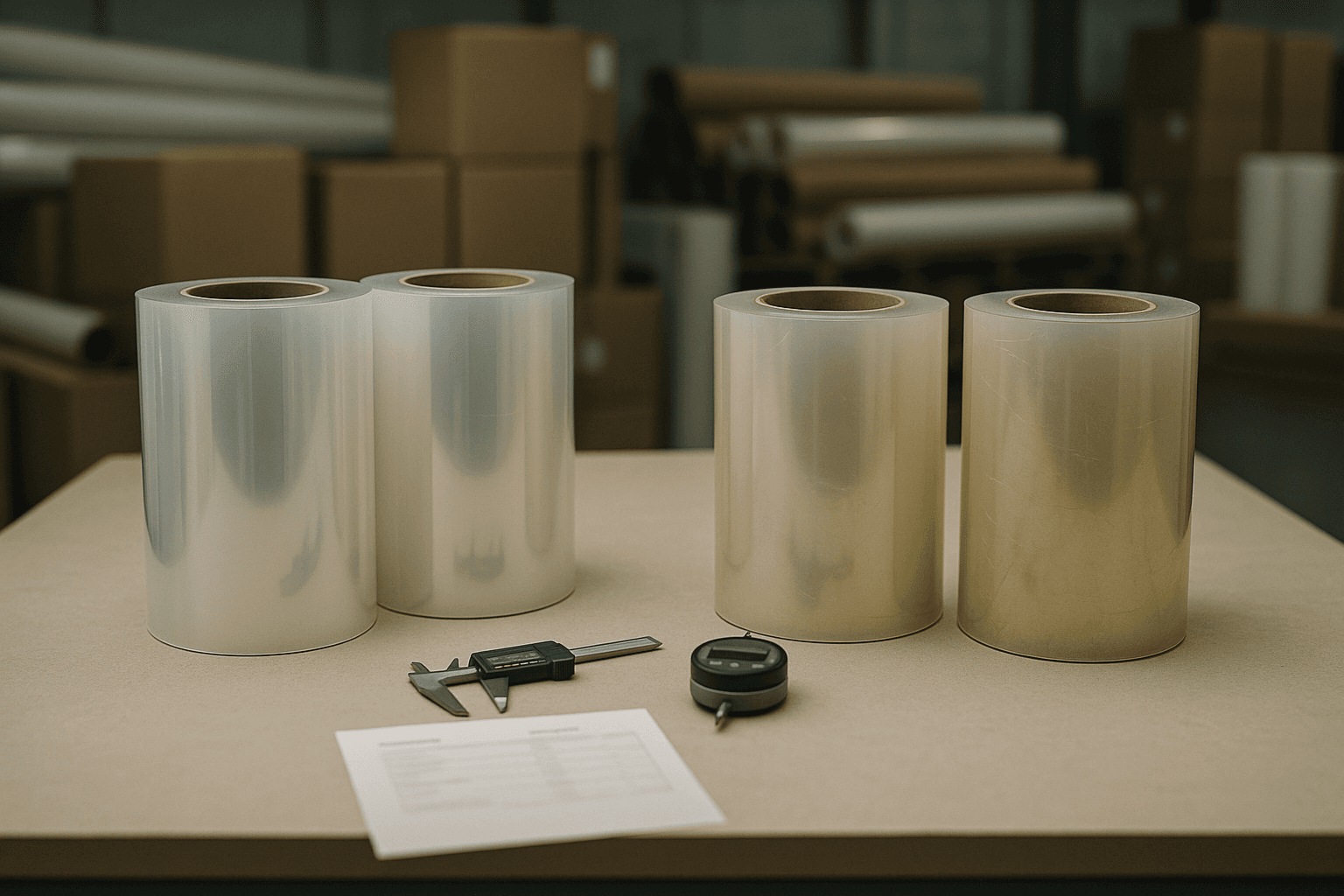
PPF performance is determined by three components: substrate, self‑healing top‑coating and pressure‑sensitive adhesive. Low‑cost offerings frequently deploy recycled TPU and inferior coatings. While problems may not appear initially, yellowing, gloss loss, edge‑lifting and cracking can emerge within months. Do not rely exclusively on datasheet parameters; practical sample testing delivers reliable judgements.
2.1 Basic TPU‑Substrate Assessment
Virgin‑grade TPU substrates deliver superior tensile‑strength, impact‑resistance and anti‑ageing performance. Recycled raw materials degrade rapidly under ultraviolet exposure and high temperatures. XPSHELL and MICPPF source raw materials from stable upstream suppliers with fixed mass‑production formulations. Substrate specifications are not arbitrarily altered to prevent mass‑quality inconsistencies.
2.2 Four Core Performance Indicators to Test on Samples
Validate the following metrics via sample evaluation before placing bulk orders:
‑ Thermal self‑healing: Minor scratches recover under heat, enabling straightforward demonstration for end‑customers at installation shops.
‑ Hydrophobic anti‑fouling: Dirt and rainwater slide off easily, reducing after‑sales maintenance workload.
‑ Anti‑yellowing: UV‑stabiliser additives preserve paint‑film clarity under diverse regional climatic conditions.
‑ Stable adhesive layer: Balanced tack prevents adhesive overflow at high temperatures and edge‑lifting in low‑temperature environments.
Both factories offer free sample requests for overseas buyers so you can conduct independent testing and mitigate bulk‑order risks.
2.3 Focus on Batch‑to‑Batch Consistency
For wholesalers and multi‑site installation chains, passing sample performance does not guarantee long‑term stability. A widespread industry issue is inconsistent gloss and haze across batches, producing colour‑mismatch problems after installation that lead to rework and claims.
XPSHELL and MICPPF implement dual‑level inspection combining visual checks and laboratory‑based ageing tests. Each roll carries an individual batch‑traceability code to ensure consistent quality between repeat orders and initial orders and minimise batch‑variation risks.
3. Supply Stability underpins Long‑term Local‑market Operations
Even with satisfactory product quality, supply capacity remains critical. Some factories produce excellent‑performing samples yet suffer disorganised inventory, peak‑season stock‑outs and unreliable lead times that disrupt distributors’ sales cycles. Reliable suppliers should satisfy three requirements:
1. Core‑SKU inventory availability: Stock‑keeping units for clear, matte and satin‑finish coloured PPF are kept in stock to shorten lead‑times for overseas orders.
2. Stable production‑scheduling for restocking to guarantee delivery cycles for repeat‑purchase orders.
3. Export‑specific shock‑resistant packaging to reduce roll‑surface crushing and scratching caused by sea‑freight or air‑freight transit.
How to Evaluate a PPF Wholesale Supplier Before Bulk Ordering
Before placing a large PPF order, buyers should evaluate more than product price.
A reliable wholesale PPF supplier should provide:
1. Stable production capacity
A qualified manufacturer should have consistent production schedules and the ability to support repeat orders.
2. Quality consistency between batches
Bulk buyers should confirm whether the supplier has inspection procedures and traceability systems.
3. Flexible order support
For distributors and installers, MOQ flexibility and OEM options are important factors when choosing a long-term supplier.
4. Export experience
International buyers should evaluate packaging, delivery experience and communication efficiency.
4.OEM PPF Manufacturing: Private Label Solutions for Global Brands
Many overseas merchants intend to build local proprietary PPF brands. Well‑known international brands impose high minimum‑order thresholds and restrictive customisation terms for private‑label programmes. Source‑manufacturers are better suited for small‑to‑medium‑sized brands conducting market validation.
4.1 Support for Small‑batch Trial Orders
XPSHELL provide low‑threshold OEM trial‑order options. Large‑volume stockpiling is not required, lowering trial‑and‑error costs for new‑brand projects.
Many overseas distributors and installers choose OEM PPF manufacturing to build their own local brands without investing in production facilities.
4.2 Full‑range Custom‑branding Materials
Customisable deliverables include roll labels, outer‑carton printing, warranty certificates, sample books and in‑store sales collateral. These assets help build distinct brand identities and escape homogeneous‑market competition.
4.3 Specification Adjustments for Regional‑climate Adaptation
Film thickness, surface finish (high‑gloss / matte / satin), coating chemistry and adhesive formulations can be adjusted to match local installation‑environment requirements.
4.4 Access to Commercial‑grade Technical Documentation
Product‑specification sheets, formal warranty documents and sales‑reference talking points are supplied. These enable clients to position products as cost‑effective local alternatives and improve profit margins.
4. After‑sales Service & Warranty: Distinguishing Ordinary Manufacturers from Premium Supply‑chain Partners
Some suppliers offer only vague verbal warranty commitments and deflect responsibility when issues arise. Reputable factories provide clear, enforceable warranty terms:
1. Clear‑cut liability demarcation distinguishing manufacturing defects, installation‑induced errors and natural‑environmental wear‑and‑tear.
2. Warranty validation via batch‑coding on each film roll.
3. Provision of installation guidelines and troubleshooting documentation to reduce shop‑floor rework rates.
4. Dedicated B‑side account‑management contacts for timely responses to order‑related and after‑sales enquiries.
5. Supplier‑selection Guidance for Different Buyer Profiles
1. Small‑and‑medium‑sized installation shops: Prioritise source‑manufacturers supporting small‑order procurement, installation‑friendly products and comprehensive after‑sales support. Bypass intermediate‑mark‑up channels to improve shop‑level profit margins.
2. Regional and cross‑border wholesalers: Prioritise suppliers with comprehensive product portfolios (clear PPF, coloured PPF, window film), stable inventory and robust batch‑consistency controls for sustained high‑volume turnover.
3. OEM private‑brand operators: Prioritise manufacturers that support small‑batch trial production, custom‑packaging options and complete collateral plus technical‑support packages.
6. Pre‑order Procurement Checklist
1. Verify the factory’s ownership of coating‑line infrastructure, in‑house laboratory‑testing capacity and production‑related certifications.
2. Request samples and practically test self‑healing, hydrophobic, anti‑yellowing and adhesive‑layer performance.
3. Confirm batch‑quality‑control mechanisms, traceability workflows and long‑term‑supply guarantees.
4. Clarify OEM minimum‑order quantities, customisation scope and specification‑adjustment protocols.
5. Confirm inventory levels, lead‑time timelines and export‑packaging standards.
6. Confirm formal warranty terms and B‑side‑focused technical‑after‑sales support.
FAQ
Q1: What is the difference between buying PPF from a manufacturer and a premium brand?
International brands enjoy strong end‑user awareness yet operate through multi‑tier agency networks, bringing high procurement costs and stringent limitations for OEM private‑labelling. As source‑manufacturers, XPSHELL deliver performance comparable to leading international brands with more competitive procurement costs. Small‑batch trial‑order options and full‑scope private‑label services are available, making them well‑suited for overseas installers and wholesalers seeking higher profit margins.
Q2: Can I request free samples for evaluation before bulk‑volume procurement?
Yes. XPSHELL and MICPPF provide free samples for B‑side clients covering clear, matte and satin‑finish product lines for independent performance validation.
Q3: What OEM customization options can PPF manufacturers provide for private-label brands?
Roll‑level labels, outer‑carton packaging, warranty certificates, sample books and sales‑promotional materials can all be customised. Film thickness, surface finish and adhesive‑coating formulations may also be adjusted to suit local‑climate conditions.
Q4: How is batch‑to‑batch consistency guaranteed for repeat orders?
Dual‑level inspection combining visual assessment and laboratory‑based ageing evaluation is implemented. Each roll carries a unique traceability code logging raw‑material, production and test‑report information to minimise gloss‑ and hand‑feel discrepancies between batches.
Q5: What is the difference between buying PPF from a manufacturer and a trading company?
Buying directly from a manufacturer usually provides better control over pricing, product consistency, customization and supply planning. Trading companies may offer more options, but they often have less control over production processes.
Q6: How can distributors verify PPF quality before bulk purchase?
Distributors should request samples and test self-healing performance, hydrophobic properties, yellowing resistance, adhesive stability and batch consistency before placing bulk orders.
References
[1]PPF Material and B2B Procurement Verification Key Points
[2]PPF Wholesale Procurement: How to Identify Authentic Manufacturing Facilities
[3]Complete Procurement Guide for PPF Factories in China
[4]PPF Supplier Screening and Export Delivery Assessment