Evaluate a PPF supplier the same way you would inspect an inbound roll. Ask for named models, a thickness ladder written in mil, a stated healing trigger, a warranty term that varies by series, and sample rolls you can stretch, heal, and peel before you fund inventory. Brand names and “premium” adjectives do not replace that receiving check.
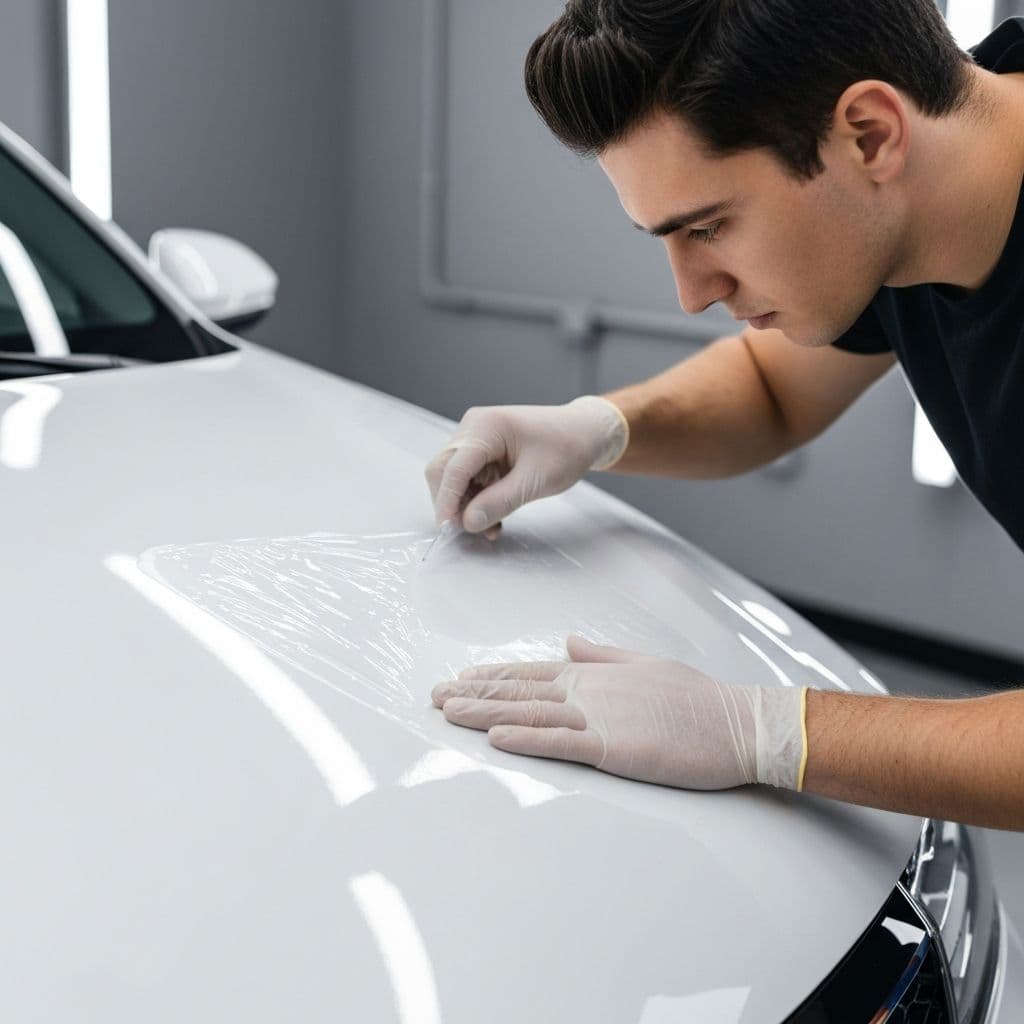
Paint protection film is a thermoplastic urethane (TPU) layer, often with a self-healing topcoat, applied to painted panels to take chips and light abrasion [1]. TPU itself is a thermoplastic polyurethane: it becomes pliable when heated and hardens when cooled, and the class is typically flexible with impact, abrasion, and weather resistance [2]. That is a polymer family, not a factory grade. Distributors comparing an XPEL alternative or STEK alternative program lose money on the same failures: orange peel that shops refuse, adhesive that lifts on edges, gloss that does not match the next batch, and a warranty card that does not match what purchasing thought they bought. Quality here means repeatable film, not a one-off show car wrap.
Incoming inspection before the first container
Run this list on samples first, then again on the first wholesale shipment.
- Named SKUs. Reject “generic 7.5 mil PPF” with no model code. You need a code purchasing and installers can reorder.
- Thickness by job. Confirm the mil rating on the liner and the spec sheet match. In US industrial language a mil is one thousandth of an inch (1 mil = 0.001 in) [5]. If the sheet and the liner disagree, you do not have a spec.
- Healing method. Heat-activated healing and room-temperature healing are different demos. Write down which one you were shown.
- Surface. Check high-gloss clarity, haze at an angle, and whether water beads. A hydrophobic surface shows a high water contact angle [10]. Beading is a wetting check, not a batch-quality certificate.
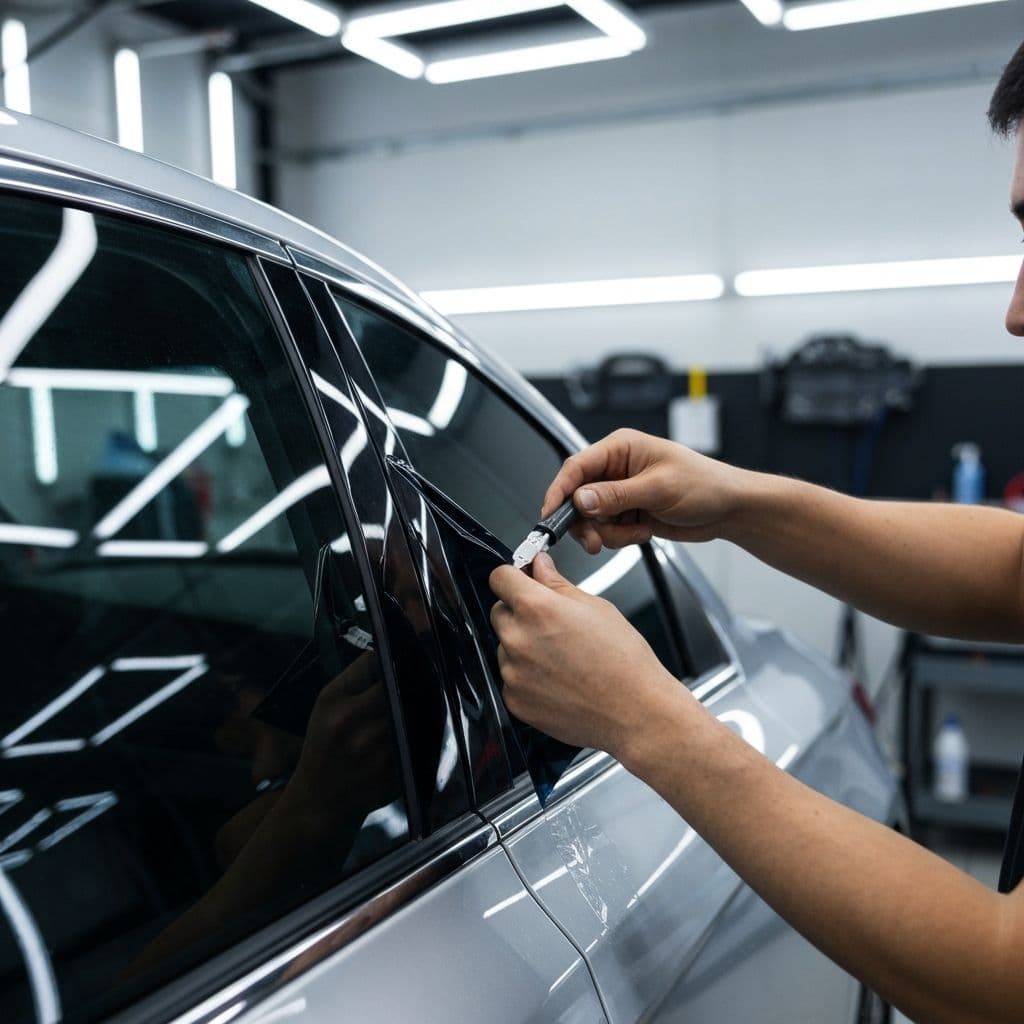
- Install window. Stretch on a bumper corner or mirror. Note edge lift after 24 hours.
- Removal. On a test panel, confirm clean removal when professionally handled. Do not promise residue-free removal on every aged paint.
- Documents. Match the warranty card, roll label, and quote line. If they disagree, stop.
ISO 9001:2015 specifies requirements for a quality management system [6]. Use that as context for how a factory talks about process control. It is not a substitute for inspecting the SKU you will stock. For the rolls themselves, ask whether incoming or outgoing checks follow lot-by-lot attribute sampling. ISO 2859-1 specifies sampling schemes indexed by acceptance quality limit (AQL) so a buyer has an upper bound on the risk of accepting a poor lot [7]. ISO 28590 is the introduction to that 2859 family — use it to choose a plan language before you invent sample sizes in a chat [8]. Do not publish an AQL number unless the order file states it.
XPSHELL publishes that checklist against a named clear-PPF ladder rather than a single mystery roll. See the current paint protection film series for the models below.
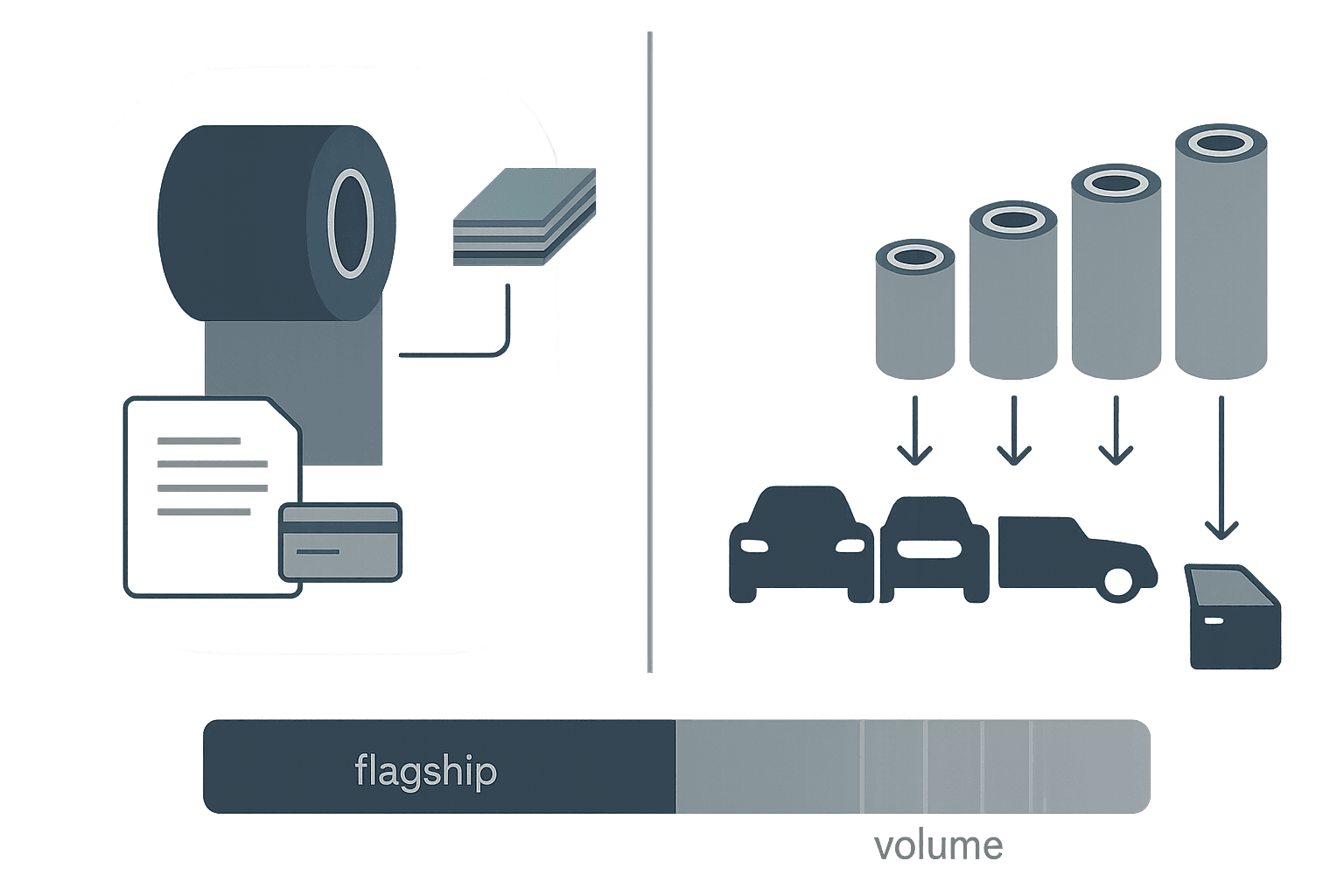
Thickness ladder you can stock against
A supplier that only sells “one 7.5 mil film” forces shops to use the same roll on tight wraps and high-impact panels. That is a QC problem disguised as simplicity. Automotive PPF thickness is commonly specified in mil [1] [5].
| Model | Thickness | Typical use |
|---|---|---|
| M-65 | 6.5 mil | Daily driving, flexible curves, tight edges |
| M-75 | 7.5 mil | Mainstream full-front and full-body; core wholesale SKU |
| M-85 | 8.5 mil | Higher impact resistance, high-stress areas |
| M-100 | 10 mil | Maximum impact, heavy-duty panels |
| A-75 | 7.5 mil | Premium gloss line for flagship jobs |
| R-75 | 7.5 mil | Room-temperature healing, colder markets |
Typical clear PPF roll format is 1.52 m × 15 m, with OEM sizes available. Confirm the size on the PO. Do not assume every factory uses the same rewind.
A published brand TDS is useful as a paper-trail example, not as a replica target. Scotchgard Paint Protection Film Pro Series 200, for instance, states self-healing with heat applied to the film surface and a hydrophobic top surface for maintenance [9]. Demand that same kind of named-SKU sheet from any factory you will fund — including a China TPU line.
Self-healing is not one spec
A thermoplastic becomes pliable at elevated temperature and solidifies on cooling [3]. That is why “heat-activated healing” is a coherent class claim. It is not a stopwatch. For a material to be called autonomously self-healing, the repair must run without human intervention; polymer systems may instead need an external stimulus such as a temperature change [4]. Ask the supplier which of those they are selling.
Category films may include a self-healing topcoat that reforms after light scuffs [1]. Master (M-65 to M-100) and Apex (A-75) are positioned as heat-activated self-healing. Rapid (R-75) is positioned as room-temperature self-healing. That split matters in a shop: a heat-gun demo does not prove Rapid, and a cold-bay demo does not prove Master.
Finish series (matte, satin, gloss black, matte black) is sold as a restyle tier at 7.5 mil. Do not assume it shares the same healing story as the clear ladder until you have tested that SKU. Treat Finish healing as unconfirmed in public claims.
Never publish a healing time or temperature unless the spec sheet for that order states it.
Warranty terms that survive a claim
A single site-wide “10-year warranty” is a red flag. Series differ.
| Series | Positioning | Warranty to confirm per order |
|---|---|---|
| Master | Mainstream / balanced | Up to 8 years |
| Apex | Premium / high-end | Up to 10 years |
| Rapid | Instant-healing / cold markets | Up to 5 years |
| Finish | Matte / satin / black restyle | Up to 8 years |
Every term is up to, with supplier conditions. Demand the card that ships with the roll, not a homepage slogan. XPSHELL’s owner-confirmed split is Master 8 / Apex 10 / Rapid 5 / Finish 8.
If a factory quotes one number for every SKU, you will eat the difference when a Rapid job is claimed as a 10-year Master job.
Batch consistency beats a hero sample
The sample you liked in week one is useless if week eight arrives dull, thick, or sticky. Ask how the supplier ties a roll to a production lot: liner print, core label, or packing list. You do not need a public factory tour. You need a code you can cite on a claim, and a sampling language that matches ISO 2859-style lot inspection rather than “we looked at one roll” [7] [8].
Company-level claims you may use as context, not as film proof: China-based manufacturer positioning, ISO 9001 as a current site claim without certificate numbers [6], and a sample-first wholesale path. Facility size, patent counts, and founding year do not prove the roll in your warehouse.
Sample protocol before you scale
- Request the models you will actually stock, not a mixed pack of leftovers.
- Install a hood or fender in your climate. Wait through a heat cycle and a wash.
- Compare two rolls of the same SKU if you can. Variation between rolls is the real risk.
- Photograph orange peel, haze, edge behavior, and whether water still beads after a wash [10].
- Only then request a wholesale quote. Use contact for samples and pricing, dealers if you need a distributor program, or OEM if the line will carry your brand.
Red flags that should stop the PO
- No model codes, only “7.5 mil TPU”.
- One warranty number for every series.
- Healing demo that does not match the series you are buying, or no stated trigger (heat vs room temperature) [4].
- Refusal to send samples before a container.
- Copy that calls the film the same as XPEL, STEK, or 3M, or uses replica / official-alternative language.
- Specs that change between the WhatsApp chat, the PDF, and the carton.
A factory that cannot keep those items straight will not keep gloss and adhesive straight either.
How XPSHELL fits this checklist
XPSHELL is a China PPF manufacturer selling named Master, Apex, Rapid, and Finish SKUs to distributors, installers, and private-label buyers. The commercial path is sample testing, then wholesale or OEM packaging — not a consumer “best PPF” ranking. TPU class properties [2] and a published-brand paper trail [9] set the evaluation language; they do not replace the receiving table above.
If you are building a local film line next to big-brand alternatives, use that table as the receiving standard, then request samples for the models you intend to stock.
FAQ
How do I evaluate PPF supplier quality before a wholesale order?
Run a receiving check, not a brand interview. Lock named SKUs, thickness in mil (1 mil = 0.001 in) [5], healing trigger (heat vs room temperature) [4], series-by-series warranty cards, and sample rolls you can install and peel. Repeat the same checks on the first wholesale shipment. If the quote, liner, and warranty card disagree, stop. Request samples for the models you will actually stock.
Is Chinese TPU PPF good quality for a distributor program?
TPU quality is not a country grade. TPU is a thermoplastic polyurethane class with abrasion and weather resistance [2]. Chinese TPU PPF is good enough to stock when the factory can keep named models, mil ratings, healing method, and lot codes stable across rolls. It is poor quality when those items move between the chat, the PDF, and the carton. Evaluate the film the same way you would evaluate any paint protection film supplier.
How do I test paint protection film before buying wholesale?
Install the SKUs you will stock, wait through heat and a wash, and compare two rolls of the same model when you can. Check stretch on a tight curve, edge lift at 24 hours, haze at an angle, and whether water still beads [10]. Use lot-by-lot thinking from ISO 2859 / 28590 rather than a single hero sample [7] [8]. Then ask for a wholesale quote through contact.
What warranty should a PPF supplier provide by film series?
Not one site-wide year count. Confirm the card that ships with that roll. XPSHELL’s current split to confirm per order is Master up to 8 years, Apex up to 10, Rapid up to 5, Finish up to 8. ISO 9001 describes a quality management system [6]; it does not write your warranty card.
How do I compare PPF manufacturers without guessing on brand names?
Compare the paper trail: named SKUs, mil ladder [5], healing trigger [3] [4], lot code, and a series warranty. A published brand page that states heat-activated healing and a hydrophobic top surface [9] is the kind of sheet you should demand from every factory, including an XPEL alternative program. Do not compare slogans.
What makes premium PPF different from mainstream clear film?
Premium is a thicker paper trail and a tighter shop spec, not a louder adjective. On the XPSHELL ladder, Apex (A-75) is the premium gloss line; Master is the mainstream wholesale core. Both should still pass the same incoming inspection. Self-healing remains a class behavior — often a topcoat that recovers light marks [1] — until you have tested that SKU.
How do I avoid poor quality PPF suppliers as a wholesale buyer?
Stop the PO when there are no model codes, one warranty number for every series, a healing demo that does not match the series, a refusal to sample, or replica / “same as” copy. Poor quality shows up as batch drift, not as a missing logo. Keep ISO 9001 as context [6] and inspect the lot [7].
Where can I buy professional PPF wholesale — and can I create my own PPF brand?
Buy wholesale from a factory that will send named-SKU samples first, then lock the spec on the PO. XPSHELL sells that path to distributors and installers via contact and dealers. If the line will carry your brand, use OEM for packaging and private-label discussion. Do not skip the quality checklist because the conversation moved to branding.