XPEL PPF Tesla Model Y Alternative: A Practical Guide for Installers
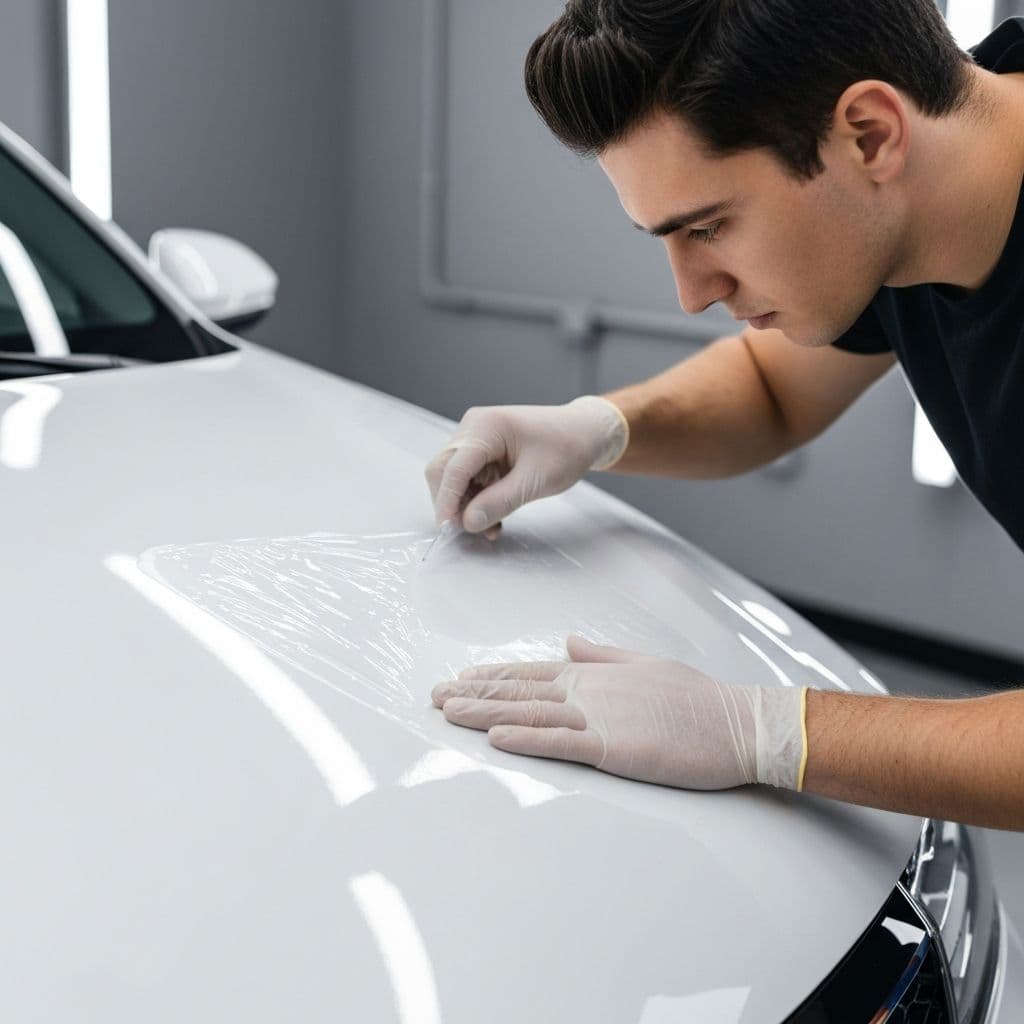
Tesla owners are among the most active customers in the paint protection film market. They search for full front PPF, bumper PPF, stealth matte PPF and full body PPF because the vehicle is highly visible, the painted surfaces are large, and many owners want to keep the car looking new for years.
That is why keywords like xpel ppf tesla model y, xpel stealth model 3 cost, tesla ppf cost and xpel alternative have strong commercial value. These searches usually come from two groups: Tesla owners comparing protection packages, and installation shops looking for a better way to sell profitable Tesla PPF services.
XPEL deserves its strong reputation. Tesla’s own shop lists an XPEL Paint Protection Film product with options such as wear and tear, full front and full body coverage, with pricing shown from $400 to $6,500 depending on selected coverage [1]. Tesla also states that the package includes product selection, installation support from a local certified XPEL dealer and XPEL’s 10-year warranty against product defects [1].
For installers and distributors, the real question is more strategic: can you keep XPEL as the premium reference point while also testing a factory-direct PPF alternative that gives you stronger margins, more flexible packaging and better control over local supply?
Why Tesla Owners Often Ask for XPEL
Tesla owners often ask for XPEL because the brand is easy to recognize and simple to explain. When a customer searches for xpel ppf tesla model y, they are usually not starting from raw material specifications. They are starting from trust.
There are several reasons XPEL appears frequently in Tesla PPF conversations.
First, XPEL has strong brand visibility in the automotive protection market. Tesla’s own XPEL PPF page describes the film as designed specifically for Tesla and positioned for protection against everyday wear, rock chips and road hazards [1]. This makes it easier for installers to sell because the customer may already know the name before entering the shop.
Second, XPEL offers both gloss and satin-style options. XPEL’s STEALTH film is positioned as a satin-finish PPF that protects the vehicle while changing the visual appearance from gloss to a matte or satin look [4]. This is especially relevant for Tesla Model 3 and Model Y owners who want the “stealth” appearance without repainting the car.
Third, the warranty language is clear. XPEL’s warranty information covers defects such as yellowing, cracking, blistering and delamination for specific PPF product lines [3]. For retail customers, this reduces perceived risk. For installers, it gives a straightforward sales message.
Fourth, Tesla owners already understand that some areas need protection. Tesla sells a Model Y Paint Protection Film kit for the rear doors and fenders, explaining that it helps protect against snow, salt, sand, small debris and stone chips [2]. This is useful for installers because it confirms that Tesla itself recognizes high-impact zones on the Model Y.
Why Installers Look for XPEL Alternatives
Looking for an XPEL alternative does not mean saying XPEL is bad. In many markets, XPEL remains a strong premium option. The smarter angle is this:
XPEL is a benchmark. A factory-direct PPF alternative is a margin and supply strategy.
Installation shops and distributors often test factory-direct PPF for four practical reasons.
Higher Gross Margin
Tesla PPF cost is not only material cost. It includes labor, pattern cutting, shop rent, installer skill, paint preparation, warranty handling and sales service. According to one 2026 PPF cost guide, Tesla Model 3 and Model Y full front PPF typically costs around $1,800-$2,500, while full body coverage can reach $5,500-$7,000 [5].
For a shop, the selling price may look high, but the profit depends heavily on material cost and rework risk. A reliable factory-direct PPF can improve gross margin if it installs cleanly, has stable adhesive and does not create after-sales problems.
Better Supply Control
Installers who depend on one premium branded supply channel may face local stock issues, limited product choices or pricing pressure. Factory-direct supply can help shops build a second line for high-volume Tesla packages, especially for full front and bumper packages where repeatable installation volume matters.
Private Label and Distributor Strategy
For distributors, an XPEL alternative may support private label packaging, local warranty cards, installer training kits and regional wholesale programs. This matters when the goal is not just installing one Tesla, but supplying multiple shops with a consistent PPF roll product.
More Flexible Package Pricing
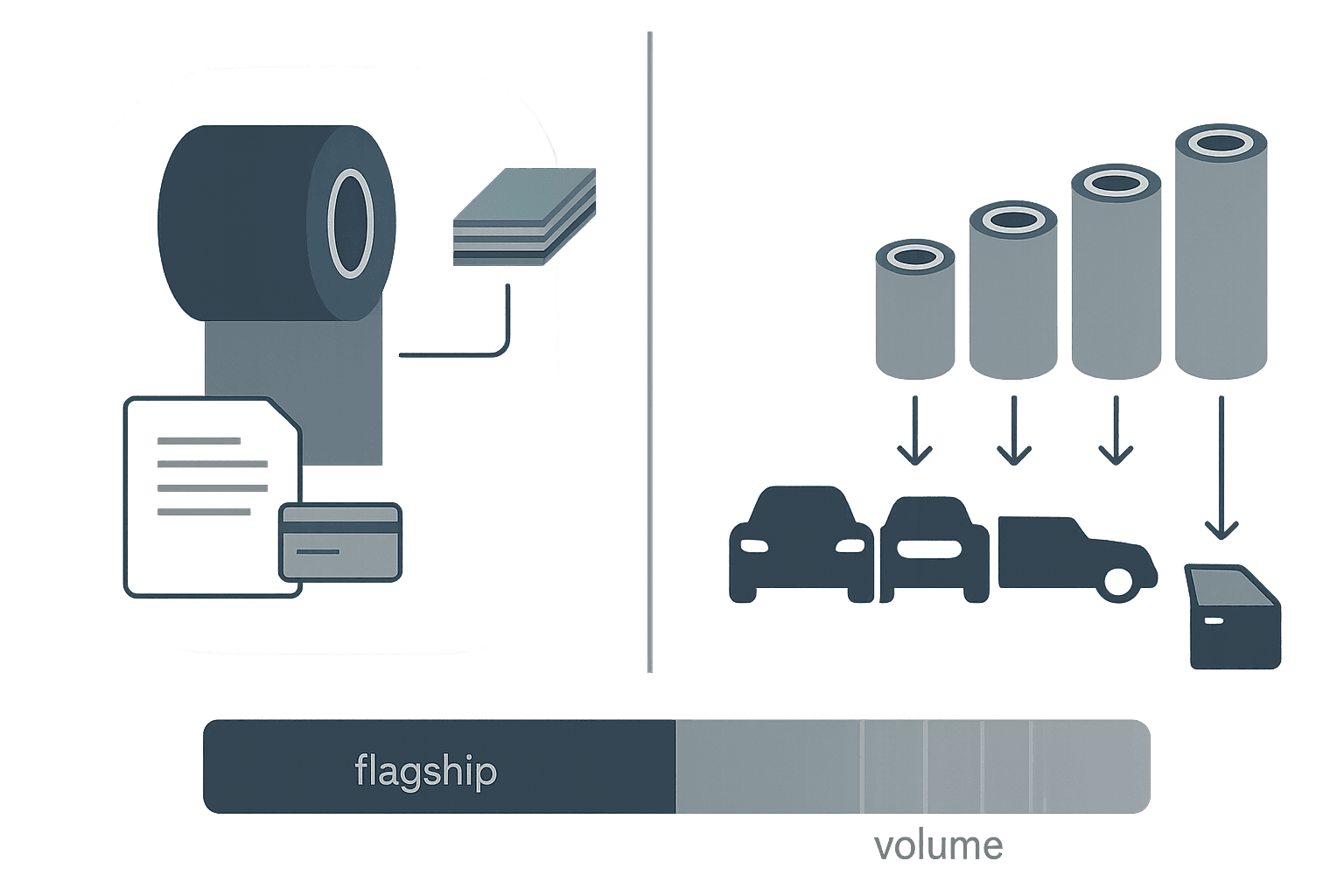
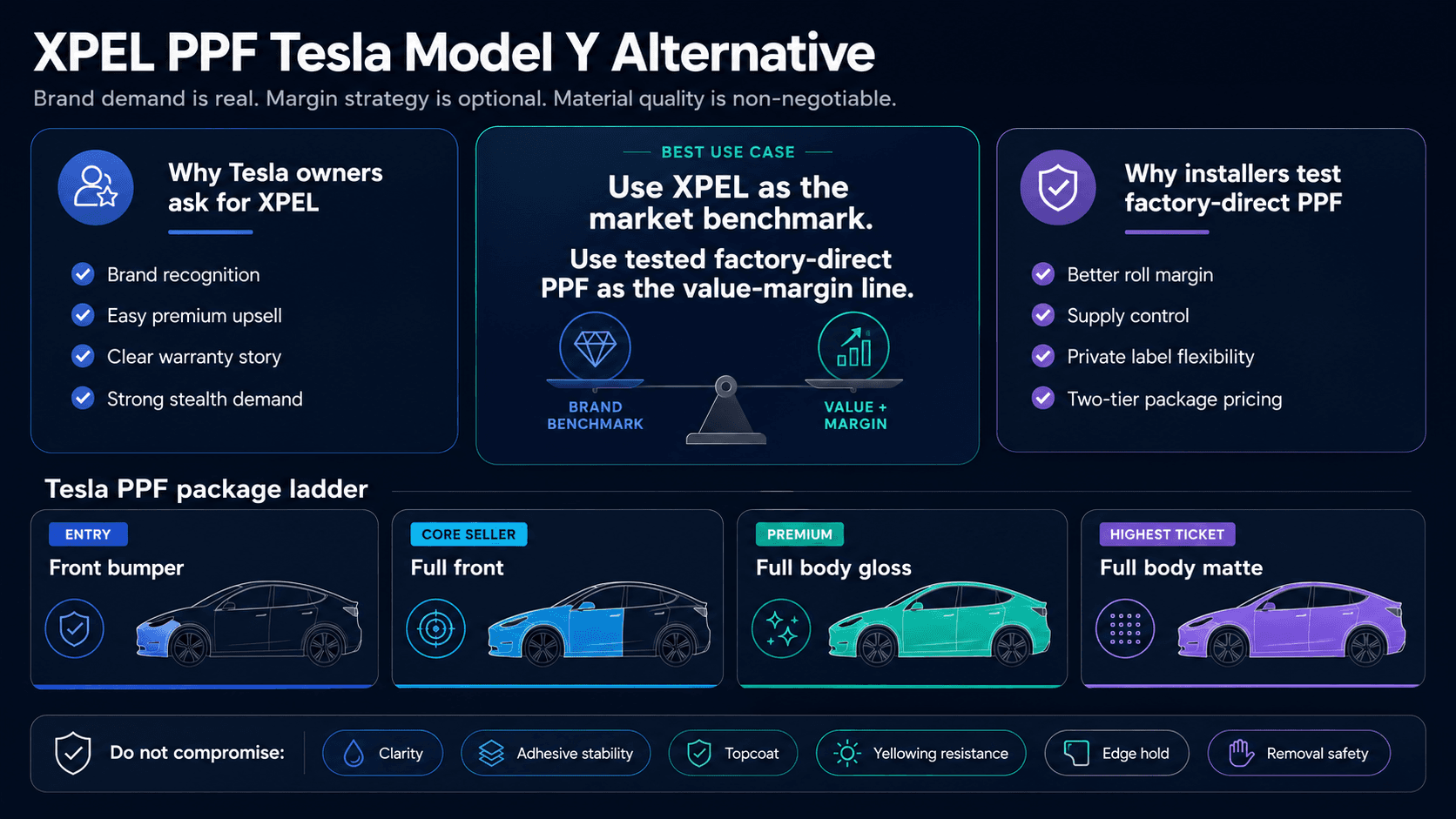
Some Tesla owners want the best-known brand. Others simply want good protection at a better price. If a shop only offers one premium-branded option, it may lose price-sensitive customers. A factory-direct PPF line allows the installer to build a ladder:
- Entry package: front bumper or wear-and-tear zones
- Main package: full front PPF
- Premium package: full body gloss PPF
- High-ticket package: full body matte or stealth-style PPF
This gives the installer more ways to close the sale without discounting the premium brand.
What Cannot Be Compromised in a Tesla PPF Alternative
A factory-direct PPF alternative only makes sense if the material protects the installer’s reputation. Tesla customers are sensitive to finish quality because the panels are large and the paint surface is easy to inspect under showroom lighting.
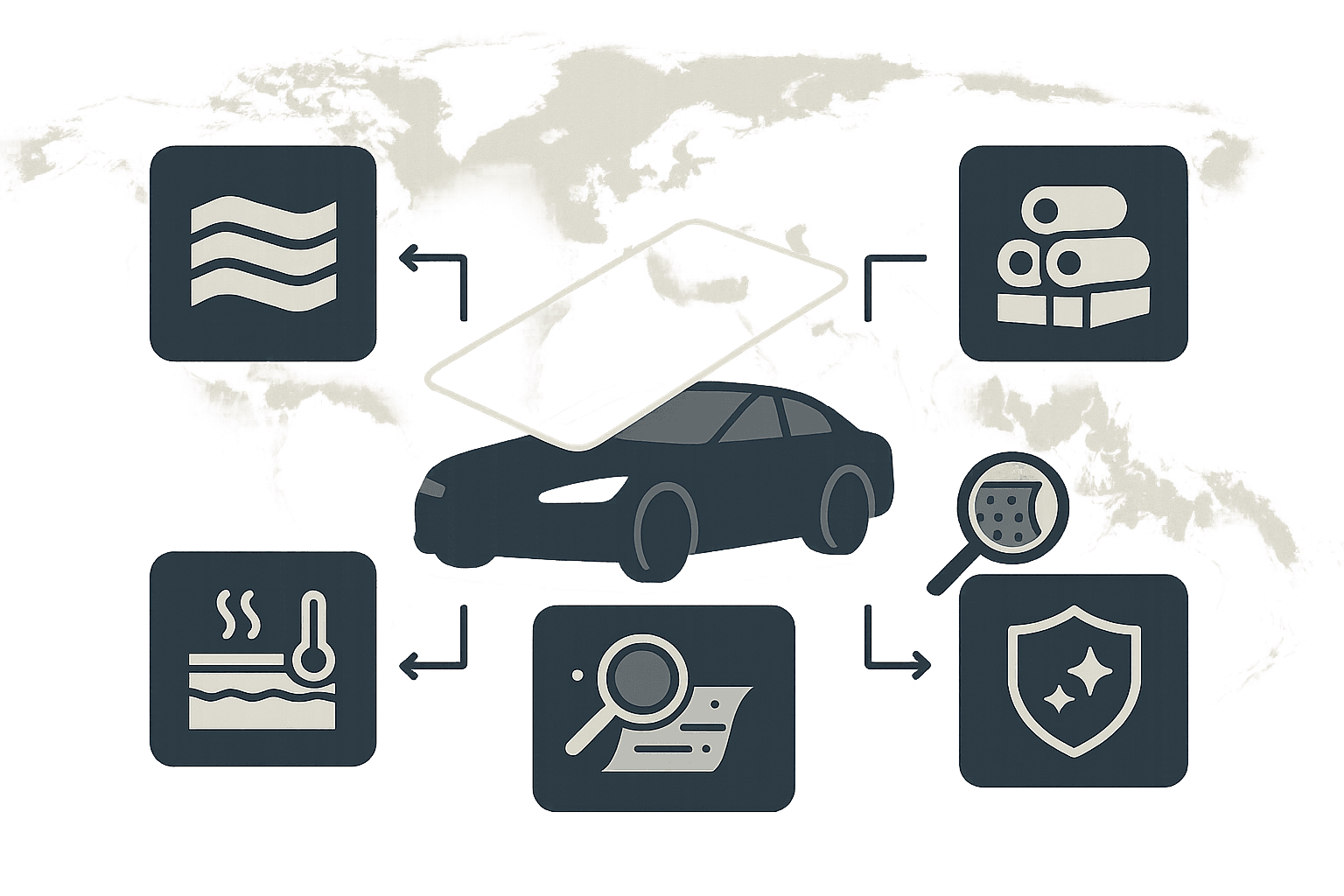
The following points cannot be compromised.
| Performance Factor | Why It Matters on Tesla Model Y | What Installers Should Check |
|---|---|---|
| Optical clarity | Large hood, bumper and door panels make haze or orange peel obvious | Compare gloss, transparency and surface texture beside a known premium film |
| Adhesive stability | Poor adhesive can cause lifting, glue marks or difficult removal | Test corners, edges, mirrors, bumper curves and removal after curing |
| Topcoat quality | The topcoat affects stain resistance, self-healing and cleaning | Test water behavior, light scratches, bug residue and washing response |
| Yellowing resistance | White and light-colored Teslas expose yellowing faster | Run UV/heat aging tests and compare before-after color shift |
| Stretch and recovery | Tesla bumpers and mirrors need controlled stretch | Test installer handling, stretch marks and adhesive whitening |
| Warranty consistency | Shops need confidence when selling 5-10 year protection | Ask for written warranty terms, batch control and claim process |
Clarity and Surface Texture
Tesla owners expect PPF to be almost invisible on gloss packages. A factory-direct PPF alternative must have high clarity and low orange peel. If the film looks slightly cloudy on a large hood or fender, the customer may blame the installer, not the material.
The best test is simple: install the sample on a black or dark Tesla panel and inspect it under natural light, LED light and shop light. Dark colors reveal texture, haze and trapped adhesive marks more clearly.
Adhesive Stability
Adhesive quality is one of the most important differences between average PPF and reliable PPF. Tesla bumpers, mirrors and edges require controlled repositioning during installation. The adhesive must be strong enough to hold edges, but not so aggressive that it creates glue lines, stretch marks or removal issues.
A poor adhesive may look acceptable on day one but fail after heat cycles, washing or edge contamination. For installers, this creates the most expensive type of problem: rework.
Topcoat and Self-Healing
Tesla’s XPEL page highlights self-healing as one of the benefits, describing the film as able to repair minor scratches and swirl marks on its own [1].
A factory-direct PPF alternative should be tested for the same real-world expectation. Do not only test self-healing with a heat gun in the showroom. Test the topcoat after washing, after mild chemical exposure, and after the film has stayed on the panel for several days.
Yellowing Resistance
XPEL warranty language is useful because it shows what the market expects from premium PPF: protection against issues such as yellowing, cracking, blistering and delamination [3].
That gives installers a clear checklist for any XPEL alternative. The alternative does not need to copy the brand story, but it must pass the same practical risk points: no early yellowing, no edge failure, no topcoat cracking and no adhesive delamination.
Tesla PPF Cost: Where an Alternative Fits
Tesla PPF cost varies widely because the coverage area changes the labor time and material consumption. A bumper-only package is very different from full front PPF, and full front is very different from full body PPF.
| Tesla PPF Package | Common Customer Type | Typical Sales Logic | Where Factory-Direct PPF Fits |
|---|---|---|---|
| Rear door/fender wear-and-tear kit | Practical owners in snow, salt or gravel areas | Low-cost protection for high-impact zones | Good entry product for first-time PPF customers |
| Front bumper PPF | Price-sensitive Tesla owners | Protect the most exposed panel first | Strong entry package with low closing resistance |
| Full front PPF | Mainstream Tesla Model Y owners | Best balance of protection and cost | Best volume package for installers |
| Full body gloss PPF | Long-term owners and high-end customers | Maximum protection and resale confidence | Higher material volume creates margin opportunity |
| Full body matte or stealth-style PPF | Style-focused Model 3 and Model Y owners | Protection plus satin appearance | High-ticket package if film finish is stable |
Tesla’s own XPEL page lists full front and full body options, and shows a broad price range from $400 to $6,500 depending on style and coverage [1]. In the independent installer market, one 2026 guide places Tesla Model 3/Y full front PPF at around $1,800-$2,500 and full body at around $5,500-$7,000 [5]. Another Los Angeles installer guide lists XPEL ULTIMATE PLUS full body on Model Y at $5,500-$7,000 and XPEL STEALTH on Model Y at $6,500-$8,500 [6].
This is why factory-direct PPF becomes attractive for installers. If the customer only wants the lowest price, cheap film is risky. But if the customer wants strong protection at a better value than the most recognized brand, a tested factory-direct PPF can become a profitable middle option.
Factory-Direct PPF for Tesla Packages
A factory-direct PPF line should not be sold as “the same as XPEL.” That is usually the wrong sales angle. A better message is:
“XPEL is a strong premium brand. We also offer a tested factory-direct TPU PPF option for customers who want professional protection with better value.”
This avoids attacking the big brand and makes the installer look more credible.
For Front Bumper Packages
The front bumper is the easiest entry package to sell because Tesla owners understand rock chips. It is also a good sample test area because bumpers reveal stretch control, adhesive whitening and edge behavior.
A factory-direct PPF alternative must perform well on curved bumper sections before the shop uses it on full front or full body packages.
For Full Front PPF
Full front is usually the best business package. It protects the bumper, hood, front fenders, mirrors and sometimes headlights or A-pillars. For many Tesla owners, this gives the best balance between protection and Tesla PPF cost.
For installers, full front is also repeatable. Once the team knows the pattern, stretch behavior and installation technique, the shop can sell it consistently.
For Full Body PPF
Full body PPF requires more trust. The film must look clean on every panel, not just impact areas. On Model Y, large doors, quarter panels and hatch areas make clarity and topcoat quality very visible.
If a shop wants to use factory-direct PPF for full body packages, it should complete several internal tests first: gloss test, removal test, edge test, wash test and sunlight exposure test.
For Matte or Stealth-Style Packages
The keyword xpel stealth model 3 cost is valuable because it reflects a high-ticket buyer. XPEL STEALTH is known for creating a satin appearance while still acting as paint protection film [4].
A stealth-style factory-direct alternative must be tested more carefully than gloss film. Matte and satin finishes reveal inconsistency quickly. The shop should check finish uniformity across panels, pressure marks during squeegee work, stain resistance and repair behavior after heat exposure.
How to Test Sample Rolls Before Switching Supply
Installers should never switch supply based only on a low roll price. A cheap roll that causes one full front rework can erase the savings from several jobs.
Use a structured sample test.
| Test Step | How to Test | Pass Standard |
|---|---|---|
| Visual clarity | Apply to black, white and metallic panels | No haze, obvious orange peel or color shift |
| Bumper install | Test on a Tesla-style curved bumper | No adhesive whitening, lifting or stretch marks |
| Edge hold | Wrap corners and edges, then wash after curing | No early edge lift |
| Self-healing | Create light swirl marks and apply heat or sunlight | Minor marks recover cleanly |
| Contamination resistance | Test bug residue, water spots and mild cleaners | Topcoat cleans without staining |
| Yellowing check | UV/heat exposure or outdoor panel test | No visible yellowing compared with control sample |
| Removal test | Remove after several days or weeks | No glue residue or paint-safe removal issue |
| Batch consistency | Test multiple rolls, not one sample only | Same gloss, thickness, liner and adhesive behavior |
Test Against a Known Benchmark
Use XPEL or another recognized premium film as a benchmark. The point is not to claim the factory-direct option is identical. The point is to know where it is close enough, where it is different, and which package it is suitable for.
For example:
- If the film installs well but has slightly less premium surface texture, use it for bumper and full front value packages.
- If it has excellent clarity and strong topcoat performance, test it for full body gloss.
- If the matte finish is not uniform enough, do not sell it as a stealth-style package yet.
Track Installer Feedback
The installer’s hand feel matters. A technical data sheet cannot fully show how the film behaves during repositioning, stretching, squeegee pressure or edge wrapping.
Ask installers to score each sample roll from 1 to 5 on:
- Initial tack
- Slip solution compatibility
- Stretch control
- Adhesive marks
- Edge hold
- Surface finish
- Rework difficulty
- Customer-facing appearance
This turns sample testing into a repeatable supply decision instead of a subjective opinion.
How Installers Should Sell an XPEL Alternative
The best way to sell an XPEL alternative is not to make a direct attack. Tesla owners who ask for XPEL already respect the brand. If the installer sounds negative, trust may drop.
A better sales script is:
“XPEL is a very strong premium option, and we can install it if you prefer that brand. We also have a tested factory-direct TPU PPF option that many customers choose for better value. The key difference is brand recognition. The key standards we still check are clarity, adhesive stability, topcoat performance and yellowing resistance.”
This gives the customer a choice instead of forcing a downgrade.
For distributors, the message can be even more business-focused:
“Use XPEL as the market benchmark. Use factory-direct PPF to build your own profitable Tesla package line.”
FAQ
Is a factory-direct PPF alternative better than XPEL?
Not automatically. XPEL is a recognized premium brand with strong market awareness. A factory-direct PPF alternative is mainly useful when it has been tested properly and gives the installer better margin, supply control or private label flexibility.
Why do Tesla owners search for XPEL PPF Tesla Model Y?
Tesla owners often search for XPEL because it is a familiar PPF brand, and Tesla also lists XPEL Paint Protection Film through its own shop with professional installation support and warranty information [1].
What is the typical Tesla PPF cost?
Tesla PPF cost depends on coverage, vehicle model, installer skill and film brand. Tesla’s XPEL page shows pricing from $400 to $6,500 depending on coverage [1]. One 2026 installer cost guide places Tesla Model 3/Y full front PPF around $1,800-$2,500 and full body around $5,500-$7,000 [5].
What is XPEL Stealth Model 3 cost?
Pricing varies by market and installer. One Los Angeles 2026 pricing guide lists XPEL STEALTH matte PPF on a Model 3 at around $6,000-$8,000 [6]. Shops should treat this as a local reference, not a universal price.
What should installers check before selling an XPEL alternative?
Installers should test clarity, adhesive stability, topcoat performance, yellowing resistance, edge hold, removal behavior and batch consistency. The film should be tested on real Tesla-style panels before being sold as a full front or full body package.
Can installers offer both XPEL and a factory-direct PPF?
Yes. This is often the strongest strategy. XPEL can remain the premium branded option, while factory-direct PPF can serve as a value-focused or private label option for customers who care more about performance and price than brand name.
Is full front PPF enough for a Tesla Model Y?
For many owners, full front PPF is the best balance of protection and cost because it covers the highest-impact areas. Full body PPF is better for owners who want maximum cosmetic protection, plan to keep the car long-term or want a gloss-to-matte transformation.
References
[1] Tesla - XPEL Paint Protection Film (https://shop.tesla.com/product/xpel-paint-protection-film)
[2] Tesla - Model Y Paint Protection Film (https://shop.tesla.com/product/model-y-paint-protection-film)
[3] XPEL - Warranty Information (https://www.xpel.com/warranty-information)
[4] XPEL - STEALTH Paint Protection Film (https://www.xpel.com/products/stealth)
[5] AutoSpa Weymouth - How Much Does PPF Cost in 2026? Paint Protection Film Price Guide (https://www.autospaweymouth.com/guides/ppf-cost-guide)
[6] Rapid Window Tinting - How Much Does Full Body PPF Cost for a Tesla in Los Angeles? 2026 Price Guide (https://www.rapidwindowtinting.com/post/how-much-does-full-body-ppf-cost-for-a-tesla-in-los-angeles-2026-price-guide)