When a customer contacts a shop and asks for XPEL, STEK, LLumar or 3M by name, the conversation can feel decided before the vehicle has even entered the workshop. The customer has selected a brand, the shop is expected to provide a price, and any unfamiliar option may immediately be treated as a compromise.
This creates a real challenge for professional PPF shops and detailing studios. A recognised brand can help establish trust, but it may also limit the shop’s control over quotation structure, package differentiation and profit. Simply adding a cheaper alternative does not solve the problem. It may only make the second product look less premium.
The answer is not to persuade every customer to abandon mainstream PPF brands. It is to create another credible premium route for customers who care about the finished result, the installer’s judgement, the complete service and the value of the project rather than the product logo alone.
Outside mainstream brands, shops can consider independent premium PPF brands, shop selected product lines, flexible PPF wholesale programmes and OEM products developed around their own market position. XPSHELL can fit into this structure as a premium PPF option for professional shops, PPF distributors and OEM buyers that want greater control over how a product is positioned and sold.
Why Customers Ask for a Famous PPF Brand Before They Ask About the Service
When customers begin with a brand name instead of asking about installation quality, they are rarely making a complete technical judgement. More often, they are trying to avoid making an expensive mistake.
A customer may have seen a brand in videos, enthusiast forums, dealer recommendations or previous installations. Familiarity makes the decision feel safer. The customer assumes that a recognised name is easier to verify, more likely to have warranty support and less likely to create an unpleasant surprise after installation.
This is why a customer asking for XPEL may not actually be saying, “I have compared every relevant film and this is technically the only suitable product.” The customer may simply be saying, “This is the name I know, so this is the option that currently feels safest.”
For the shop, this distinction is important. If the customer is looking for reassurance rather than one exclusive technical specification, trust can also be created through the shop’s workmanship, completed projects, service process and clear responsibility after installation.
| What the customer asks | What the customer may really want to know | What the shop should explain |
|---|---|---|
| Do you install XPEL, STEK, LLumar or 3M? | Can I trust the product and the shop? | The product offered, the shop’s experience and the complete service process |
| Why is this quotation different from another shop? | Am I paying more for the same service? | Coverage, preparation, edge work, installation standard and support |
| Is the film covered by a warranty? | Who will help me if something happens? | Applicable terms and the shop’s review process |
| Is the alternative as good as the famous brand? | Will choosing it make the final result worse? | Why the shop selected it and which package it is designed for |
| Why have I not heard of this brand? | Am I taking an unnecessary risk? | Real work, product identity, service responsibility and visible evidence |
The shop does not need to argue that brand recognition is meaningless. Doing so can make the customer more defensive. A stronger approach is to acknowledge the customer’s preference and then explain what else determines the quality of the complete installation.
The brand may help the customer begin the conversation. The shop still needs to prove why the customer should trust the final recommendation.
What Choices Exist Beyond Mainstream PPF Brands
The phrase “alternative PPF” is often used as though every product outside the largest brands belongs to one lower category. That is where many shops weaken their own offer before the customer has even seen it.
The market does not consist only of famous brands and cheap films. There are several different product and business routes, and each one creates trust in a different way.
Established Mainstream Brands
Mainstream brands are suitable when customer recognition, an authorised network, warranty infrastructure or access to a connected product ecosystem plays an important role in the purchase.
They can make the first sale easier because the customer already understands the name. However, the shop may have less control over how customers compare prices, how packages are differentiated and how much of the relationship belongs to the installer rather than the product brand.
Independent Premium PPF Brands
An independent premium brand can give the shop another route without forcing it to lower the service standard. The product can be positioned around the shop’s selection, the finished result and the complete project value.
XPSHELL fits this category. It is intended for professional PPF supply, distribution and OEM cooperation rather than being presented as an anonymous low cost roll.
Shop Selected Product Lines
Some successful shops prefer to lead with their own service reputation. Instead of asking customers to select a film entirely by name, they build a package around products chosen by their technicians and business team.
In this model, the customer is not expected to become a film expert. The customer trusts the shop to recommend a product that fits the intended result, the vehicle and the budget.
OEM and Business Owned Product Lines
A distributor, importer or growing shop group may want to develop its own brand identity. In that case, the value lies in creating a product structure, packaging system and service message that belong to the buyer’s own market.
The objective should not be to copy the language of a mainstream brand. A stronger private label programme establishes its own customer, product purpose and dealer story.
| Product route | Main source of customer trust | Suitable situation | Main limitation |
|---|---|---|---|
| Mainstream brand | Familiar name, established system and existing awareness | Customer directly requests the brand | Shop may have less control over comparison and pricing |
| Independent premium brand | Product position and professional recommendation | Customer values result and overall project value | Shop must explain the recommendation clearly |
| Shop selected line | Installer reputation and service experience | Customer trusts the shop more than a product logo | Requires strong examples and consistent communication |
| OEM product line | Buyer owned brand and channel system | Distributor or shop group wants an independent market identity | Product, packaging and claims must remain consistent |
These routes can exist in the same business. A shop does not have to remove a mainstream brand in order to introduce XPSHELL. The important step is to give each product a clear role instead of asking both brands to compete for exactly the same customer.
Why the Same Film Can Look Premium in One Quote and Cheap in Another
A premium film can lose its position in a single sentence. When sales staff say, “This one is similar but cheaper,” the customer hears that the shop is offering a substitute for people who cannot afford the preferred product.
The problem is not necessarily the price. The problem is that the quotation has created a ranking before the customer understands the difference between the two packages.
A quotation that displays only the brand name and total price encourages customers to compare logos and numbers. It hides much of the work that determines the finished result.
A stronger PPF quotation should show the vehicle areas included in the package, the preparation work required before installation, the product series, the edge treatment, the delivery inspection and the service provided after installation.
When these elements are visible, the customer is no longer comparing one roll of film against another. The customer is comparing two complete service packages.
This is especially important when presenting XPSHELL. Its commercially workable roll pricing can give the shop more room when preparing a quotation. However, the customer facing explanation should remain focused on the package, the finish and the shop’s responsibility rather than on the fact that the material may cost less than some recognised brands.
| Weak quotation language | What the customer may understand | Stronger quotation language |
|---|---|---|
| This is the cheaper option. | This is the lower quality option. | This is our shop selected premium package. |
| It is almost the same as XPEL. | The shop cannot explain its own product. | We selected this product for the finish and service position of this package. |
| You are mainly paying for the famous name. | The shop is attacking a product it may also sell. | One package is led by customer brand preference, while the other is led by our professional recommendation. |
| All PPF is basically the same. | Product quality and specification do not matter. | Different products serve different package goals and customer priorities. |
| This will save you money. | The only advantage is the lower price. | This package balances premium protection, professional installation and overall project value. |
The same product can feel premium when it is supported by a complete service and a clear reason for recommendation. It can feel cheap when the shop introduces it only through a price difference.
How to Build Two Premium Quotes Without Creating a Budget Tier
Many shops want to offer customers more choice, but the menu becomes weaker when one package is visibly presented as the reduced version of another. The solution is not to hide the price difference. It is to give each quotation a different purpose.
Customer Requested Premium Package
This package is designed for customers who already want XPEL, STEK, LLumar, 3M or another recognised brand.
The brand name is part of what they want to purchase. The shop can respect that preference while still explaining the installation coverage, service standard and responsibility included in the price.
Shop Selected Premium Package
This package is designed for customers who are open to the installer’s recommendation and care primarily about the finished vehicle, the protection plan and the overall project value.
XPSHELL can be positioned in this role. The shop does not need to call it an XPEL replacement or a STEK alternative during the sales conversation. It can simply explain that XPSHELL is the product selected for the shop’s own premium package.
Business Account Package
Detailing studios, used vehicle businesses, dealer groups, fleet accounts and repeat customers may care more about consistent service and predictable quotation than consumer brand recognition.
For these customers, an independent premium PPF route can support a long term business relationship without forcing every project into the price structure of a consumer recognised brand.
| Package | Suitable customer | Main quotation focus | Role of XPSHELL |
|---|---|---|---|
| Customer requested premium package | Customer already requests a recognised brand | Brand, coverage, workmanship and complete service | Optional professional recommendation, not a forced replacement |
| Shop selected premium package | Customer trusts the installer’s judgement | Finish, protection plan and overall project value | Main premium product selected by the shop |
| Business account package | Repeat buyers, detailing studios, dealers and fleets | Consistency, response and predictable cooperation | Professional product route for recurring projects |
| OEM branded package | Distributor or group building its own brand | Brand identity, service promise and dealer presentation | Product foundation for a private label programme |
All packages should maintain the same basic workmanship discipline. A different film does not mean the customer receives less careful preparation, lower installation standards or weaker delivery inspection.
The difference should come from product position and customer preference, not from reducing the professionalism of the service.
How Shops Transfer Trust from the Brand Logo to Their Own Recommendation
An unfamiliar brand does not become credible because the salesperson repeats that the quality is good. Customers trust what they can understand, see and connect to a responsible business.
The shop therefore needs to replace a familiar logo with several forms of practical evidence.
Show the Shop’s Actual Work
Finished vehicles are more persuasive than roll packaging. Customers should be able to see surface appearance, panel transitions, visible edges and the overall finish under realistic lighting.
A portfolio should not contain only distant photographs. Close details help customers understand that the shop is confident in its workmanship.
Identify the Actual Product
A vague “premium PPF” description can create suspicion. The customer should know the brand and series being supplied.
XPSHELL offers clear PPF across different series covering 6.5 mil to 10 mil. Different models include heat activated self healing and room temperature self healing directions. These features should be connected to the selected product rather than combined into one promise for every XPSHELL film.
XPSHELL PPF uses Ashland SPA pressure sensitive adhesive. However, the material information should support the product explanation rather than replace the shop’s real installation evidence.
Explain What the Quotation Includes
Customers are more confident when they understand what they are paying for. The quotation should make the service visible, not leave the customer to assume that the price refers only to the film.
The quotation can state the covered panels, preparation work, edge treatment, product series, inspection and after sales responsibility.
Make Responsibility Clear
A customer may trust a famous brand because it appears permanent and accountable. The shop can create similar reassurance by explaining who handles questions, how an installation is reviewed and what information applies after delivery.
The shop should not promise that PPF is indestructible, completely invisible in every condition or free from maintenance. Honest limits make the recommendation more credible.
Give a Customer Specific Reason for the Recommendation
The explanation should connect the product to the vehicle and the customer’s priorities.
A natural explanation may be:
“We offer a customer requested brand package and a shop selected premium package. For your vehicle, the XPSHELL option allows us to provide the protection coverage and finish you want while keeping the complete project within the planned quotation.”
This explanation does not claim that the recognised brand is inferior. It explains why the XPSHELL package is commercially and practically relevant to this customer.
XPSHELL provides 2 metre transparent PPF samples for professional customers. A shop can use a sample to create its own installed display or reference panel before introducing the product more widely.
The purpose is not only to show a piece of raw film. It is to create evidence connected to the shop’s own workmanship.
How to Discuss Price Without Making the Alternative Look Inferior
Price will still matter, no matter how premium the shop wants to appear. Avoiding the subject does not protect positioning. It only leaves the customer to create their own explanation for the difference.
The shop should discuss price as part of the complete project rather than as proof that one film is better and another is worse.
Do Not Reduce the Comparison to Roll Cost
The customer is not buying a full roll. The customer is buying preparation, material, labour, finishing, inspection and support.
A shop may be able to prepare a more competitive quotation with XPSHELL because its commercial structure provides more room. That does not mean the shop should describe the product as a discounted film.
Do Not Use “Almost the Same” as the Main Selling Point
Saying that a product is almost the same as XPEL or STEK creates two problems. The new product is judged only by how closely it resembles another brand, and the customer may wonder why the shop cannot explain the product on its own terms.
The shop should describe what the package is designed to achieve rather than making imitation the centre of the conversation.
Do Not Attack the Mainstream Product
A shop may continue to sell recognised brands. Telling customers that a famous brand is only expensive because of marketing can damage the shop’s own credibility.
It is more professional to say that different products support different purchasing priorities.
A customer who values a specific name can choose the customer requested package. A customer who values the installer’s recommendation and complete project economics can consider the XPSHELL package.
Keep the Workmanship Standard Visible
A lower quotation should not imply that the shop has removed important preparation or reduced its finishing standard.
The customer should understand that both premium routes are delivered by the same professional team. The difference comes from the product route and brand preference, not from careless work.
Where XPSHELL Fits in a Premium Shop Menu
XPSHELL should not appear only after a customer refuses the price of XPEL, STEK, LLumar or 3M. It is more effective when the shop introduces it in situations where the customer is already open to professional recommendations or needs a different balance between budget, coverage and brand preference.
A new customer who asks the shop which PPF it recommends is a natural opportunity. The shop can present XPSHELL directly as one of its selected premium products instead of beginning with a comparison against a more recognised brand.
XPSHELL can also be introduced when the customer wants a slightly more controlled total price but still expects professional preparation, installation and after sales responsibility. The shop can explain that the product route gives the quotation more flexibility while the delivery standard remains unchanged.
Another suitable situation is when the customer wants to protect more panels within the same budget. Instead of presenting the choice as an expensive film and a cheap film, the shop can explain it as a decision between a specific brand preference and broader protection coverage.
Repeat customers, referred customers and detailing clients may also be more willing to accept XPSHELL because they already trust the shop’s workmanship and service.
| Customer situation | Recommended XPSHELL positioning |
|---|---|
| A new customer asks the shop to recommend a PPF | A shop selected premium product |
| The customer wants a slightly lower total quotation without reducing workmanship | A premium package with a more flexible project price |
| The customer wants more coverage within the same budget | A premium option that allows the budget to cover more vulnerable panels |
| The customer already trusts the shop through previous work or referral | A product recommended through the shop’s own professional experience |
| The customer insists on a specific brand or proprietary system | Respect the requested brand and keep XPSHELL as an optional recommendation |
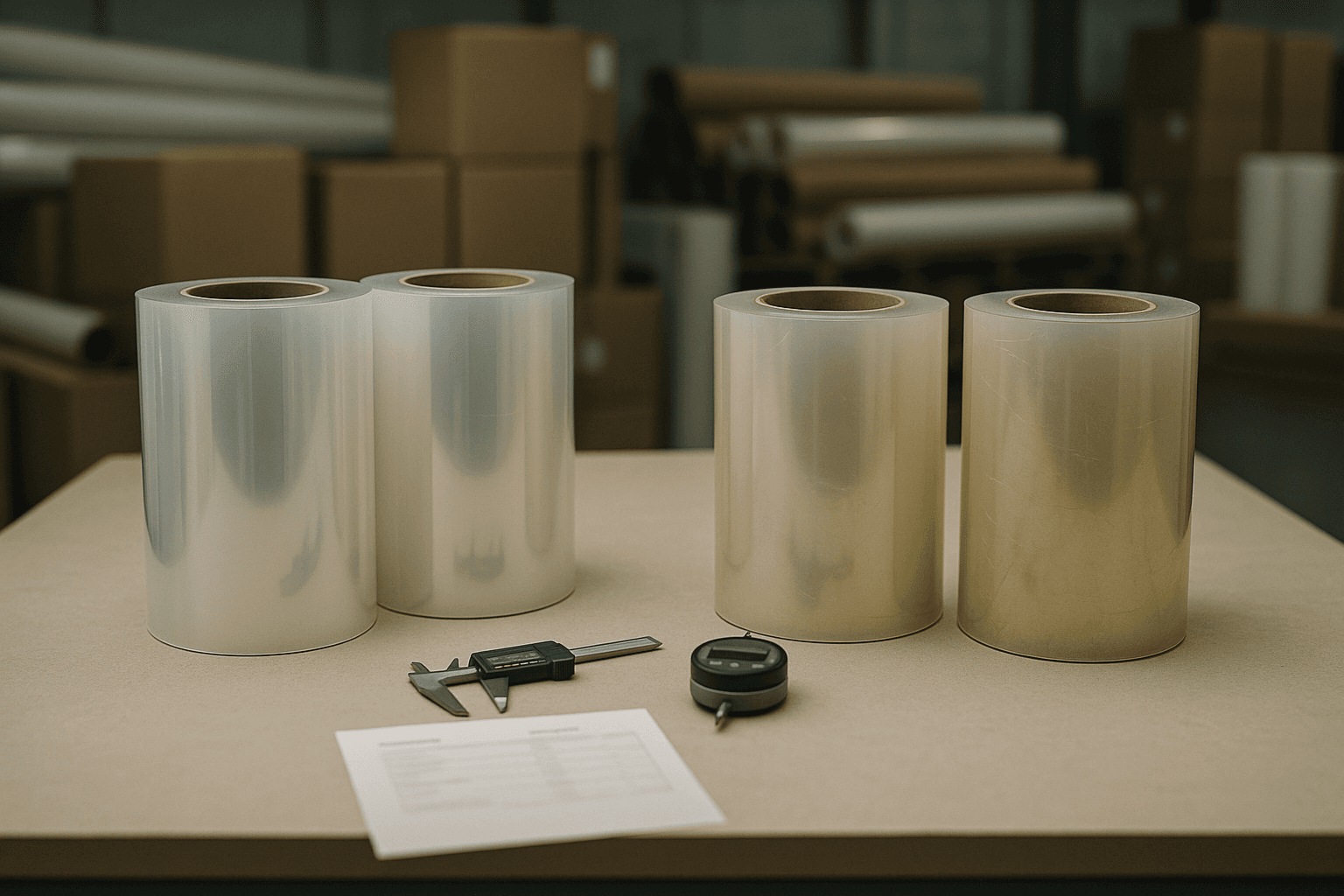
XPSHELL’s current product and supply characteristics include clear PPF options from 6.5 mil to 10 mil across different series, heat activated and room temperature self healing directions, Ashland SPA pressure sensitive adhesive and a standard roll size of 1.52 metres by 15 metres.
Transparent PPF can be provided as a 2 metre sample for professional evaluation. XPSHELL focuses on full roll professional supply and can support PPF wholesale, PPF distributor and OEM cooperation.
XPSHELL does not need to replace every mainstream brand in the shop. Its role is to give the business another premium route that can be introduced naturally when the customer’s priorities, budget and trust in the installer make it suitable.
The real alternative to a mainstream PPF brand is not simply another roll with a lower price. It is a product that allows the shop to protect its reputation, serve more than one customer preference and build value around its own professional judgement.
FAQ
Are PPF Brands Outside XPEL, STEK, LLumar and 3M Automatically Lower Quality?
No. Brand recognition and product quality are not the same question. A recognised brand may provide stronger customer familiarity and an established commercial system, while an independent premium brand may provide a different combination of product positioning, quotation flexibility and business control.
The shop should present the selected product accurately and avoid claiming that every film outside the largest brands performs in the same way.
Can a Shop Sell XPSHELL Together with XPEL or STEK?
Yes. The products should be assigned different commercial roles.
XPEL or STEK may remain available for customers who specifically request those brands. XPSHELL can support a shop selected premium package for customers who are open to the installer’s recommendation.
How Should a Shop Explain XPSHELL Without Calling It a Cheaper Alternative?
Explain the role of the package, why the shop selected the product and what the complete quotation includes.
The shop can describe XPSHELL as its selected premium PPF option rather than saying it is almost the same as a more famous brand.
Should the Lower Priced Package Have a Lower Installation Standard?
No. Preparation, installation discipline, edge finishing and delivery inspection should remain professional across the shop’s premium packages.
The difference should come from product position and brand preference rather than reduced workmanship.
Does Every Customer Need to See All XPSHELL Specifications?
No. Too much information can make the quotation harder to understand.
The shop should present the actual series being installed, the relevant product direction and the information that helps the customer understand the package.
Does XPSHELL Provide Transparent PPF Samples?
XPSHELL can provide a 2 metre transparent PPF sample for professional evaluation. A shop can use this to create an installed reference or display before introducing the product to more customers.
Colour PPF is generally evaluated through colour cards and full roll testing rather than small cut samples.
Is XPSHELL Suitable for Shops That Use Full Roll PPF?
Yes. XPSHELL focuses on professional full roll supply. The standard roll size is 1.52 metres by 15 metres, and alternative widths can be discussed according to project requirements.
It is particularly relevant to businesses using bulk film, hand cutting or independent pattern resources.
Can XPSHELL Support PPF Wholesale, Distributor and OEM Projects?
Yes. Cooperation can include full roll supply, product selection, PPF wholesale, distributor development, customised width discussions and OEM materials.
OEM discussions may include roll labels, packaging, warranty cards, manuals and related materials according to the selected product and project plan.
References
[1] PPF Continues To Connect With a Wide, Enthusiastic Customer Base(https://theshopmag.com/features/ppf-continues-to-connect-with-a-wide-enthusiastic-custom-base/)
[2] XPEL Paint Protection Film(https://lp.xpel.com/paint-protection-film)
[3] XPEL Certified Installer Programme(https://www.xpel.com/installer-locator)
[4] STEK DYNO Paint Protection Film(https://www.stek-usa.com/dyno-paint-protection-film/)
[5] LLumar Paint Protection Film(https://llumar.com/en/automotive/paint-protection-film/)
[6] LLumar Global Distributor Network(https://llumar.com/en/find-a-dealer/global-distributor-network/)
[7] 3M Resources for Auto Film Installers and Dealers(https://www.3m.com/3M/en_US/post-factory-installation-us/resources/installers-and-dealers/)
[8] 3M Paint Protection Film(https://www.3m.com/3M/en_US/p/c/films-sheeting/paint-protection/)