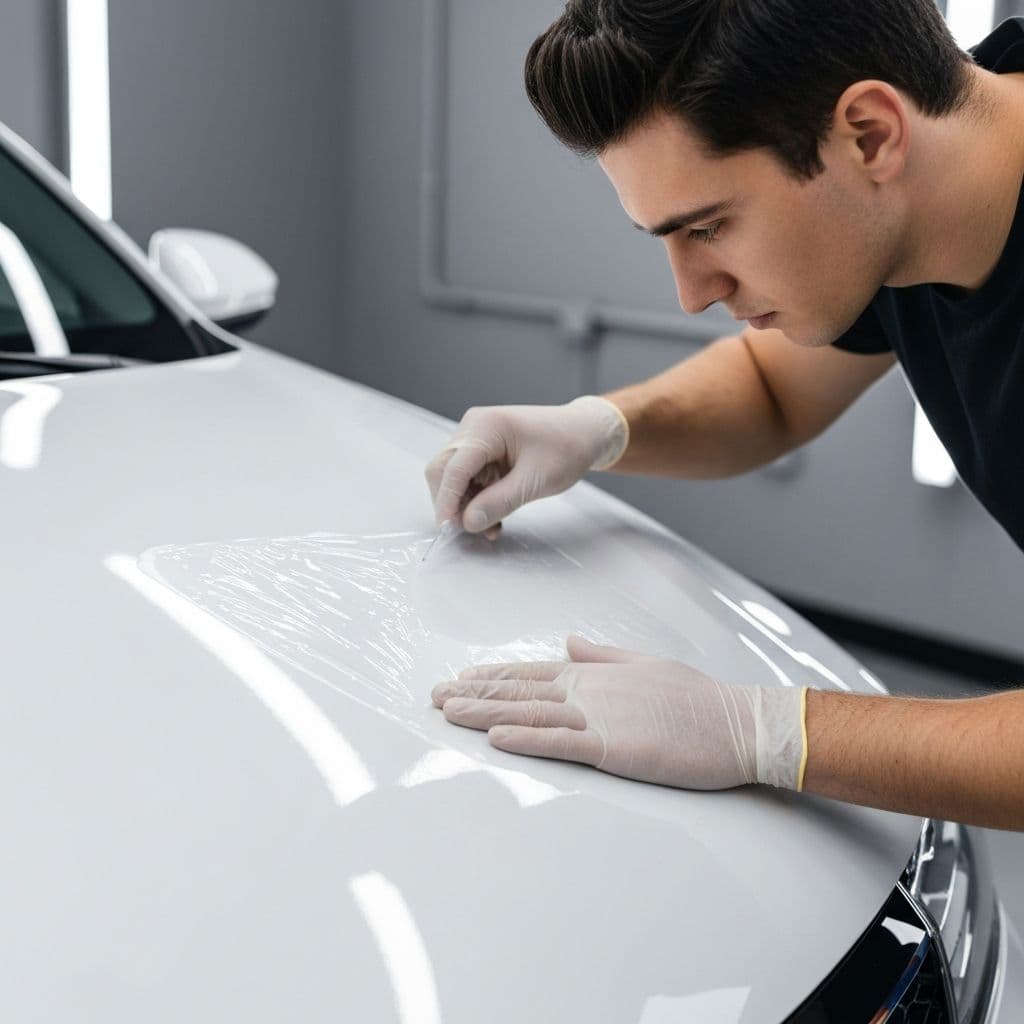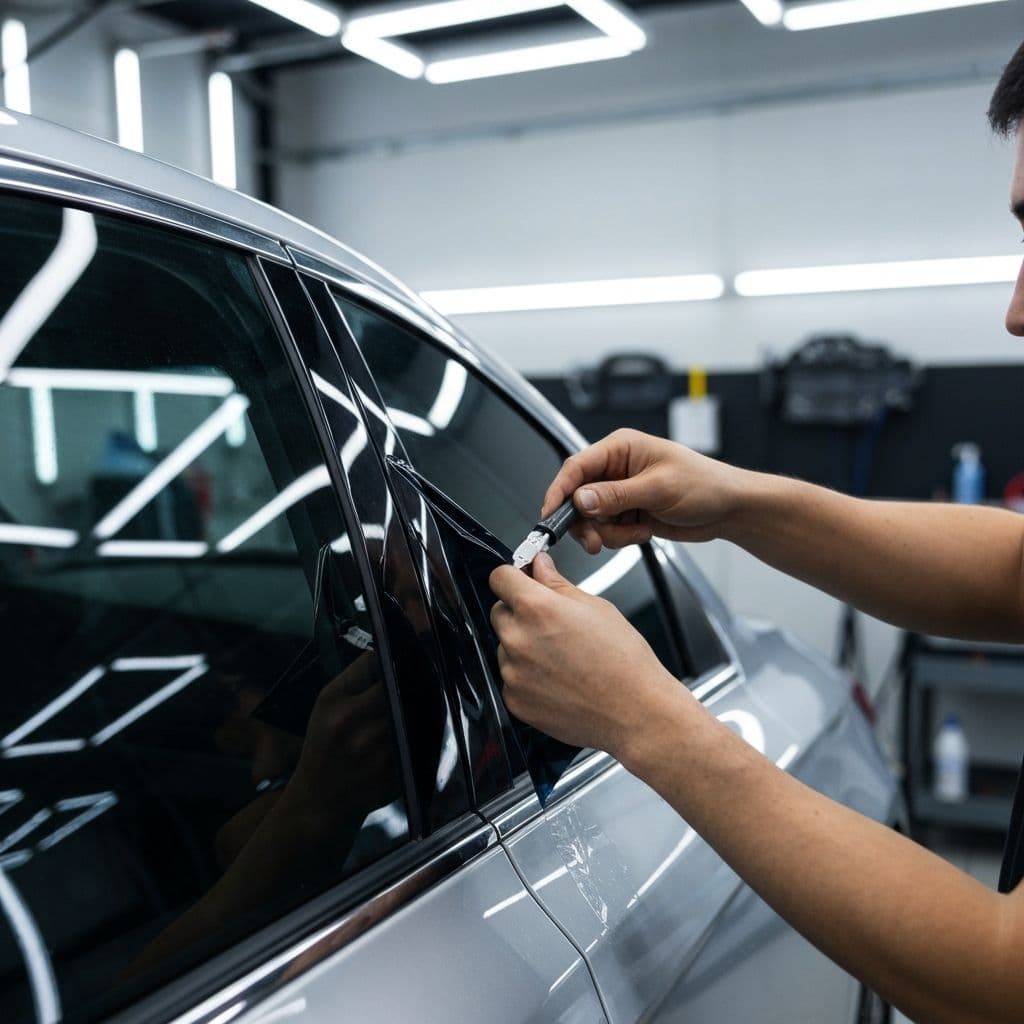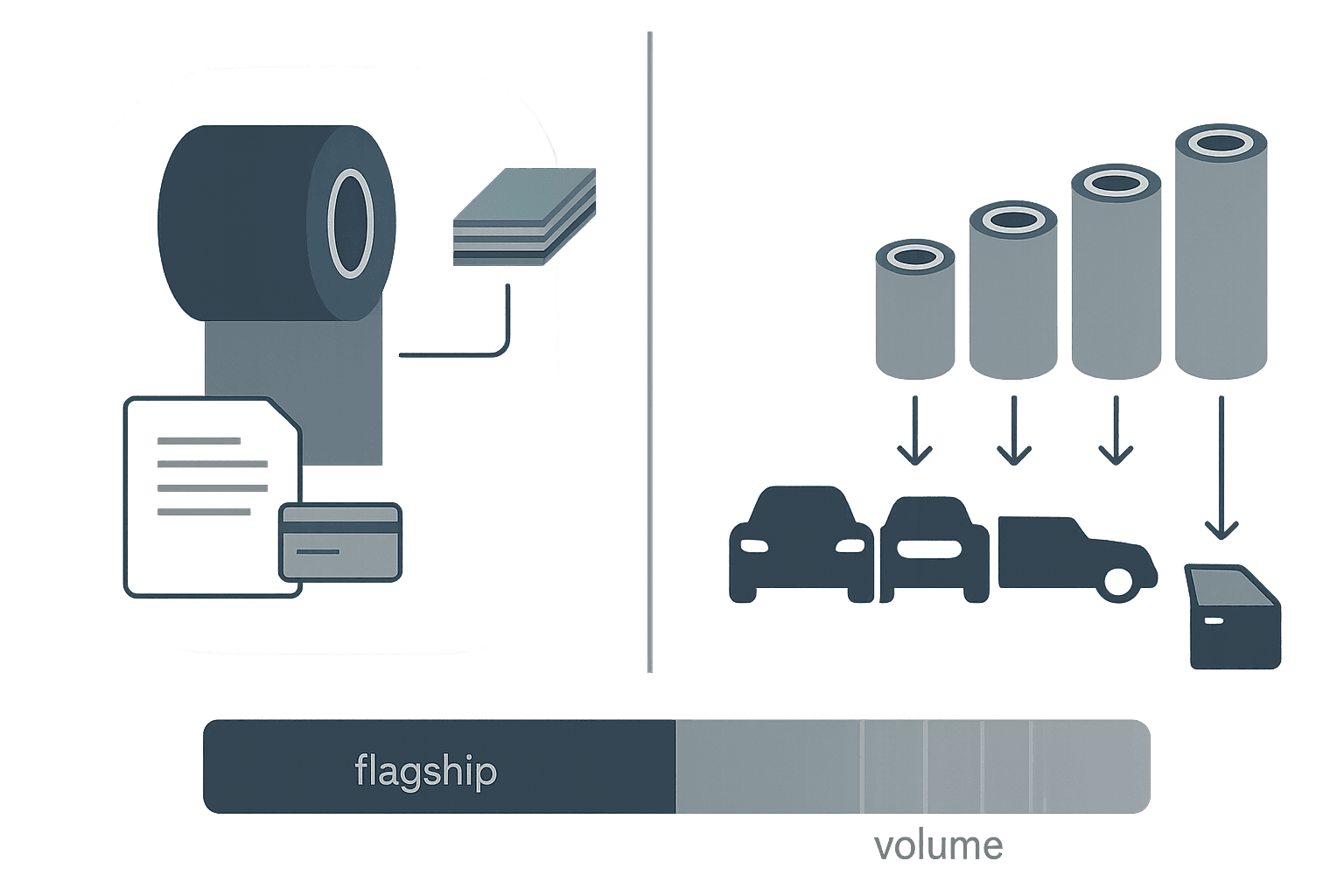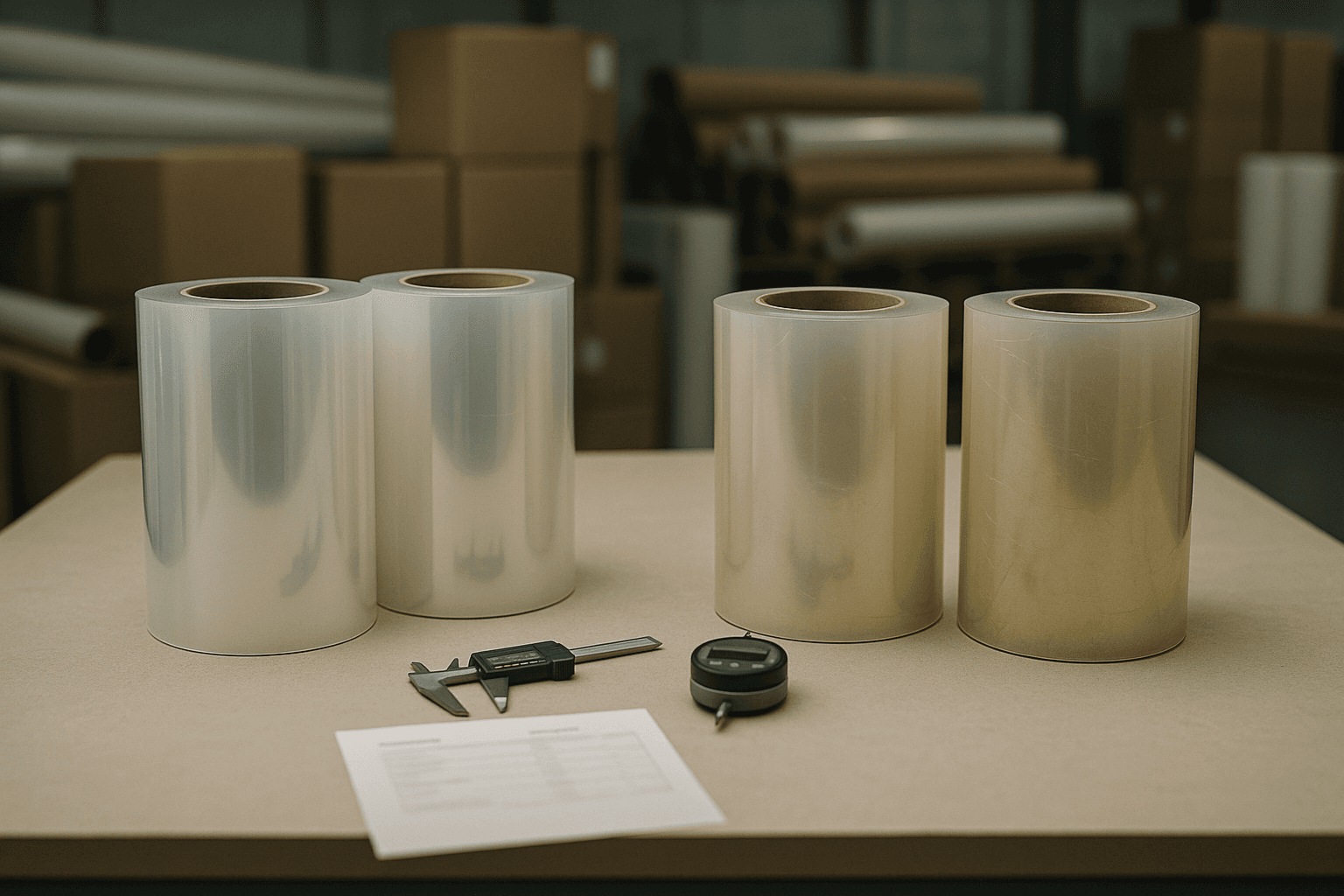
Many PPF distributors, shop owners and OEM buyers have encountered this real‑world headache: when you receive sample rolls, the film looks crystal‑clear, high‑gloss, with perfect optical performance. But after installation and months or years of outdoor exposure, some films gradually develop haze, fogging, or surface gloss drop.
It creates frustrating business outcomes: customer complaints, rework costs, and damage to your local market reputation.
Most buyers naturally rely on sample visual performance to judge product quality. However, great appearance on a sample piece does not equal stable long‑term optical performance. Sample only shows short‑term status, it cannot fully simulate years of UV radiation, temperature cycling and real‑world environmental aging.
This article breaks down why this optical gap happens. We will cover material roots, coating performance, UV resistance, production batch consistency and field environment factors. It shares practical evaluation points for B‑side purchasers, helping you distinguish short‑term surface performance from long‑term real‑world stability.
Why Brand‑New PPF Looks Crystal‑Clear, But Turns Hazy Later
Material limits of raw TPU substrate
The visual effect you see on a fresh sample is the original state of TPU. Even if two samples show similar clarity at first sight, raw material formulation differences will show up under long‑term aging.
Low‑stability TPU formulations will gradually produce micro‑phase separation after continuous UV attack and hot‑cold cycling. Micro‑scattered points form inside the film. These invisible tiny scatter points do not show up on fresh samples, but over time they cause overall haze, reducing gloss and distorting vehicle paint reflection.
Sample testing in indoor ambient conditions cannot trigger this aging change. That is why many problematic products pass visual sample inspection, yet fail after real‑car application.
Topcoat performance determines long‑term surface status
The top functional coating is the outermost protective layer of PPF. A brand‑new finished coating delivers high gloss and clarity. But coating formula, cross‑linking degree and curing quality decide its durability.
If the topcoat is insufficiently cross‑linked or uses inferior formula, UV and environmental pollution will degrade the coating layer slowly. The surface will form micro‑cracks and micro‑roughness. Macroscopically, the film appears foggy and loses gloss.
This degradation does not happen overnight. Fresh sample surfaces still look smooth and transparent, hiding potential coating aging risks.
UV exposure and real‑world environmental stress
Indoor sample storage avoids strong ultraviolet rays, high temperature, rain wash, bird droppings and chemical contaminants. Once applied on vehicles, PPF faces continuous comprehensive outdoor stress.
Even products with basic anti‑UV additives will have different anti‑aging results depending on additive types, addition ratio and production dispersion process. Poor dispersion of UV stabilizer will lead to partial performance attenuation. Over time local haze and gloss drop will occur.
Different regional climates also amplify the gap. High‑temperature, strong‑sun markets accelerate this kind of optical failure.
Production batch consistency cannot be judged only by one sample
Another easily overlooked factor: one good sample roll cannot represent the full‑batch output stability.
Raw material batch fluctuation, coating parameter drift, curing temperature deviation during manufacturing will change TPU substrate and top‑coating final performance. You may get one perfectly clear sample, but subsequent bulk orders deliver products with weaker long‑term optical stability.
This pain point hits private‑label and large‑volume distributors hardest. What matters is not whether one sample looks good, but whether every production run maintains identical material and coating standards.
What B‑Side Buyers Should Focus On Beyond Visual Sample Check
Do not reject products simply by price, nor fully trust only the visual performance of small sample pieces. Here are practical reference points for your supplier evaluation workflow.
Differentiate short‑term visual effect vs accelerated aging test results
Ask suppliers for formal accelerated aging test reports targeting optical performance. Focus on gloss retention and haze change data after aging cycles, not only photos of new film samples. Aging data reflects potential long‑term risks that fresh samples cannot show.
Verify TPU formulation & top‑coat process control
Communicate with manufacturers about raw material sourcing, UV stabilizer adding process, top‑coat curing and cross‑linking process. Stable optical output relies on controllable production parameters, not post‑production appearance screening.
Pay high attention to batch‑to‑batch consistency capability
Confirm how the factory controls raw material incoming inspection, real‑time production QC, finished‑roll sampling rules. Understand their quality control mechanism for repeat bulk orders, especially if you plan OEM / private‑label cooperation.
Conduct real‑world trial installation instead of only lab sample viewing
Small sample sheets stay indoors. Place trial rolls under local actual climate conditions for observation. Real‑car trial exposure is the most straightforward supplementary verification before placing mass order.
Work With a Supplier That Values Long‑Term Optical Stability
For distributors and brand operators, PPF business profitability depends heavily on after‑sales control. Haze and gloss‑loss failures originating from material will bring you repeated customer disputes and rework loss.
Visual clarity of samples is the baseline requirement, not the full assessment standard. When selecting a PPF manufacturer, look for partners who place equal importance on QC workflows and batch consistency, not only on new‑film surface presentation.
At XPSHELL, we implement full‑link quality control: incoming TPU raw material inspection, on‑line production parameter monitoring, finished‑product sampling aging testing. Every production batch goes through optical‑performance checks for haze and gloss retention.
We support sample evaluation and trial‑order cooperation. You can verify optical stability via test reports and real‑world trial installation before large‑volume purchasing. If you are looking for a reliable TPU‑PPF supplier for distribution or OEM private‑label
projects, feel free to reach out via our website for further details.
FAQ
Q1: If the PPF sample looks completely clear, can I skip aging‑related performance verification?
A: No. Indoor sample only reflects initial appearance. Aging‑caused haze and gloss attenuation will not show on fresh samples. Always refer to aging test data or real‑environment trial results as supplementary judgment basis.
Q2: Will all PPF turn hazy after several years of use?
A: High‑quality stable TPU‑PPF maintains good gloss and low haze for long periods under proper environment. Haze and excessive gloss loss are signs of material or process performance failure, not normal aging phenomena.
Q3: Is film haze always caused by poor‑quality raw TPU?
A: Not entirely. It may also come from top‑coating degradation, insufficient UV‑stabilizer dispersion, or unstable batch manufacturing parameters. Multiple factors need comprehensive elimination.
Q4: As an OEM buyer, what should I confirm with manufacturers about optical consistency?
A: Confirm incoming‑material QC standards, finished‑batch sampling rules, available accelerated aging reports, and how they guarantee performance repeatability across multiple production runs.
Q5: Can real‑car trial replace lab accelerated aging test?
A: Real‑car trial simulates local actual environment, while accelerated aging provides comparative reference data. Combining both methods delivers more reliable evaluation results.
References
[1] 3M Paint Protection Film Technical Data
[2] Llumar PPF Aging Performance Documentation