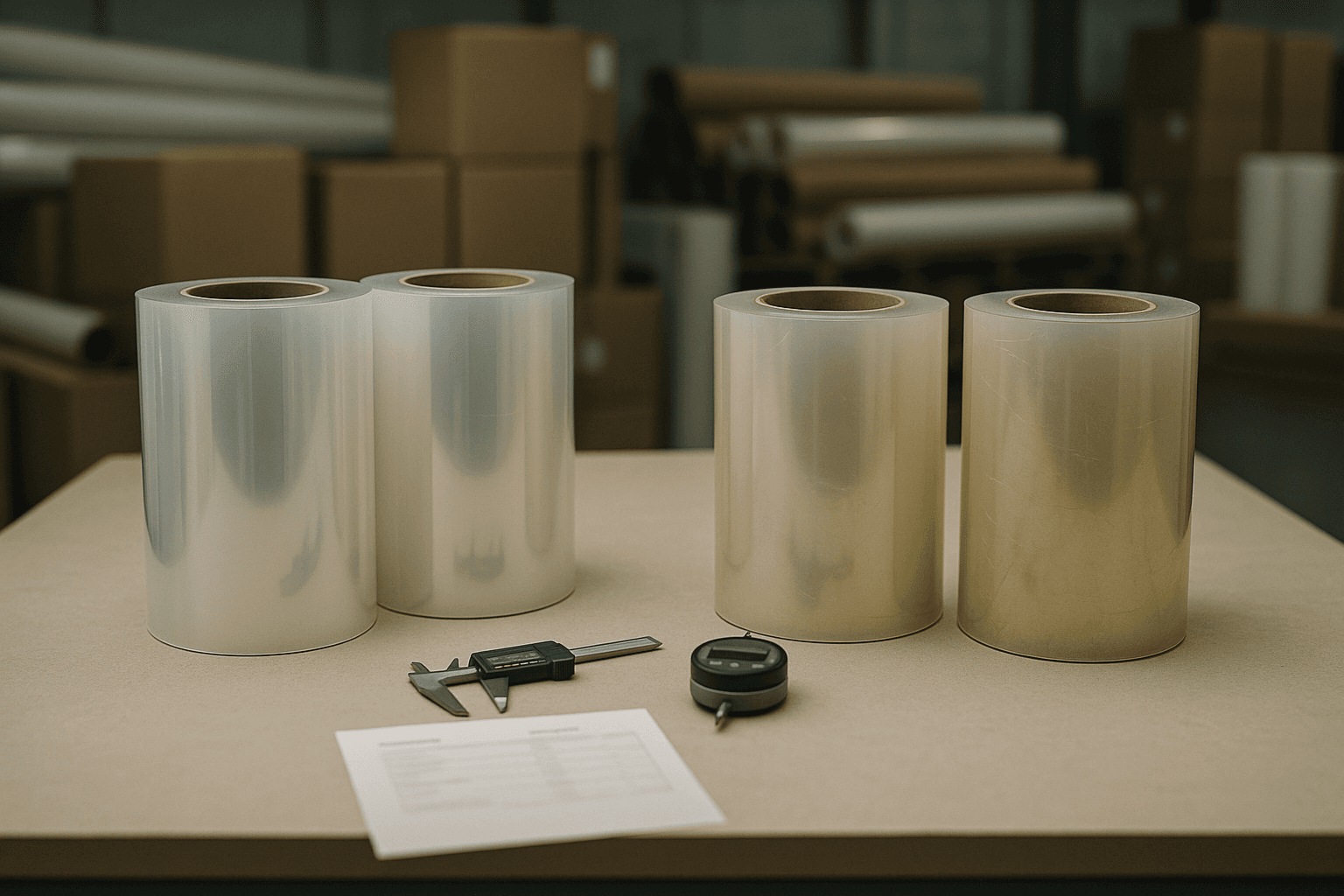
For many PPF installers and buyers, thickness is one of the first specifications they compare when evaluating paint protection film.
An “8 mil” label appears simple. If two films are both described as 8 mil, it may seem reasonable to expect similar installation performance.
However, real-world installation results can be very different.
One film may feel easier to position, stretch and finish around edges, while another film with a similar nominal thickness may require more control when working on complex vehicle panels.
The reason is that PPF performance is not determined by thickness alone.
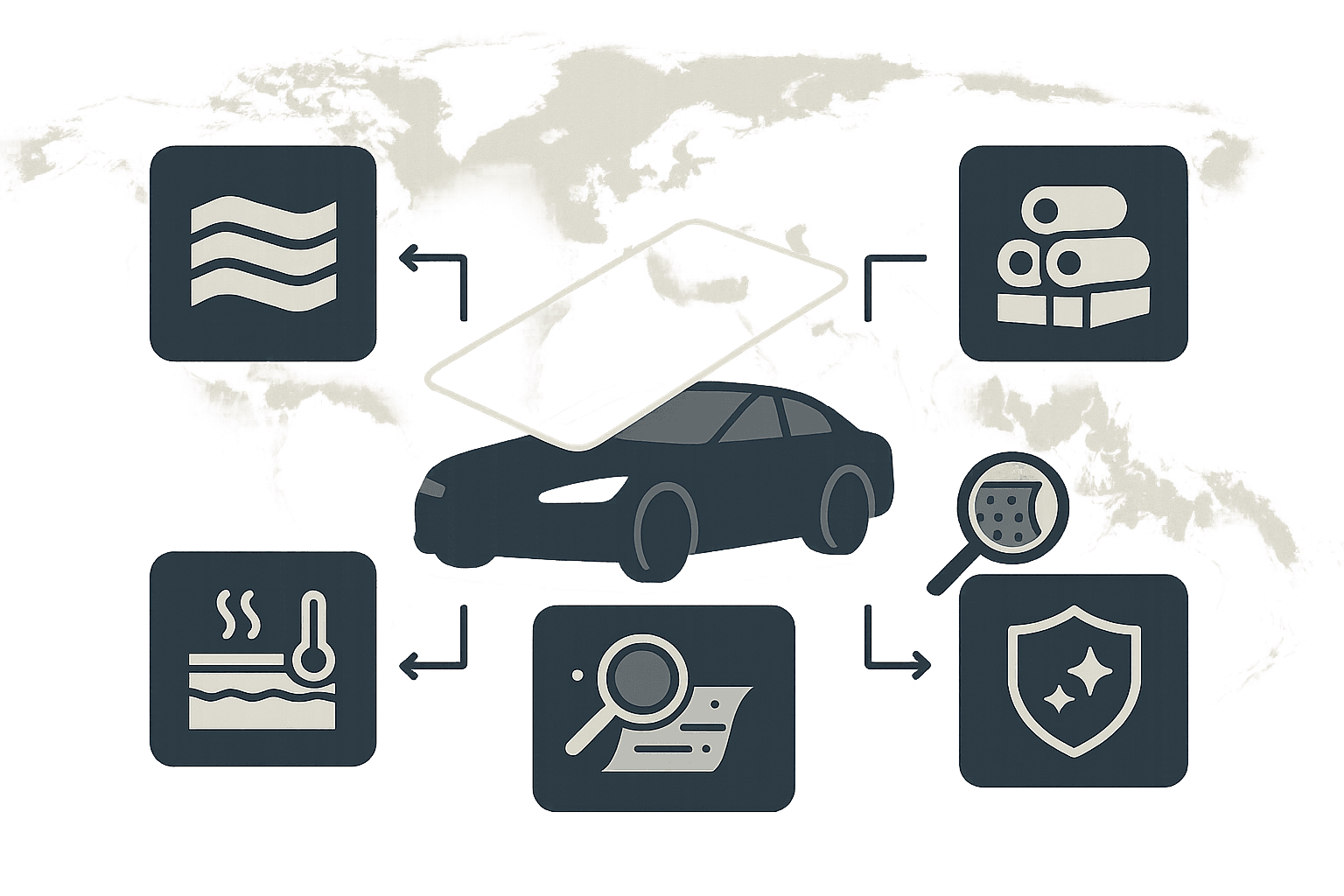
Paint protection film is a multilayer system. The TPU substrate, adhesive layer, topcoat technology, stretch behavior and manufacturing consistency can all influence how a film performs during installation and after application.
For installers, these differences affect working efficiency, installation confidence and final appearance.
For distributors, dealers and automotive brands, they affect something even more important: whether the product experience can be repeated across future orders.
The practical conclusion is simple:
A good PPF should not be selected only by thickness. The complete film system should be evaluated through real installation testing before moving to larger-volume orders.
Thickness Does Not Tell the Whole Story
An 8 Mil Specification Is Only One Part of PPF Construction
Thickness is easy to compare because it is a clear number.
When buyers compare different PPF manufacturers, thickness often becomes one of the first specifications reviewed.
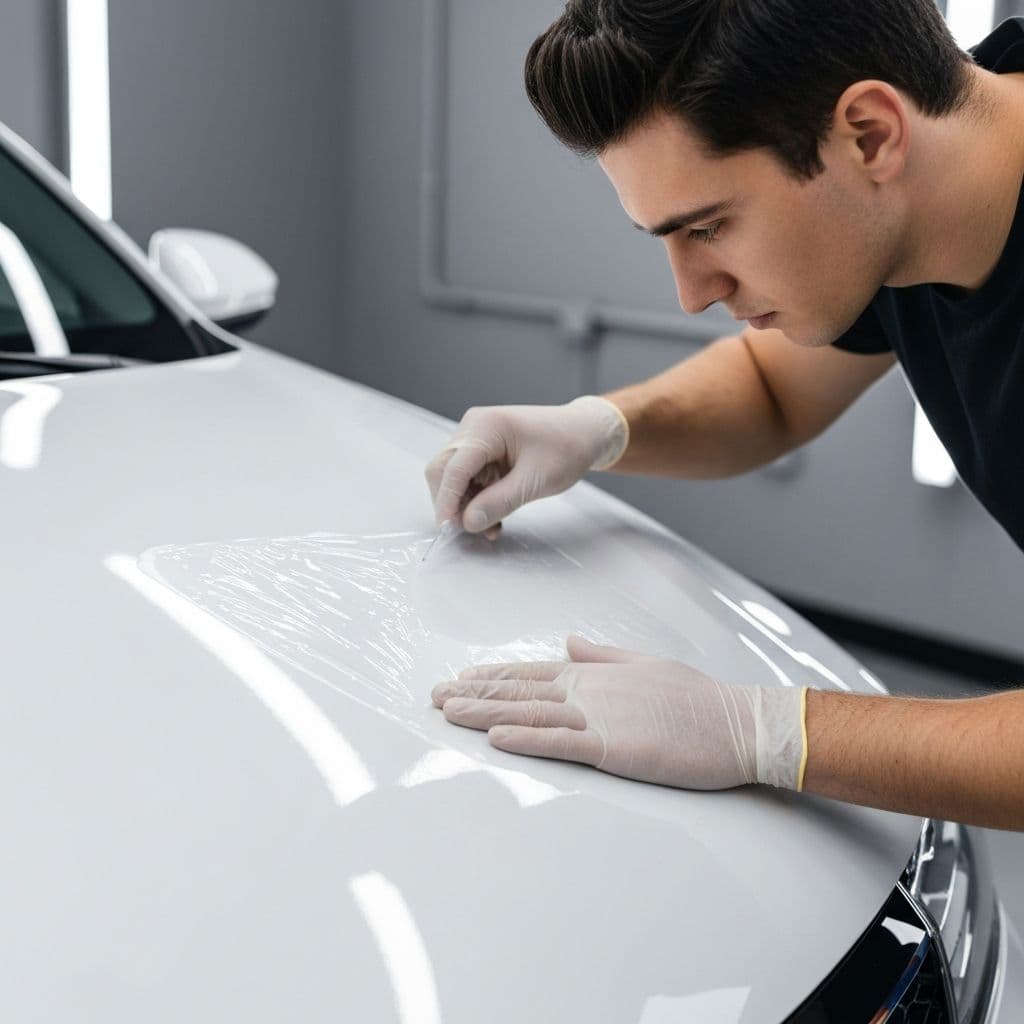
However, thickness alone cannot tell an installer how a film will behave on a hood, bumper, mirror cap or other curved area.
Two films with the same nominal thickness may have different installation characteristics because their material structure and manufacturing processes are different.
A professional evaluation should consider thickness together with TPU quality, adhesive behavior, surface coating performance, optical clarity and production consistency.
The more important question is not:
“Is this film 8 mil?”
The more important question is:
“Will this film provide predictable installation performance in real working conditions?”
For professional buyers, repeatable performance is often more valuable than a single specification number.
What Makes a PPF Easier to Install?
TPU Quality Influences Film Behavior
TPU is the main structural component of PPF, and its characteristics influence how the film reacts when stretched across vehicle surfaces.
Two films may have similar thickness but respond differently during installation.
One film may provide more controlled movement when stretched over a bumper, while another may require different handling techniques when additional tension is applied.
This is why technical specifications alone cannot fully describe installation behavior.
During sample evaluation, installers should pay attention to whether the film remains predictable during stretching and whether the finished surface maintains good visual quality after installation.
A professional PPF manufacturer should focus not only on whether a film can stretch, but also on how consistently it performs during real installation conditions.
Adhesive Behavior Changes the Installation Experience
The adhesive layer plays a major role in how a PPF feels during installation.
A well-balanced adhesive system should allow installers to position the film accurately while still providing enough flexibility for adjustments.
If adhesive grabs too quickly, repositioning can become more difficult. If adhesion is inconsistent, complex areas and edge finishing may require additional control.
This is why adhesive performance should be evaluated as part of the entire film system.
During testing, installers should observe how the film behaves during positioning, lifting and repositioning, especially around curved areas where control becomes more important.
A reliable adhesive system should support both installation efficiency and long-term bonding performance.
Stretch Behavior Matters More on Complex Panels
Flat Panels Do Not Show the Full Picture
A film that feels easy to install on a flat hood does not always perform the same way on a bumper or mirror cap.
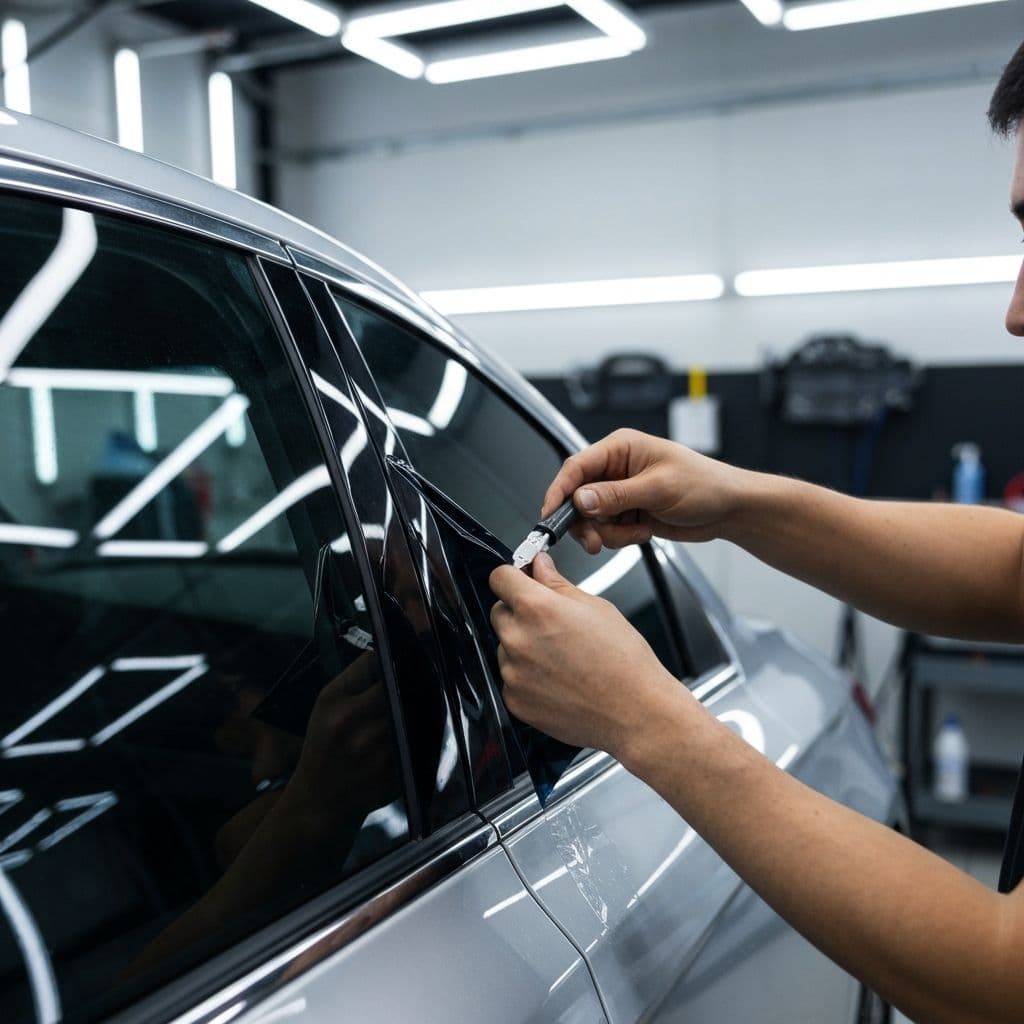
Complex vehicle panels require more movement, tension management and installer control.
This is where differences between PPF products become easier to notice.
A meaningful evaluation should include different panel shapes instead of relying only on a flat surface test.
Installers should consider how the film behaves during stretching, how much control it provides, how easily it follows complex shapes and whether the final surface remains consistent after installation.
The goal is not maximum stretch.
The goal is controlled stretch.
A film that stretches easily is not automatically a better film. What matters is whether installers can achieve the required coverage while maintaining surface quality and installation confidence.
Why Similar-Looking PPF Samples Can Perform Differently
Topcoat Performance Affects the Final Result
The topcoat is the visible surface of PPF, so it directly influences appearance, gloss, hydrophobic behavior and long-term surface performance.
A sample should not only be judged by how clear it looks before installation.
The finished vehicle surface matters more.
After installation, buyers should evaluate how the film looks under normal lighting conditions, how consistent the surface appears and whether the final finish meets customer expectations.
For clear PPF, optical clarity is especially important because small differences can become more noticeable under strong lighting.
Manufacturing Consistency Matters More Than One Successful Sample
A successful sample test is a positive sign, but it does not automatically prove long-term production consistency.
For professional buyers, the real challenge is not only finding a good film.
The challenge is receiving the same quality and installation experience in future production orders.
This is especially important for distributors and companies building their own PPF brands.
A private-label program depends on more than packaging and branding. It requires stable product specifications, controlled production processes and repeatable film performance.
A reliable manufacturer should be able to maintain consistency from sample approval through ongoing production.
How Should Buyers Evaluate PPF Before Large Orders?
A specification sheet is useful, but it cannot replace real product testing.
Before committing to larger production quantities, buyers should evaluate the film under conditions that are close to actual installation environments.
The most valuable testing focuses on the complete installation experience, including positioning control, adhesive response, stretch behavior, edge finishing and final surface appearance.
Comparing different films under the same conditions helps buyers understand whether differences come from the product itself rather than from different installation methods.
For distributors, dealers and OEM buyers, keeping evaluation records can also make supplier comparison more objective and help reduce purchasing risks.
Why Sample Testing Is More Important Than Comparing Prices
For B2B buyers, the lowest film price does not always create the lowest overall cost.
A film that requires more installation time, creates additional rework or produces inconsistent results may increase operating costs over time.
This is why professional buyers increasingly prefer sample-first evaluation before committing to larger production orders.
Testing allows buyers to understand the actual relationship between:
- Installation performance
- Surface appearance
- Product consistency
- Manufacturing capability
A quotation shows the price.
A sample shows the product.
For long-term cooperation, the second one is usually more valuable.
What Should Buyers Look for in an 8 Mil PPF Manufacturer?
Choosing a PPF manufacturer is not only about finding a film with a certain thickness
For distributors, dealers, automotive brands and OEM buyers, the manufacturer should provide reliable production, consistent quality and the ability to support future orders.
A strong manufacturing partner should understand that buyers need more than rolls of film.
They need confidence that the same product specifications, performance expectations and packaging requirements can be maintained over time.
This is why factors such as TPU stability, adhesive performance, topcoat control, optical clarity and batch consistency are important when evaluating a manufacturer.
Why Choose XPSHELL as a PPF Manufacturer?
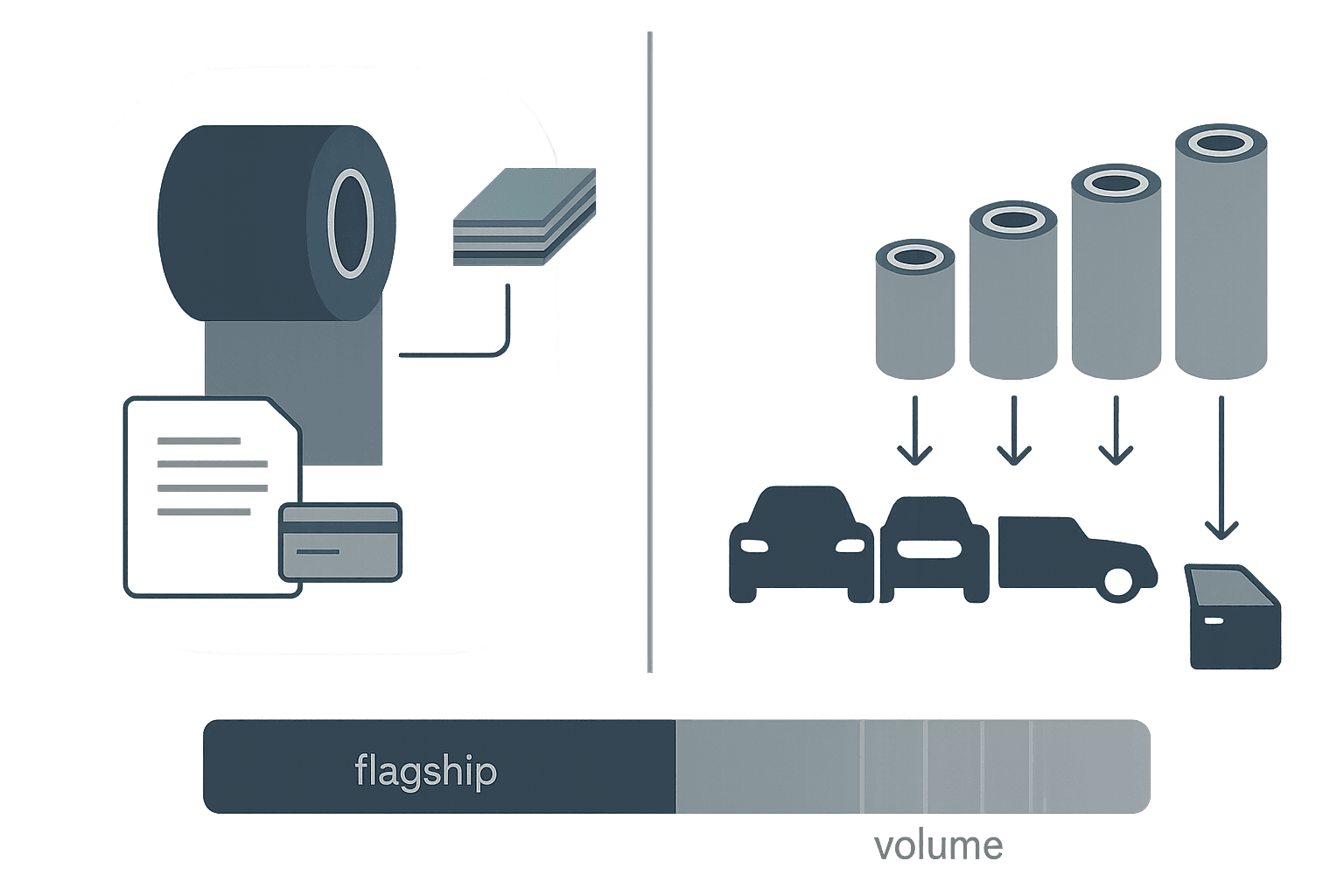
XPSHELL is a TPU paint protection film manufacturer serving distributors, dealers, automotive businesses and OEM buyers. The company focuses on factory-direct PPF supply, sample testing, stable repeat production and OEM/private-label programs.
Instead of selecting a film based on one specification alone, buyers can evaluate XPSHELL products through practical testing and confirm whether the film matches their market requirements.
XPSHELL develops PPF solutions around key performance factors such as optical clarity, anti-yellowing stability, adhesive confidence, hydrophobic surface behavior and production consistency.
For companies building their own film brands, XPSHELL supports OEM and private-label PPF manufacturing, including product specifications, packaging development, warranty materials, sample books and dealer-facing support materials.
The process is straightforward:
Test the film.
Confirm the product fit.
Then build a stable production relationship with the manufacturer.
The Best 8 Mil PPF Is Not Necessarily the One With the Best Specification Sheet
When two PPF products are both described as 8 mil, it is easy to assume they are equivalent.
They are not necessarily equivalent.
Thickness alone cannot describe TPU quality, adhesive behavior, topcoat performance, installation characteristics or manufacturing consistency.
For installers, the real test happens during installation.
For buyers, the real test is whether the same performance can be maintained across future production orders.
The best PPF is not simply the film with the most impressive specification sheet.
It is the film that provides the right balance of installation control, surface performance and manufacturing consistency for its intended market.
FAQ
Does thicker PPF always provide better protection?
Not necessarily. Thickness is only one part of PPF construction. TPU quality, adhesive performance, topcoat technology and manufacturing consistency also influence overall performance.
Why can two 8 mil PPF films feel different during installation?
Because thickness does not fully describe the complete film system. Differences in TPU structure, adhesive behavior, surface coating and production consistency can affect installation performance.
What should buyers test before choosing a PPF manufacturer?
Buyers should evaluate real installation performance, including positioning, stretching, adhesive behavior, surface appearance and product consistency.
Why is production consistency important for PPF buyers?
Because one successful sample does not guarantee that future orders will perform the same way. Long-term buyers need stable production quality across repeat orders.
Can buyers request PPF samples before larger orders?
Yes. XPSHELL supports sample evaluation and trial orders so buyers can test film performance before moving to larger-volume production.
References
[1]LLumar – Valor PPF Product Information
[2]3M – Scotchgard Paint Protection Film Pro Series 200