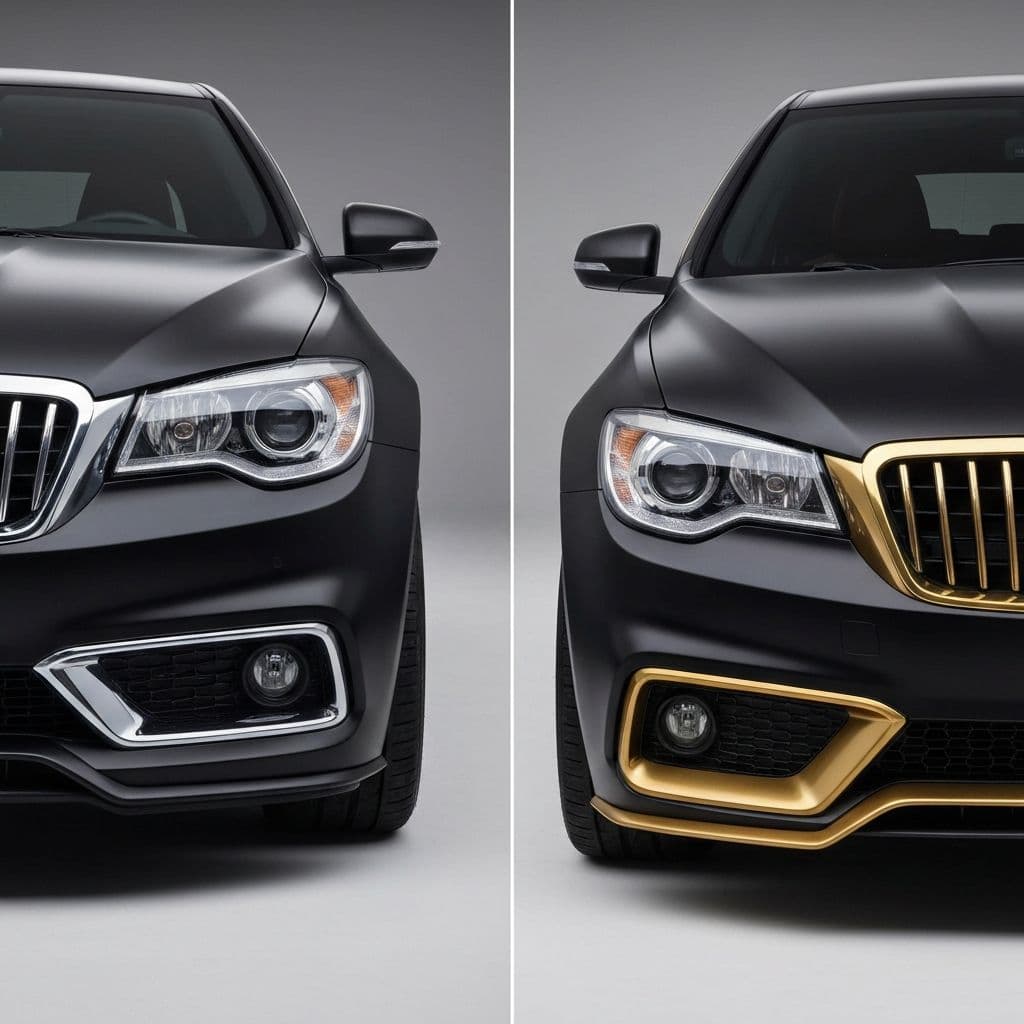
If you have ever searched for PPF vs ceramic coating, you already know how confusing the answer can be. Some shops recommend both. Some say one makes the other pointless. Car forums split down the middle.
The truth is that PPF and ceramic coating are not competitors — they solve different problems. Understanding what each one does, and what each one cannot do, is the only way to make a smart decision for your car and your budget.
What Is Paint Protection Film (PPF)?
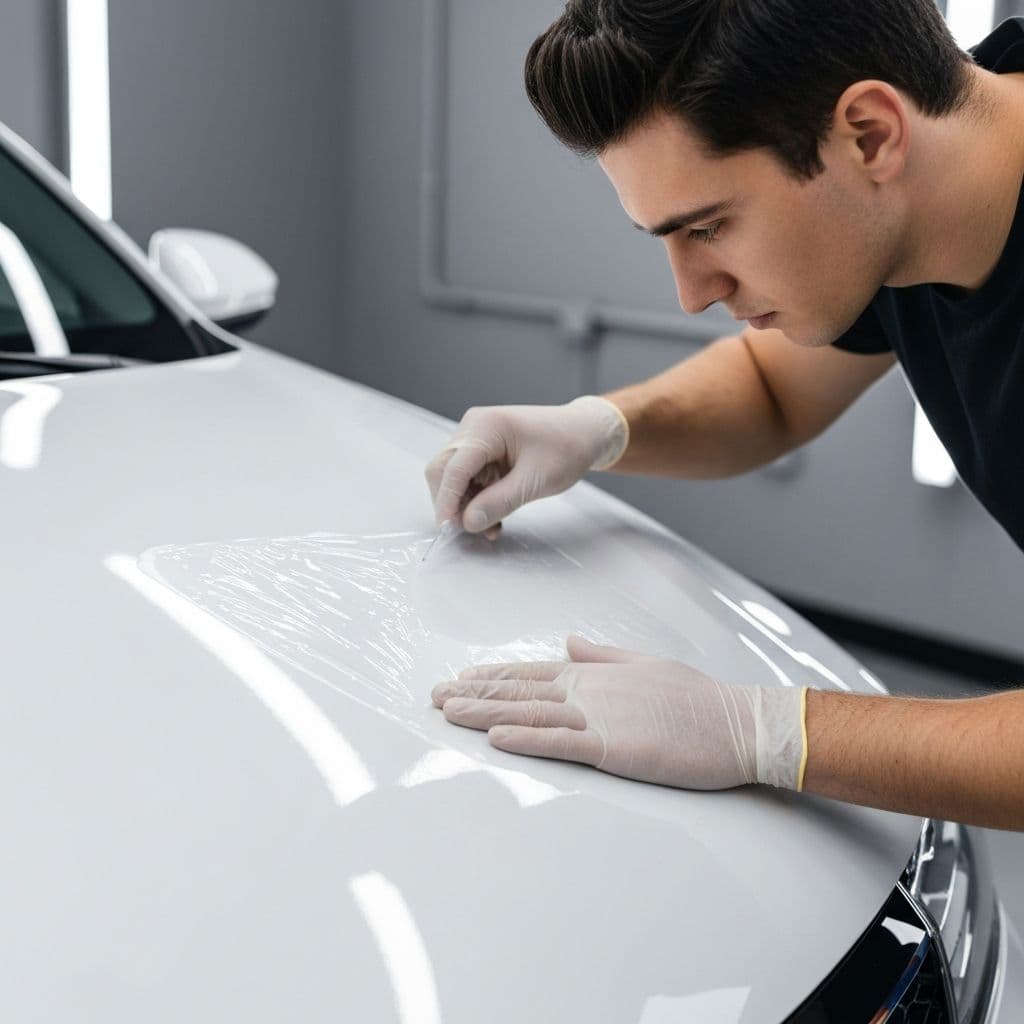
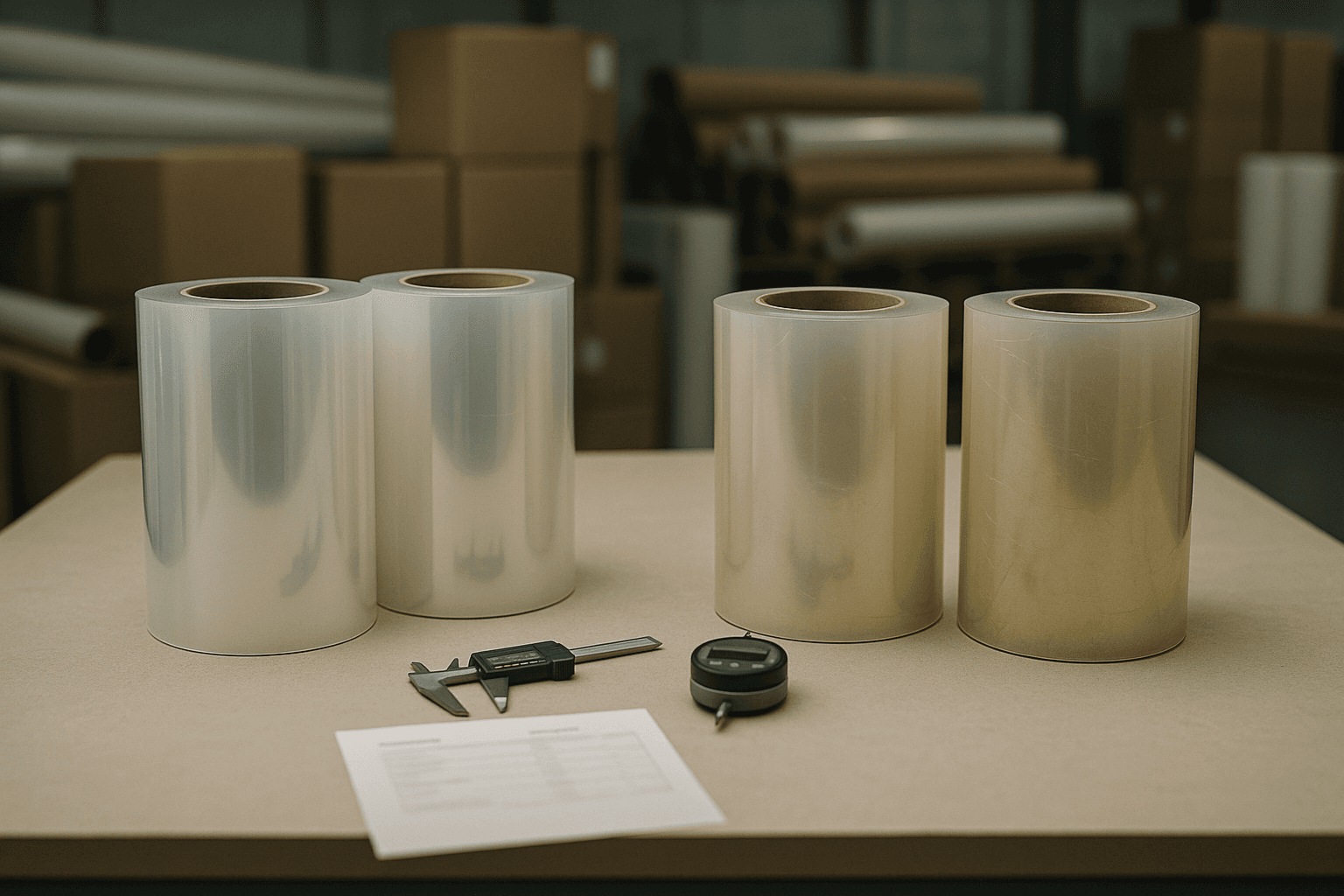
Paint protection film is a thick, flexible layer of thermoplastic polyurethane (TPU) applied directly to the car's painted surface. Modern PPF is typically 6 to 8 mil thick. That physical thickness is the key difference from ceramic coating.
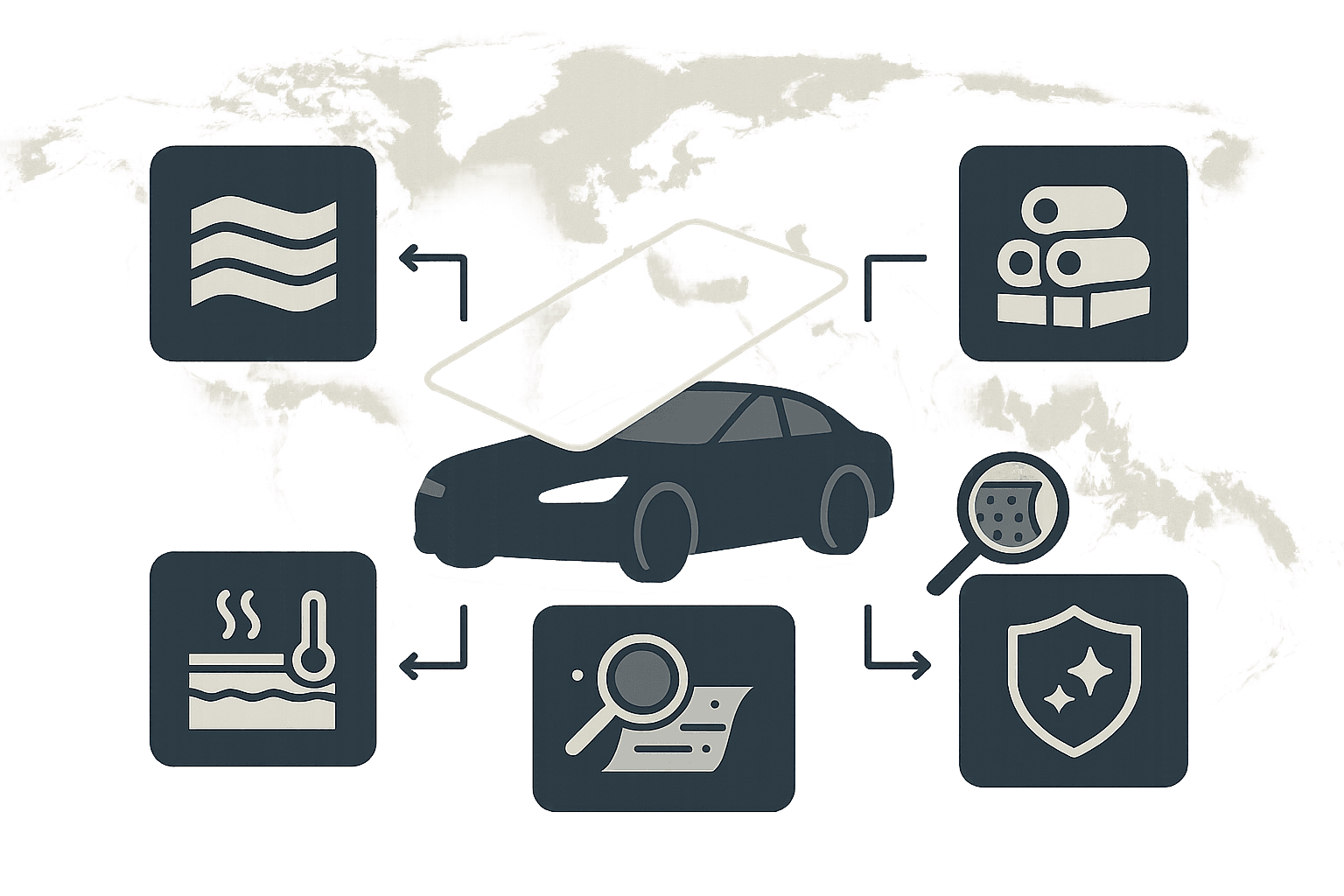
A quality PPF film delivers:
- Impact resistance against stone chips, road debris and small dents
- Self-healing top coat that repairs minor scratches with heat
- Stain resistance against bird droppings, tree sap and bug splatter
- Hydrophobic surface that repels water and reduces dirt bonding
- UV protection that prevents paint oxidation and fading
- Gloss or matte finish options depending on the product
The most important thing PPF does is physically stop damage before it reaches the paint. A stone chip that would leave a permanent mark on bare paint bounces off a PPF-protected surface without leaving a trace.
What Is Ceramic Coating?
Ceramic coating is a liquid polymer that chemically bonds to the car's clear coat. Once cured, it forms a hard, semi-permanent layer — typically 1 to 10 microns thick. That is approximately 50 to 100 times thinner than PPF.
A professionally applied ceramic coating delivers:
- Deep gloss and paint-depth enhancement
- Strong hydrophobic effect that keeps the car cleaner longer
- Chemical resistance against bird droppings, tree sap, road salt and industrial fallout
- UV protection that reduces oxidation
- Easier washing — contaminants release faster
- Semi-permanent protection that can last 2 to 5+ years
What ceramic coating does not do: it cannot stop stone chips. The thin ceramic layer has no physical absorption capacity. A flying stone will punch through it the same as it would punch through bare clear coat.
The Core Difference: Physical vs Chemical Protection
This is the one concept that clarifies the entire debate. PPF and ceramic coating work at completely different levels:
- PPF absorbs physical impact. It takes the hit so the paint does not.
- Ceramic coating repels contamination. It makes the surface easier to clean and maintain.
Once you understand that, the decision becomes much simpler. Your choice depends on what threats your car faces and how much protection your budget allows.
PPF vs Ceramic Coating: Side-by-Side Comparison
Here is an honest comparison across the factors that matter most to car owners:
- Stone chip and impact protection — PPF: excellent / Ceramic: none
- Scratch resistance — PPF: good (self-healing) / Ceramic: light scratch resistance only
- Hydrophobic water beading — PPF: good / Ceramic: excellent
- Chemical resistance — PPF: good / Ceramic: excellent
- Gloss enhancement — PPF: moderate / Ceramic: excellent
- UV protection — PPF: good / Ceramic: good
- Self-healing — PPF: yes (heat-activated) / Ceramic: no
- Installation complexity — PPF: high / Ceramic: moderate
- Durability — PPF: 5 to 10 years / Ceramic: 2 to 5+ years
- Cost — PPF: higher / Ceramic: lower
- Removability — PPF: fully removable / Ceramic: permanent until polished off
When PPF Is the Better Choice
PPF makes the most sense when impact protection is the priority:
- You frequently drive on highways, gravel roads or construction zones
- You own a new car and want to preserve resale value
- You drive a dark-colored car where stone chips are extremely visible
- You want physical protection on the front end: hood, bumper, fenders, mirrors
- Your car is leased and you need to return it in pristine condition
- You want the option to remove the protection without any trace
PPF is particularly strong on the areas of a car that face the most projectile risk. Even a partial PPF install — hood, front bumper, leading edge of the fenders — provides meaningful real-world protection where it is needed most.
When Ceramic Coating Is the Better Choice
Ceramic coating makes the most sense when gloss and ease of maintenance are the priority:
- You want the deepest possible gloss without adding film texture
- You live in an urban area with low stone-chip risk but high pollution or industrial fallout
- You wash your car frequently and want contaminants to release easily
- You want protection for the entire car, including the roof, trunk and doors, at a lower cost
- You already have PPF on the high-risk areas and want to protect the rest of the car
- You own a classic or show car that is rarely driven on open roads
Ceramic coating covers the whole car efficiently. For large panel areas like the roof, doors and trunk that rarely take stone chips, ceramic coating delivers meaningful protection at a fraction of PPF cost.
Can You Use PPF and Ceramic Coating Together?
Yes — and this is the combination many detailing professionals recommend. The logic is straightforward: put PPF on the high-impact zones and apply ceramic coating over the PPF and on the remaining panels.
The combined setup works like this:
- PPF covers front bumper, hood, fenders, mirrors and door edges
- Ceramic coating is applied over the PPF (most quality PPF films support this)
- Ceramic coating also covers the roof, doors, trunk and rear bumper
- Result: physical impact protection where it matters most, plus full-car chemical resistance and gloss enhancement
Ceramic coating applied over PPF also makes the film easier to clean, reduces the chance of contamination bonding to the film surface and can improve the visual appearance of the PPF — especially on gloss films.
The Cost Reality: PPF vs Ceramic Coating
Cost is one of the most common reasons people choose one over the other. The difference is significant:
- Ceramic coating (full car): typically $500 to $2,000 depending on product tier and market
- Partial PPF (front end only): typically $800 to $2,500 depending on coverage and film brand
- Full body PPF: typically $3,000 to $8,000+ depending on vehicle size and film brand
- PPF + ceramic combo (partial PPF + full ceramic): typically $1,500 to $5,000
These ranges vary by region, installer skill level and product quality. The numbers above reflect general market pricing in the United States. Your actual quote will depend on your specific vehicle, the coverage area and the installer.
The important cost question is not which option is cheaper — it is which option best protects your specific investment. A single stone chip on a bumper respray can cost more than the price difference between ceramic and PPF.
What About Self-Healing PPF vs Ceramic Coating Scratch Resistance?
Self-healing is one of PPF's most distinctive features. Quality PPF films use a top coat that reflows under heat — from sunlight, hot water or a heat gun — filling in light swirl marks and minor scratches. The result is a surface that stays optically cleaner over time.
Ceramic coating offers scratch resistance in a different way. The hard ceramic layer can resist very light surface marring, but it does not self-heal. If a scratch breaks through the ceramic, the paint underneath is exposed. The ceramic needs to be polished and reapplied to restore full protection.
For self-healing performance, PPF wins clearly.
PPF Durability vs Ceramic Coating Durability
Both products degrade over time. Quality PPF from a reputable manufacturer typically carries a 5 to 10 year warranty covering yellowing, cracking, delamination and loss of adhesion. In practice, a well-installed PPF on a well-maintained car can stay clean and clear for the full warranty period.
Ceramic coatings range from 1-year consumer-grade products to 5+ year professional-grade coatings. Durability depends heavily on the product, the application process and how the car is maintained. Regular washing with appropriate car-wash soap (no wax additives), avoiding harsh chemicals and annual inspection can significantly extend ceramic coating life.
The key durability insight: PPF is more forgiving of maintenance habits. Even if the car is not washed perfectly every time, PPF absorbs the damage. Ceramic coating rewards consistent, careful maintenance habits.
Does Paint Color Change the Decision?
Yes — paint color and paint type are relevant factors. Stone chips are most visible on:
- Black, dark blue and dark gray — chips show white primer immediately
- Red and burgundy — chips show contrasting primer color
- Matte and satin finishes — any damage permanently alters the texture
For dark-colored cars and matte-finish cars, PPF on the front end is nearly always the stronger recommendation. The visual impact of even one stone chip on a matte hood is severe — and matte finishes cannot be machine-polished to remove the mark.
For light silver, white and champagne-colored cars, stone chips are less immediately visible. Ceramic coating alone may be a reasonable choice for budget-conscious owners, though PPF still provides superior long-term paint preservation.
Common Questions About PPF vs Ceramic Coating
Is PPF better than ceramic coating?
For stone chip and impact protection, PPF is clearly better. For gloss enhancement, chemical resistance and hydrophobic performance, ceramic coating is typically stronger. The best approach depends on your priorities and budget.
Can you apply ceramic coating over PPF?
Yes. Most quality PPF films are compatible with ceramic coating applied on top. The ceramic layer makes the PPF easier to clean, enhances the gloss and can improve the hydrophobic performance of the film surface.
How long does PPF last compared to ceramic coating?
Quality PPF typically comes with a 5 to 10 year manufacturer warranty. Professional ceramic coatings typically last 2 to 5+ years depending on the product and maintenance. PPF generally offers longer physical protection coverage.
Is ceramic coating worth it if I already have PPF?
Yes — applying ceramic coating over PPF adds genuine value. It reduces contamination bonding to the film surface, makes washing easier, and can improve the visual appearance of the PPF. Ceramic coating can also cover unprottected panels (roof, doors, trunk) that PPF does not cover.
What areas should get PPF vs ceramic?
The front end — hood, front bumper, fenders, A-pillars and mirrors — benefits most from PPF because these areas take the most stone chip impact. The rest of the car can be protected efficiently with ceramic coating.
Does PPF protect against bird droppings?
Yes. Quality PPF films are resistant to acidic contamination including bird droppings, tree sap and bug splatter. Bird dropping acids can etch clear coat and ceramic layers over time, but PPF absorbs the attack without transmitting damage to the underlying paint — as long as the contamination is removed within a reasonable time.
Is self-healing PPF real?
Yes. Self-healing PPF uses a top coat that reflows when heated. Light swirl marks and surface scratches disappear after exposure to warm sunlight, hot water or a brief heat gun application. The self-healing function works best on fine scratches and does not repair cuts or deep gouges that penetrate through the film.
How do I choose between full PPF and ceramic coating only?
If your budget allows only one, the right answer depends on how and where you drive. Frequent highway driving or gravel road exposure strongly favors PPF. Primarily urban or highway driving with low gravel exposure makes ceramic coating a reasonable choice. A front-end-only PPF install plus full-car ceramic coating is often the most cost-effective combined approach.
References
1. XPEL — Paint Protection Film Products
2. STEK USA — Dyno PPF Technology Overview
3. 3M — Scotchgard Paint Protection Film Pro Series
4. IDA — International Detailing Association Ceramic Coating Consumer Guide
5. LLumar — Paint Protection Film FAQ
6. XPEL — PPF vs Ceramic Coating Comparison