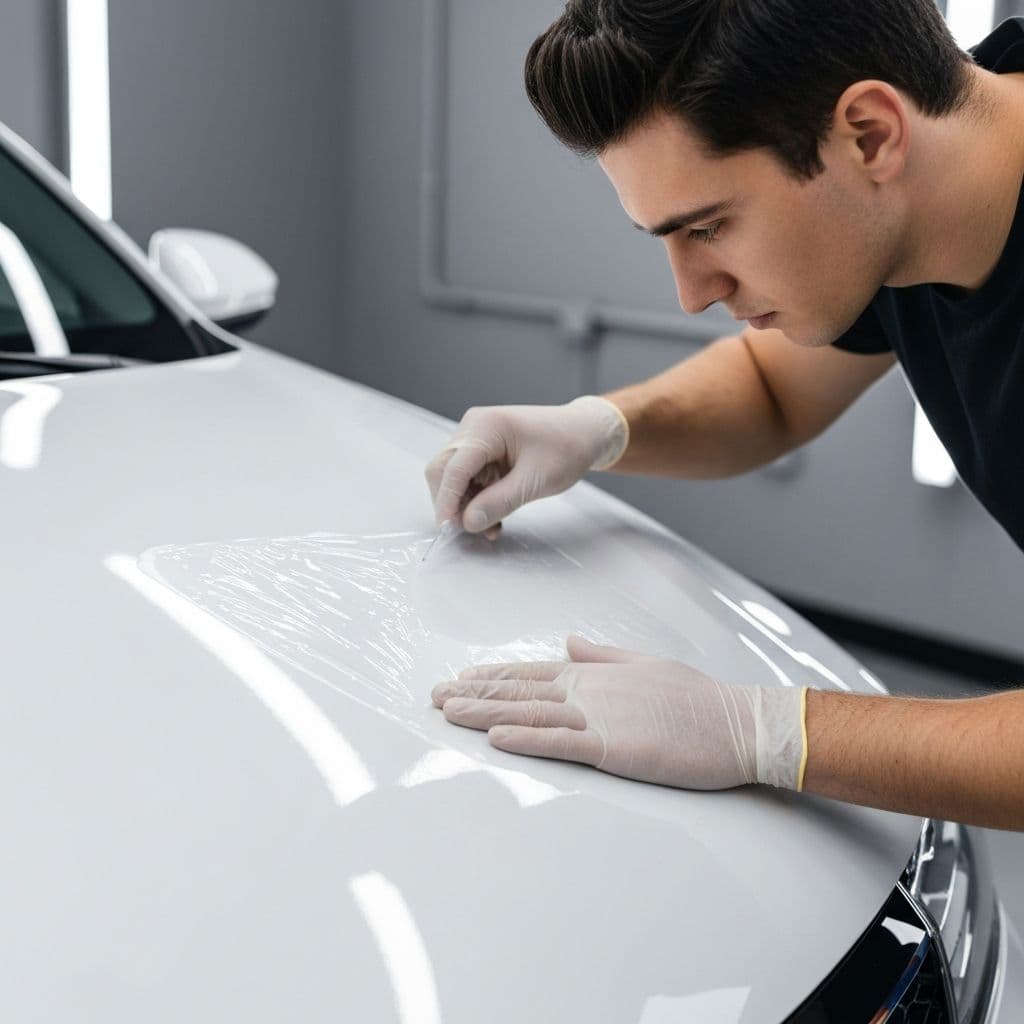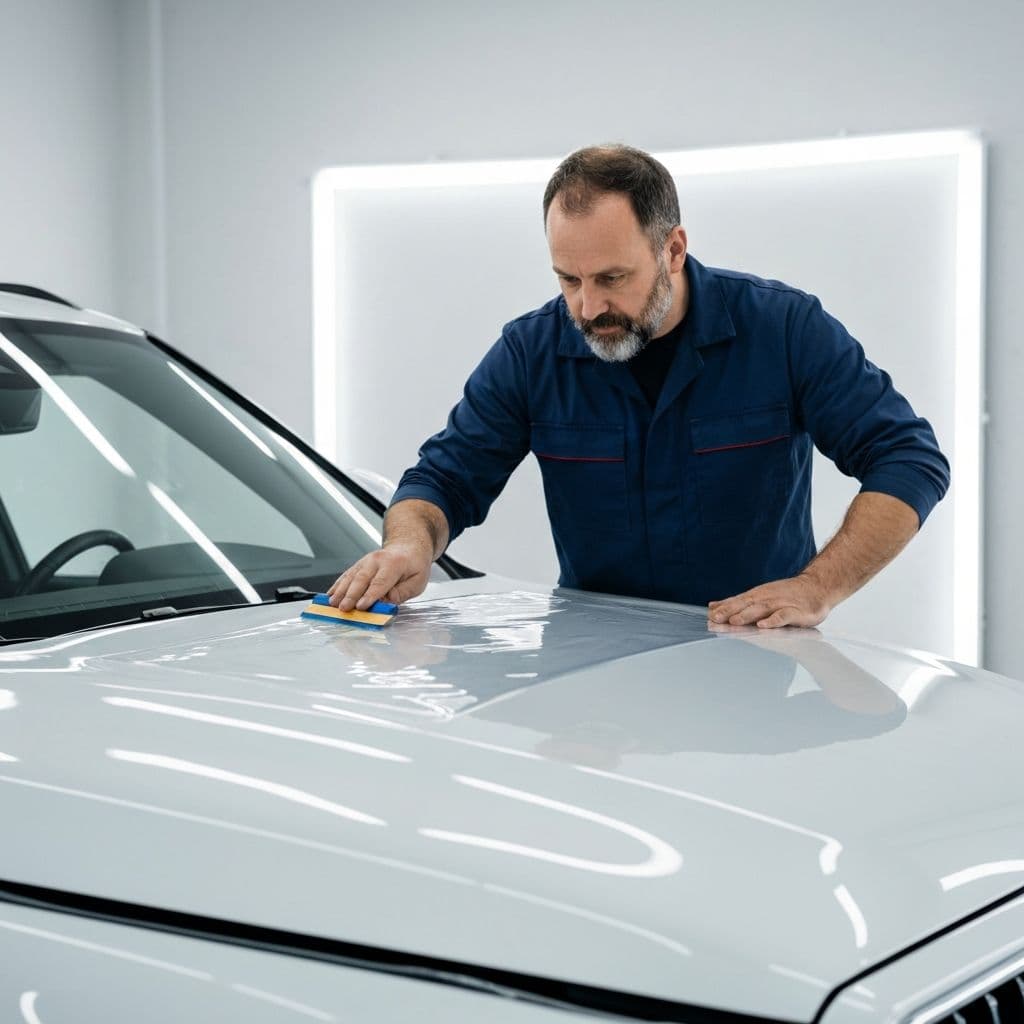
The paint protection film business is no longer only about installing clear film on luxury cars. Today, a PPF distributor can supply clear PPF, matte PPF, color PPF, black PPF, hydrophobic PPF, self-healing PPF, and private label PPF to local installers, detailing shops, wrap studios, and automotive restyling businesses.
Premium brands such as STEK, XPEL, 3M, and SunTek have helped educate the market. For distributors, the opportunity is clear: how can you build a profitable, stable, and scalable PPF wholesale business in your local market?
Why PPF Is Still a Strong Business for Installers and Distributors
PPF remains a strong automotive aftermarket category because it solves a real problem: customers want to protect expensive paint from road debris, scratches, stains, bug splatter, bird droppings, salt, and daily driving damage. At the same time, PPF has expanded from pure protection into styling — matte PPF, color PPF, black PPF, satin PPF, and fashion PPF give installers more ways to increase order value.
A PPF distributor does not need to install every car personally. The distributor can build a local network of installers and supply them with film, tools, samples, technical support, marketing materials, and warranty guidance.
- Installer supply: rolls, samples, tools, and technical support → repeat wholesale orders
- Local brand building: private label PPF, catalog, packaging, warranty card → higher brand value and margin
- Product training: installation guidance and product comparison → stronger installer loyalty
- Product tiers: entry, mid-range, and premium PPF options → serve different market segments
- Color and matte film: higher-value styling products → better profit per roll
Brand PPF vs Private Label PPF
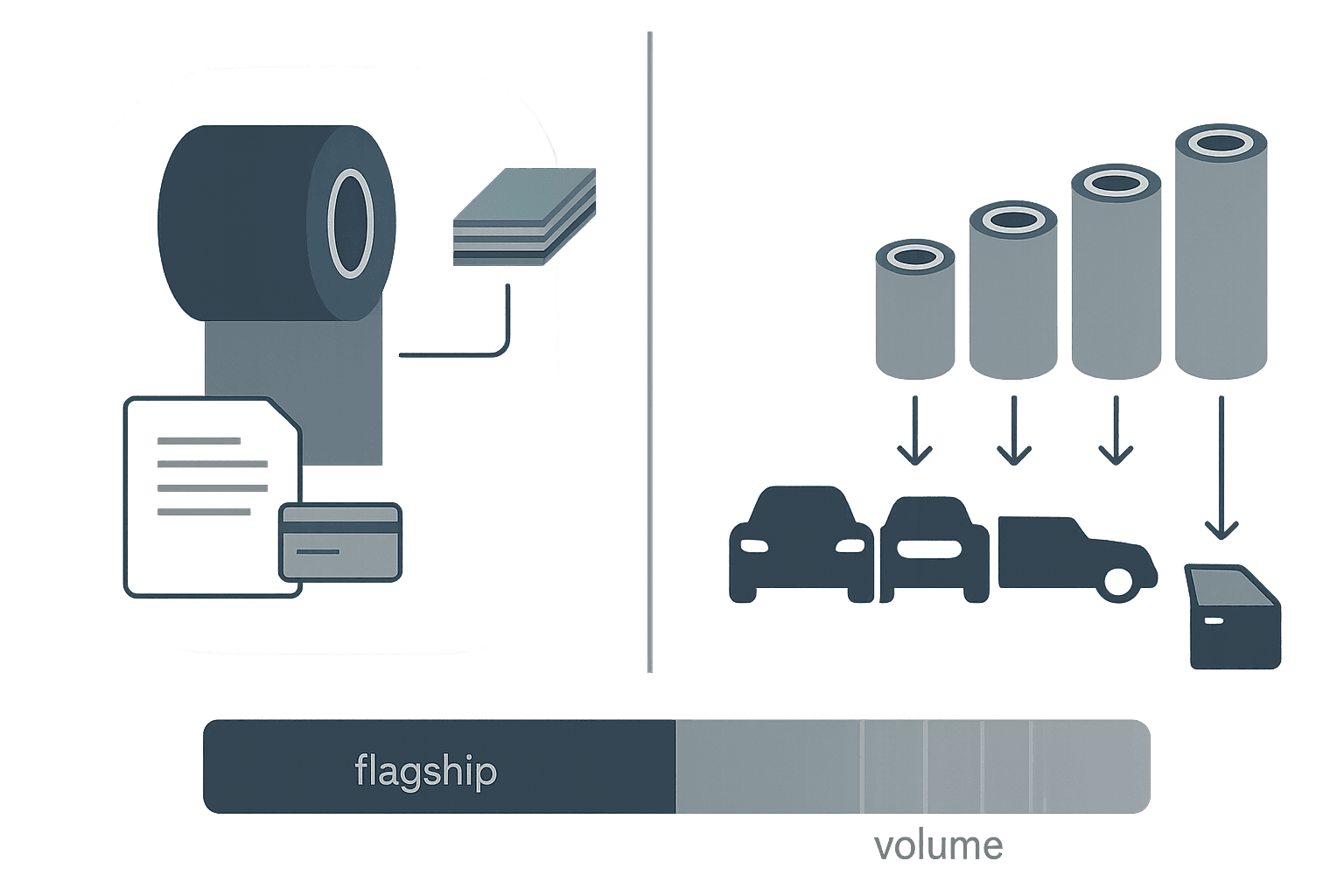
Many new distributors start by looking at big brands because brand recognition makes sales easier. Brand PPF can be a good choice for high-end installers, luxury car shops, and markets where customers ask for specific names. However, the margin may be limited, and the distributor may have less control over pricing, packaging, and market positioning.
Private label PPF is different. Instead of reselling another brand, the distributor works with a PPF manufacturer or PPF China factory to build a local product line. A mature distributor does not always need to choose only one side — a hybrid strategy can work well: use famous brands as market references, then build a private label PPF line for better margin and stronger local channel control.
- Brand PPF: stronger customer recognition at the beginning, but limited pricing and packaging control
- Private label PPF: more pricing flexibility, full custom packaging, own brand equity
- Hybrid strategy: brand films for premium retail, private label for wholesale growth
How to Evaluate PPF Wholesale Pricing
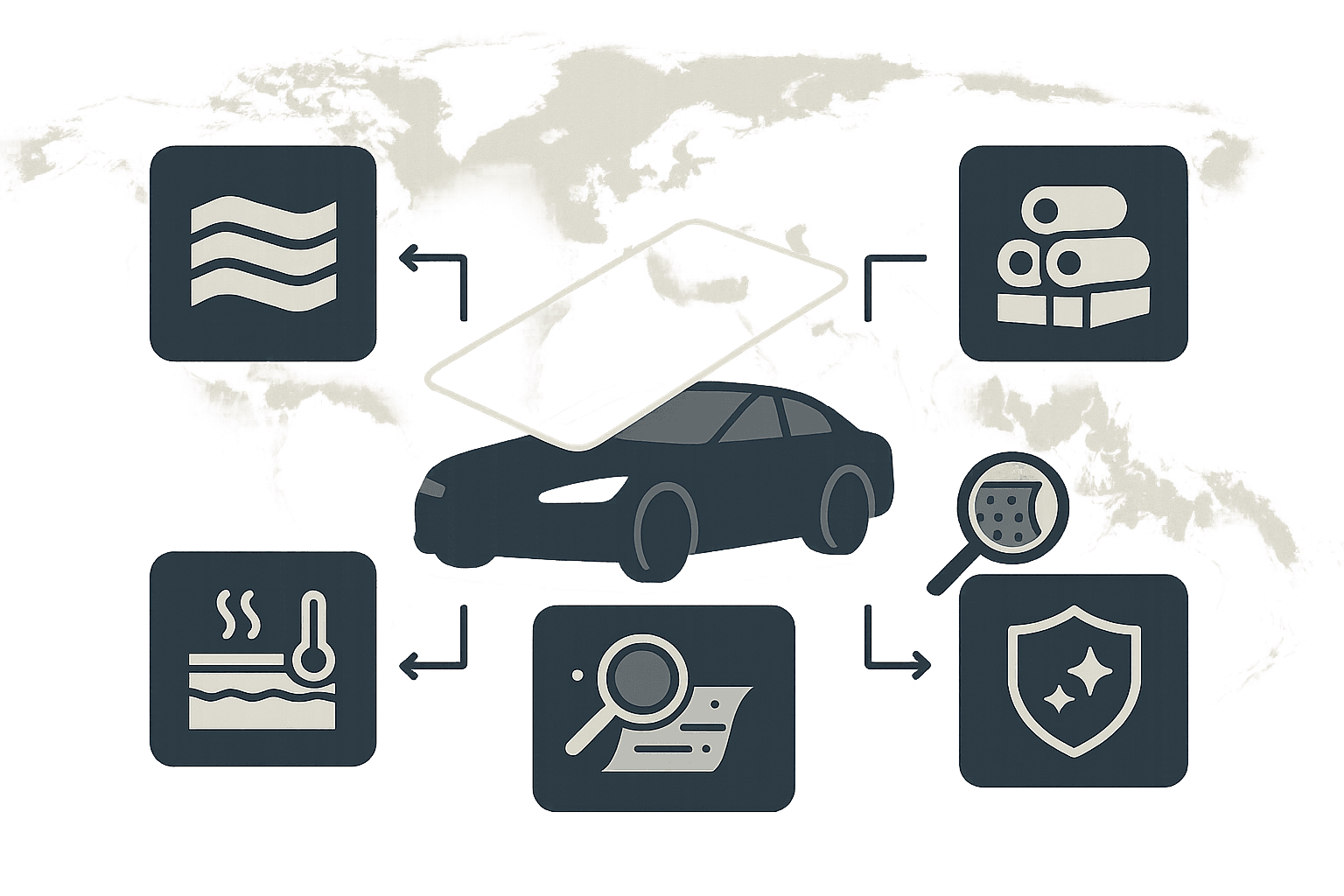
PPF wholesale pricing should never be judged only by roll price. A cheap roll can become expensive if it causes installation complaints, warranty claims, adhesive residue, edge lifting, yellowing, or inconsistent batches.
A distributor should calculate the full business cost: roll price, freight and import cost, duties and taxes, warranty risk, installer rejection rate, packaging cost, inventory pressure, marketing cost, and technical support overhead. The goal is not to buy the cheapest film — the goal is to build a price structure that installers can accept, customers can trust, and the distributor can profit from repeatedly.
What Products Should a New Distributor Start With?
A new PPF distributor should not start with too many SKUs. Too many products create inventory pressure, confuse installers, and make marketing harder. The better strategy is to start with a focused product ladder.
- Clear gloss PPF — main protection product for most installers and daily drivers
- Premium optical PPF — high clarity, low orange peel, hydrophobic top coat for luxury car shops
- Matte clear PPF — turns gloss paint into satin or matte finish for luxury cars and EVs
- Matte black PPF — style plus protection for custom shops and sports cars
- Color PPF — high-margin fashion film for restyling shops and premium customization buyers
- Entry PPF — price-sensitive segment for new installers and budget markets
For most new distributors, the safest starting point is clear gloss PPF plus one premium line. After that, matte PPF and color PPF can be added based on market feedback.
Warranty, Samples and Technical Support
Warranty is important, but it should be realistic. A long warranty without product stability, installer training, and clear claim rules can create more problems than benefits.
STEK's DYNOshield page lists a 10-year warranty against delamination, yellowing, bubbling, and cracking. SunTek's PPF page describes self-healing films designed to help protect against rock chips, surface scratches, bird droppings, and debris.
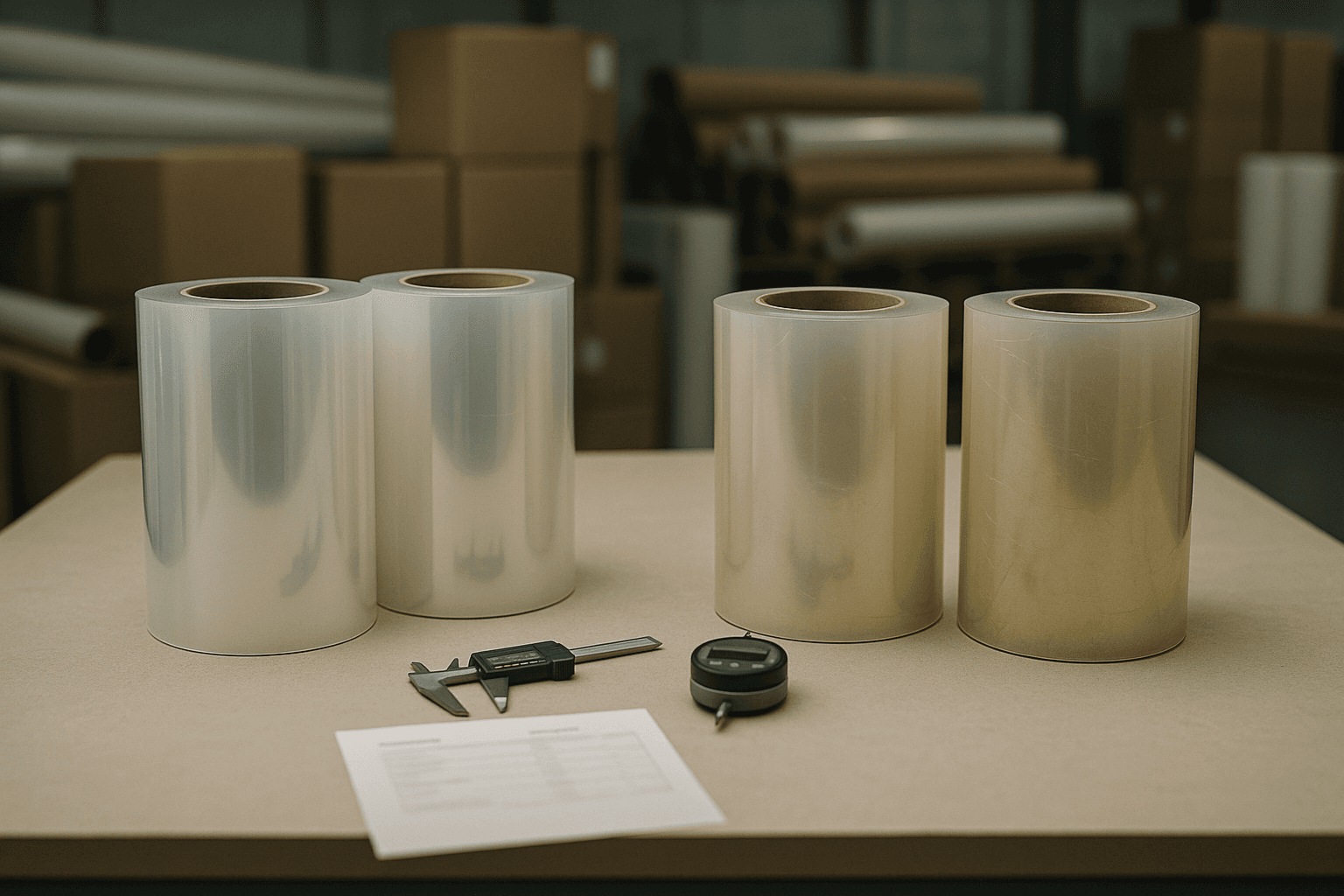
For a distributor, warranty should be supported by product testing, installation guidance, and clear communication. A good distributor support system includes: sample meters, test rolls, technical data sheets, warranty cards, installation guides, product comparison charts, sample books, after-sales process, training videos, and marketing photos.
What installers should test before reordering
- Optical clarity and orange peel
- Gloss level and hydrophobicity
- Self-healing behavior
- Adhesive tack and repositioning
- Edge stability and stretch behavior
- Glue mark control
- Stain resistance and removal behavior
The best distributor programs make testing easy. Samples and trial rolls are not only costs — they are conversion tools.
How to Work with a China PPF Factory
Working with a PPF China factory can give distributors better pricing flexibility, private label control, and product development support. But factory sourcing also requires more responsibility.
3M describes its automotive paint protection film products around polyurethane film construction, clear coat technology, pressure-sensitive adhesive, and protection against scratches, chips, and weathering. When evaluating a PPF manufacturer, the distributor should assess both technical capability and business support.
Key questions to ask a PPF manufacturer:
- TPU: What raw material is used? Is it suitable for outdoor yellowing resistance?
- Adhesive: What adhesive system is used? How does it perform on edges and removal?
- Top coat: Is it hydrophobic, self-healing, stain-resistant, and low orange peel?
- Testing: Can you provide UV aging, gloss, tensile, elongation, and peel data?
- Batch control: How do you control consistency between production batches?
- OEM support: Can you provide box design, core label, warranty card, and sample book?
- MOQ and lead time: What is the MOQ for standard, color, and private label packaging?
Safe sourcing process
- Request product information and wholesale price range
- Ask for sample meters or one test roll
- Test the film with experienced installers
- Compare it with local market products
- Check packaging and warranty documents
- Start with a small trial order
- Collect installer feedback
- Scale only after stable performance
A serious PPF supplier should welcome testing. If a supplier pushes only for large orders without sample validation, the distributor should be cautious.
How to Build a Local Installer Network
A PPF distributor wins by helping installers make money. If installers only see you as a roll seller, they will compare every supplier by price. If they see you as a business partner, they will reorder more consistently.
- Offer sample rolls — lowers the barrier to testing
- Provide product tier training — helps installers sell the right film
- Share marketing content — helps installers promote services
- Provide warranty templates — reduces customer disputes
- Give installation feedback — helps new installers improve
- Support urgent stock needs — builds trust
- Create local case studies — makes the product easier to sell
- Provide color PPF sample books — helps retail customers choose finishes
- Offer distributor pricing levels — rewards repeat buyers
Brand Alternatives: How to Position Without Copying
Many buyers search for "STEK PPF price", "XPEL PPF price", or "PPF brand alternatives" because they want premium performance but also care about budget and margin. It is acceptable to position your product as an alternative in the category, but it is not acceptable to copy another brand's logo, packaging, product name, or warranty claim.
- Instead of "Same as XPEL" → say "A premium optical PPF film for installers who need high clarity and stable adhesive"
- Instead of "Cheap STEK alternative" → say "A hydrophobic PPF option for distributors who need private label supply"
- Instead of "10-year film like big brands" → say "Premium series with long-term warranty positioning and sample testing support"
For long-term distributor business, trust matters. Build your own product value instead of relying on another brand's name.
FAQ
What is a PPF distributor?
A PPF distributor buys paint protection film from a PPF supplier, manufacturer, or China factory and resells it to installers, detailing shops, wrap studios, and local dealers. Some distributors also build their own private label PPF brand.
How do I start a PPF wholesale business?
Start by selecting a target market, testing sample rolls, choosing a clear product ladder, calculating landed cost, preparing warranty terms, building installer relationships, and working with a reliable PPF manufacturer or supplier.
Should I sell brand PPF or private label PPF?
Brand PPF is easier to sell when customers already recognize the name. Private label PPF gives better margin control, packaging control, and long-term brand value. Many distributors use both: brand PPF for premium recognition and private label PPF for wholesale growth.
How do I evaluate PPF wholesale pricing?
Evaluate the full landed cost, not only the factory roll price. Include freight, import duty, tax, packaging, warehouse cost, marketing, samples, warranty reserve, and your distributor margin.
What products should a new PPF distributor start with?
A new distributor should usually start with clear gloss PPF, one premium optical PPF line, and possibly matte PPF. Color PPF and matte black PPF can be added after installer demand is confirmed.
Is color PPF good for distributors?
Yes. Color PPF can be a strong high-margin category because it combines protection and style. It is especially useful for wrap studios, custom shops, luxury car installers, and distributors who want product differentiation.
Why do installers care about adhesive quality?
Adhesive quality affects installation, repositioning, edge stability, glue marks, and removal. Poor adhesive can create complaints even if the surface looks good at first.
What should I ask a PPF China factory before ordering?
Ask about TPU material, adhesive system, top coat, hydrophobicity, self-healing, UV aging, gloss, tensile strength, elongation, peel adhesion, warranty terms, MOQ, lead time, samples, and private label support.
What is the best way to test a PPF supplier?
Request sample meters or a full test roll, install the film on real vehicle panels, compare it under sunlight and LED lighting, test stretch and adhesive behavior, and collect feedback from experienced installers.
Can I build my own private label PPF brand?
Yes. A PPF manufacturer can often support custom boxes, roll labels, warranty cards, catalogs, sample books, technical data sheets, and distributor pricing. Private label PPF is one of the most practical ways to build long-term local market value.
References
1. STEK USA: Hydrophobic Paint Protection Film | Window Tint
2. XPEL Automotive Protection Films & Window Tint Solutions
3. STEK DYNOshield Hydrophobic Paint Protection Film
4. XPEL ULTIMATE PLUS Paint Protection Film — Custom Length
5. 3M Scotchgard Paint Protection Film Pro Series
6. 3M Surface Protection Films for Post Factory Installations
7. SunTek Paint Protection Film
8. SunTek Paint Protection Film Ultra