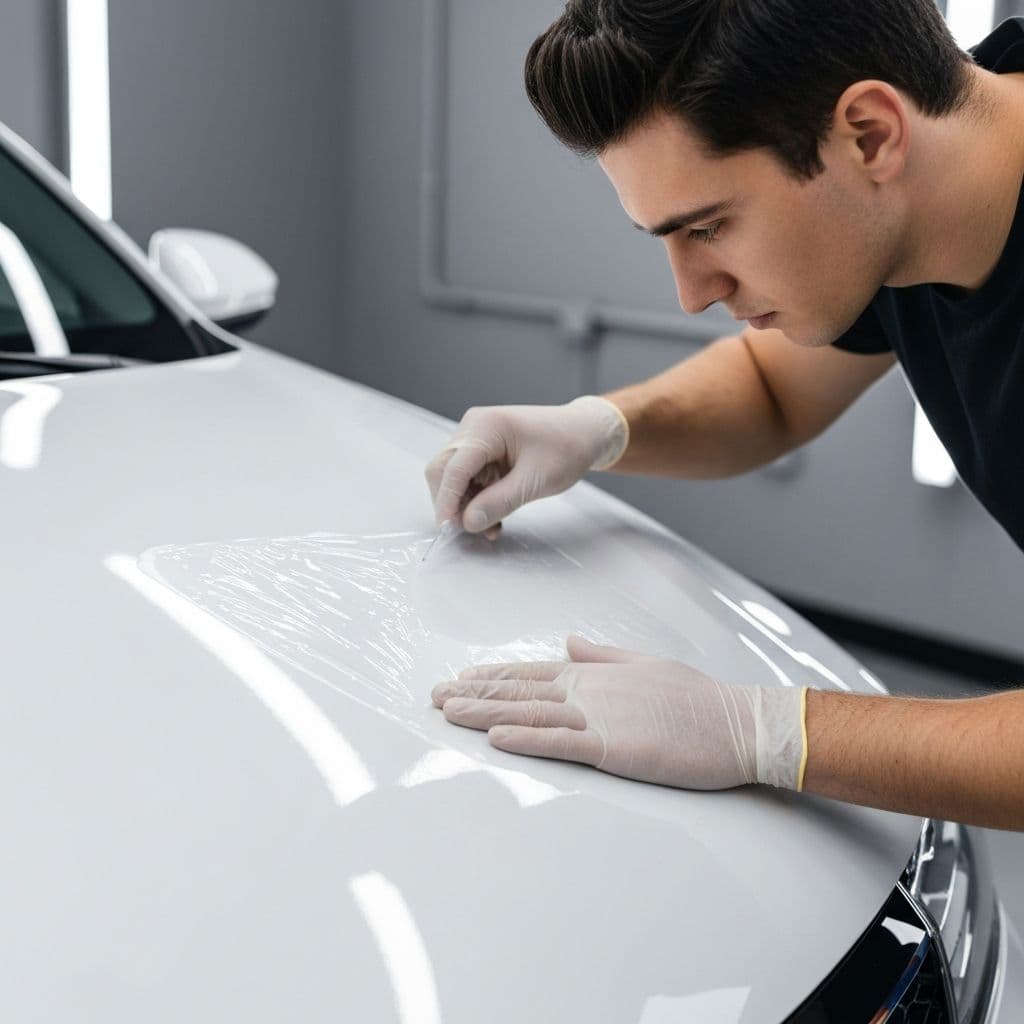
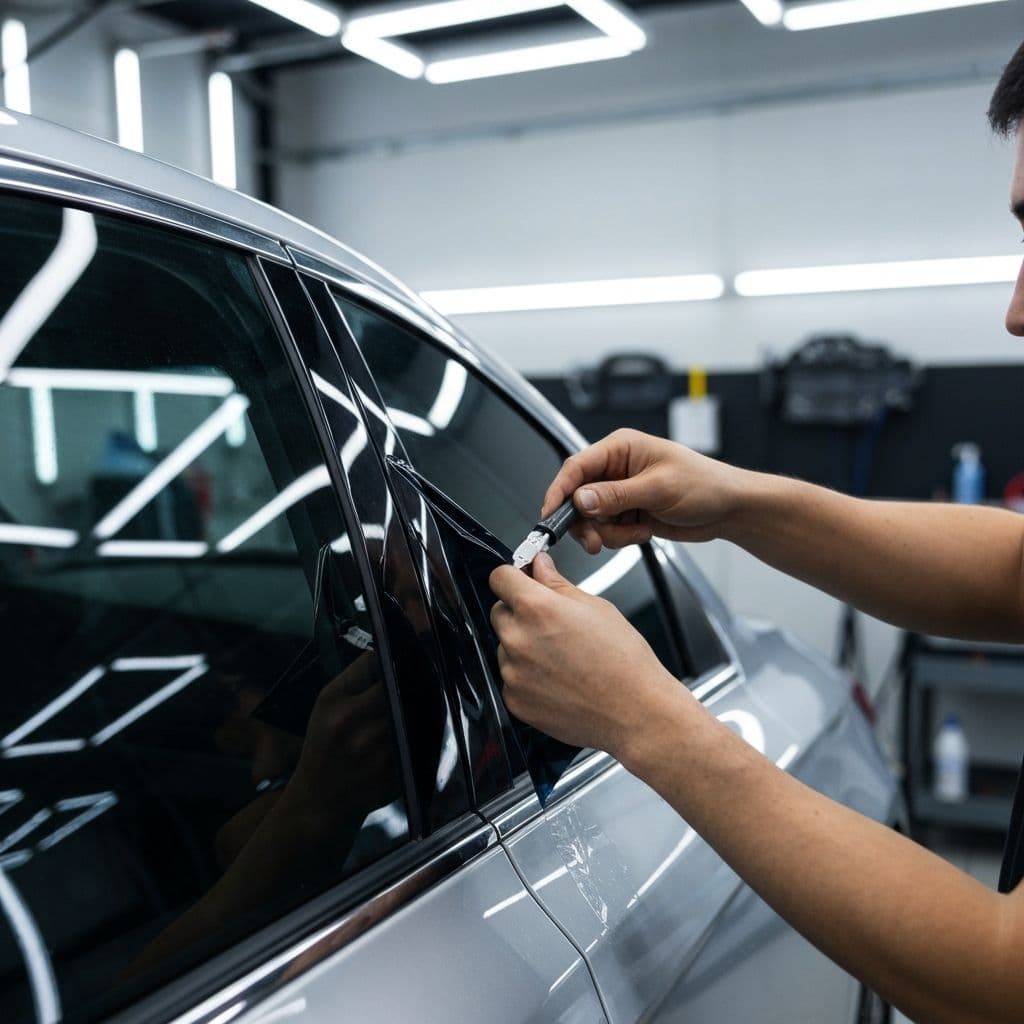
PPF and ceramic coating are often placed in the same paint protection category, but they do not provide the same result. Paint protection film creates a physical layer over vulnerable vehicle surfaces, while ceramic coating mainly improves gloss, water behaviour and cleaning convenience.
For professional PPF installers, detailing shops and automotive restyling businesses, this difference creates more than a product choice. It determines whether the service menu can cover different budgets, driving conditions and protection priorities without forcing every customer into the same package.
The same distinction matters to PPF distributors, PPF wholesale buyers and OEM customers. A product range becomes easier to distribute when installation shops can use it for targeted protection, full front packages and complete vehicle coverage rather than relying only on occasional full body orders.
XPSHELL supports this service structure with clear TPU PPF, professional sample testing, repeat supply planning and private label options. Shops can use the film to build several levels of physical protection while keeping ceramic coating as a separate surface care service. Distributors and OEM buyers can apply the same logic to dealer programmes and locally positioned product lines.
Why Customers Hesitate When PPF and Ceramic Coating Sound Like the Same Service
Customers searching for PPF vs ceramic coating are usually trying to understand where their budget will create the most useful result. When the difference is explained only through price, ceramic coating may look like the easier choice while the value of PPF remains harder to see. A clearer comparison helps detailing shops, professional PPF installers and PPF distributors guide the decision without making either service feel unnecessary.
A service menu becomes difficult to understand when PPF and ceramic coating are described as two prices for the same protection. Ceramic coating then appears to be the more affordable choice, while the additional value of PPF remains unclear.
PPF and ceramic coating should instead be separated by the result they provide.
PPF is intended for areas exposed to stone chips, road debris, light scratches and repeated contact. Ceramic coating is intended for customers who place greater value on gloss, water behaviour and easier routine cleaning.
| Customer priority | Recommended service | Main result | Role in the service menu |
|---|---|---|---|
| Improved gloss and easier maintenance | Ceramic coating | Improves gloss, water behaviour and routine cleaning on suitable painted surfaces | Maintains a clear standalone surface care service |
| Protection for door cups, door edges and loading areas | Targeted PPF | Adds physical protection to small areas exposed to repeated contact | Creates an accessible introduction to PPF |
| Protection from stone chips and motorway debris | Full front PPF | Protects the bumper, full bonnet, front wings and mirrors | Creates a focused road impact protection package |
| Wider paint preservation for luxury and high value vehicles | Full body PPF | Covers exterior painted panels with a wider physical protective layer | Creates a comprehensive paint preservation programme |
| Front impact protection with easier care for the remaining paint | Full front PPF with ceramic coating on the remaining uncovered paint | PPF protects the most exposed front panels while ceramic coating improves the appearance and maintenance of the remaining paint | Creates a balanced package for customers who need physical protection without choosing full body PPF |
This structure allows ceramic coating to retain its own commercial value instead of becoming a cheaper substitute for PPF. It also prevents PPF from being added to every quotation without a clear reason.
XPSHELL fits naturally into the physical protection side of the menu. Its clear PPF can support small contact areas, full front installations and complete vehicle packages, giving shops several ways to introduce the product according to the customer’s actual protection needs.
For PPF distributors, this creates repeat demand from several service levels. For detailing shops, it creates a higher value category without removing ceramic coating from the existing business.
What PPF Protects and What Shops Need to Check Before Choosing a PPF Supplier
For a professional shop, the question is not only what PPF can protect. The film also needs to install cleanly, finish well and remain consistent when the next roll arrives. This is why shops comparing a PPF supplier, PPF wholesale programme or distributor line often look at protection performance together with clarity, adhesive behaviour, stretch and repeat supply. XPSHELL sample testing gives buyers a practical way to check these points before expanding an order.
PPF becomes easier to justify when the protected areas and types of damage are clearly defined. General claims about complete protection are less useful than showing where a physical film layer can reduce everyday wear.
Paint protection film is commonly installed on front bumpers, bonnets, wings, mirrors, door edges, door cups, side skirts and boot loading areas. These surfaces are regularly exposed to road debris, repeated contact or loading wear.
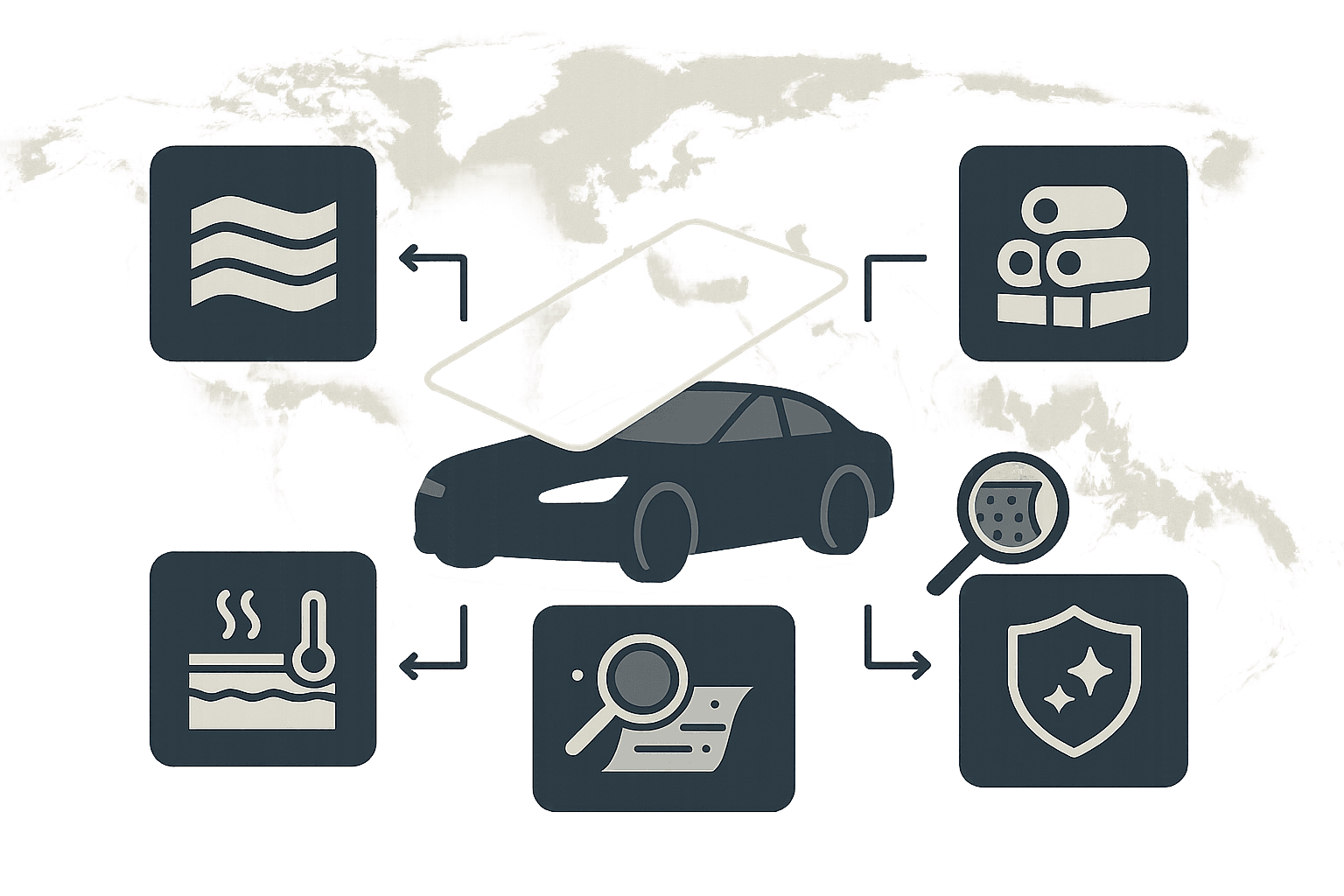
PPF can help protect automotive paint from rock chips, scratches, bug damage, road tar, stains and outdoor exposure. Self healing technology is intended to reduce minor scratches or marks in the film surface when suitable heat is applied. Deep cuts or damage that completely penetrates the film may still require professional replacement.
| Common risk | Relevant vehicle area | Suitable protection approach |
|---|---|---|
| Stone chips and road debris | Bumper, bonnet, front wings and mirrors | Full front PPF |
| Fingernail and hand contact | Door cups and door edges | Targeted PPF |
| Luggage and cargo wear | Boot loading area and rear bumper edge | Loading area PPF |
| Road spray and surface abrasion | Side skirts and lower doors | Lower body PPF |
| Wider daily exposure | All exterior painted panels | Full body PPF |
Protection performance is only one part of a commercially successful installation. Optical clarity, surface texture, adhesive behaviour, stretch, edge stability and consistency between repeat rolls also affect the finished appearance and installation time.
XPSHELL clear TPU PPF is positioned around thermal self healing, a hydrophobic easy clean surface, anti yellowing stability and repeatable optical clarity. Professional sample testing allows installers to evaluate gloss, installation feel, adhesive response and topcoat behaviour before larger PPF wholesale orders are placed.
This gives professional shops a more complete reason to select the product. XPSHELL is not limited to the promise of surface protection. It can also support the installation consistency and finished appearance required for repeatable premium services.
How Ceramic Coating Can Add Value Without Replacing PPF
Detailing shops do not need to choose between keeping ceramic coating and adding PPF. The two services become easier to sell when each one answers a different customer priority. Ceramic coating can remain an attractive appearance and maintenance option, while XPSHELL PPF gives the shop a premium physical protection category for customers concerned about stone chips, contact marks and wider paint preservation.
Ceramic coating adds the most value when it is used to improve surface care rather than being expected to replace a physical film. This keeps the distinction between maintenance benefits and impact protection clear.
Ceramic coating can improve gloss, slickness, hydrophobic behaviour and resistance to some environmental contamination. It can be used as a standalone service on suitable painted surfaces or included in a combined package where each product has a different purpose.
STEK, for example, positions its Final Coat as a ceramic coating compatible with both painted surfaces and its PPF products, while its PPF range already includes hydrophobic and self healing options. This illustrates how coating and PPF can remain separate services or work together when product compatibility has been confirmed.
| Service arrangement | Suitable situation | Value provided |
|---|---|---|
| Ceramic coating only | Appearance and maintenance are the main priorities | Gloss, water behaviour and easier cleaning |
| Targeted PPF only | Specific contact areas need physical protection | Focused protection without broader film coverage |
| Full front PPF | Road debris is the main concern | Physical protection for exposed front panels |
| PPF with compatible coating | Physical protection and additional surface care are both required | Separate benefits from two compatible products |
Ceramic coating is easier to understand when it is presented around the surface care benefits customers already expect from the service. These include improved gloss, a smoother surface feel, hydrophobic behaviour and easier routine cleaning. Keeping the explanation focused on these results helps the service maintain a clear and recognisable position.
Ceramic coating can remain a standalone service for customers whose main priorities are appearance, maintenance convenience and keeping the vehicle looking well cared for. The shop can explain its value through paint preparation, coating performance, suitable vehicle condition and future maintenance expectations.
For detailing shops, this protects the value and pricing logic of an established coating service. Customers choose the service because they want better gloss, water behaviour and easier maintenance, rather than because it has been presented as an additional product attached to another protection package.
Five Questions That Help Shops Recommend the Right Protection Package
Customers asking which paint protection package is worth choosing usually want a recommendation that fits their vehicle use and budget, not the highest priced option on the menu. A few practical questions can make the conversation feel more personal and give professional shops a clearer route towards targeted PPF, full front PPF, full body PPF or ceramic coating. The same answers can also help a PPF distributor or OEM buyer understand which product mix is likely to suit the local market.
A protection package should be shaped by vehicle risk rather than by the highest price available on the menu. Driving conditions, exposed panels and ownership plans reveal whether targeted PPF, full front PPF, full body PPF or ceramic coating is more appropriate.
| Decision question | Information revealed | Likely service direction |
|---|---|---|
| Where is the vehicle normally driven? | Exposure to motorway debris, urban contact or rough roads | Full front PPF, targeted PPF or broader coverage |
| Which type of damage matters most? | Physical impact, surface appearance or cleaning difficulty | PPF, ceramic coating or a combined service |
| Which panels receive the most wear? | Whether full body coverage is necessary | Targeted PPF or complete coverage |
| How long will the vehicle be kept? | The importance of preserving original paint | Practical short term protection or wider preservation |
| What level of investment is appropriate? | The coverage level that can be maintained without removing protection entirely | Smaller protected areas, full front PPF or full body PPF |
This method keeps the recommendation connected to a visible reason. A bonnet exposed to frequent motorway debris supports a front protection package. Door cup wear supports targeted PPF. A vehicle used mainly for urban journeys and regular detailing may require a different balance.
XPSHELL supports this decision process through sample testing before the film becomes part of a paid service. Installation shops can evaluate whether the product fits their current techniques, service standards and expected retail position.
A PPF distributor can use the same sample process when developing installer accounts. Rather than asking a new shop to commit immediately to several products, the distributor can begin with clear PPF testing and service packages that match the shop’s existing customer base.
How Auto Shops Can Build Four Clear Protection Packages Around Different Budgets
Customers considering paint protection often arrive with different budgets, driving habits and expectations. Several clear service levels give shops more room to match real demand instead of making every conversation begin with full body PPF. With premium clear TPU PPF and a more flexible professional purchasing cost, XPSHELL can help a shop protect margin, present a more attractive customer price or include more useful coverage while keeping the service positioned at a high level.
A service menu becomes ineffective when the only meaningful choice is the most expensive package. Clear entry, middle and premium options allow more customers to select useful protection without reducing the entire comparison to price.
| Service path | Suitable demand | Included work | XPSHELL contribution |
|---|---|---|---|
| Surface Care | Gloss, water behaviour and easier cleaning | Paint preparation and ceramic coating | Keeps the menu open to customers who do not require PPF |
| Targeted Protection | Door cups, door edges, loading areas and other contact zones | PPF on selected vulnerable areas | Introduces XPSHELL through a lower commitment service |
| Road Impact Protection | New vehicles and regular motorway driving | Bumper, full bonnet, front wings and mirrors | Positions XPSHELL as the main premium front protection film |
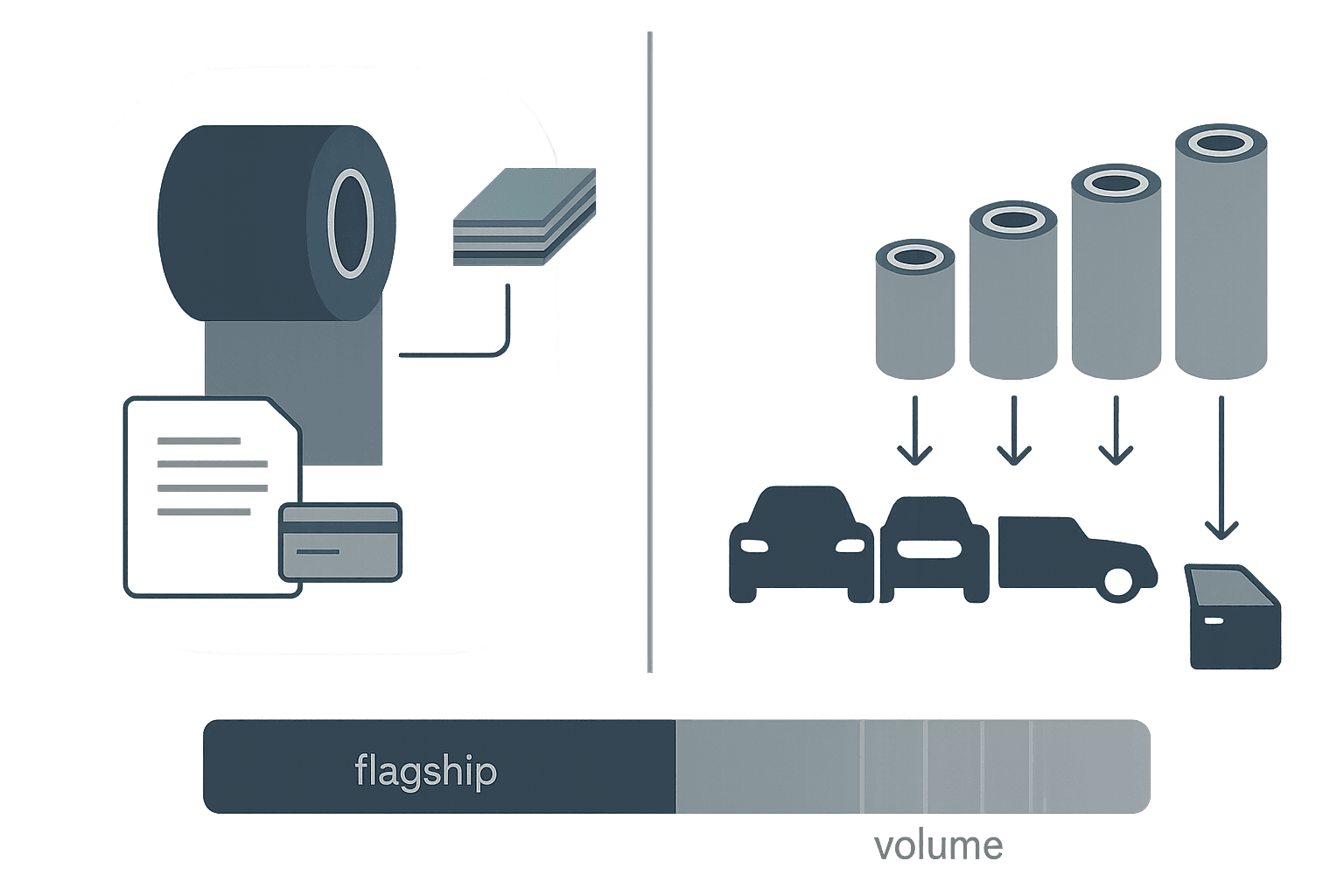
| Complete Paint Preservation | Luxury, collector and high value vehicles | Full body PPF with an optional compatible coating | Creates a flagship XPSHELL installation package |
Where XPSHELL Gives Shops More Commercial Flexibility
The value of a more workable purchasing cost is not limited to selling at a lower price. A shop can decide how much of that room supports margin, customer conversion or additional coverage according to its own market.
| Commercial choice | How the shop can use it | Possible business result |
|---|---|---|
| Keep the established retail price | Use XPSHELL as a premium PPF option while retaining the current package price | More room can remain in the completed project margin |
| Present a more attractive package price | Share part of the purchasing advantage with the customer while keeping professional installation standards | The package may become easier for more customers to accept |
| Add useful coverage or service value | Keep the main price stable and include selected contact areas, inspection or aftercare | The customer receives a clearer reason to choose the package |
| Support installer accounts | Give distributor customers enough pricing room to create local service levels and promotions | PPF distributors can develop healthier repeat demand |
This structure gives each business channel a realistic starting point.
A detailing shop can retain Surface Care as an established service and introduce Targeted Protection to customers who have not previously purchased PPF.
A specialist PPF installer can focus on Road Impact Protection and Complete Paint Preservation, where the installer’s technical ability and finish quality have greater value.
A PPF distributor can use the same structure to plan stock and support different installer accounts. Smaller shops may begin with targeted and front coverage, while established installers may create regular demand through full front and full body work.
XPSHELL can support each physical protection level through one clearly positioned premium PPF range, sample evaluation and repeat supply planning. The product therefore appears throughout the service menu rather than only at the final supplier selection stage.
Which PPF or Ceramic Coating Package Fits Each Customer Type?
A customer comparing PPF and ceramic coating usually wants a quick answer to one question: which package suits the way the vehicle is actually used? Matching the recommendation to driving environment, exposed panels and ownership plans makes the price easier to understand. It also gives detailing shops, PPF installers and PPF distributors a clearer way to present XPSHELL across targeted, full front and full body services.
The right package depends on how the vehicle is used, which surfaces face the greatest risk and what the owner expects from the service. Ceramic coating, targeted PPF, full front PPF and full body PPF are designed for different priorities, so the most expensive option is not automatically the most suitable one.
| Typical customer | Main concern | Recommended package | Why it fits |
|---|---|---|---|
| Urban daily driver | Door cup marks, door edge scuffs and loading area wear | Targeted PPF | Protects small high contact areas without requiring wider vehicle coverage |
| Frequent motorway driver | Stone chips and road debris across the front of the vehicle | Full front PPF | Covers the bumper, full bonnet, front wings and mirrors where impact risk is highest |
| Vehicle owner focused on gloss and easier cleaning | Surface appearance, water behaviour and routine maintenance | Ceramic coating | Improves surface care when physical impact protection is not the main priority |
| New vehicle owner seeking balanced protection | Front impact protection with easier maintenance for the remaining paint | Full front PPF with ceramic coating on the remaining uncovered paint | Protects the highest risk panels while improving gloss and maintenance across the rest of the vehicle |
| Luxury, collector or high value vehicle owner | Wider preservation of original paint and long term vehicle condition | Full body PPF | Provides a physical film layer across exterior painted panels for broader paint preservation |
| Full body PPF customer seeking easier film care | Surface slickness, water behaviour and routine film maintenance | Full body PPF with an optional compatible ceramic coating | The PPF provides the main physical protection, while the coating is used as an optional maintenance upgrade |
This structure helps professional shops recommend coverage according to actual vehicle use instead of presenting PPF and ceramic coating as competing products. It also gives customers a clear reason for choosing a smaller targeted service, a full front package, a combined option or complete vehicle coverage.
For detailing shops, targeted PPF and full front PPF provide practical ways to add physical paint protection without removing ceramic coating from the service menu. Specialist PPF installers can focus on full front and full body projects, while distributors can support different shops according to their customer base and expected film consumption.
For businesses building these service levels, XPSHELL can provide premium clear TPU PPF for targeted, full front and full body applications, together with sample evaluation, PPF wholesale supply, repeat order planning and private label or OEM support. Shops and distributors can test the film first and decide where it fits within their own service menu and market position.
How Better PPF Purchasing Cost Gives Shops More Pricing Flexibility
Premium positioning does not have to mean that every project carries the highest possible material cost. For shops comparing a PPF supplier or PPF wholesale programme, a more workable film cost can create room to protect margin, make the customer price easier to accept or include more service value while preparation and installation standards remain unchanged. This is where XPSHELL combines a premium product position with a commercially attractive supply model.
Premium film alone does not protect service margin. Cleaning, paint inspection, correction work, installation labour and finishing time all contribute to the completed result, but they can disappear when every cost is placed inside one total.
A clear quotation does not need to expose every internal cost. It should, however, separate the main stages so the material price is not mistaken for the entire value of the installation.
| Quotation section | Included value | Commercial benefit |
|---|---|---|
| Surface preparation | Cleaning, decontamination and paint inspection | Makes preparation work visible |
| Paint correction when required | Improvement of suitable defects before film installation | Protects the finished appearance |
| PPF material and coverage | Film required for the selected package | Connects material use to the protected area |
| Installation labour | Positioning, stretching, finishing and inspection | Protects the value of professional installation |
| Optional coating and maintenance | Compatible surface care and future inspection | Keeps optional services clear and separate |
Three Ways Shops Can Use a Better Film Purchasing Cost
XPSHELL does not need to be presented as a low price replacement for an established premium brand. Its commercial value comes from giving professional buyers more choice in how they position the finished service.
| Pricing approach | How it works | Value for the business |
|---|---|---|
| Maintain the current service price | Preparation, labour and retail positioning remain unchanged while the film purchasing cost is easier to control | The shop can retain more project margin |
| Make the package more competitive | Part of the purchasing room is reflected in the customer quotation | More customers may be willing to consider PPF without the shop giving up all of its margin |
| Add more visible value | The shop keeps the main price and includes selected coverage, inspection or aftercare | The offer becomes more attractive without changing its premium positioning |
The same cost logic should be applied when comparing PPF wholesale prices.
A lower roll price may not improve margin if the film requires more repositioning, creates visible adhesive marks or increases wasted panels. Installation time, usable yield and consistency across repeat orders all affect the true commercial cost.
XPSHELL encourages sample testing before scale and documents specifications for repeat supply. Shops can evaluate installation behaviour before finalising retail pricing, while distributors and OEM buyers can align film specifications, packaging and replenishment requirements before production.
This reduces the risk of building a service price around a sample that does not match later supply.
XPEL, STEK and XPSHELL: Choosing a Premium PPF Route for Your Business
Businesses comparing XPEL, STEK and XPSHELL are rarely looking for one universal winner. A shop may value consumer recognition, a styling focused film range or greater control over purchasing, packaging and local positioning. XPSHELL is designed for professional shops, PPF distributors and OEM buyers that want premium clear TPU PPF together with sample testing, commercially attractive PPF wholesale terms, repeat supply planning and private label support.
A premium PPF service depends on more than protection claims. Shops need predictable installation behaviour, distributors need repeat supply, and OEM buyers need enough product and branding control to create a recognisable offer.
XPEL and STEK are established premium routes with recognised product ranges and installer channels. XPEL promotes self healing PPF, professional installation and several product options, while STEK offers hydrophobic and self healing films across clear, matte and appearance focused ranges.
XPSHELL provides a different commercial model. It combines clear self healing TPU PPF with sample testing, PPF wholesale support, repeat supply planning, dealer materials and OEM or private label development.
| Brand | Main commercial strength | Suitable business model | Main purchasing consideration |
|---|---|---|---|
| XPEL | Established consumer brand and professional installer system | Shops that benefit from customers requesting a recognised brand | The value of brand recognition in the local market |
| STEK | Hydrophobic PPF with clear, matte and appearance focused options | Shops combining paint protection with finish and styling services | Which finishes have proven local demand |
| XPSHELL | Clear TPU PPF with sample testing, wholesale supply and private label support | Professional shops, PPF distributors and OEM buyers seeking greater product and market control | Whether the product and supply model support repeatable growth |
XPSHELL is not positioned as the cheapest substitute for XPEL or STEK. Its stronger position is as a premium professional channel option that can be tested, packaged and developed around the buyer’s own market.
For professional PPF shops and detailing businesses, sample pieces or trial rolls allow installation behaviour to be assessed before the product is included in customer packages. Evaluation can cover gloss, clarity, repositioning, adhesive feel, stretch, edge behaviour, hydrophobic performance and self healing response.
For PPF distributors and PPF wholesale buyers, documented specifications, stable replenishment and installer focused positioning make it easier to build a product line that can generate repeat orders rather than one time trial purchases.
For private label and OEM buyers, XPSHELL can align film type, thickness, finish, topcoat target, roll labels, packaging, warranty cards, sample books and dealer materials before production. This allows the finished product to carry the buyer’s own structure and market identity.
XPSHELL therefore contributes throughout the service menu. It can enter through targeted protection, develop into full front installations, support premium full body work and later become the basis of a distributor or private label programme.
FAQ for Auto Shops, PPF Distributors and OEM Buyers
The questions below focus on the decisions businesses usually make before adding PPF, changing a PPF supplier, expanding PPF wholesale orders or developing an OEM product line.
Is PPF Better Than Ceramic Coating?
Neither service is better in every situation. PPF is more relevant to stone chips, scratches, scuffs and physical surface wear. Ceramic coating is more relevant to gloss, water behaviour and easier maintenance.
Can Ceramic Coating Prevent Stone Chips?
Ceramic coating does not form the same physical film layer as PPF. When stone chip protection is the main priority, PPF is the more relevant service.
Can PPF and Ceramic Coating Be Used Together?
Yes. PPF can be installed on vulnerable panels, while ceramic coating can be applied to suitable uncovered paint. A compatible coating may also be used on selected PPF products according to the relevant application requirements.
Which PPF Package Is Suitable for a Detailing Shop?
Targeted contact protection and full front PPF provide practical starting options. They can be added to an existing detailing menu without requiring the shop to replace its ceramic coating services.
What Should Be Checked Before Choosing a PPF Supplier?
Product testing should cover clarity, surface texture, adhesive behaviour, repositioning, stretch, edge stability, self healing response, hydrophobic behaviour and repeat order consistency.
Why Is XPSHELL Suitable for Premium PPF Service Menus?
XPSHELL is positioned as a premium PPF brand for professional shops, detailing businesses, PPF distributors and OEM buyers. Its clear TPU PPF combines optical clarity, high gloss, thermal self healing, hydrophobic surface behaviour and anti yellowing stability.
The same premium film can support targeted protection, full front PPF and full body PPF packages. Sample testing, repeat supply planning, PPF wholesale cooperation and private label support also allow businesses to develop the product according to their own service structure and target market.
Does XPSHELL Support PPF Wholesale and Distributor Customers?
Yes. XPSHELL supports sample testing, wholesale pricing discussions, repeat supply planning, distributor positioning and installer focused sales materials.
Does XPSHELL Support Private Label and OEM Projects?
Yes. XPSHELL supports product selection, film specifications, roll labels, packaging, warranty materials, sample books and dealer materials for private label and OEM buyers.
Can Professional Shops Test XPSHELL Before a Larger Order?
Yes. Professional buyers can request sample pieces or trial rolls to assess installation behaviour, clarity, gloss, hydrophobic performance and self healing response before moving to larger PPF wholesale orders.
Professional PPF shops can begin with XPSHELL sample testing and build targeted, full front or full body packages around proven installation results. PPF distributors can discuss wholesale supply and local installer development. OEM buyers can create a private label range with product specifications and packaging aligned to their own markets.
References and Product Sources
The following pages provide product and service information referenced during the preparation of this article.
[1] XPEL Automotive Paint Protection Film(https://lp.xpel.com/discover-automotive-ppf)
[2] XPEL ULTIMATE PLUS Paint Protection Film(https://www.xpel.com/products/ultimate-plus)
[3] STEK Paint Protection Film(https://www.stek-usa.com/paint-protection-film/)
[4] STEK Final Coat Ceramic Coating(https://www.stek-usa.com/formula-car-care/final-coat-ceramic-coating/)
[5] 3M Scotchgard Paint Protection Film Pro Series 200(https://www.3m.com/3M/en_US/p/d/b5005352002/)
[6] XPSHELL Paint Protection Film and B2B Supply(https://xpshell.com/)
[7] XPSHELL OEM PPF and Private Label Film Programs(https://xpshell.com/oem)