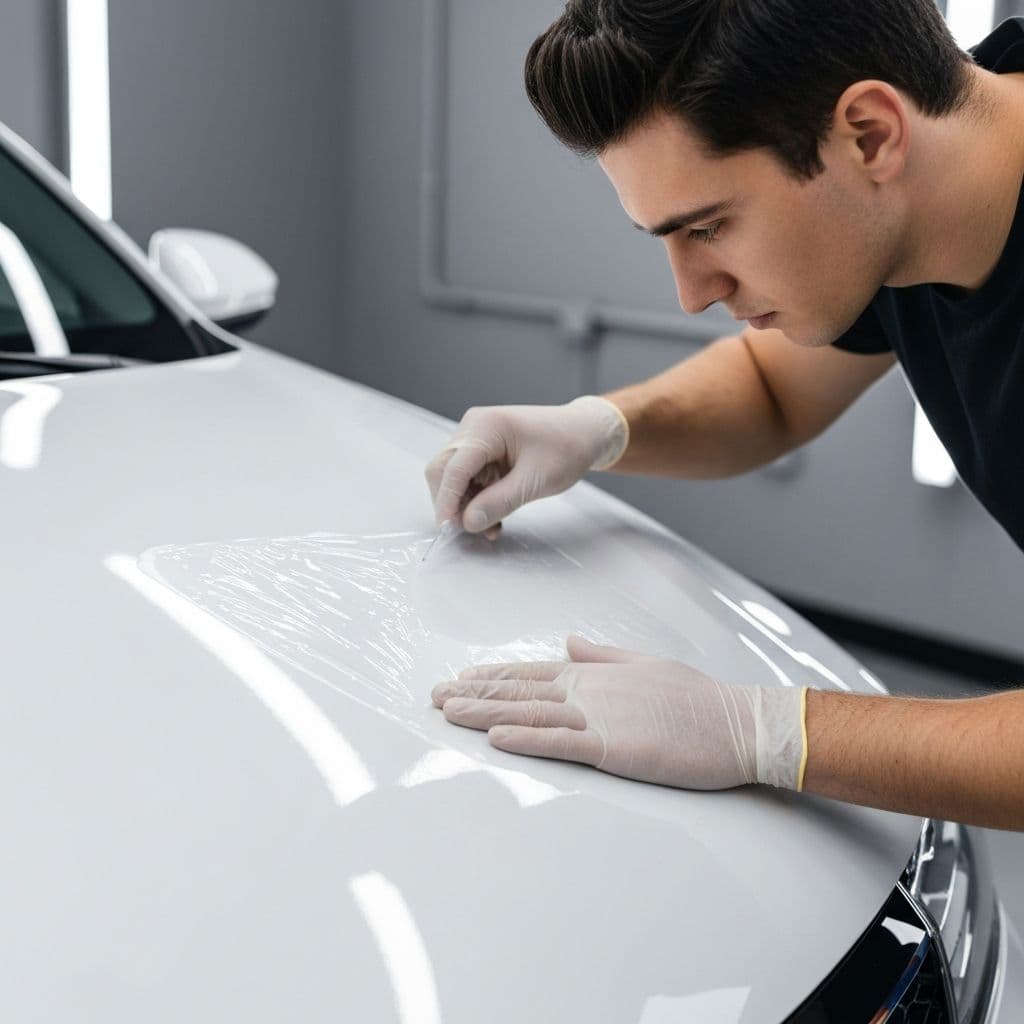
A customer watches water bead across a freshly installed PPF panel and asks the question many shops find difficult to answer: “If the film is already hydrophobic, what am I paying for when ceramic coating is added?”
For a professional PPF installer or detailing shop, saying that ceramic coating provides “more protection” is not enough. The PPF already provides a physical film layer, while some premium PPF products also include a hydrophobic top coat designed to improve water behaviour and routine cleaning.
The better question is whether the additional coating produces a difference that the customer can see, feel or use. Depending on the exact product combination, that difference may involve surface slickness, water movement, gloss, contaminant release or washing convenience. It does not automatically appear on every PPF.
For PPF distributors and OEM buyers, the decision goes beyond one customer vehicle. An unverified combination can create inconsistent dealer claims, unclear care instructions and unnecessary warranty questions. A validated combination, however, can become a credible optional upgrade that shops know how to explain and deliver.
XPSHELL follows a practical B2B approach: hydrophobic PPF should first be able to stand on its own as a complete product. Shops, distributors and OEM buyers can then test whether a selected compatible coating creates enough additional value for their customers and market.
Why Hydrophobic PPF Does Not Automatically Need Ceramic Coating
When every PPF customer is told that ceramic coating is compulsory, the shop may unintentionally make the film sound incomplete. That is difficult to justify when the PPF already provides the surface behaviour the customer expected to receive.
Some Premium PPF Products Already Include a Hydrophobic Top Coat
A hydrophobic PPF top coat is part of the film construction. It is already present when the installer receives the roll and remains on the film after installation.
XPEL describes ULTIMATE FUSION as a clear-coated hydrophobic polyurethane film with a slick, optically clear and easy-to-clean surface. STEK states that DYNOshield includes a ceramic-infused hydrophobic top coat intended to provide water beading and easier maintenance. These product-specific examples show that hydrophobic performance can already be built into the film.
This does not mean that every PPF is equally hydrophobic. Film construction, top coat chemistry and product positioning vary by brand and series. Shops should confirm the exact specification instead of applying one premium product description to the entire PPF category.
Hydrophobic PPF Can Be a Complete Product Without Another Coating
PPF does not depend on ceramic coating to perform its primary physical role. The film layer remains responsible for helping reduce direct exposure of the paint to stone chips, road debris, light scratches and abrasion.
If the original PPF surface already provides the slickness, water repellency and cleaning experience expected by the customer, adding ceramic coating may produce only a small difference.
This gives XPSHELL shops a clearer sales position. XPSHELL hydrophobic PPF can be offered as a complete paint protection product, while ceramic coating remains an optional service for customers who value an additional and verified surface improvement.
What Is the Correct Installation Order?
Confusing the installation order can turn a simple customer question into a real adhesion problem. Applying a coating over installed PPF is not the same process as applying PPF over previously coated paint.
Install the PPF First
When this article refers to ceramic coating over PPF, it means that the PPF is installed first on properly prepared paint. A compatible coating is then applied to the outer surface of the film according to the instructions for the selected products.
After application, the coating becomes the first surface contacted by water, dirt, wash chemicals and towels. It does not become another PPF layer and should not be sold as one.
Existing Ceramic Coating on Paint May Need to Be Removed
3M states that PPF should not be installed over an existing ceramic coating and that the coating should be professionally removed before the film is applied. The same 3M guidance confirms that its ceramic coating may be applied over installed 3M PPF.
This is a product-specific requirement. Shops should follow the instructions for the actual PPF and coating being used rather than assuming every brand uses exactly the same preparation process.
There Is No Universal Waiting Period
The correct waiting period depends on the film and coating system. For example, 3M instructs users of Scotchgard PPF Pro Series 200 to apply specified 3M coating products three to six months after PPF installation, while other product systems may use a different schedule.
A professional shop should therefore avoid telling customers that every coating can be applied immediately or that every PPF requires the same waiting time.
What Can Ceramic Coating Actually Change on PPF?
Customers are unlikely to pay more simply because another bottle was used. They are more interested in whether the additional service creates a difference they can notice during ownership.
XPEL positions FUSION PLUS Paint and PPF as a flexible, thin coating developed for PPF and painted surfaces, with claims around gloss, hydrophobicity and improved scratch resistance. STEK positions Final Coat as a coating designed for its already hydrophobic PPF products, with improvements in slickness, depth and cleaning convenience.
| Evaluation Area | Hydrophobic PPF Alone | Possible Change After a Compatible Coating | What the Shop Should Verify |
|---|---|---|---|
| Water movement | Determined by the original PPF top coat | Water may move faster or form more consistent beads | Compare under the same water volume, panel angle and temperature |
| Surface slickness | Original surface feel of the PPF | The coated surface may feel smoother | Compare after curing and repeated washing |
| Gloss and depth | Original finish of the PPF | Gloss PPF may appear deeper or more reflective | Inspect under workshop lighting and daylight |
| Contaminant release | Depends on the original PPF surface | Some dirt and contamination may become easier to remove | Use controlled contaminants and a fixed cleaning process |
| Routine washing | Normal PPF maintenance process | Washing may require less repeated wiping | Repeat the shop’s normal wash method |
| Physical impact protection | Mainly provided by the PPF film layer | The coating does not create another comparable PPF layer | Do not describe the coating as doubled stone-chip protection |
The word “possible” is important. Results depend on the exact PPF, coating, surface preparation, application, curing and maintenance conditions.
For XPSHELL distributors, this creates a useful product story. The XPSHELL film provides the original hydrophobic PPF baseline, while the shop may add a separately selected compatible coating only when testing shows a clear additional result.
Why Water Beading Does Not Represent the Whole Performance Story
A dramatic water video can attract attention, but repeat business depends on what remains after the camera is turned off. Water beads alone do not show whether a coating is compatible, durable or easier to maintain.
Water Beading Does Not Prove Easier Stain Removal
A surface can form tight water beads without necessarily releasing insect residue, road film, mineral deposits or other contaminants more easily.
Water behaviour and contaminant release should be tested separately. One water demonstration should not be used to support every cleaning and stain-resistance claim.
First-Day Performance Does Not Show Wash Durability
A freshly applied coating may show its strongest initial slickness and water response. The more useful question is whether a clear difference remains after full curing and repeated washing.
If the difference becomes difficult to identify after normal maintenance, it may not support a separate long-term service promise.
Beading Does Not Prove Compatibility
A coating may create impressive beading but still change the intended finish, leave residue near edges or react poorly with the shop’s normal maintenance chemicals.
A useful evaluation should therefore include surface uniformity, gloss, contaminant release, cleaning-product compatibility, self-healing response and performance after repeated washing.
Which Customers Care About Which Results?
A shop loses opportunities when every customer receives the same answer. Some customers mainly want physical protection, while others care more about finish, touch, washing convenience or maintaining a premium vehicle appearance.
| Customer Situation | What the Customer Values | Suitable Recommendation | How the Shop Can Explain It |
|---|---|---|---|
| Mainly concerned about stone chips and road debris | Physical film protection and sensible maintenance | Hydrophobic PPF without compulsory coating | The PPF already provides the main physical protection and an easy-to-clean surface |
| Full-body PPF customer seeking a premium finish | Surface slickness, gloss and refined appearance | PPF with a validated compatible coating | Recommend the coating only when the visual or tactile difference remains clear after testing |
| Dark gloss vehicle owner | Visual depth, reflection and easier routine cleaning | Test the coating on the selected gloss PPF before recommending it | Show the customer a real coated and uncoated comparison |
| Matte or satin PPF customer | Preservation of the intended sheen and uniform finish | Use only a finish-compatible coating after sample testing | Appearance stability matters more than stronger water beading |
| Customer who returns regularly for professional detailing | Controlled maintenance and consistent surface condition | PPF with an optional validated coating and care plan | Regular professional care makes the additional surface benefit easier to maintain |
| Customer who frequently uses brush washes or unsuitable chemicals | Low-maintenance expectations | Hydrophobic PPF with clear care guidance | Do not sell ceramic coating as a maintenance-free solution |
| Existing PPF customer asking for easier cleaning | Improved maintenance without replacing the current film | Inspect the PPF before testing a compatible coating | Film age, contamination, damage and finish must be checked first |
This keeps the recommendation connected to a real customer priority. The shop is not trying to attach ceramic coating to every PPF order. It is identifying where the additional service creates a result the customer actually values.
When Is Ceramic Coating Over PPF Worth Offering?
The upgrade becomes attractive when the result survives more than the first demonstration. A service is easier to price and explain when the shop can show a repeatable difference.
The Coating Creates a Clear Maintenance Benefit
If controlled testing shows that routine contamination releases more easily and washing requires less repeated wiping, the coating has a practical benefit that customers can understand.
Slickness Remains Noticeably Better After Washing
Some premium customers care strongly about how the finished surface feels. If the coated section remains noticeably slicker after curing and repeated washing, the shop has a result that can be demonstrated without exaggerating physical protection.
Gloss PPF Shows a Visible Finish Improvement
A compatible coating may add depth or reflectivity to gloss PPF. The upgrade becomes easier to justify when the difference is visible under both workshop lighting and daylight.
The Combination Has Been Fully Documented
The shop should know the exact film, coating, preparation process, curing conditions and suitable maintenance products.
A documented combination allows installers, sales staff and after-sales teams to use the same instructions and avoid contradictory promises.
When Does the Upgrade Add Little Value?
Adding another product does not automatically create a better package. When the difference is small, temporary or difficult to use, the extra service may raise expectations more than it raises customer value.
The Original PPF Already Meets the Customer’s Needs
If the original hydrophobic PPF already delivers the required water repellency, slickness and cleaning experience, another coating may add little practical value.
For XPSHELL shops, this is not a lost sale. It reinforces the position that XPSHELL PPF is a complete product rather than a film that needs another product to become usable.
The Difference Disappears After Normal Washing
If the stronger beading or slickness becomes difficult to identify after a few normal wash cycles, it may not support a meaningful long-term service promise.
Compatibility Has Not Been Confirmed
A general ceramic coating designed mainly for painted surfaces should not automatically be treated as suitable for every PPF.
If neither supplier can provide relevant guidance, sample testing should be completed before the combination is sold.
The Coating Changes the Intended Finish
Stronger water beading does not compensate for unwanted gloss, darkening, haze or patchiness on matte and satin PPF.
The Customer Will Not Follow Basic Care Requirements
Ceramic coating can support easier cleaning, but it cannot eliminate washing or prevent all contamination.
3M recommends hand washing where possible, avoiding rough scrubbing and abrasive tools, and removing difficult contaminants appropriately. This illustrates why even protected surfaces still require suitable care.
Gloss, Matte and Satin PPF Need Different Compatibility Checks
A coating that improves one finish can weaken the visual value of another. Treating all PPF surfaces as identical creates an unnecessary risk for shops selling premium results.
STEK states that Final Coat can be used on gloss and matte surfaces. It also explains that the coating can make gloss surfaces appear richer while giving matte surfaces a slightly more satin sheen. This is a product-specific example of why appearance must be included in compatibility testing.
| PPF Finish | Possible Concern | What Should Be Checked |
|---|---|---|
| Gloss PPF | Haze, uneven reflection, residue or loss of clarity | Gloss, optical clarity, levelling and residue removal under different lighting |
| Matte PPF | Increased sheen, darkening or local patchiness | Whether the coating preserves the intended matte appearance |
| Satin PPF | Change in sheen level or inconsistent visual depth | Uniformity across large panels, edges and repaired areas |
Approval on gloss PPF should not automatically be extended to matte or satin products.
For XPSHELL distributors developing several finishes or future product tiers, each finish should have its own coating guidance rather than one general compatibility statement.
Will Ceramic Coating Affect PPF Self-Healing?
This is where confident sales language can become risky. A shop should not promise that ceramic coating improves self-healing or that it has no effect at all without checking the exact combination.
Self-Healing Mainly Comes From the PPF System
Self-healing behaviour is mainly determined by the film construction and top coat. XPEL ULTIMATE FUSION and several STEK DYNO products are specific examples of PPF marketed with self-healing surface technology. 3M also describes self-healing as the disappearance of minor marks when heat is applied to relevant films.
These descriptions apply to the specified products and minor surface marks. They should not be expanded into a claim that all PPF self-heals or that deep cuts can recover.
Ceramic Coating Changes the Outermost Surface
After ceramic coating is applied, it becomes the first layer affected by washing, light marks and contamination.
Its effect on self-healing depends on the exact film, coating flexibility, coating thickness, bonding and application process.
The safest approach is to compare coated and uncoated sections of the same PPF sample. XPSHELL samples make this comparison practical before the combination reaches a paying customer.
How to Compare the Same PPF With and Without Ceramic Coating
A customer vehicle is an expensive place to discover that two products do not work well together. A controlled comparison provides a safer and more convincing basis for the service.
Step 1: Establish the Original PPF Baseline
Install the selected PPF on a suitable painted test panel.
Before applying any coating, record the film series, batch, finish, gloss, clarity, slickness, water behaviour, contaminant clean-up and self-healing response.
Step 2: Divide the Same Film Into Two Areas
Keep one area in its original condition and apply the proposed coating to the other.
Using the same film, batch, panel and installation method reduces unrelated variables.
Step 3: Record the Coating Process
Record the coating product, batch, surface preparation, application quantity, temperature, humidity and curing requirements.
This is particularly important for PPF distributors because another installer or dealer may need to reproduce the result.
Step 4: Compare After Curing
Compare both areas under the same water, temperature and lighting conditions.
Check water movement, slickness, gloss, uniformity, residue, contaminant release and self-healing response.
Step 5: Repeat the Test After Washing
Use the shop’s normal wash method and suitable cleaning products.
Repeat the comparison after several wash cycles instead of making the decision from the first day alone.
| Validation Stage | What to Record | Why It Matters |
|---|---|---|
| Original PPF baseline | Film, batch, finish, water behaviour, gloss and slickness | Shows what the PPF already provides |
| Coating application | Product, batch, preparation, method and quantity | Makes the process repeatable |
| Curing | Temperature, humidity, dry period and full cure time | Prevents premature evaluation |
| Initial comparison | Water movement, slickness, gloss and uniformity | Identifies the immediate change |
| Wash comparison | Performance after repeated washing | Checks whether the value remains |
| Compatibility review | Self-healing, edges, residue, finish and cleaning chemicals | Identifies risks before customer installation |
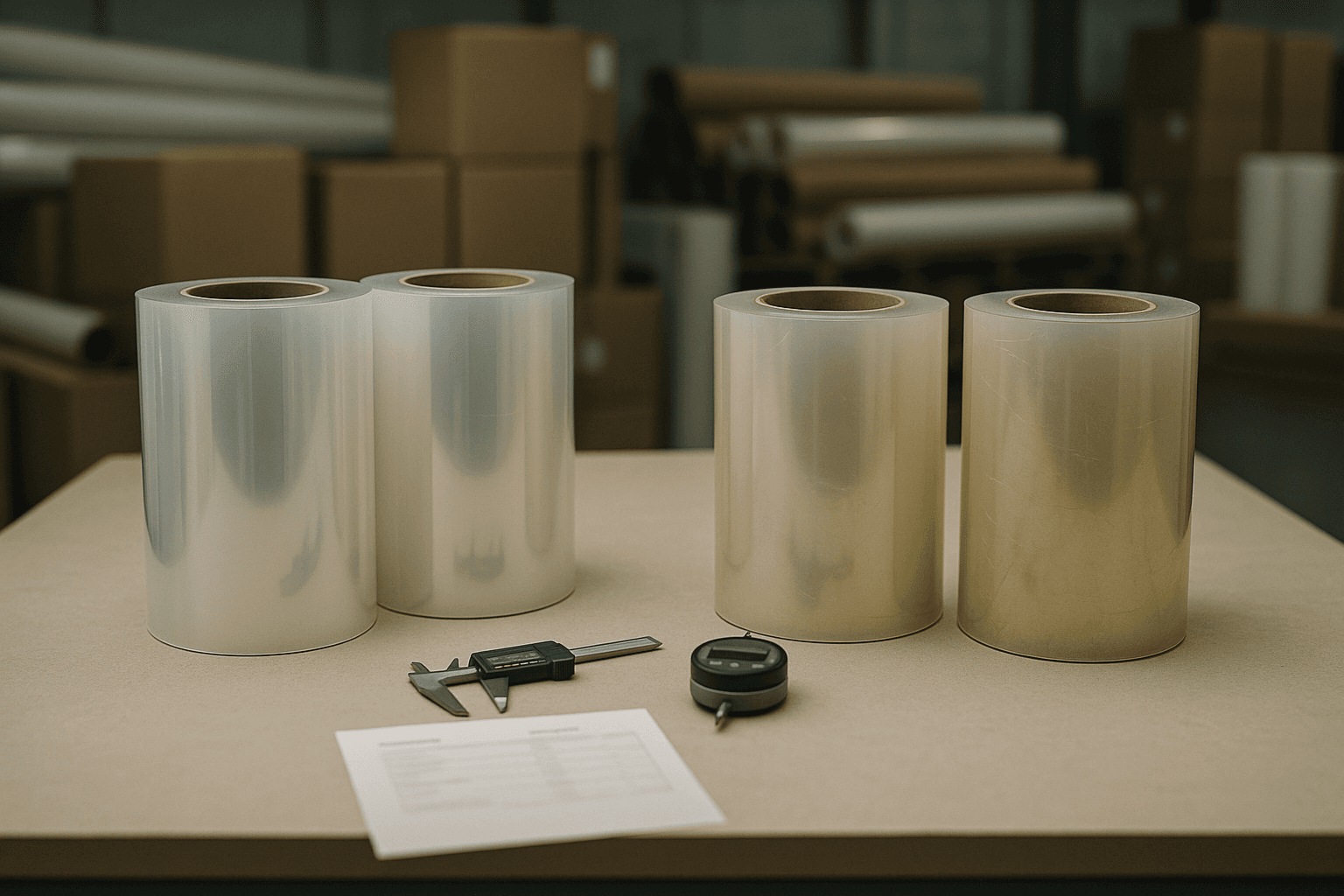
XPSHELL can provide a 2-metre clear PPF sample for professional evaluation, subject to the selected series and current sample availability. This gives shops and distributors enough PPF material to evaluate installation behaviour and original hydrophobic performance and to run their own coated and uncoated comparison before moving to larger PPF orders.
A Simple Service Menu Position for PPF Shops
A service menu does not need several complicated packages to explain this decision. It only needs to separate the complete PPF product from the optional verified surface upgrade.
| Service Option | Suitable Customer | Main Message |
|---|---|---|
| XPSHELL hydrophobic PPF | Customers who want physical film protection with an easy-to-clean surface | The PPF is a complete product and does not require compulsory ceramic coating |
| Hydrophobic PPF with a separately selected compatible coating | Customers who value additional slickness, finish or maintenance benefits | The coating is an optional surface upgrade, not another PPF layer |
| Existing PPF inspection before coating | Customers who already have PPF and want easier care | Inspect film age, contamination, damage, finish and compatibility first |
This is enough to help the customer understand the difference without repeating a complete partial, front-end and full-body coverage package structure.
Why XPSHELL Fits This Technical and Commercial Approach
A B2B buyer needs more than a film that looks impressive during one water test. The product must be understandable to sales staff, workable for installers and repeatable for future orders.
XPSHELL PPF Does Not Need Compulsory Ceramic Coating
XPSHELL hydrophobic PPF can be evaluated, installed and sold as a complete product.
This allows shops to offer the film confidently to customers who mainly want physical protection and easier routine care without making the basic PPF service sound incomplete.
Sample Testing Gives Buyers More Control
Professional shops and distributors can first evaluate XPSHELL clarity, installation feel, adhesive response, hydrophobic behaviour and self-healing response.
They can then apply a compatible coating selected by the shop to part of the same PPF sample and decide whether the additional result is strong enough to support another service.
The Result Can Be Carried Into Wholesale and OEM Planning
XPSHELL supports PPF wholesale, distributor supply, OEM projects and private-label cooperation.
Buyers can discuss PPF specifications, packaging, roll labels, warranty materials, manuals, PPF samples and repeat-order requirements. For buyers who also want to complete a complementary ceramic coating product line, XPSHELL can support product-structure planning, packaging, labels, manuals and dealer materials while keeping the coating line separate from the core PPF positioning.
This makes XPSHELL more than a roll supplier. It gives professional buyers a practical foundation for building a product and service system that fits their market.
Frequently Asked Questions
Does Hydrophobic PPF Need Ceramic Coating?
Not necessarily. Hydrophobic PPF may already provide water repellency, surface slickness and easier routine cleaning through its original top coat.
Ceramic coating should remain optional unless testing confirms an additional result that is useful to the customer.
Is Ceramic Coating Applied Before or After PPF?
Ceramic coating over PPF means that the PPF is installed first. A compatible coating is then applied to the outer surface of the film.
A pre-existing coating on the paint may affect film preparation and adhesion and should be handled according to the PPF manufacturer’s instructions.
Can Any Ceramic Coating Be Applied Over PPF?
No. The coating should be confirmed for PPF, flexible film or the exact selected film system.
Good water beading alone does not prove compatibility.
What Does Ceramic Coating Add to Hydrophobic PPF?
A compatible coating may improve slickness, change water movement, add visual depth, help some contaminants release more easily or make routine washing more convenient.
The result depends on the exact film, coating, preparation, curing and maintenance conditions.
Why Is Water Beading Not Enough to Judge Performance?
Water beading does not confirm stain release, chemical compatibility, finish stability, self-healing response or performance after repeated washing.
These areas should be tested separately.
Will Ceramic Coating Affect PPF Self-Healing?
The result depends on the exact PPF and coating combination.
The safest method is to compare coated and uncoated sections of the same PPF sample and follow the instructions from both product suppliers.
Can Ceramic Coating Be Used on Matte or Satin PPF?
Only when the coating is confirmed as suitable for the selected finish.
A coating may change sheen, colour depth or uniformity, so a sample test should be completed before customer installation.
Does XPSHELL PPF Require Ceramic Coating?
No. XPSHELL hydrophobic PPF can be evaluated, installed and sold as a complete product.
A compatible coating can be offered as an optional upgrade only after testing confirms a clear additional benefit.
References
[1] XPEL ULTIMATE FUSION Technical Data Sheet(https://www.xpel.com/web-assets/downloads/xpel-ultimate-fusion-tds-rev02172022.pdf)
[2] XPEL FUSION PLUS Paint and PPF Technical Data Sheet(https://www.xpel.com/web-assets/downloads/XPEL_Fusion_Plus_CC_Paint_PPF_TDS.pdf)
[3] STEK DYNOshield Hydrophobic Paint Protection Film(https://www.stek-usa.com/paint-protection-film/dynoshield/)
[4] STEK Final Coat Ceramic Coating(https://www.stek-usa.com/formula-car-care/final-coat-ceramic-coating/)
[5] 3M Paint Protection Film Installation Guideline(https://multimedia.3m.com/mws/media/2319229O/3m-paint-protection-film-installation-guideline.pdf)
[6] 3M Support for Car Personalization(https://www.3m.com/3M/en_US/car-personalization-us/support/)
[7] 3M Paint Protection Film Product Care(https://www.3m.com/3M/en_US/car-personalization-us/resources/product-care/)