Paint protection film buyers often start with one simple question: which PPF manufacturer is the best? That sounds easy, but the answer is not. Real-world conversations among installers, car owners and distributors get complicated fast. Some focus on brand names. Some ask where the film is made. Some care about warranty. Others say the installer matters more than the film.
The truth is somewhere in the middle.
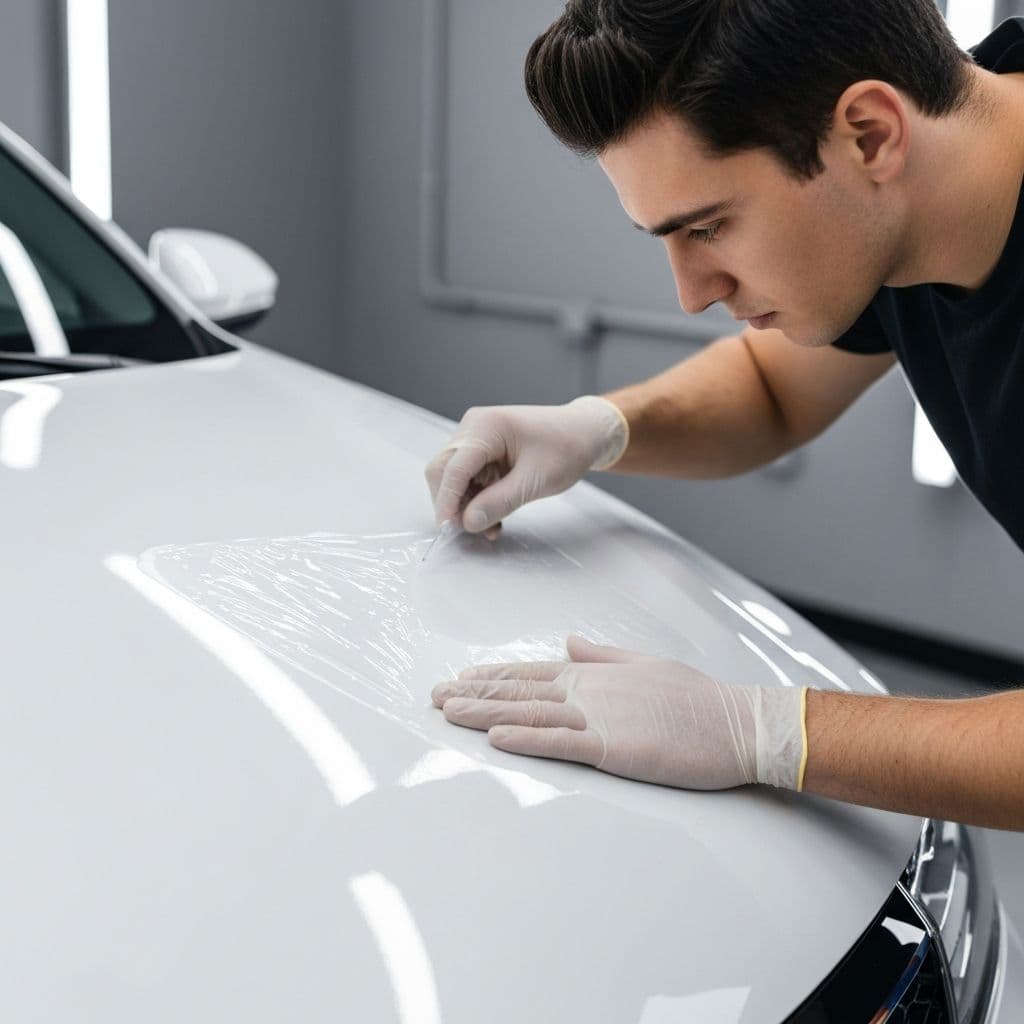
A good PPF needs reliable TPU film, stable adhesive, a clear top coat, low orange peel, strong stain resistance and consistent production. But even the best film can look bad with a poor install. At the same time, a skilled installer still needs film with good optical clarity, clean stretch behavior and long-term durability.
This guide breaks down what to look for when comparing PPF manufacturers, a PPF distributor, a STEK distributor, or any brand claiming to offer premium optical PPF film.
Why PPF Manufacturer Research Is So Confusing
The PPF industry is not always transparent. Many brands sell film under their own labels, but not every brand owns a factory. Some companies are true manufacturers. Some are distributors. Some are private-label brands. Different products may use similar source materials but ship to different markets with different warranties, packaging and support.
That is why buyers often see overlapping claims from many brands:
- Self-healing top coat
- Hydrophobic PPF surface
- 7.5 mil or 8 mil thickness
- 5-year, 7-year or 10-year warranty
- High gloss finish, anti-yellowing
- Strong stain resistance and high optical clarity
- Easy installation
Those claims are useful, but they are not enough. You need to know how the film performs on the car, how the installer handles it, and whether the supplier can support you after the sale.
PPF Manufacturer vs PPF Distributor vs Brand
Before comparing products, separate three roles.
PPF Manufacturer
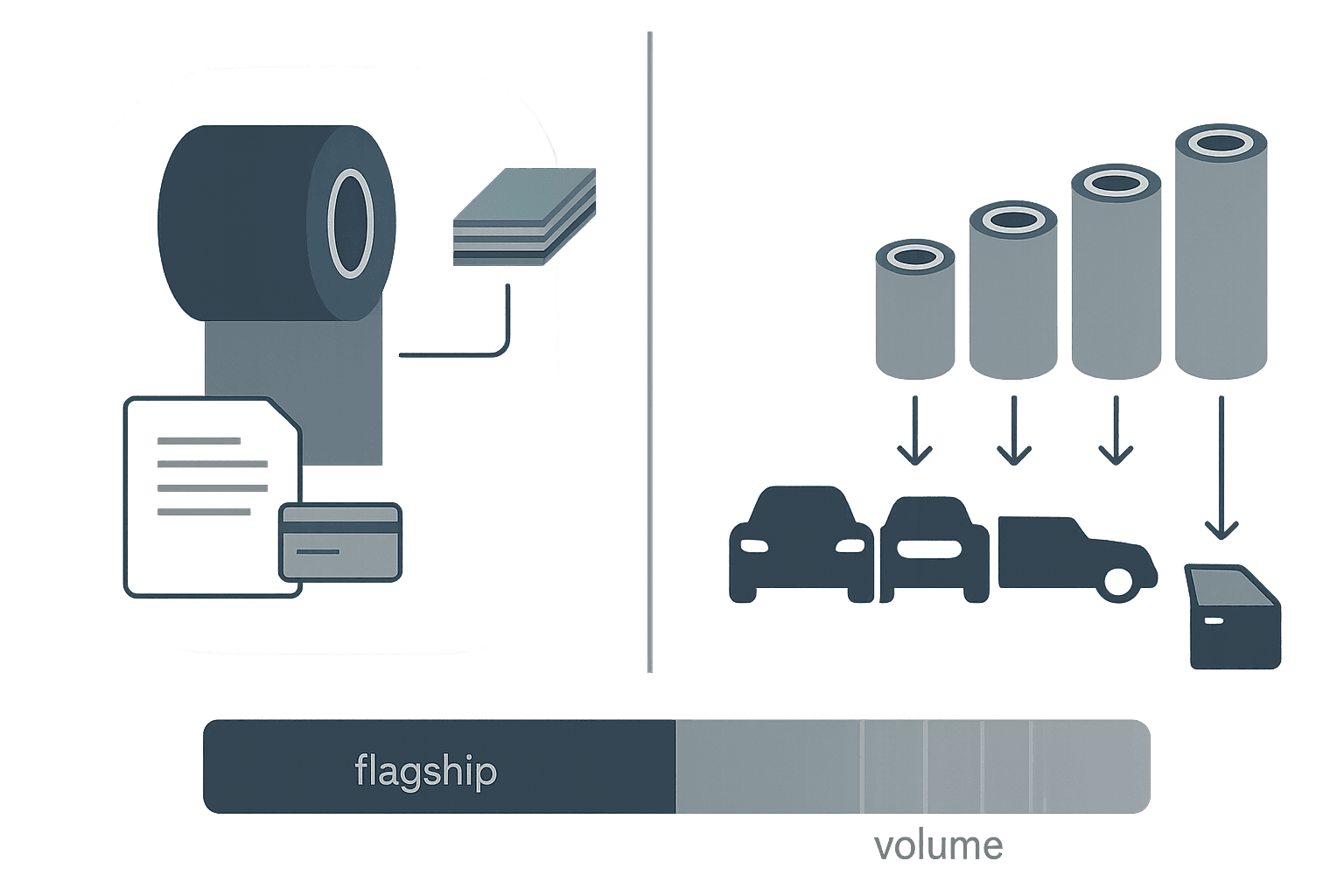
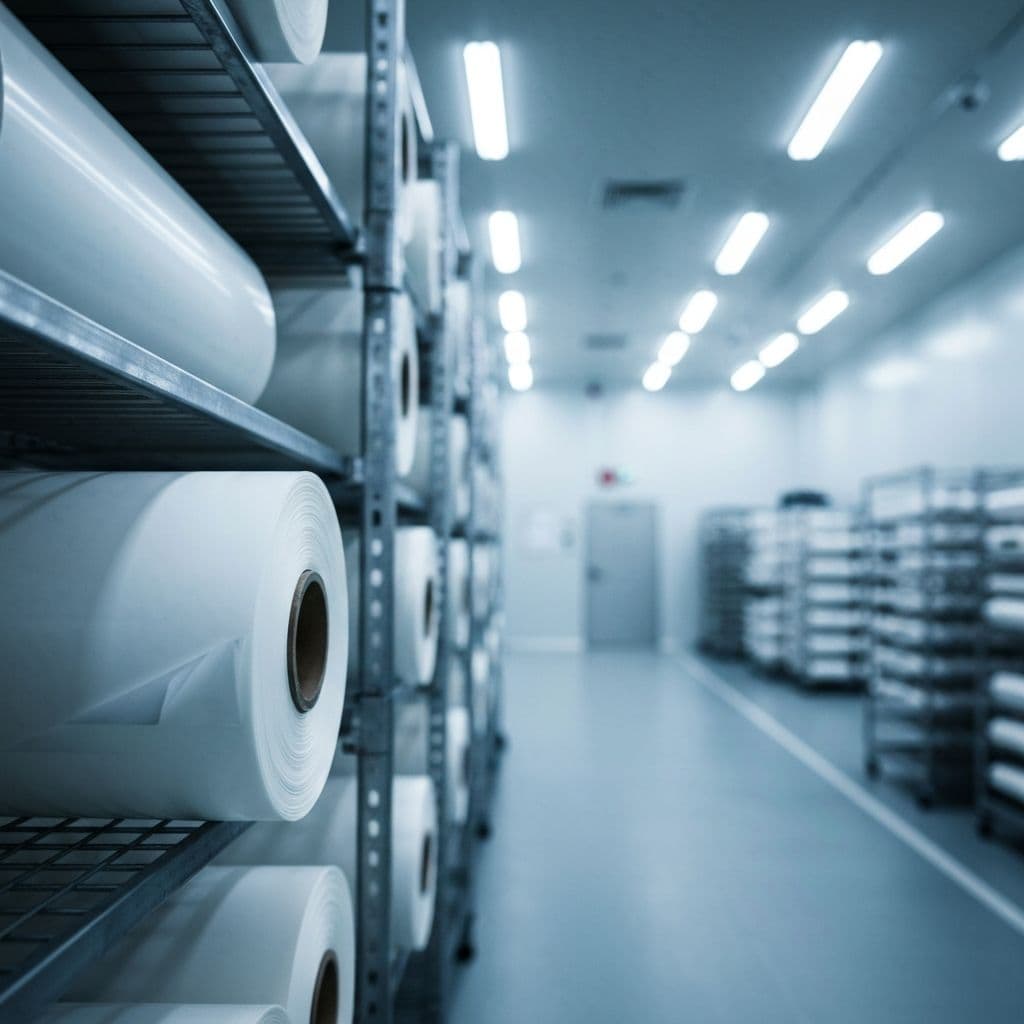
A PPF manufacturer produces or controls the film manufacturing process: TPU film extrusion, coating, adhesive application, release liner selection, quality control and roll conversion. A real manufacturer should provide spec sheets, warranty terms, batch consistency data, technical support, stable supply, and OEM / private-label capability if needed.
PPF Distributor
A PPF distributor sells film into a specific market or region. A good distributor matters because local support is critical. If there is a warranty issue, delivery delay, cutting-software glitch or installer-training problem, the distributor is your first point of contact.
Brand or Private Label
A brand may or may not own production. Some brands focus on marketing, dealer networks and packaging. That does not automatically mean the product is bad—a private-label product can still be excellent if the supply chain, QC and warranty are strong. The key is not whether a brand sounds famous; the key is whether the product and support system are reliable.
What Buyers Should Compare Before Choosing PPF
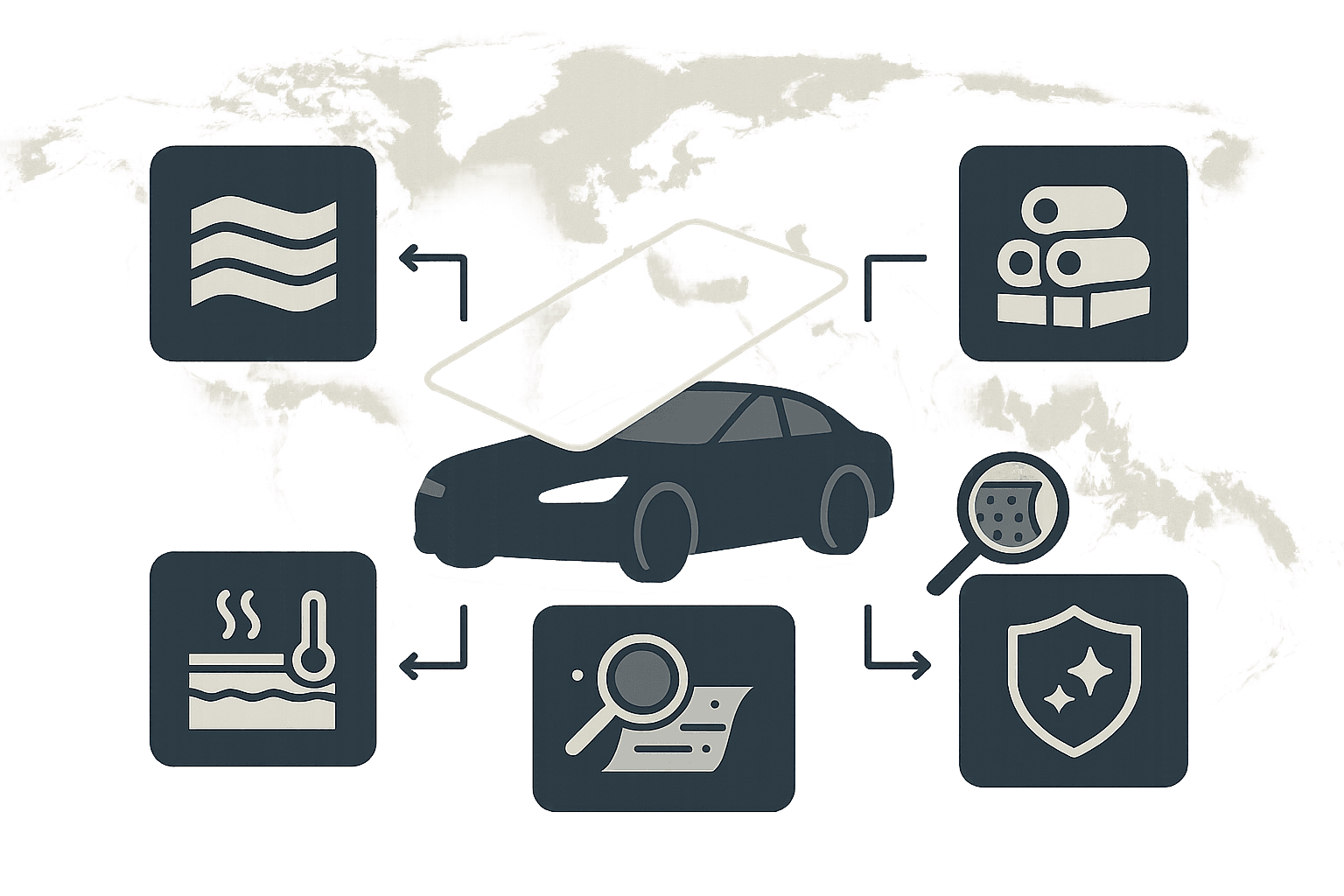
Use the checklist below as your shopping framework. Each factor maps to a question you should ask the supplier or installer:
- Film construction — Is it TPU? What is the total thickness?
- Optical clarity — Can I see samples on dark and light paint?
- Orange peel — How does it compare under direct lighting?
- Adhesive system — Is it stable after heat, rain and washing?
- Top coat — Is it hydrophobic? Does it resist bird droppings and bugs?
- Warranty — What is covered: yellowing, cracking, bubbling, delamination?
- Installer experience — How many years has the shop installed PPF?
- Distributor support — Who handles after-sales service locally?
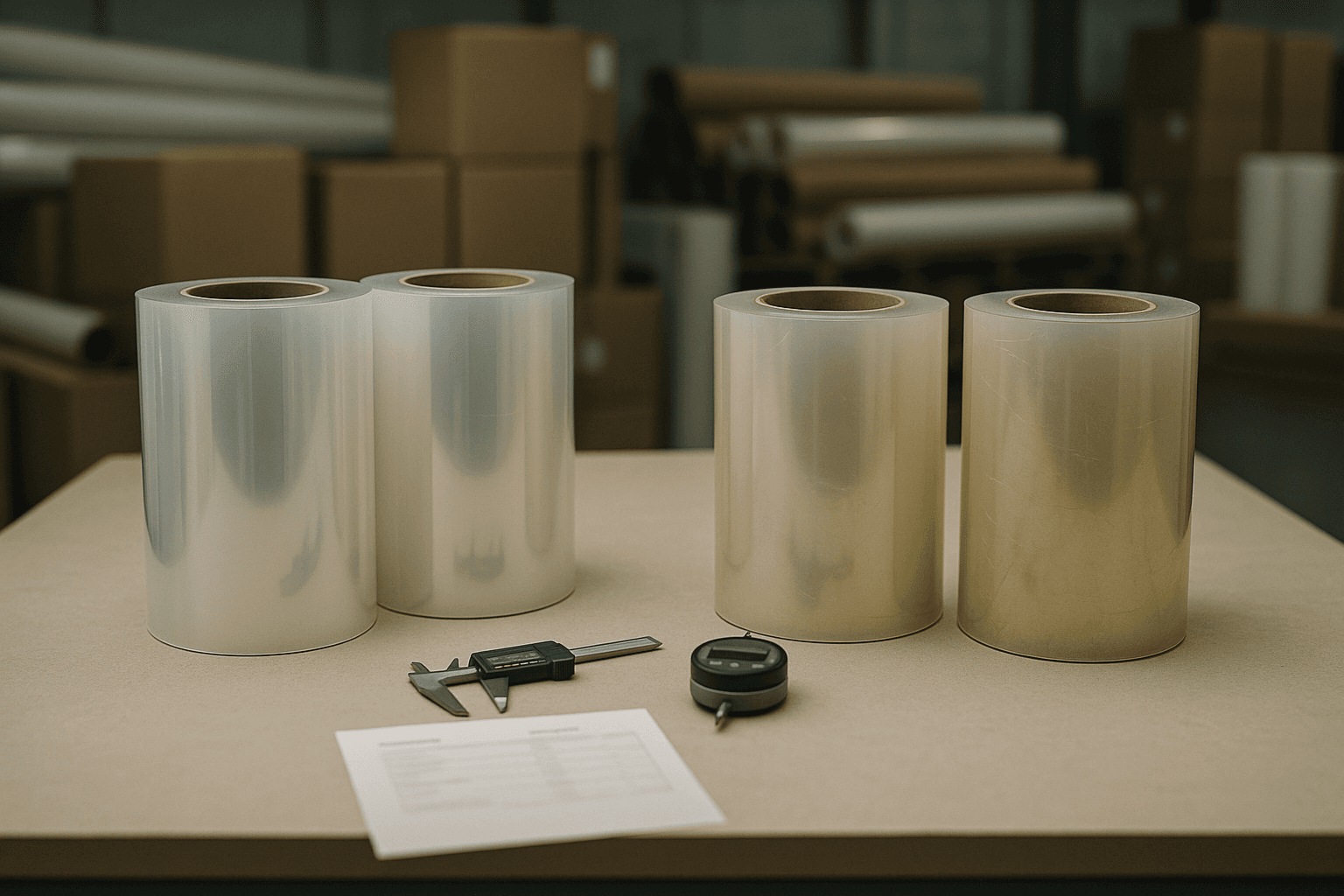
- Batch consistency — Are different rolls visually consistent?
Optical Clarity and Orange Peel: The Real Visual Test
For many buyers, PPF is supposed to be invisible. That is why optical PPF film and clarity-focused products are gaining attention. When people search for terms like xpel ultimate ppf clarity, xpel ultimate ppf orange peel, or simply ppf orange peel, they are usually trying to answer one question: will this film make my paint look better, worse, or the same?
What Is PPF Orange Peel?
PPF orange peel is a textured surface appearance that looks slightly wavy under light. Some orange peel is normal because the film has thickness, adhesive and coating layers. But excessive orange peel makes the paint look less sharp. It is most obvious on:
- Black paint
- High-gloss paint
- Large flat panels (hood, doors, roof)
- Direct sunlight or LED inspection lights
How to Compare PPF Clarity
Do not only look at a small sample in your hand. Ask to see the film installed on a real vehicle. A practical clarity test:
- Check the film on black paint
- Look from different angles
- Use direct lighting (sunlight or strong LED)
- Compare gloss and reflection sharpness
- Look at edges, curves and stretched areas
- Confirm the sample is from current production stock
A film with high optical clarity should look clean, deep and almost invisible when installed correctly. But remember: installation quality still matters.
Hydrophobic PPF and Clarity Coat PPF
Modern PPF is no longer just a thick transparent layer. Many products now include advanced top coats designed for easier maintenance. A good hydrophobic PPF can help water bead and roll off, make washing easier, and reduce dirt bonding. Some brands describe this as a ceramic-like finish, hydrophobic top coat, or clarity coat PPF.
Hydrophobic performance is not permanent in every environment. Wash habits, chemicals, road salt, heat, UV exposure and detailing products all affect the surface over time. A strong PPF top coat should help with:
- Gloss retention
- Water beading
- Stain resistance
- Light-scratch self-healing
- Easier cleaning
- Reduced bug and bird-dropping marks
- Better long-term surface appearance
Do not buy based on water-beading videos alone. Ask how the film performs after months of real driving.
Does Brand Matter More Than Installer Skill?
Community discussions return to one point: the installer can make or break the final result.
A premium film installed badly may show:
- Lifted edges
- Dirt under the film
- Stretch marks and silvering
- Bubbles, visible seams, poor alignment
- Excessive adhesive marks or distorted reflections
A mid-range film installed by an experienced shop may look better than a famous brand installed carelessly. That does not make brand irrelevant—it just means the final result depends on both sides:
Film quality + installer skill + after-sales support = real PPF value
Popular PPF Brands People Often Compare
The PPF market includes well-known names: XPEL, STEK, 3M, LLumar, SunTek, Global, Rayno, UPPF, GSWF, Ceramic Pro, Geoshield and more. Some buyers look specifically for a STEK distributor because STEK is known for hydrophobic, self-healing films with strong clarity and a wide style range. Others compare XPEL, 3M or LLumar for installer-network depth and consumer recognition.
The right choice depends on your goal.
For Car Owners
- Installer reputation
- Warranty support
- Film appearance on real cars (not flyer photos)
- Local service availability
- Clear explanation of coverage and maintenance
For Installers
- Ease of installation and stretch control
- Adhesive behavior
- Pattern-software quality
- Roll-to-roll consistency
- Distributor response time
- Warranty claim process
For PPF Distributors
- Stable supply and factory communication
- Product differentiation and market positioning
- Technical documentation
- OEM / private-label capability
- Price-to-performance ratio
- Long-term complaint rate
A Practical Checklist Before Buying PPF
Before choosing a brand or supplier, run through these questions:
- Is this company a manufacturer, distributor, or private-label brand?
- Where is the film actually produced or converted?
- What is the warranty period and what does it cover?
- Does the film have low orange peel?
- How good is optical clarity on black paint?
- Is the film hydrophobic? Does the top coat self-heal with heat?
- How stable is the adhesive around edges and curves?
- Can the supplier provide spec sheets?
- Can I see real installed examples?
- How experienced is the installer?
- Who handles warranty claims locally?
The Best PPF Is Not Always the Loudest Brand
A common mistake is assuming the most famous brand is always the best choice. Famous brands often have strong systems, better recognition and better warranty networks. That is genuine value. But PPF quality should still be judged by real performance:
- Does it stay clear?
- Does it resist yellowing?
- Does it have low orange peel?
- Does it install cleanly and hold edges?
- Does it self-heal properly?
- Does the distributor support the installer?
- Does the warranty process actually work?
For many customers, the safest choice is not simply the most famous film. It is a proven film installed by a proven shop.
FAQ
Who are the best PPF manufacturers?
There is no single best PPF manufacturer for every market. The best choice depends on your needs: optical clarity, hydrophobicity, warranty, price, installer network, distributor support and long-term durability.
Is XPEL Ultimate PPF clarity good?
XPEL Ultimate is widely recognized and often compared for clarity, gloss and protection. Buyers should still inspect real installations because final appearance depends on both film quality and installer skill.
What causes PPF orange peel?
PPF orange peel can come from the film structure, coating, adhesive layer, thickness, installation tension, or the paint surface underneath. Some texture is normal; excessive orange peel reduces the visual sharpness of the paint.
How do I compare XPEL Ultimate PPF orange peel with other brands?
Look at installed samples under direct lighting, especially on black or dark paint. Compare reflection sharpness, gloss depth and texture across large panels. Do not rely only on small handheld samples.
What is optical PPF?
Optical PPF refers to paint protection film designed to look very clear and almost invisible after installation. A high-quality optical PPF film preserves the original paint color, gloss and reflection quality.
Is hydrophobic PPF better?
Hydrophobic PPF can make maintenance easier because water and dirt are less likely to stay on the surface. However, hydrophobic performance may change over time depending on washing habits, chemicals and driving environment.
What is clarity coat PPF?
Clarity coat PPF generally refers to a film with a clear, high-gloss top coat designed to improve visual depth, stain resistance, self-healing and surface smoothness. Different brands may use different names for similar top-coat technology.
Should I buy from a PPF distributor or directly from a manufacturer?
Car owners usually buy through installers or local distributors. Installers and regional sellers often work with a PPF distributor for stock, training and warranty support. Larger brands or importers may prefer direct manufacturer cooperation for OEM or private-label supply.
Does a STEK distributor matter?
Yes. A reliable STEK distributor (or any qualified brand distributor) helps with product availability, local warranty handling, installer support and technical questions. Distributor quality directly affects the buying experience.
Is installer skill more important than film brand?
Both matter. A good film gives the installer a strong starting point, but poor installation can ruin the result. For car owners, the best choice is usually a reputable film installed by an experienced shop.
References
External references for this article. Links use rel="nofollow" in line with Google's editorial-citation guidance.
1. PPF manufacturer blog post — r/CarWraps
2. XPEL Ultimate Plus PPF
3. XPEL Warranty Information
4. STEK USA — Hydrophobic Paint Protection Film
5. 3M Scotchgard Paint Protection Film Pro Series
6. LLumar — Paint Protection Film
7. LLumar — Paint Protection Film FAQ