PPF material sourcing is one of the highest-leverage decisions for installers and distributors. The film you stock directly affects your margins, your ability to win jobs, and your installer reputation.
Yet many distributors approach PPF sourcing the same way they approach any other commodity: lowest unit cost. This approach creates a false economy. A PPF supplier offering premium products at rock-bottom prices is either dumping inventory, offloading expired stock, or has quality control issues that will be revealed during installation.
This article covers the core decision framework for sourcing PPF materials: what specifications matter, how to evaluate suppliers, what questions to ask about manufacturing and quality control, and how to position material sourcing as a competitive advantage rather than a pure cost center.
PPF Material Sourcing vs PPF Brand Positioning
Most installers position themselves around brands they represent: XPEL, 3M Scotchgard, Avery Dennison Supreme, LLumar Valor. These brand choices are marketing decisions. Customers search for these brands by name. Distributors compete on brand availability.
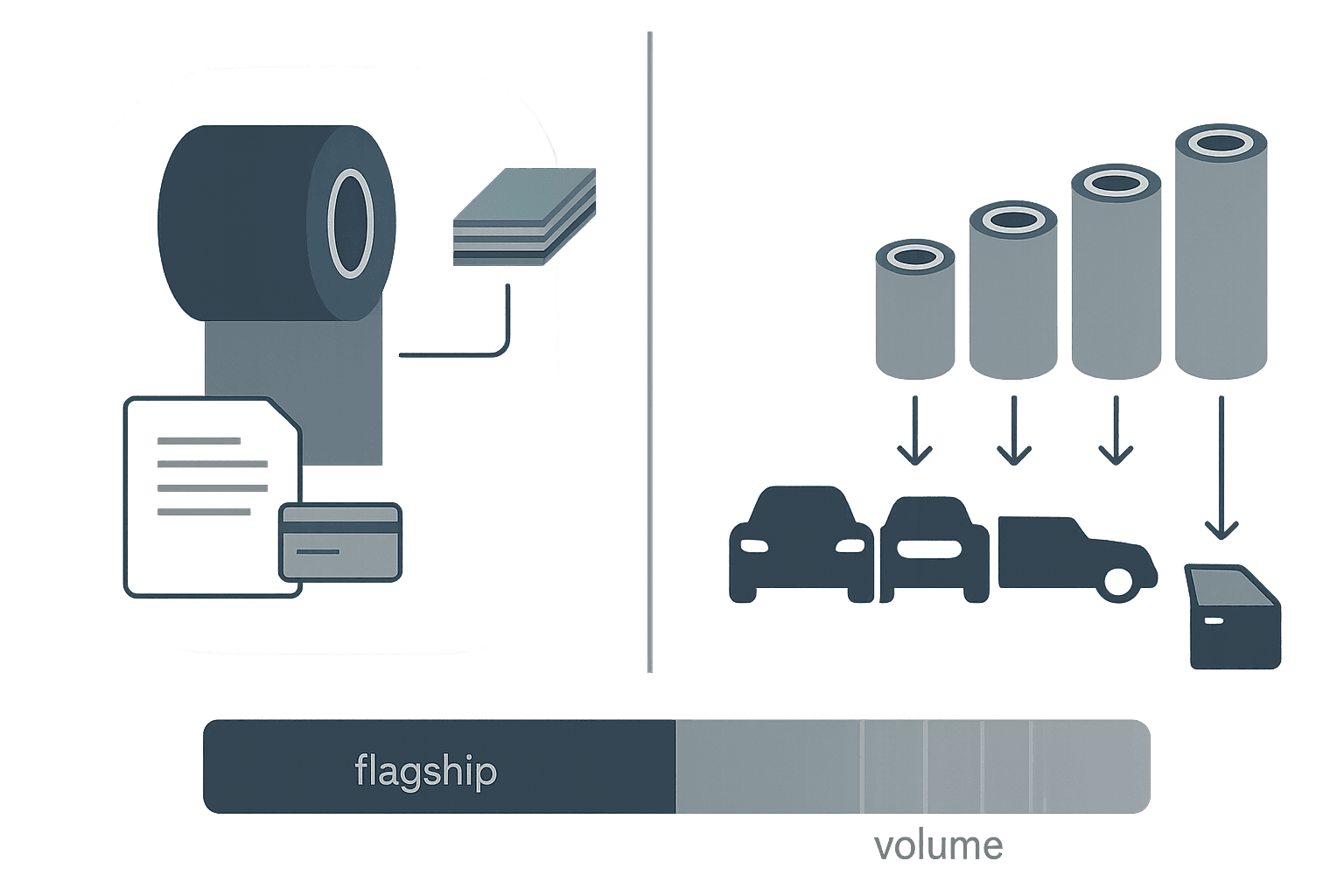
But behind the brand positioning, there is material sourcing and supply chain management. A distributor stocking five different PPF brands is making a bet about installer demand, warehouse space, inventory turnover, and cash flow. Each brand requires separate supplier relationships, minimum order quantities, pricing agreements, and return policies.
This is where the sourcing decision becomes a business lever. A distributor who sources PPF materials efficiently can offer competitive pricing, shorter lead times, and fresher inventory. These advantages compound across hundreds of installer orders.
Key Technical Specifications for PPF Materials
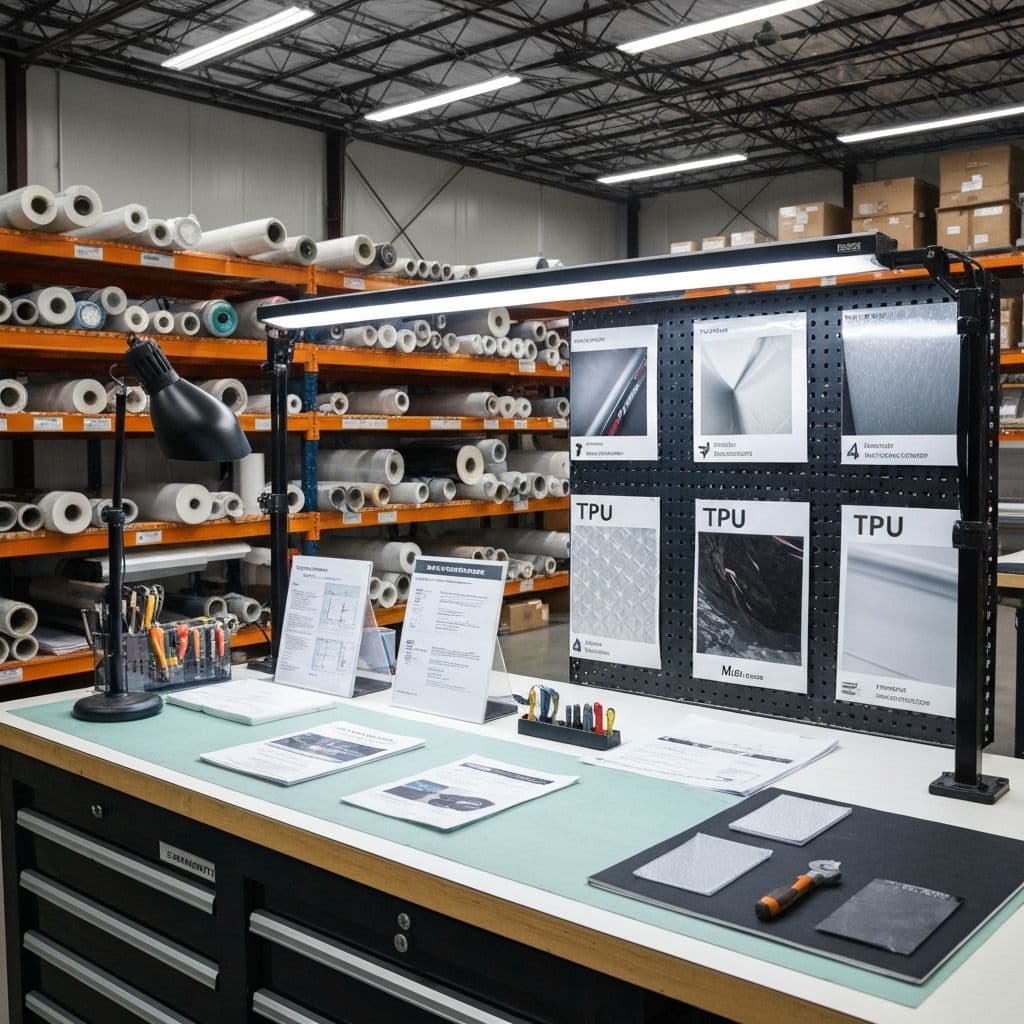
Not all PPF films are equivalent. When evaluating material options, distributors should request documentation on these technical specifications:
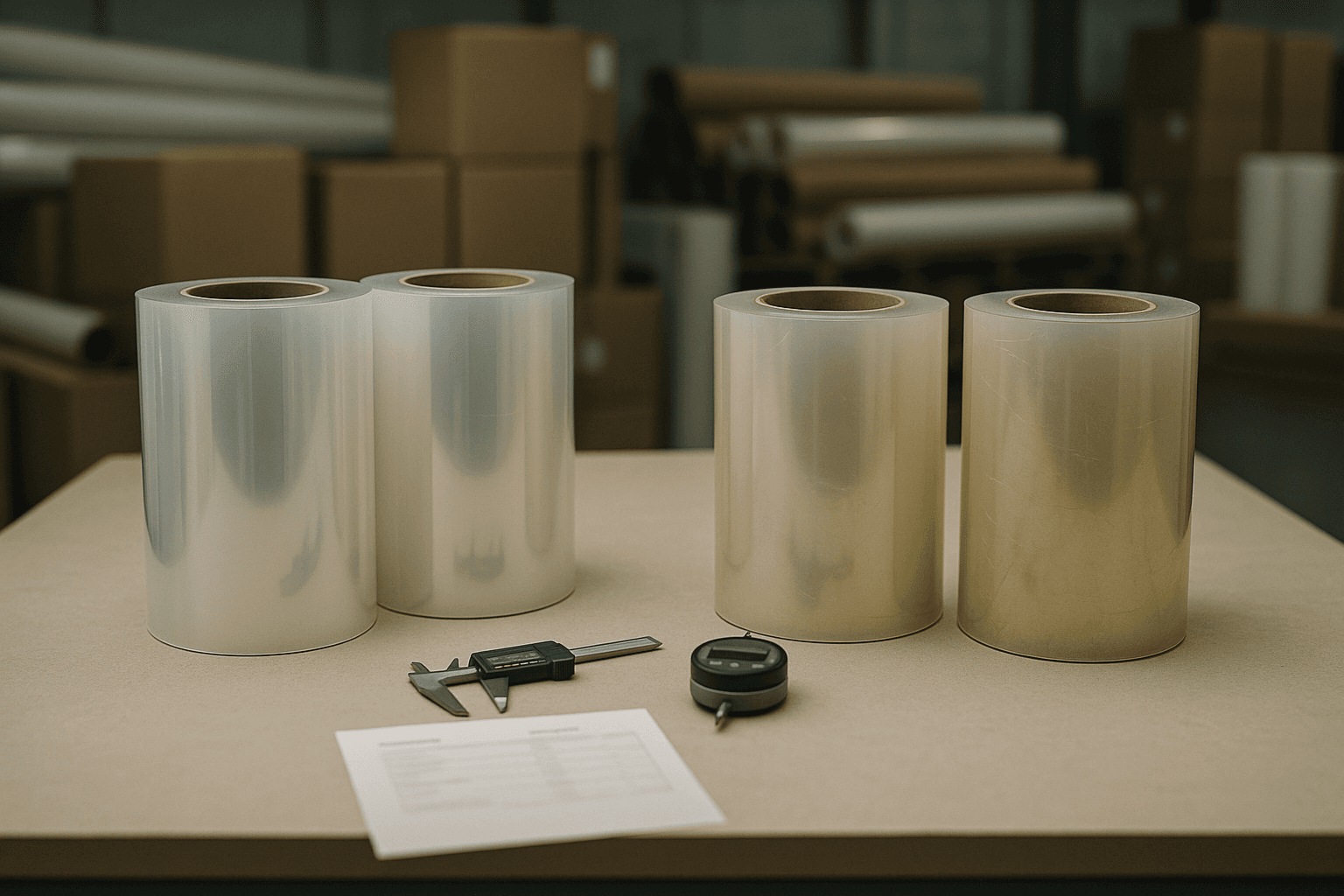
First, film thickness. Standard PPF is 8-9 mils. Thicker film (10+ mils) offers more protection but is harder to install on complex curves. Thinner film (6-7 mils) is easier to apply but may not provide adequate protection for high-impact areas. Distributors should know the thickness specification for each product line they stock.
Second, topcoat type. Aliphatic polyurethane topcoats resist UV yellowing better than aromatic polyurethane. The difference becomes visible after 3-5 years of sun exposure. For outdoor vehicles, aliphatic is the standard. Any product claiming to be premium or long-lasting should use aliphatic topcoat.
Third, elongation at break. This is a measure of how far the film can stretch before tearing. Modern PPF films are typically 300-400% elongation at break. Tesla vehicles have complex curves, especially around the A-pillars and bumper edges. Film with lower elongation will not conform properly to these curves and may fail during installation or pull away from edges.
Fourth, adhesive characteristics. The adhesive must hold firmly without damaging the underlying paint. Tesla's water-based paint finishes are particularly sensitive to adhesive residue. Distributors should ask suppliers for data on adhesive peel strength, repositionability, and residue risk.
Fifth, self-healing properties. If the product claims self-healing, the distributor should understand the mechanism (usually activated by heat) and the claimed performance (typically eliminates light scratches and swirl marks). Self-healing is a premium feature that justifies higher pricing.
Quality Control and Batch Consistency
PPF manufacturing is a precision process. Small variations in film thickness, topcoat composition, or adhesive formulation can compound across installations. A distributor who sources from suppliers with strong batch-level quality control will face fewer installer complaints and chargebacks.
Key quality indicators: Third-party laboratory testing (independent verification of specifications). Lot traceability (ability to identify which batch a product came from). Batch test reports (each production batch should have documented test data). Return and warranty policies (how does the supplier handle defective batches?).
A distributor should ask suppliers for sample copies of their quality documentation and batch testing procedures. If a supplier cannot or will not provide this, it is a red flag.
Wholesale Pricing and Minimum Order Quantities
PPF wholesale pricing varies significantly based on volume, payment terms, and supply chain dynamics. Installers buying one roll at a time from a local distributor pay retail. Distributors buying in bulk directly from manufacturers pay wholesale.
The standard wholesale model: Minimum order quantities (typically 10-50 rolls per SKU). Volume discounts (lower unit price for larger orders). Payment terms (net 30, net 60, or prepay depending on supplier). Freight costs (included or separate).
For a distributor evaluating whether to stock a new PPF brand: Calculate the warehouse capacity needed for minimum orders. Estimate installer demand to determine turnover rate. Compare the wholesale price to competitor pricing. Factor in payment terms and freight. The economics need to work for the distributor's business model.
Supplier Evaluation Checklist for Distributors
When evaluating a new PPF supplier, distributors should conduct due diligence on these factors:
Manufacturing transparency: Where is the film produced? What is the production capacity? Are there any known quality issues in the market?
Technical documentation: Complete TDS (technical data sheet) with all specifications. Third-party laboratory test reports. Compatibility information for major pre-cut pattern software.
Pricing structure: Transparent wholesale pricing. Volume discount tiers. Payment term options. Freight and handling costs.
Quality assurance: Batch testing procedures. Return and warranty policies. References from other distributors.
Supply chain reliability: Lead times from order to delivery. Inventory management. Ability to handle urgent orders.
Installer support: Technical support for installers. Training or documentation. Marketing support for distributors.
Building a Competitive Advantage Through Material Sourcing
Distributors who manage PPF material sourcing effectively can differentiate on multiple dimensions: Faster delivery times (better inventory management). Competitive pricing (lower sourcing costs). Consistent quality (supplier reliability). Installer education (technical knowledge about materials).
The distributor who can tell an installer exactly why Material A is better than Material B, backed by technical documentation and field experience, builds trust and loyalty. Material sourcing becomes a business advantage rather than a commodity decision.
References
[1] 3M Scotchgard Paint Protection Film — 3m.com
[2] XPEL Ultimate Plus PPF Technical Data Sheet — xpel.com
[3] Avery Dennison Supreme Paint Protection Film — averydennison.com
[4] LLumar Valor Paint Protection Film — llumar.com