Paint protection film (PPF) for Tesla is best planned by model and panel, not just by product name. For distributors, installers, OEM buyers, and private label teams, the key is understanding where Teslas actually get damaged, which panels drive most PPF demand, and how to verify film specs before stocking a Tesla-focused program.
1. What “PPF for Tesla” Really Means in a B2B Context
When technical buyers talk about PPF for Tesla, they are usually combining several related topics:
- Reducing the chance of visible Tesla scratch marks in high-wear zones
- Protecting complex Tesla bumper shapes from impact and road rash
- Deciding whether and how to protect the Tesla headlight area
- Structuring coverage packages for Tesla Model Y, Model 3, and Model S
- Avoiding confusion between protection and true Tesla repair work
This page is aimed at:
- Film distributors planning inventory and coverage packages
- Installers designing Tesla front-end and full-body offerings
- OEM buyers considering factory or port-installed protection
- Private label teams defining their Tesla-focused PPF line
The correct next action after reading is not DIY install, but sample evaluation plus spec and supplier verification.
2. Where Tesla PPF Demand Usually Starts: High-Impact Zones
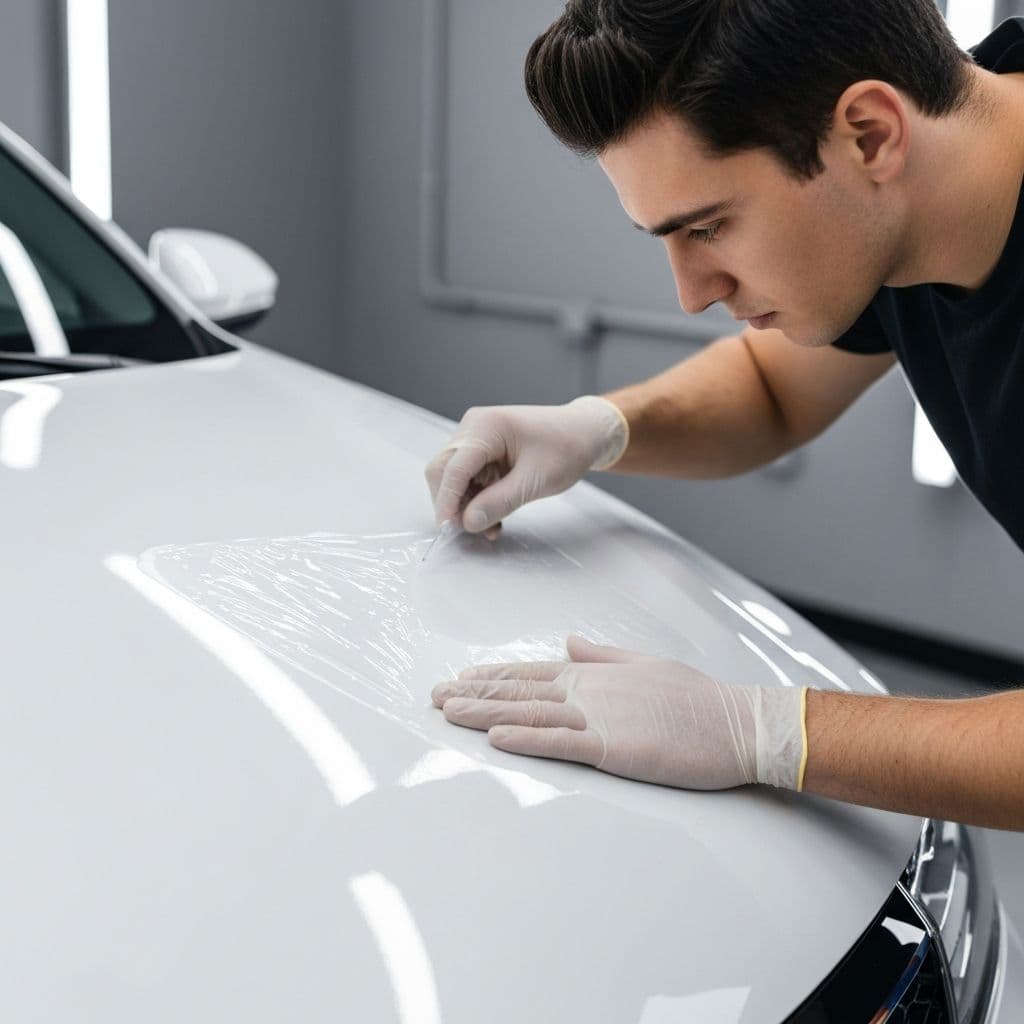
Across markets, Tesla PPF demand often begins with high-risk exterior zones rather than full-body coverage. Educational and pricing content on Tesla PPF commonly notes that PPF is applied first to front-end and other easily damaged panels such as the front end, hood, mirrors, door handles, and bumpers.[1]
For Tesla platforms, that typically maps to:
- Front bumper – highest exposure to stone chips and insect staining
- Hood leading edge – common source of Tesla scratch complaints from highway driving
- Front fenders – especially lower portions behind the wheels
- Side mirrors – frequent contact and bug impact area[1][4]
- Headlights and fog lamps – vulnerable to pitting and hazing
- Rocker panels and lower doors – sandblasting from tires and road debris[4]
- Rear wheel arch / rear bumper corners – thrown debris and parking scuffs
Industry-facing PPF guidance often frames Tesla coverage choices in packages such as partial front, full front, and full body.[1][3]
2.1 Package-Level View: Partial Front, Full Front, Full Body
Based on market examples:[1][3]
- Partial front: Normally focuses on the front bumper, part of the hood, and front fender leading areas. This is intended to control costs while covering the highest-risk impact zones.
- Full front: Commonly extends coverage to the entire hood, both front fenders, bumper, headlights, and mirrors.[3]
- Full body: Adds doors, quarter panels, roof edges, hatch/trunk, and often rocker panels for maximum coverage.[1]
These structures are useful for installers defining Tesla bundles and for distributors deciding which model-specific kits or bulk-film widths to prioritize.
2.2 How This Translates by Panel for Tesla
For Tesla vehicles specifically, a practical starting priority list is:
- Tier 1 priority panels: front bumper, full hood or hood leading edge, front fenders, headlights, mirrors
- Tier 2 priority panels: rocker panels, lower doors, rear wheel arch, rear bumper corners
- Optional/styling areas: A-pillars, roof leading edge, gloss black trims
Thinking in tiers helps you align inventory (roll widths, pre-cut patterns) with the actual scratch and chip risk observed on Tesla paint systems.
3. Model-Specific Planning: Tesla Model Y, Model 3, and Model S
3.1 Why Model Y and Model 3 Often Drive PPF Programs
Independent EV sales analysis indicates that the Tesla Model Y and Model 3 together represent more than half of U.S. electric vehicle sales in a recent year.[2] That dominance suggests that, in many markets, the on-road Tesla population is heavily weighted to these two models.
For PPF programs, this usually means:
- Model Y and Model 3 are often the primary stocking priorities for Tesla-focused PPF patterns and marketing.[2]
- Most early Tesla PPF volume for a distributor or installer will likely be concentrated on these two nameplates.
This is a trend signal, not a rule. Always confirm with local registration data and your own shop mix.
3.2 Model Y PPF Considerations
Model Y PPF demand tends to focus on:
- Full front coverage due to the large painted bumper and hood
- Rocker panels and lower rear doors, which can pick up heavy road rash in colder or gravel-heavy regions
- Tailgate edge and rear bumper top (loading/unloading contact)
For stocking and pattern planning:
- Ensure access to front bumper patterns that manage stretching around vents and parking sensors
- Keep 60 in / 1524 mm rolls available for full hood coverage where installers prefer bulk-film installs
3.3 Model 3 PPF Considerations
For Tesla Model 3, considerations are similar but with sedan-specific details:
- Front bumper and low hood line: high chip exposure
- Rear quarter “hip” and bumper corner: common scuff zone when parking
- Rocker panels: often paired with mud flaps in some markets to cut debris, but still see wear
Model 3 patterns may differ by generation; if you carry kits, track Highland vs. earlier coverage requirements separately.
3.4 Model S and Lower-Volume Tesla Models
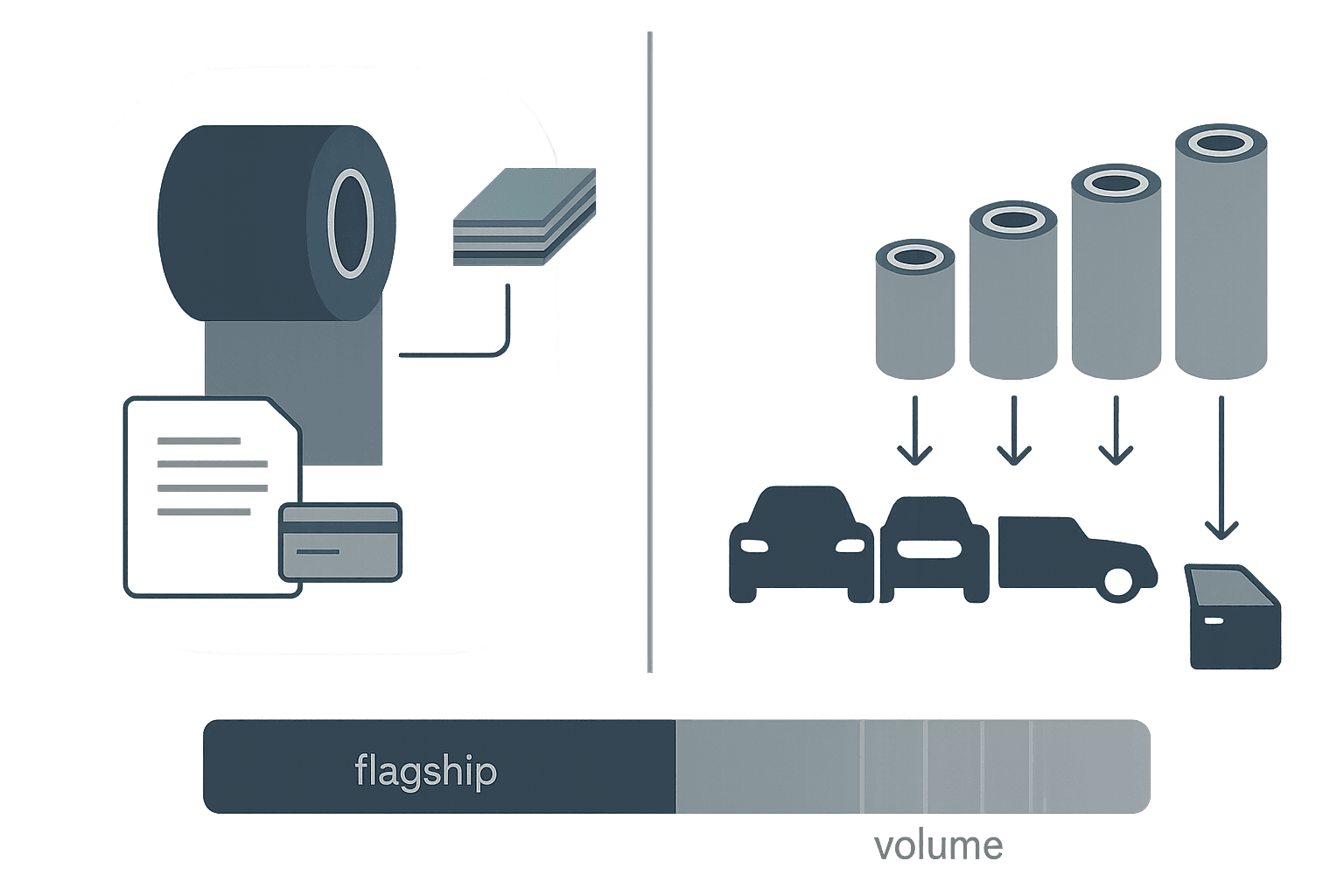
Tesla Model S and other lower-volume models (including performance variants) can still justify dedicated PPF patterns, but stocking depth should be guided by:
- Local Tesla fleet mix (sales or registration data where available)
- Your historic install record for each model
- Complexity and learning curve of particular bumpers or panels
In many regions, Model S will be a secondary stocking decision: you may hold fewer pre-cut kits or treat them as order-on-demand while keeping strong coverage for Model Y and Model 3.[2]
4. Tesla Scratches, Bumpers, and Headlights: What PPF Can and Cannot Do
PPF is a preventive barrier, not a body-shop repair. Clarifying this distinction is essential when you design packages or answer “Tesla repair kit” questions.
4.1 What PPF Helps With
High-quality TPU PPF is designed to:
- Absorb small stone impacts and road rash that would otherwise chip or mark the clear coat
- Reduce visible Tesla scratch marks from light abrasion, such as washing and minor contact
- Provide a sacrificial layer that can be removed and replaced without sanding the OEM paint[1]
This is why many Tesla-focused resources highlight PPF for owners who want to keep paint looking new and support resale value.[1]
4.2 What Counts as a Repair Problem, Not a PPF Problem
You should clearly separate protection from Tesla repair:
- Existing deep scratches through clear coat or into basecoat: PPF placed on top may hide them slightly at some angles but does not repair the defect. On damaged paint, film life is often shorter.[5]
- Chipped paint or corrosion: Edges can telegraph through the film; PPF applied on damaged paint tends to fail earlier than on sound paint.[5]
- Deformed or cracked Tesla bumper: This is a structural or bodywork issue. The bumper should be repaired or replaced and refinished before any new film is installed.
- Cracked or broken Tesla headlight: PPF cannot restore optical clarity or water-tightness; the lamp should be replaced.
Professional guidance notes that PPF installed over damaged or imperfect paint typically has a significantly reduced lifetime compared with film on well-prepared, intact paint.[5]
Therefore, a “Tesla repair kit” based on film alone should only be positioned as post-repair protection, not a substitute for paint, bumper, or headlight repair.
4.3 Headlight PPF: Specific Considerations
Tesla headlights are often large, complex shapes that are visually prominent. When considering PPF for Tesla headlight zones:
- The goal is to limit pitting and surface abrasion, not to change beam pattern
- Film should remain optically clear with minimal haze
- Thickness should be sufficient for impact resistance while still conforming well
Many full-front PPF packages include headlights and mirrors explicitly as part of the coverage.[3] Installers should ensure any headlight film is non-tinted if local regulations restrict headlight darkening.
5. Specs That Matter for Tesla-Focused PPF Programs
Moving from generic product claims to measurable criteria will make your Tesla PPF program more consistent and easier to scale.
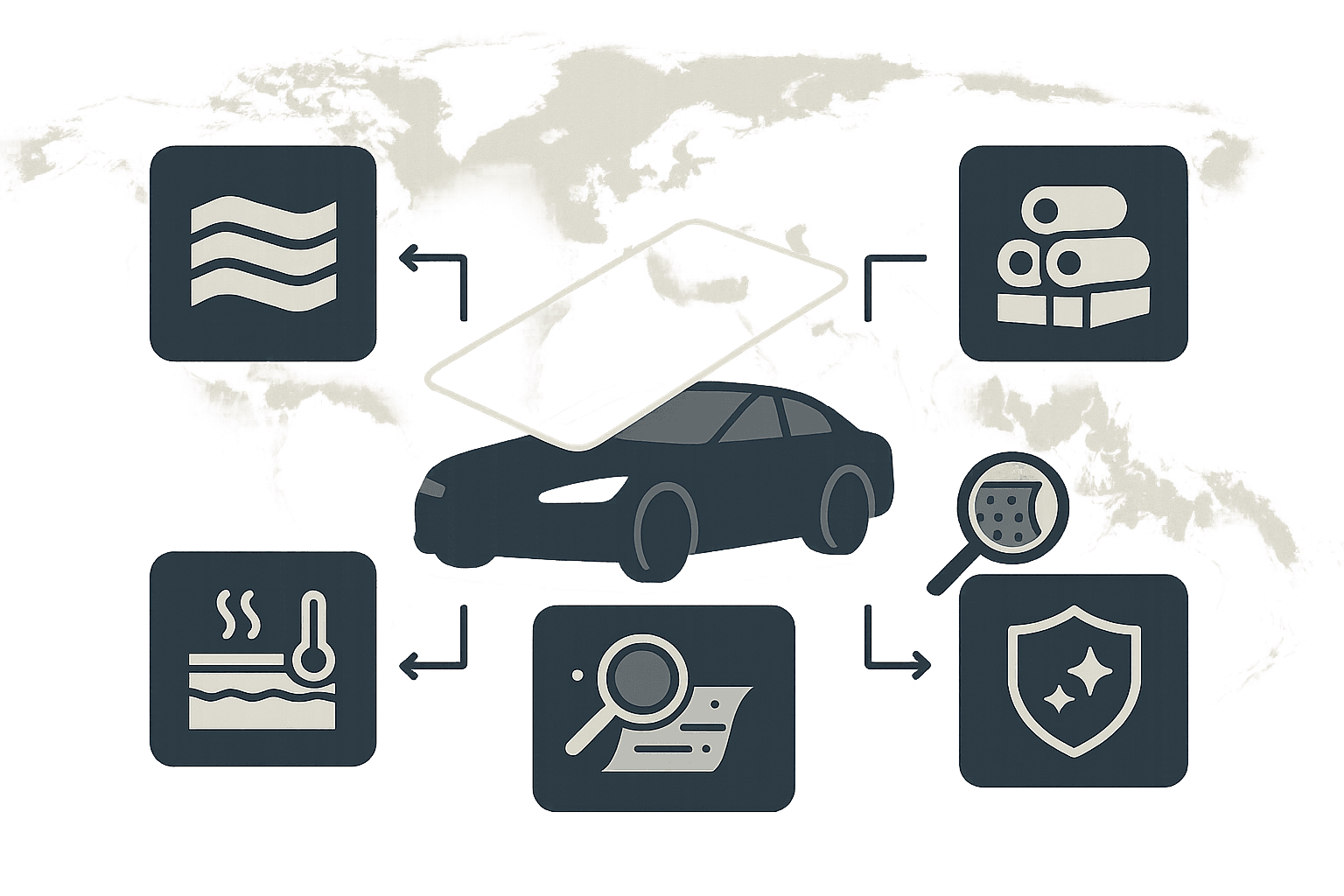
Key specification areas to verify:
5.1 Optical and Surface Performance
- Optical clarity and haze: Critical for large Tesla panels (hood, doors) and for headlights so that lenses remain visually clean.
- Gloss or matte level: Match to the intended finish. Gloss films should not introduce visible orange-peel beyond the OEM clear coat; matte films should look even and not chalky.
- Self-healing behavior (if applicable): Confirm at realistic temperatures (e.g., warm water or sun exposure), not just in extreme lab conditions.
5.2 Conformability and Stretch
Tesla bumpers and headlights often have tight radii and integrated radar/sensor areas, so you should evaluate:
- Elongation at break / usable stretch: Enough to wrap complex Tesla bumper corners without whitening
- Memory and shrink-back: Film should hold its shape without pulling back from edges after installation
5.3 Adhesive and Edge Behavior
For Tesla applications, adhesive characteristics strongly affect customer satisfaction:
- Initial tack vs. repositionability: Installers need a balance to manage large Tesla hood and roof pieces
- Resistance to glue lines and adhesive marks when squeegee pressure is applied
- Edge seal performance around Tesla bumper intakes, rocker panels, and wheel arches
5.4 Durability and Batch Consistency
Even when lab specs look good, batch stability is essential for distributors and private-label programs:
- Color and clarity consistency across rolls (important on multi-panel Tesla installs)
- Topcoat and adhesive consistency between production lots to avoid sudden changes in install feel or durability
A simple way to manage this is to develop an internal acceptance checklist before approving a PPF for Tesla-focused stocking.
| Checkpoint category | What to verify on Tesla applications |
|---|---|
| Optical clarity & haze | Inspect full-hood-sized pieces on dark Model 3/Model Y panels under sun and workshop lighting for distortion or milkiness |
| Surface finish | Compare gloss or matte level against adjacent unprotected Tesla paint on doors/hoods to avoid visible mismatch |
| Conformability | Test tight corners on a Tesla bumper and mirror housing; look for whitening, lift, or tension marks after 24–48 hours |
| Adhesive behavior | Check for ease of repositioning on a large hood, absence of glue lines, and clean edge laydown on rocker and wheel-arch edges |
| Batch consistency | Compare multiple rolls from different lots on a single Tesla vehicle to confirm color, gloss, and handling feel remain consistent |
6. Clear PPF, Color PPF, and Related Film Options for Tesla
When planning a Tesla-oriented portfolio, keep category roles clear.
6.1 Clear PPF: Primary Protection Product
For Tesla scratch and chip protection, clear PPF is the main product line. It is typically used on:
- Daily-driver Model Y and Model 3 vehicles where owners want “invisible” protection
- Front-end packages that retain OEM color and appearance
- Fleet or corporate Tesla vehicles where a neutral look is important
6.2 Color PPF: Style Plus Protection
Color PPF may be relevant where owners want both color change and impact protection in one step, for example:
- Satin or matte looks on Model 3 or Model Y
- Themed colors for branding fleets or show cars
For B2B planning:
- Treat color PPF as a separate stocking decision with its own demand curve
- Ensure installers understand that panel alignment and color uniformity are more critical and that repairs require color-matched replacement
6.3 Window Tint: Related, But Different Problem
Automotive window tint is a related film category but solves a different set of problems:
- Heat rejection and interior comfort
- UV protection for occupants and interior surfaces
- Glare reduction and visual comfort
While many Tesla installers will bundle tint and PPF, keep spec, testing, and supplier evaluation for tint separate from paint and headlight PPF.
7. How to Verify a Tesla PPF Supplier Before You Stock or Private Label
Distributor and installer risk around Tesla-focused PPF programs usually comes from unstable quality, inconsistent batches, or unreliable resupply. Before committing, build a structured supplier evaluation process.
7.1 Sample and Install Trials on Tesla Panels
Run controlled tests on real Tesla vehicles or representative panels:
- Front bumper test: Assess stretch, tension, and edge behavior around sensors and vents.
- Full hood test: Evaluate optical clarity, squeegee behavior, and the ability to reposition without permanent marks.
- Headlight and mirror test: Confirm conformability and absence of optical distortion.
- Rocker panel test: Check adhesion in dirty/wet-prone zones and edge stability after several washes.
7.2 Technical Documentation and Warranty Evidence
Request and review, at minimum:
- Technical data sheet (TDS) covering thickness, construction, and key performance metrics
- Installation guidelines specific to high-complexity panels like Tesla bumpers
- Written warranty terms that match your market expectations (duration, coverage, exclusions)
Avoid invented claims (for example, guarantees of zero yellowing or zero lifting) without supporting test and field evidence.
7.3 Batch and Replenishment Checks
To protect your local reputation and installer network:
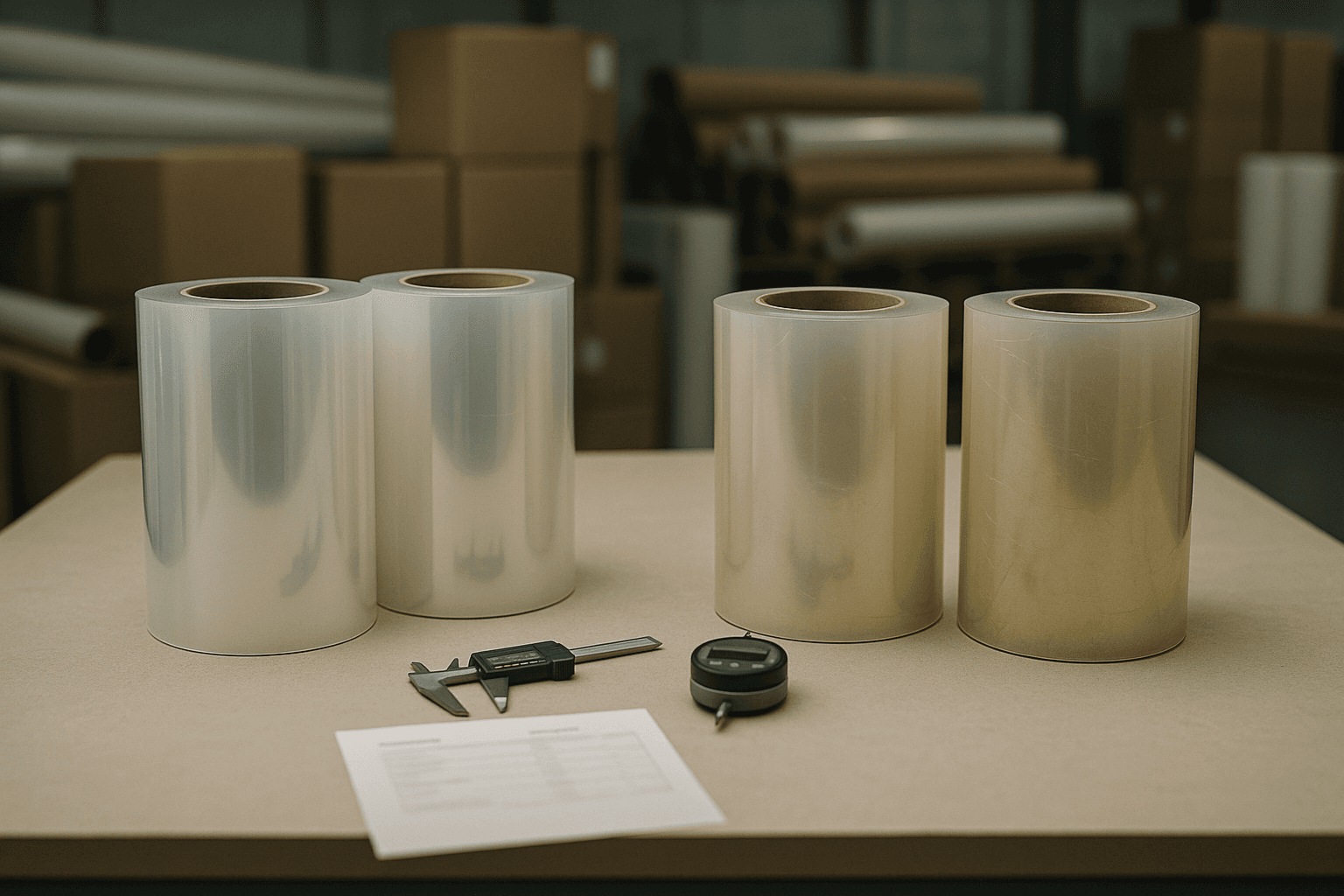
- Ask for multiple rolls from different batches during evaluation and compare them on the same Tesla vehicle.
- Clarify lead times, MOQs, and backup-production options so repeat supply is consistent.
- Confirm export packaging standards (core, boxing, corner protection) to reduce damage in transit.
A factory-direct, China-based supplier can be a fit for wholesale, OEM, or private label PPF if they can demonstrate stable coating processes, QC routines, and reliable export logistics; however, these must be validated through your own testing.
8. Next Steps: From Tesla Use-Case to Validated PPF Program
To move from interest in PPF for Tesla to a stable, profitable program, a practical workflow is:
1. Define your Tesla mix: Estimate Model Y, Model 3, and Model S volume based on registrations and your existing customer base.[2] 2. Select coverage tiers: Decide which combinations of partial front, full front, and full body you will offer for each model.[1][3] 3. Request samples: Obtain rolls and/or Tesla-specific patterns from candidate suppliers. 4. Run structured install trials: Use the panel tests outlined above to compare handling and finish. 5. Document results: Record installer feedback, defects, and post-cure appearance for each film. 6. Shortlist and negotiate: Only after technical validation move to pricing, branding, and private label discussions.
Internal links and resources that can support these steps include:
- Product overviews and spec sheets on your products and paint protection film category pages
- Direct contact channels for sample requests and technical discussions
Frequently Asked Questions
How does PPF help with Tesla scratches in daily use?
On Tesla paint systems, PPF acts as a sacrificial outer skin. Light scratches from washing, minor contact, or small debris typically mark the film surface instead of the clear coat. With self-healing topcoats, some light marring can reduce or disappear when warmed by sun or warm water. Deep gouges that cut through the film will still require film replacement, but they are usually easier and cheaper to address than repainting a panel.
Should I always include the Tesla bumper in a PPF package?
From a technical standpoint, the front bumper is one of the highest-risk impact zones on any Tesla. It faces direct stone impacts and insect staining and is made of plastic, which requires refinishing if damaged. Because of this, most partial-front and full-front Tesla PPF packages place the front bumper at the core of coverage.[1][4] For package design and stocking, it is reasonable to treat bumper coverage as a default and offer hood- and fender-only options only in special cases.
Is PPF on Tesla headlights worth adding to coverage?
Headlight PPF does not repair existing cracks or hazing, but it can meaningfully reduce new pitting, abrasion, and sandblasting of the lens surface. Since many full-front Tesla packages already include the headlights and mirrors as part of the bundle,[3] adding clear, non-tinted PPF here is often a modest cost increase relative to the total job while protecting an expensive component. When evaluating films, always test for optical clarity and lack of beam distortion on Tesla headlamps.
Can a PPF “Tesla repair kit” fix damaged paint or a cracked bumper?
No. PPF is a protection product, not a structural repair. If a Tesla panel has chipped or peeling paint, corrosion, or a cracked bumper, those issues should be corrected first through bodywork and refinishing. Professional guidance notes that applying PPF over damaged paint often leads to shorter film lifetime and higher risk of failure compared with applying film to sound paint.[5] Film-based “repair kits” should be presented as post-repair protection or cosmetic improvement, not a substitute for proper Tesla repair work.