Black PPF is easy to misunderstand as just another black car wrap. For a professional PPF shop, detailing studio, PPF distributor or private label buyer, however, the real decision goes beyond colour. The finish must suit the customer’s expectations, the film must work with the installer’s process, and the product must make commercial sense after material use, labour and inventory are considered.
Customers may search for black PPF, black PPF for car, black PPF wrap or even ppf black wrap while looking for a similar result: a deep black finish combined with the protective role associated with paint protection film. Some want a complete colour transformation. Others only want a gloss black roof, contrasting trim or selected accent panels.
That creates an opportunity for shops, but only when the product is presented clearly. XPSHELL approaches black PPF as part of a premium service programme rather than a single roll placed on a shelf. Professional shops can evaluate how the finish fits their service menu, while PPF wholesale buyers, distributors and private label customers can consider sampling, product positioning, repeat supply and brand development as connected decisions.
What Makes Black PPF a Different Product Decision from Clear PPF?
A shop that already installs clear PPF may assume that adding black PPF is simply a matter of ordering another colour. The risk appears later, when customers judge the project as both paint protection and a visible colour change.
Clear PPF is normally selected to preserve the appearance of the original paint. Black PPF changes that appearance, which means colour depth, reflected light, panel transitions, wrapped edges and the visual relationship between adjacent surfaces become part of the result.
This difference affects how the product is demonstrated and sold. A customer considering clear PPF may focus on coverage and protection. A customer choosing black PPF is also likely to ask how glossy the finish looks, whether it suits the vehicle, whether a partial application will look intentional and how the surface will appear under sunlight or showroom lighting.
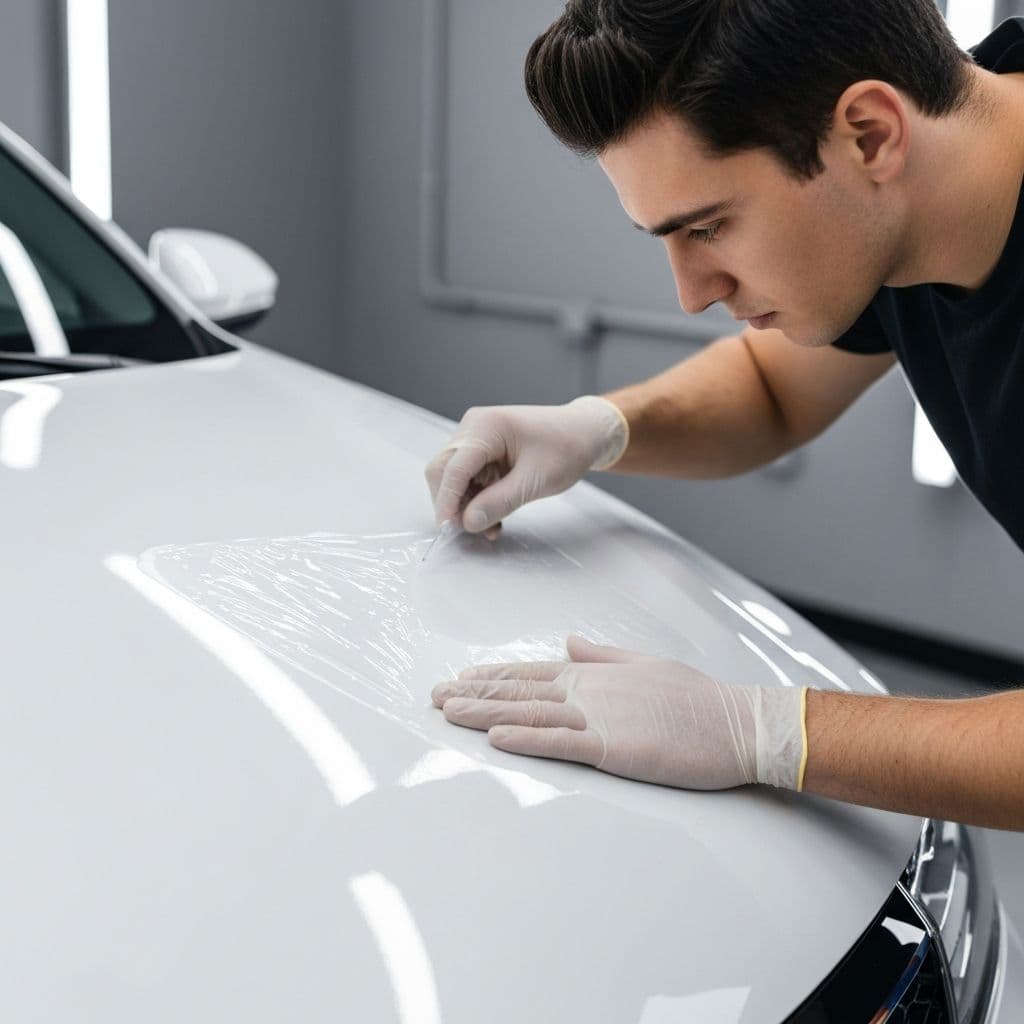
For a professional installer, this means the sample evaluation should cover more than initial tack and stretch. The team also needs to observe the film on curves, recessed areas, panel edges and surfaces viewed from different angles.
| Commercial consideration | Clear PPF | Black PPF |
|---|---|---|
| Main customer expectation | Preserve the original paint appearance | Change the visible finish while adding paint protection |
| Visual inspection | Clarity, texture and edge visibility | Black depth, finish consistency, reflections and panel transitions |
| Common service options | Front coverage, high impact areas, full vehicle coverage | Full vehicle transformation, roof, trim, bonnet and accent panels |
| Sales conversation | Coverage and protection level | Finish, vehicle style, project scope and protection |
| Sample presentation | Clear film on representative paint | Installed black samples under several lighting conditions |
| Replacement planning | Blend with the original paint | Match the finish and appearance of nearby wrapped panels |
Brands already position black PPF as a distinct product category. XPEL publishes technical information for ULTIMATE PLUS Black, while STEK markets DYNOblack in gloss and matte finishes. SunTek presents Altered Black as a high gloss black PPF suitable for full vehicle work and accent customisation.
XPSHELL enters this category with a high end B2B focus. Instead of asking a shop to select a product based only on an online image, the more practical approach is to connect product evaluation with the shop’s intended service. A gloss black ppf wrap for premium exterior transformation may require a different sales presentation from a smaller roof or trim package.
Gloss Black or Satin Black: Which Finish Fits the Customer and the Service Menu?
Customers often arrive with one simple request: “I want the car in black.” The problem is that their idea of black may range from a reflective piano style surface to a softer satin appearance, and that difference can decide whether the final result feels right.
Gloss black PPF is designed for customers who want a polished, reflective surface. On a full vehicle, it can create a paint like transformation. On a roof, bonnet or trim section, it can introduce contrast against another body colour.
A customer searching for gloss black ppf or gloss black ppf wrap is therefore not only asking whether the film is black. The customer is usually trying to understand how rich the finish looks, whether it suits the intended area and whether it offers a more protection focused option than an ordinary black vehicle wrap.
Satin black PPF serves a different visual preference. It reduces the sharp reflections associated with gloss while retaining more surface definition than many very flat matte finishes. In the wider market, however, the terms satin, matte and semi gloss are not always used in exactly the same way. Shops should show a physical sample rather than relying only on a finish name.
| Finish | Visual character | Suitable customer request | Potential service position |
|---|---|---|---|
| Gloss black | Deep colour with clear reflections | A polished black transformation or contrasting gloss panels | Premium full vehicle package, roof package or exterior accent package |
| Satin black | Softer reflections with visible body contours | A modern, restrained black appearance | Full vehicle styling package or selected panel transformation |
| Matte black | Low reflection and a flatter visual effect | A more dramatic, technical or understated appearance | Specialist styling package where the product is available |
No finish is automatically the best choice for every shop. A studio serving luxury vehicles may find that gloss black supports its paint like finish positioning. Another installer may receive more demand for satin or matte projects. A PPF distributor may need to understand which finishes its installer network can confidently demonstrate and install before deciding how many variants to stock.
XPSHELL can support this stage as a product evaluation partner. The role is not to force every finish into every market. It is to help professional customers consider how black PPF fits their existing services, customer preferences and purchasing model before expanding into larger PPF wholesale orders.
Full Vehicle, Roof, Trim or Accent Panels: Where Does Black PPF Fit?
Treating every black PPF enquiry as a full vehicle project can make the service feel inaccessible. It can also cause a shop to overlook smaller applications that are easier for customers to understand and easier for the business to add to an existing service menu.
A full vehicle black PPF installation is suited to customers seeking a complete colour transformation with broad exterior coverage. It creates a clear premium service, but the quote must account for the vehicle size, body design, preparation, disassembly, installation complexity and finishing requirements.
Partial applications serve different customer goals. A gloss black roof can create a contrasting upper section. Black PPF on a bonnet may provide a stronger styling change. Mirrors, spoilers, trim and selected panels can be used to build smaller accent packages.
The application should still look deliberate. A black section placed next to factory paint, clear gloss ppf or another surface finish needs to work visually. The shop should review the transition line, the difference in surface reflection and whether the edge can be finished neatly.
| Project type | Typical customer goal | Main shop consideration | Possible service format |
|---|---|---|---|
| Full vehicle | Complete black transformation | Total material use, preparation time, complex panels and finishing | Premium full vehicle black PPF package |
| Roof | Create contrast or a two tone appearance | Roof rails, aerials, glass edges and drainage areas | Black roof styling package |
| Bonnet | Add a large visual feature with exposed road use | Panel shape, edge treatment and surface presentation | Bonnet protection and styling package |
| Mirrors and trim | Add smaller black details | Tight curves, seams and small edge areas | Exterior accent package |
| Selected replacement panel | Repair a damaged section of an existing installation | Finish matching and the condition of surrounding panels | Inspection based replacement service |
This structure helps professional shops create more than one point of entry. A customer who is not ready for full vehicle coverage may still choose a roof or accent package. A detailing studio can combine the service with appropriate preparation and aftercare without turning every enquiry into the same expensive proposal.
For XPSHELL, this is where product supply connects with shop positioning. The brand can support professional partners evaluating black PPF for premium full vehicle services, smaller styling packages or a wider Colour PPF programme. The most suitable direction depends on the shop’s actual customer base rather than a universal package.
What Should Installers Test Before Adding a Black PPF Line?
A polished product image can attract an enquiry, but it cannot tell an installer how the film will behave around a mirror, a recessed bumper section or a wrapped edge. Ordering full rolls before testing these areas can turn a promising new service into an avoidable installation problem.
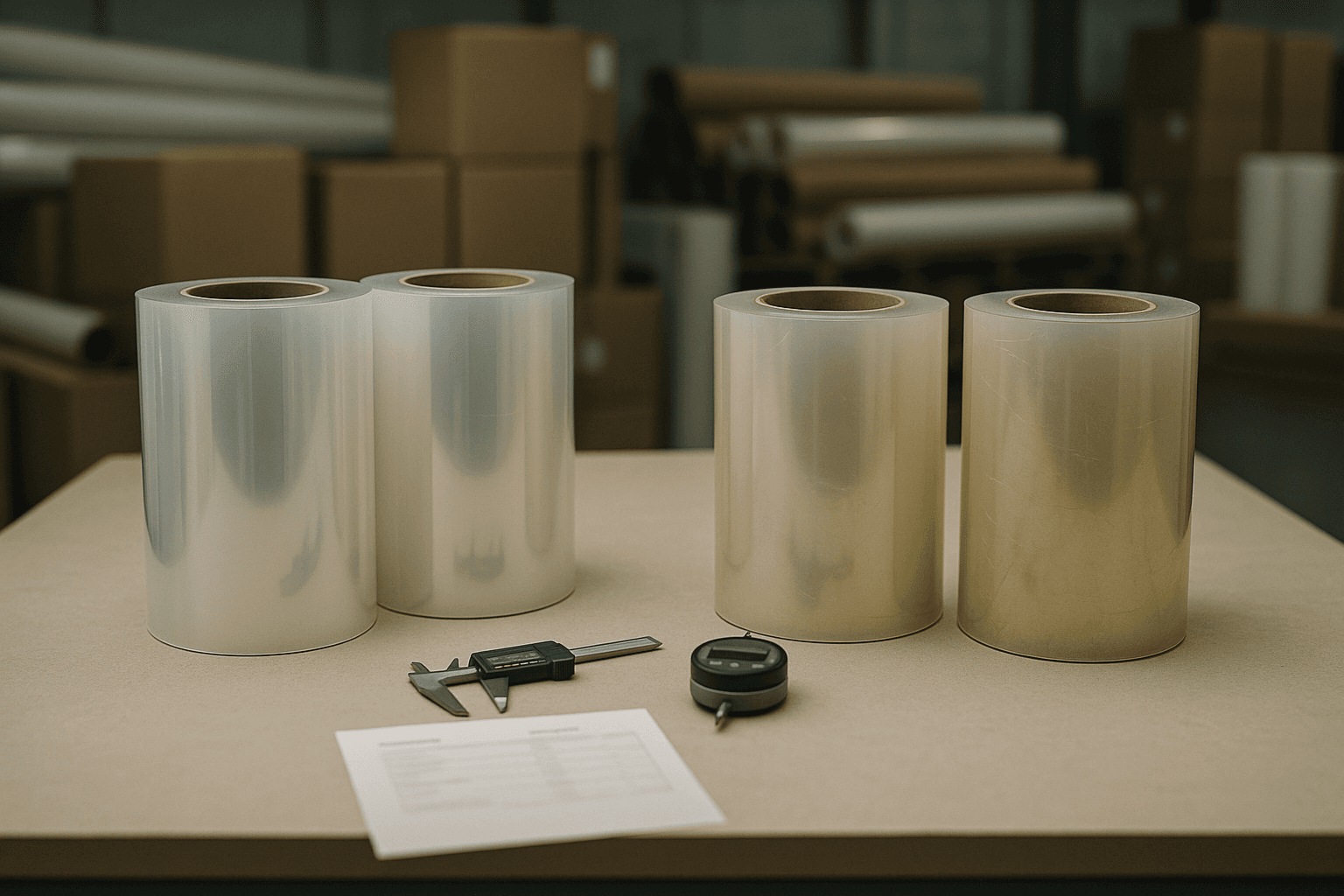
A useful sample test should reproduce the situations the shop regularly encounters. A flat sample is valuable for reviewing colour and surface texture, but it should not be the only test. The installer should also use representative curves, edges and moderate stretch to observe how the appearance changes during application.
The test does not need to create a universal pass or fail score. Its purpose is to help the shop record whether the product fits its own installation methods, service standards and customer expectations.
| Test area | What to observe | Why it matters commercially |
|---|---|---|
| Flat panel appearance | Colour depth, gloss level, surface texture and visible distortion | Determines whether the finish supports the intended premium service |
| Curved surface | Conformability and appearance around moderate curves | Shows how the film may behave on common body shapes |
| Controlled stretch | Change in colour, gloss and surface appearance | Helps prevent unexpected differences across stretched areas |
| Initial positioning | Ability to align the film during the installer’s normal process | Affects workflow and installation confidence |
| Edge finishing | Appearance and stability around wrapped edges | Influences the final presentation and inspection process |
| Seam and transition | Visibility where panels or sections meet | Important for partial applications and complex vehicles |
| Cleaning test | Surface appearance after suitable cleaning | Helps the shop prepare realistic aftercare guidance |
| Post installation review | Changes after the film has settled | Provides a more complete assessment than judging the film immediately |
The shop should record the substrate, panel shape, installation solution, environmental conditions and installer observations. This creates a repeatable internal reference when another technician tests the same product or when the business compares two possible additions to its product range.
XPSHELL’s advantage in this stage is its B2B orientation. A professional PPF supplier relationship should support informed product evaluation rather than push a buyer directly from a colour chart to a large order. Shops and PPF distributors can use samples to decide whether the finish, installation response and service positioning are suitable before planning broader purchasing.
How Should Distributors Plan Black PPF Inventory?
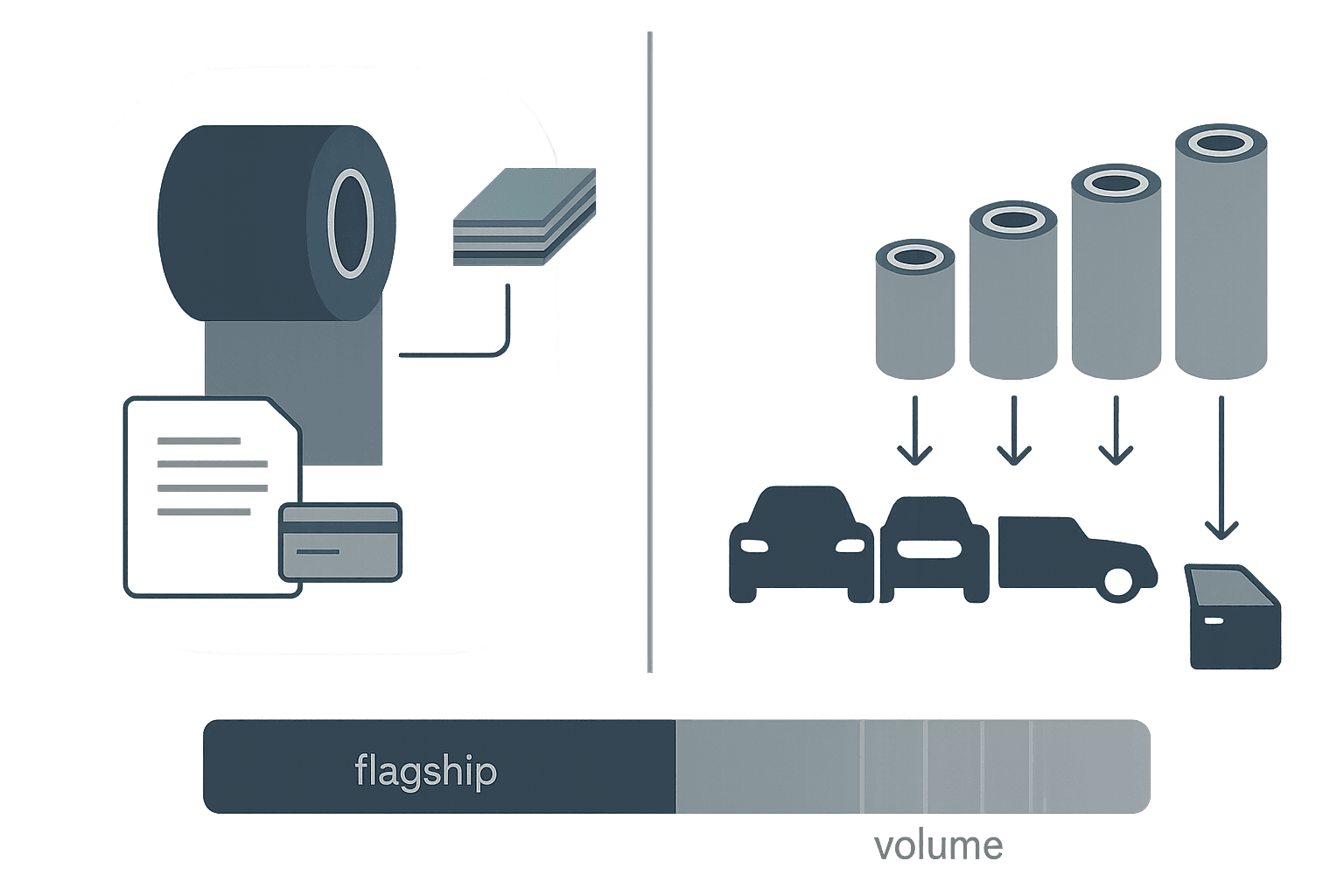
Black may look like a safe colour to stock, but black PPF inventory becomes complicated as soon as gloss, satin, matte and different market descriptions are added. Several similar rolls can occupy capital without serving clearly different customer demand.
A PPF distributor should begin with evidence from its installer network. Which finishes are customers requesting? Are the enquiries for full vehicle work or mostly roofs and accents? Do local shops already have trained teams for Colour PPF projects? Are installers asking for samples, single rolls or repeat replenishment?
The answers help separate genuine demand from general interest.
| Demand signal | What it may indicate | Practical distributor response |
|---|---|---|
| Repeated gloss black enquiries from several shops | A broad and recognisable service opportunity | Evaluate samples and consider a controlled opening inventory |
| One installer requesting a specialist matte finish | Project specific demand rather than general market demand | Confirm the project before holding larger stock |
| Strong sample interest but few confirmed projects | The market is still testing the category | Support demonstrations and collect feedback before expanding inventory |
| Repeat orders from the same installer | The product has entered a working service menu | Review replenishment timing and reorder planning |
| Interest from private label buyers | Potential for a branded product programme | Separate OEM evaluation from ordinary distributor stock decisions |
| Frequent requests for smaller accent projects | Demand may not consume rolls at full vehicle rates | Estimate material turnover using actual project types |
A sensible opening range does not need every possible black finish. It needs enough distinction for installers to understand why each option exists. Two products with almost identical positioning can compete with each other inside the distributor’s own catalogue.
XPSHELL can support PPF distributor and PPF wholesale planning by discussing the intended customer group, product role and order purpose. The benefit is not a claim that every buyer should hold more inventory. The value comes from building a range that can be explained, sampled and reordered with a clear commercial reason.
What Do OEM and Private Label Buyers Need Beyond a Black Finish?
Launching a private label black PPF product may look simple when the first decision is just the colour. The harder part begins when the buyer needs to reproduce the product offer, approve future orders and give distributors or installers information they can actually use.
An OEM programme needs a clear product definition. “Gloss black” alone is not enough. The buyer should identify the intended finish, application, target customer, test process and acceptable documentation before finalising packaging.
| OEM decision area | Questions to confirm |
|---|---|
| Product positioning | Is the product intended for full vehicle work, accents or both? |
| Finish approval | Which physical sample represents the approved colour and surface effect? |
| Installer evaluation | Who will test the film and how will feedback be recorded? |
| Product naming | Will the name clearly distinguish gloss, satin and matte options? |
| Roll information | What dimensions and handling information must appear on the label? |
| Technical documents | Which current product documents can be supplied for the selected film? |
| Packaging | What brand elements, languages and regulatory statements are required? |
| Order identification | How will the buyer identify the approved product in future orders? |
| Complaint process | What information will be needed to investigate an installation or product concern? |
| Replenishment | How will later orders be planned after the first market test? |
The approved sample should be treated as part of the commercial record. Online pictures vary with lighting, camera settings and display screens. A physical sample gives the buyer, supplier and installer a more useful point of reference.
XPSHELL’s OEM and private label flexibility is relevant here. The brand can work with buyers developing their own black PPF range while also serving professional shops and distribution partners under the XPSHELL name. Product specifications, packaging options, order conditions and available finishes should always be confirmed through current project documentation rather than assumed from a general article.
How Should Buyers Compare the Real Cost of Black PPF Supply?
A lower price per roll can look attractive until material waste, installer time and slow inventory are included. For a shop or distributor, the more useful question is not simply what the roll costs, but what it costs to deliver and support a successful black PPF service.
A professional shop can use a project cost model rather than comparing purchase price alone.
Project cost = film used + expected material allowance + preparation labour + installation labour + disassembly and reassembly + project complexity allowance + finishing and inspection time
The figures should come from the shop’s own records. Vehicle designs, installer experience, service standards and local labour costs vary too much for a single universal price to be reliable.
| Cost input | Professional shop | PPF distributor | OEM buyer |
|---|---|---|---|
| Roll purchase | Cost allocated to each project | Landed inventory cost | Product and programme cost |
| Material usage | Actual film used on the vehicle | Typical consumption reported by customers | Expected product format and buyer use |
| Installation time | Technician hours and bay occupancy | Effect on installer satisfaction and repeat orders | Feedback from test installers |
| Material allowance | Edges, complex panels and expected waste | Effect on customer value perception | Suitability of roll format |
| Inventory time | Unused roll value inside the shop | Capital held across several finishes | Opening order and future reorder planning |
| Replacement handling | Inspection, labour and material requirements | Support process for trade customers | Complaint records and product traceability |
| Sales support | Samples, displays and customer consultation | Installer samples and product education | Packaging, product information and launch materials |
Brand comparison should also be made within the correct context. XPEL, STEK and XPSHELL do not need to be presented as a simple ranking.
| Brand | Public market position relevant to black PPF | Commercial route to consider |
|---|---|---|
| XPEL | Publishes a technical data sheet for ULTIMATE PLUS Black and operates through a recognised product and installer ecosystem | Suitable for buyers specifically seeking the XPEL branded channel and its published product system |
| STEK | Publicly presents DYNOblack in gloss and matte versions within its coloured and fashion PPF range | Suitable for buyers seeking named STEK finishes through its installer and distribution structure |
| XPSHELL | Positions black PPF within a high end B2B offer for professional shops, PPF wholesale, distribution and brand development | Suitable for businesses evaluating XPSHELL products, distributor cooperation, OEM or private label development |
The purpose of this comparison is not to declare one brand universally better. A buyer should consider whether the product category, supply model, documentation, sample process and commercial relationship fit the intended business.
XPSHELL’s strongest role is not that of a cheap substitute for an established name. Its opportunity lies in serving businesses that want a premium product direction together with professional shop cooperation, PPF distributor development, PPF wholesale supply and flexible OEM or private label discussions.
Frequently Asked Questions About Black PPF
A buyer who has already seen several black PPF photos may still be unsure about the decision that matters most: which product, finish and supply model fit the actual project or business.
Is Black PPF the Same as a Black Vinyl Wrap?
No. Both products can change the visible colour of a vehicle, but they belong to different product categories and should not be presented as interchangeable.
A professional shop should recommend the option that matches the customer’s intended appearance, service requirements, budget and expected use. Black PPF does not need to be sold by criticising black vinyl wrap. Many shops can offer both as separate services for different customers.
Is Gloss Black PPF or Satin Black PPF Better?
Neither finish is universally better. Gloss black PPF suits customers who want strong reflections and a polished appearance. Satin black PPF suits customers who prefer softer reflections and a more restrained finish.
The shop should show installed samples under realistic lighting before confirming the project. Finish terminology may also vary among manufacturers, so the physical result matters more than the product name alone.
Can Black PPF Be Installed Only on a Roof or Accent Panels?
Yes, black PPF can be considered for selected areas such as a roof, bonnet, mirrors, spoilers or trim, depending on the product and vehicle surface.
The installer should assess edge placement, panel transitions, surface condition and the visual relationship with the surrounding paint. Partial installation should look like an intentional design decision rather than an incomplete full wrap.
Is Gloss PPF Always Black?
No. The phrase gloss ppf commonly includes transparent high gloss paint protection films as well as coloured products with a gloss finish. A buyer searching specifically for a black colour transformation should confirm that the product is a pigmented or coloured black PPF rather than clear gloss film.
What Should a Shop Test Before Ordering a Full Roll?
The shop should review the finish on a flat panel, curved area, controlled stretch section and wrapped edge. It should also observe positioning, seams, transitions, cleaning and the appearance after installation.
The purpose is to confirm whether the product fits the installer’s workflow and the finish promised to customers. A single colour swatch cannot replace a realistic installation test.
Should a PPF Distributor Stock Gloss, Satin and Matte Black?
Not automatically. A PPF distributor should use actual enquiries, installer feedback, confirmed projects and reorder patterns to decide which finishes deserve regular inventory.
A smaller, clearly differentiated range is often easier for installers to understand and sell than several products with overlapping positions.
Does XPSHELL Support PPF Wholesale and Distributor Enquiries?
XPSHELL works with professional PPF shops, detailing studios, PPF wholesale buyers and distribution partners. Businesses can discuss the intended market, finish requirements, sample evaluation and purchasing direction before selecting an appropriate programme.
Current products, specifications, order conditions and cooperation details should be confirmed directly with XPSHELL.
Can XPSHELL Support OEM and Private Label Black PPF?
OEM and private label buyers can discuss product evaluation, branding, packaging and programme development with XPSHELL. The process should begin with a clear product definition and approved sample rather than a colour name alone.
Specific finishes, documentation, minimum order requirements, lead times and packaging options must be confirmed according to the actual project. This avoids making assumptions that may not apply to every product or order.
References
[1] XPEL ULTIMATE PLUS Black Technical Data Sheet (https://www.xpel.com/web-assets/downloads/XPEL-ULTIMATE-PLUS-BLACK-TDS.pdf) (XPEL)
[2] XPEL COLOR Paint Protection Film (https://lp.xpel.com/color-paint-protection-film) (XPEL)
[3] XPEL Automotive Paint Protection Film (https://lp.xpel.com/discover-automotive-ppf) (XPEL)
[4] STEK DYNOblack Paint Protection Films (https://www.stek-usa.com/fashion-film/dynoblack/) (STEK 美国)
[5] STEK DYNOblack Gloss (https://www.stek-usa.com/fashion-film/dynoblack/dynoblack-gloss/) (STEK 美国)
[6] STEK DYNOblack Matte (https://www.stek-usa.com/fashion-film/dynoblack/dynoblack-matte/) (STEK 美国)
[7] SunTek Altered Black Paint Protection Film (https://suntekfilms.com/na/en/paint-protection-film/altered-black/) (SunTek)
[8] 3M Protection Wrap Film Color Series (https://www.3m.com/3M/en_US/p/d/b5005547007/) (3m.com)