What Each Product Does
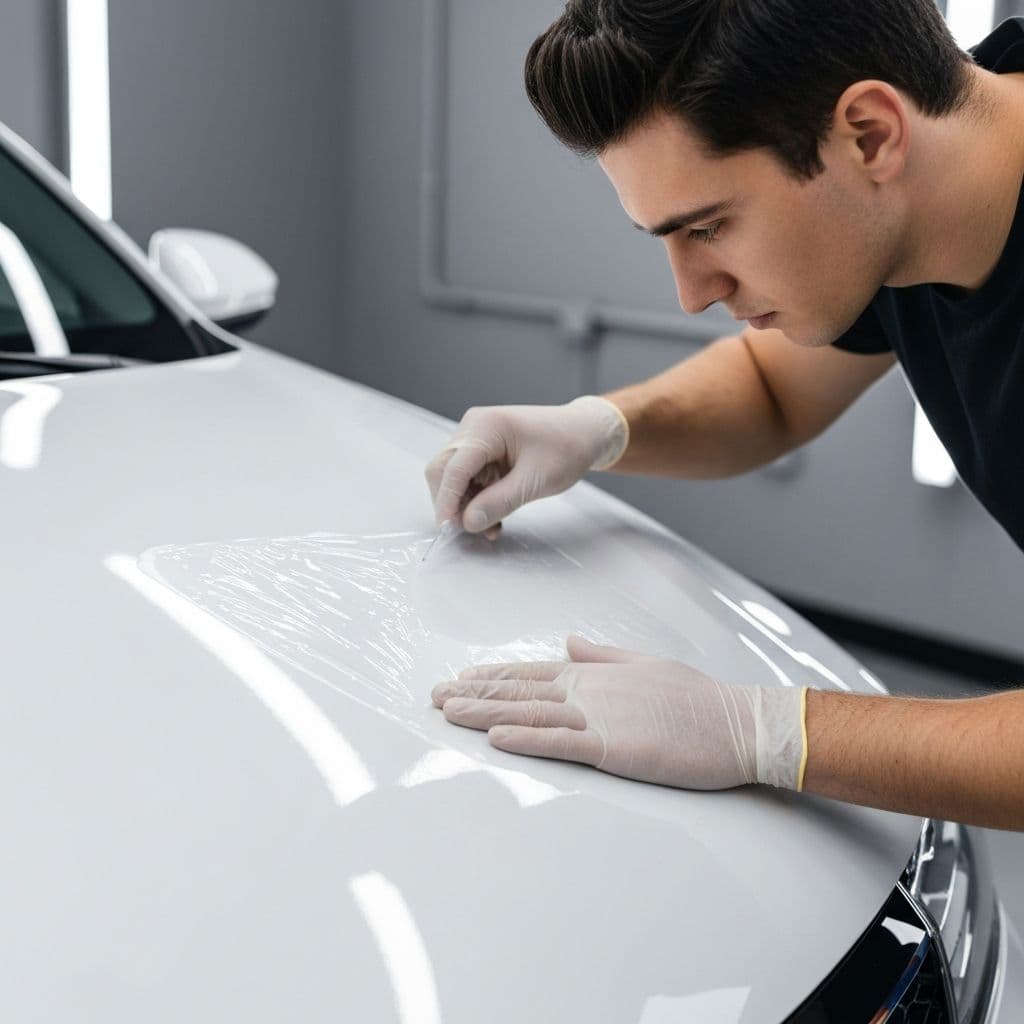
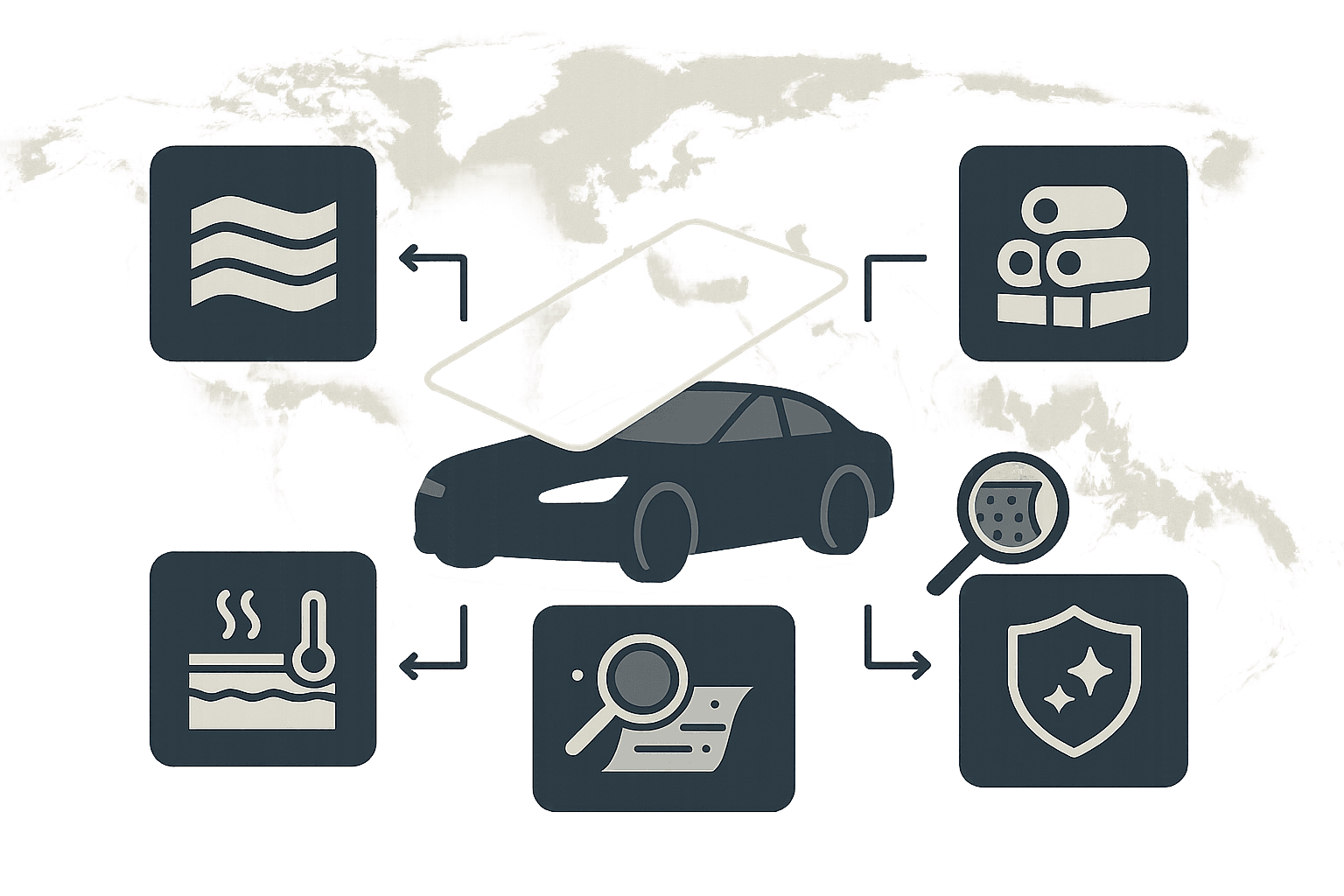
Paint protection film is a physical barrier, typically 6 to 8 mils thick, that absorbs impact energy from stone chips, road debris, and minor collisions. Ceramic coating is a liquid polymer that bonds chemically to your paint and creates a hydrophobic layer resistant to chemical etching, UV fading, and light scratches.
Where PPF Wins
For high-impact areas like the front bumper, hood, fenders, and mirror caps, PPF is unmatched. No ceramic coating will stop a rock chip. If you drive on highways regularly or in areas with heavy road debris, PPF on the front end is essential.
Where Ceramic Coating Wins
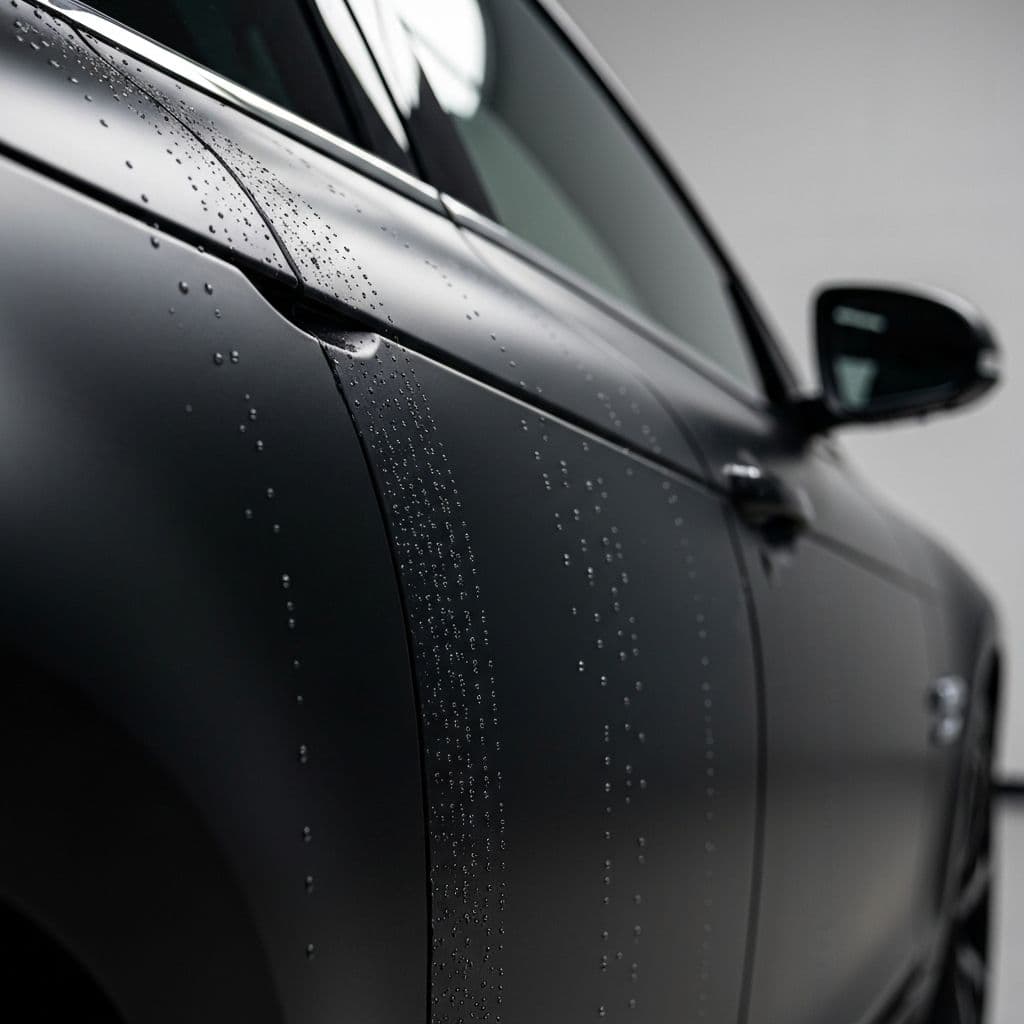
Ceramic coating excels at making maintenance easier. Water beads and sheets off the surface, bird droppings and tree sap release more easily, and the surface resists light swirl marks from washing. Applied over PPF, it enhances the film surface and makes cleaning easier.
The Best Answer
For maximum protection, apply PPF to high-impact zones, then top coat with ceramic coating. This gives you physical protection where it matters most, combined with chemical resistance and hydrophobics across the entire vehicle.